Side-by-Side IQ Profile: Weimaraner vs. Scottish Deerhound
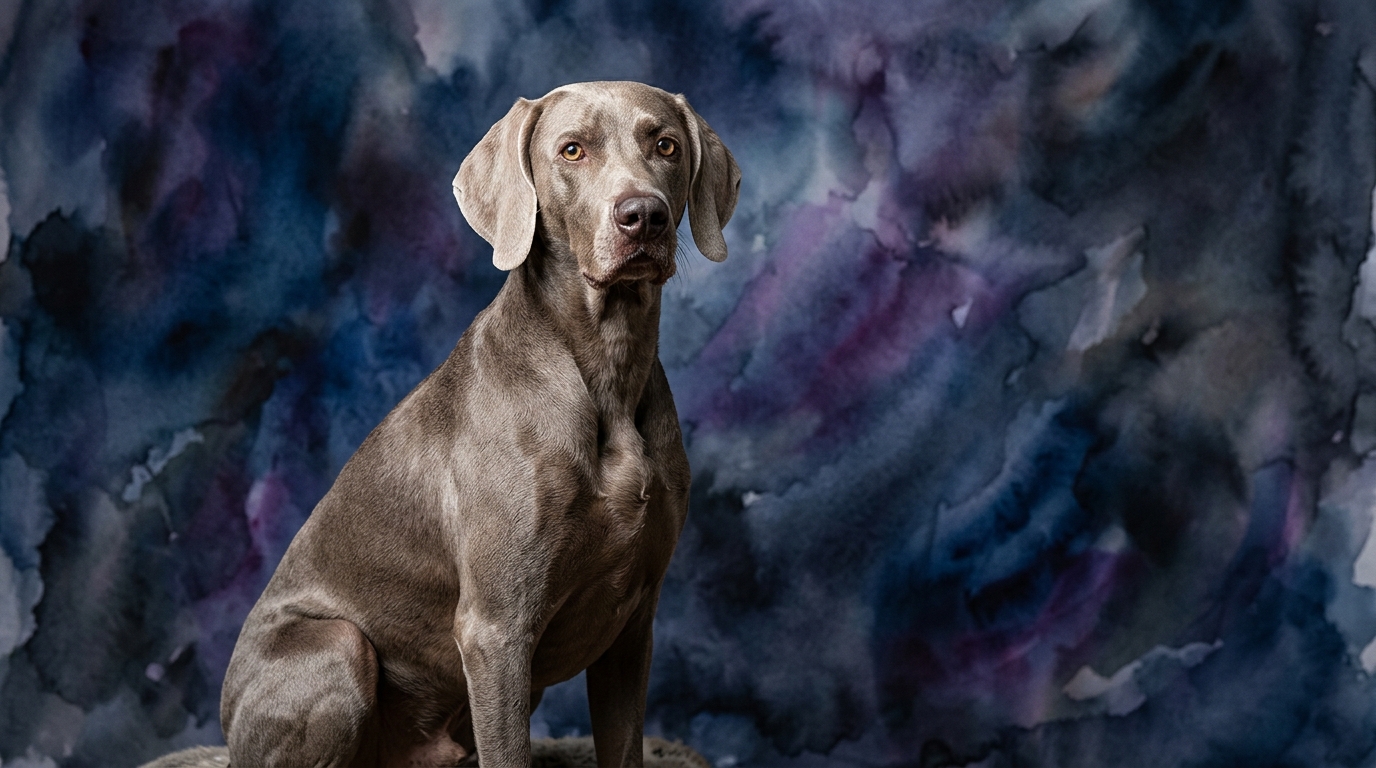
The Weimaraner, a Sporting group member, registers at Coren rank #21, indicating a strong capacity for obedience and working intelligence. Their cognitive profile from The Cosmic Pet Pet IQ Lab shows high marks across the board: problem-solving 4/5, training speed 4/5, social intelligence 4/5, instinctive drive 5/5, and memory 4/5. This suggests a dog with a robust mental framework, capable of analytical thought, rapid learning, and deep engagement with their human companions, all underpinned by a powerful working ethic.
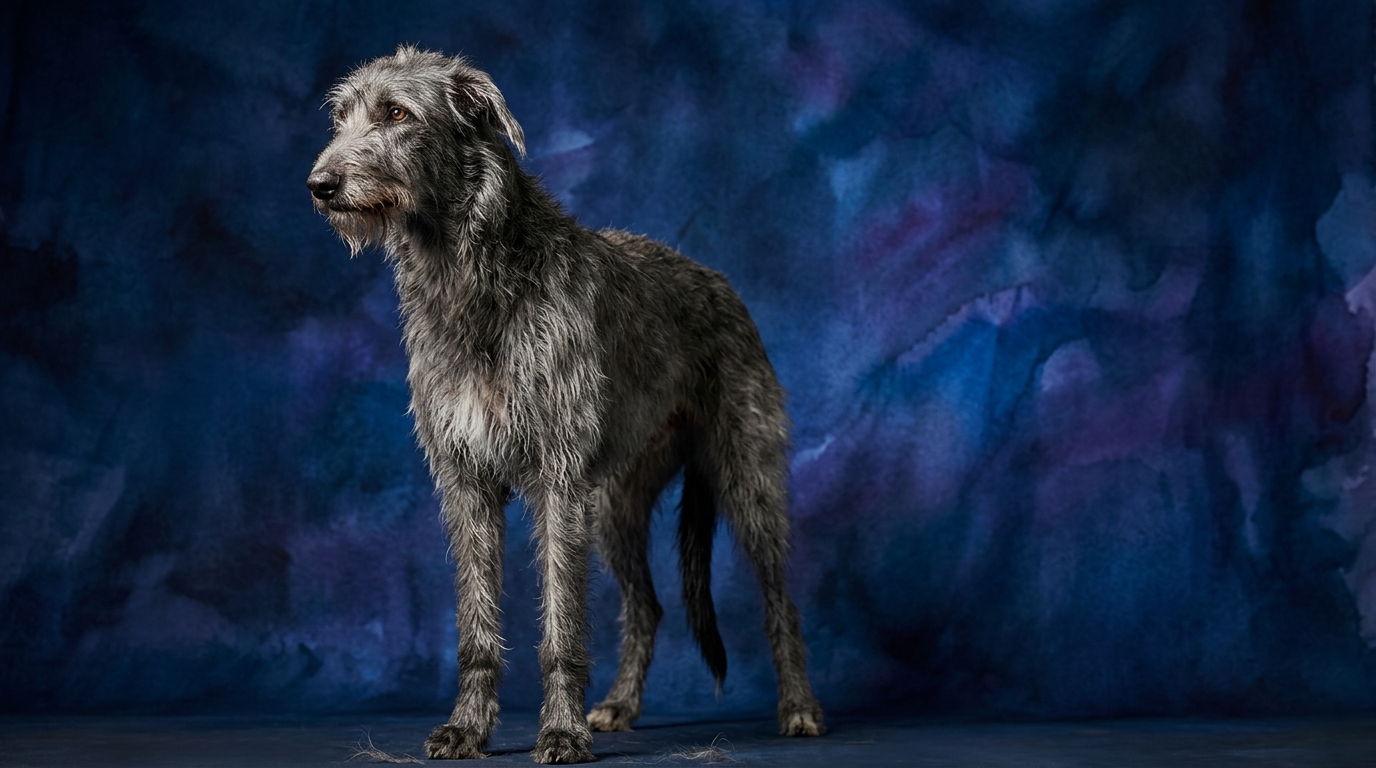
In contrast, the Scottish Deerhound, a majestic Hound breed, does not appear on Coren's ranking, reflecting a different type of cognitive specialization. Their IQ scores are consistently 3/5 across all five dimensions: problem-solving, training speed, social intelligence, instinctive drive, and memory. This profile suggests a more independent and instinct-driven mind, less focused on complex human-centric tasks and more on their inherent sighthound abilities, characterized by a calm demeanor but powerful, specialized senses.
Where the Weimaraner Excels Cognitively
The Weimaraner's cognitive strengths are evident in their superior problem-solving (4/5) and training speed (4/5). This breed demonstrates a notable aptitude for figuring out novel situations, whether it's navigating complex agility courses or understanding multi-step commands. Their strong social intelligence (4/5) means they are adept at reading human body language and vocal cues, enabling them to anticipate desires and respond with eagerness, which further facilitates their rapid acquisition of new skills.
Furthermore, the Weimaraner's instinctive drive (5/5) is a powerful cognitive asset, manifesting as an intense focus and determination to complete tasks. This drive is not just about physical energy but a mental commitment to purpose, making them exceptional partners in activities requiring sustained attention and a desire to work alongside their human. Their excellent memory (4/5) ensures they retain learned behaviors and routines, building upon past experiences to refine their responses and master intricate sequences over time.
Where the Scottish Deerhound Shows Unique Cognitive Strengths
While the Scottish Deerhound's scores are more moderate, their cognitive profile reflects a specialized form of intelligence honed for their original purpose. Their instinctive drive (3/5), though lower than a Weimaraner's, is acutely focused on sight-hunting. This means they possess an exceptional ability to scan vast landscapes, detect subtle movements at great distances, and process visual information rapidly to initiate a chase. Their problem-solving (3/5) might not extend to complex puzzles, but it excels in the quick assessment of terrain and the most efficient path to pursue a moving target.
The Deerhound's social intelligence (3/5) indicates a dignified and affectionate, yet often reserved, nature. They form deep bonds but are not typically as overtly demonstrative or reliant on constant interaction as a Weimaraner. This independent streak is a cognitive trait, allowing them to be calm and self-possessed in various environments. Their memory (3/5) is sufficient for recognizing familiar people and places, and recalling the layout of their territory, contributing to their generally placid and observant disposition indoors.
Ease of Training: Weimaraner vs. Scottish Deerhound
Based on their IQ profiles, the Weimaraner is generally easier to train, scoring 4/5 in training speed. Their high social intelligence and strong instinctive drive to work with humans mean they are highly motivated by positive reinforcement and respond quickly to commands. They thrive on structure and mental engagement, often anticipating what is expected of them and taking pride in successful completion of tasks. This responsiveness makes them suitable for advanced obedience, field trials, and various dog sports where precision and speed are valued.
The Scottish Deerhound, with a training speed of 3/5, requires a different approach. Their independent sighthound nature means they can be less inclined to perform arbitrary commands if they don't perceive a clear purpose, especially when a compelling visual stimulus (like a squirrel) is present. Training a Deerhound demands patience, consistency, and a deep understanding of their inherent drives. Positive reinforcement is crucial, focusing on making training a game rather than a chore, to gently guide their independent spirit towards cooperation without stifling their unique character.
Suitability for Active vs. Relaxed Owners
The Weimaraner's cognitive profile, particularly their 5/5 instinctive drive and high problem-solving capacity, necessitates an active and engaged owner. These dogs require substantial daily physical exercise combined with consistent mental challenges to prevent boredom and destructive behaviors. They excel with owners who enjoy structured training, dog sports, long hikes, or activities that channel their intense drive and focus, making them ideal companions for those with an adventurous and hands-on approach to dog ownership.
Conversely, the Scottish Deerhound, while needing opportunities for vigorous running in a safe, enclosed space, is generally a more relaxed companion indoors. Their moderate instinctive drive and problem-solving scores mean they don't demand constant mental stimulation in the same way a Weimaraner does. They are well-suited for owners who appreciate a calm, dignified presence in the home and can provide bursts of intense physical activity rather than sustained, high-impact engagement, making them a good fit for those seeking a tranquil but capable companion.
The Verdict
Choose a Weimaraner if you are an active, dedicated owner who desires a highly trainable, purpose-driven canine partner eager to engage in complex tasks and consistent mental stimulation.
Opt for a Scottish Deerhound if you appreciate a calm, independent companion who enjoys bursts of fast exercise but is content with a more relaxed indoor life, valuing specialized instincts over generalized problem-solving.
🧠 Find Your Pet's IQ Score
Our Pet IQ Lab assessment covers 25+ tests across 5 cognitive dimensions — personalized to your breed.
Take the Full IQ Test →Frequently Asked Questions
Are Scottish Deerhounds difficult to train due to their independence?
Scottish Deerhounds are not necessarily difficult, but they require a patient and consistent approach. Their 3/5 training speed suggests they may take longer to grasp commands and can be easily distracted by visual stimuli, emphasizing the need for positive reinforcement and understanding their sighthound nature.
Which breed requires more mental stimulation?
The Weimaraner, with higher scores in problem-solving and instinctive drive, undoubtedly requires more consistent and varied mental stimulation. They thrive on challenges and purposeful activities, whereas the Scottish Deerhound is generally content with less constant cognitive engagement beyond their specialized sensory work.
How do their social intelligence scores impact family life?
A Weimaraner's 4/5 social intelligence means they are highly attuned to family dynamics, often seeking interaction and forming strong, demonstrative bonds. A Scottish Deerhound's 3/5 social intelligence indicates they are affectionate and loyal but may be more reserved, appreciating quiet companionship rather than constant overt engagement, which suits families seeking a dignified, less demanding presence.