Side-by-Side Cognitive Profiles
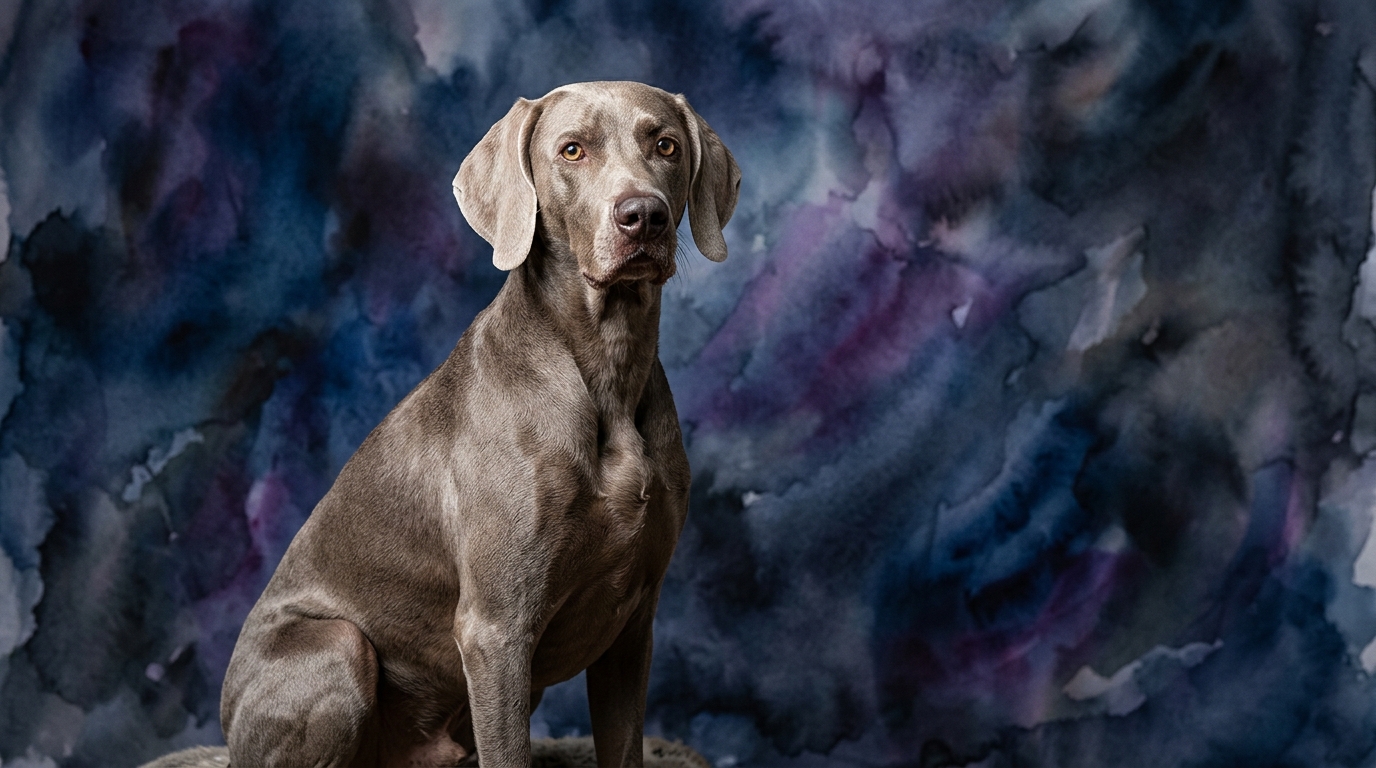
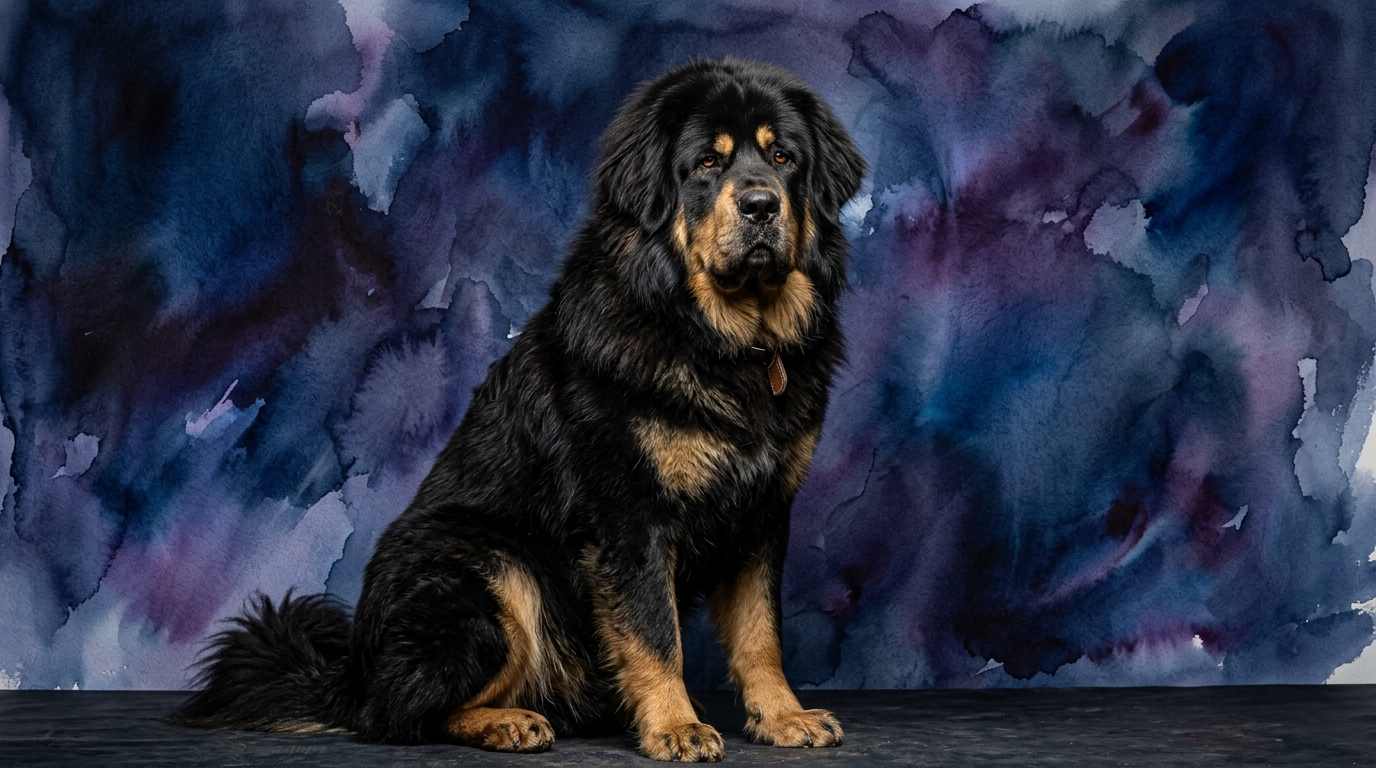
The Cosmic Pet Pet IQ Lab assesses canine intelligence across five key dimensions, offering a nuanced view of how breeds process information and interact with their world. For the Weimaraner, a Sporting breed, and the Tibetan Mastiff, a Working breed, these profiles reveal profound differences in their mental makeup, shaped by centuries of selective breeding for specific tasks.
The Weimaraner’s profile is characterized by high scores across the board: Problem Solving (4/5), Training Speed (4/5), Social Intelligence (4/5), Instinctive Drive (5/5), and Memory (4/5). This indicates a dog that is not only quick to learn but also deeply engaged with its environment and human companions. Their Problem Solving skills mean they are adept at navigating complex situations, figuring out how to achieve goals, and quickly grasping cause-and-effect relationships. Their Training Speed reflects an eagerness to absorb new commands and routines, thriving on mental stimulation and collaborative tasks. High Social Intelligence allows them to keenly read human emotions and cues, fostering a strong, responsive bond. An exceptionally strong Instinctive Drive fuels their focus and determination, particularly in activities requiring pursuit or tracking. Finally, their Memory ensures they retain learned behaviors and routines effectively, making them reliable partners.
In contrast, the Tibetan Mastiff presents a profile reflecting its independent, guardian nature: Problem Solving (3/5), Training Speed (3/5), Social Intelligence (3/5), Instinctive Drive (3/5), and Memory (3/5). While these scores appear lower, they speak to a different kind of intelligence—one focused on discernment and self-reliance rather than eager cooperation. Their Problem Solving often manifests in assessing threats and securing territory, rather than solving abstract puzzles for human amusement. A moderate Training Speed suggests they learn at their own pace, requiring patience and a strong, trust-based relationship. Their Social Intelligence is discerning, forming deep bonds with their immediate family but often reserved with strangers, prioritizing their protective role. Their Instinctive Drive is primarily centered on vigilant guardianship, a steadfast dedication to protecting their domain, rather than active pursuit. Their Memory is robust for territorial knowledge and identifying familiar individuals, but perhaps less so for a vast repertoire of complex obedience commands.
Where the Weimaraner Excels Cognitively
The Weimaraner's cognitive strengths shine particularly bright in scenarios demanding quick adaptation and collaborative effort. Their superior Problem Solving (4/5) means they're adept at navigating complex environments, figuring out how to manipulate latches, or strategizing to retrieve a hidden toy, showcasing a proactive engagement with their surroundings. This breed also demonstrates a higher capacity for Training Speed (4/5), absorbing new commands and concepts rapidly, especially when the learning process is framed as an engaging, shared activity. Their Instinctive Drive (5/5) isn't just about raw energy; it translates into a focused determination to accomplish tasks, making them exceptional partners for activities requiring sustained attention and purpose. Furthermore, their elevated Social Intelligence (4/5) allows them to keenly read human cues, making them highly responsive companions who anticipate needs and intentions, fostering a deeper, more fluid partnership.
Where the Tibetan Mastiff's Mind Shines
The Tibetan Mastiff, while not scoring as high in traditional 'trainability' metrics, demonstrates a distinct cognitive prowess rooted in its ancient guardian lineage. Their Problem Solving (3/5) is less about agility puzzles and more about strategic assessment of their environment, identifying potential threats and devising independent solutions for territorial security. This independent thought process is a hallmark of a breed tasked with protecting flocks without constant human direction. Their Instinctive Drive (3/5), though rated lower than the Weimaraner's, is intensely focused on vigilance and protection, translating into an unwavering, steadfast dedication to their perceived duty. They possess a long-term memory for their territory and the individuals within it, allowing them to reliably distinguish between familiar and unfamiliar, friend and potential foe. This discernment, while sometimes perceived as stubbornness in training, is a sophisticated form of social intelligence tailored to their protective role, prioritizing careful evaluation over impulsive action.
Training: Eager Partner vs. Independent Thinker
When considering ease of training, the Weimaraner generally presents a more straightforward path for the average owner. Their Training Speed (4/5) is a significant advantage; they absorb new commands and routines with enthusiasm, often eager to engage and please their human partners. Their high Instinctive Drive (5/5) can be channeled effectively into structured tasks, making them excel in obedience, agility, or tracking when properly motivated. They respond well to positive reinforcement and consistent methods, thriving on mental stimulation. In contrast, the Tibetan Mastiff’s Training Speed (3/5) and independent nature mean training requires considerable patience, understanding, and a different approach. They are not inherently driven to 'please' in the same way; instead, they weigh commands and often require a clear understanding of the 'why' behind an instruction. Their Social Intelligence (3/5) leads them to form deep bonds, but this bond doesn't automatically translate into instant obedience. Rather, it fosters a relationship where trust and respect are earned, and commands are often considered rather than immediately executed. Their formidable size and strength also mean that early, consistent socialization and foundational manners are crucial, as their natural guardian tendencies can be challenging to manage without proper guidance.
Matching Breeds to Lifestyles: Active vs. Relaxed Owners
For the owner leading an active lifestyle who desires a canine partner to join them in various pursuits, the Weimaraner is an exceptional fit. Their boundless energy and high Instinctive Drive (5/5) demand significant physical exercise and consistent mental engagement, thriving on structured activities like running, hiking, dog sports, or even field work. They are best suited for individuals or families who can commit to daily rigorous activity and provide ample opportunities for their problem-solving minds to be challenged. A relaxed owner who cannot meet these demands would likely find a Weimaraner bored, potentially leading to destructive behaviors. The Tibetan Mastiff, conversely, might appeal to an owner who, while not necessarily 'relaxed' in terms of responsibility, appreciates a more independent and watchful companion rather than a constant activity partner. While they require regular, moderate exercise to maintain health, their primary needs revolve around a secure territory to guard and a consistent, calm presence from their family. They are not typically suited for intense, structured dog sports, but rather prefer patrolling their domain and observing. Their lower Instinctive Drive (3/5) for active pursuit means they won't demand constant engagement in the same way, making them a better choice for owners who value a majestic, protective presence and are prepared for a dog that thinks for itself.
The Verdict
Choose the Weimaraner if you seek an athletic, highly trainable companion eager to participate in active sports, hunting, or require a dog that thrives on constant mental and physical engagement with its family.
Opt for the Tibetan Mastiff if you are an experienced owner seeking a formidable, independent guardian for your home and family, valuing a dog with a profound sense of duty over eager obedience.
🧠 Find Your Pet's IQ Score
Our Pet IQ Lab assessment covers 25+ tests across 5 cognitive dimensions — personalized to your breed.
Take the Full IQ Test →Frequently Asked Questions
Are Weimaraners difficult to live with due to their high energy?
Weimaraners require substantial daily exercise and mental stimulation to prevent boredom and destructive behaviors. While not inherently difficult, their intense energy and strong drives mean they are best suited for active owners who can consistently meet their needs for physical activity and structured mental engagement.
Can a Tibetan Mastiff live in an apartment?
A Tibetan Mastiff is generally not suited for apartment living due to their large size, need for a secure territory to patrol, and deep-seated guardian instincts. They thrive in homes with large, securely fenced yards where they can fulfill their protective duties and receive adequate exercise without feeling confined.
Do Tibetan Mastiffs bark a lot?
Tibetan Mastiffs are known for their deep, resonant bark, which they use to alert their family to perceived threats or intruders, especially at night. While not incessant, their territorial nature means they will vocalize when they deem it necessary to protect their domain, which can be a consideration for close neighbors.