A Side-by-Side Look at Weimaraner and Whippet IQ Profiles
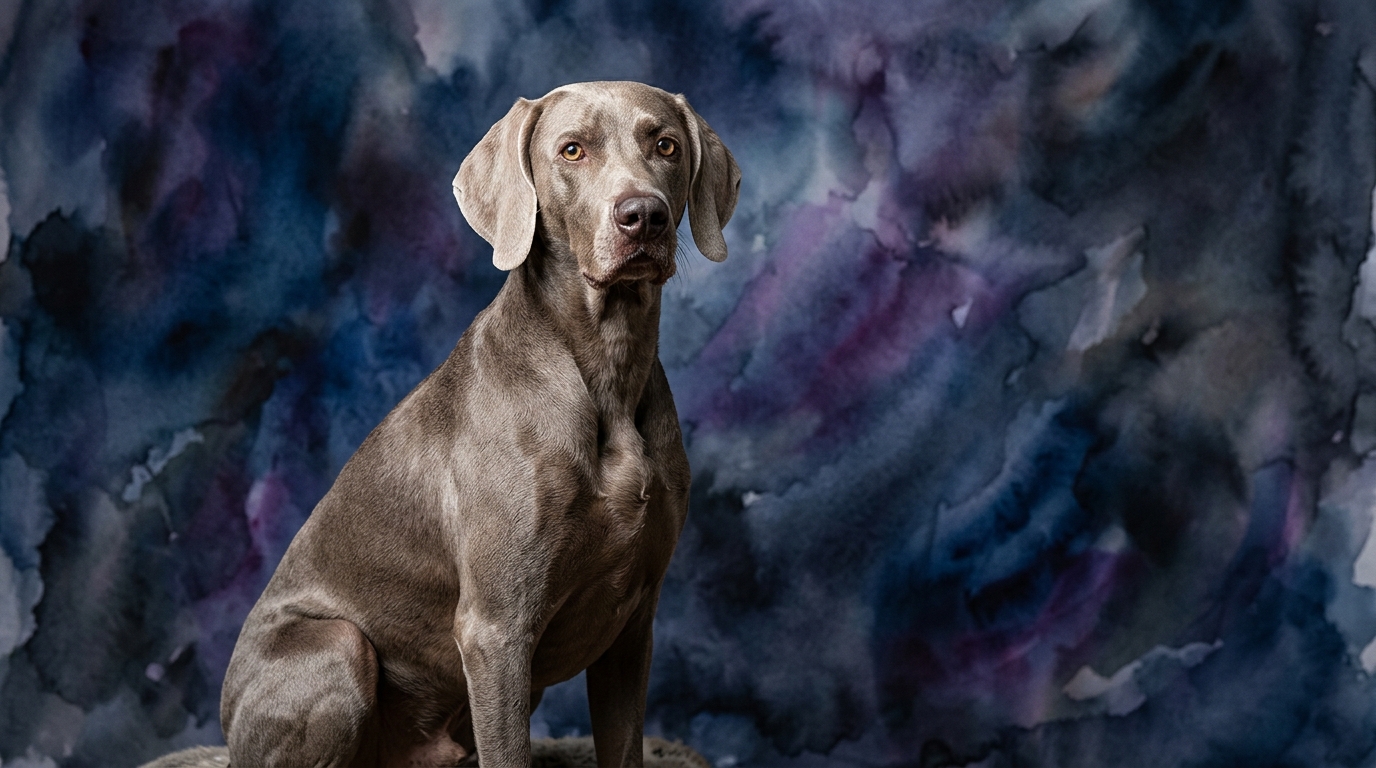
The Weimaraner, ranking #21 on the Coren scale, presents a formidable cognitive profile. With a Problem Solving score of 4/5, they are adept at independent thought, often strategizing to achieve goals like opening latches or figuring out complex routes to a desired object. Their Training Speed of 4/5 means they grasp new commands swiftly, often anticipating their handler's next move, making them quick studies in various disciplines. Social Intelligence at 4/5 highlights their keen ability to interpret human moods and intentions, fostering deep bonds but also allowing for clever manipulation to get their way. Their Instinctive Drive, a perfect 5/5, fuels their relentless pursuit of game, their strong retrieving instincts, and their unwavering focus on a "job." Finally, a Memory score of 4/5 ensures they retain complex sequences, remember specific locations, and recall both positive and negative experiences with impressive detail.
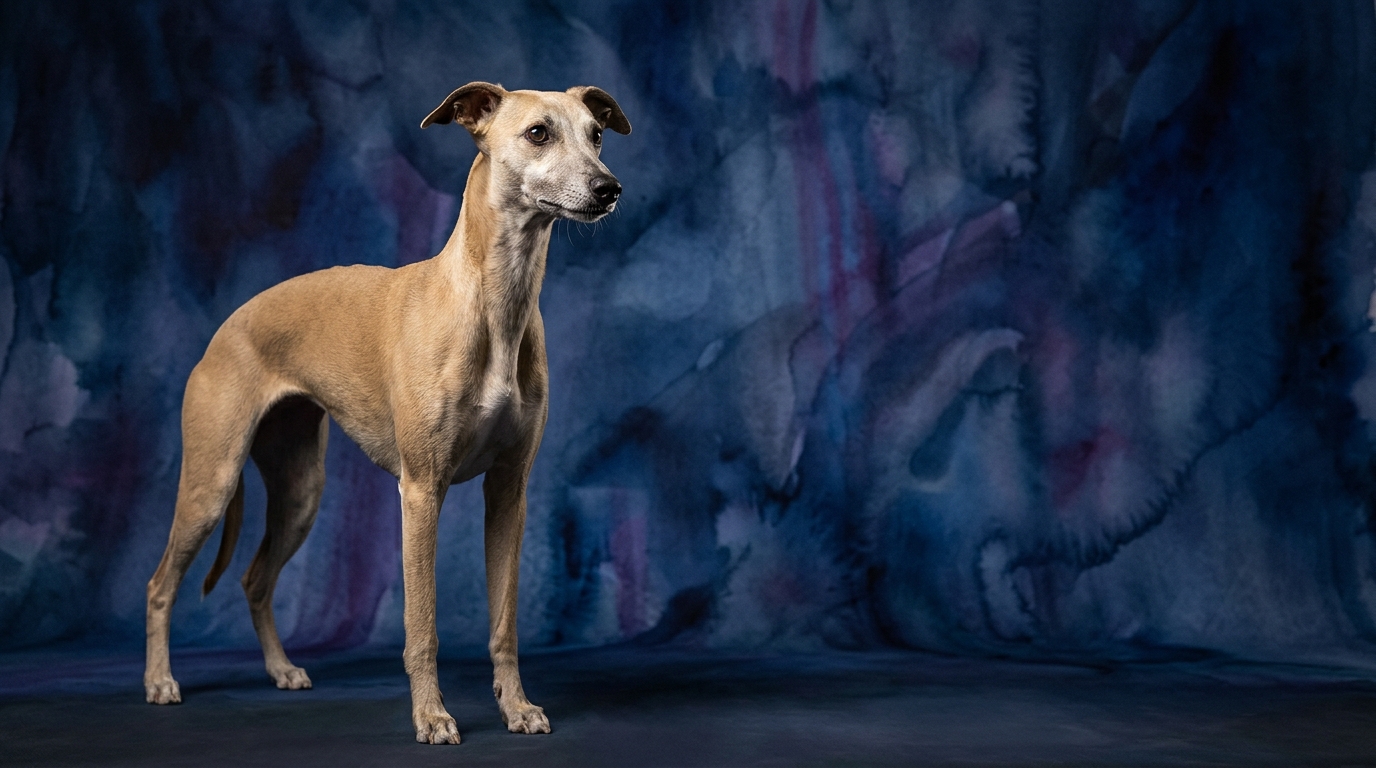
In contrast, the Whippet, positioned at #51 on the Coren scale, showcases a different set of cognitive strengths tailored to its sighthound heritage. Their Problem Solving score of 3/5 suggests they are less inclined toward independent strategizing, preferring clear instructions and established routines over novel problem-solving challenges. With a Training Speed of 2/5, Whippets require patience and repetition; they can learn, but often at their own pace, and may find extensive drill sessions less engaging. A Social Intelligence of 4/5 reveals their sensitive and deeply affectionate nature, making them highly attuned to their family's emotional state and eager for companionship. Their Instinctive Drive, also a perfect 5/5, is primarily focused on the chase, exhibiting an explosive, single-minded pursuit of anything that moves quickly. Their Memory, rated 3/5, allows them to remember familiar people and routines, but might not extend to the same level of complex command recall or detailed spatial memory as their Weimaraner counterparts.
Where the Weimaraner Shines Cognitively
The Weimaraner's cognitive strengths distinctly outpace the Whippet in areas demanding independent thought and complex learning. Their superior Problem Solving (4/5 versus 3/5) means they are far more likely to analyze novel situations and devise solutions on their own, whether it’s figuring out how to open a child-proof gate or navigating a complex scent trail. This adaptability makes them exceptional partners for tasks requiring initiative.
Furthermore, the Weimaraner's faster Training Speed (4/5 versus 2/5) coupled with their robust Memory (4/5 versus 3/5) allows them to acquire and retain a vast repertoire of commands and skills with remarkable efficiency. This translates into a dog that can master advanced obedience, complex field work, or intricate agility courses more readily, often requiring fewer repetitions and demonstrating a deeper understanding of multi-step instructions. Their versatile 5/5 Instinctive Drive also encompasses a broader range of working behaviors beyond just chase, including pointing, retrieving, and tracking, which they apply with focused intent.
Where the Whippet Holds Its Own Cognitively
While the Whippet's Coren rank is lower, its cognitive profile isn't without significant advantages, especially for certain lifestyles. Their Social Intelligence (4/5, matching the Weimaraner) manifests as a gentle, empathetic nature, making them incredibly sensitive companions who thrive on close human connection without the potential for the assertive or manipulative tendencies sometimes seen in more "problem-solving" breeds. They are masters of quiet companionship, reading subtle cues for comfort and affection.
The Whippet's highly specialized 5/5 Instinctive Drive, centered on sight-based pursuit, is a cognitive triumph in its specific domain; they are incredibly efficient at spotting and chasing movement, a testament to finely tuned sensory processing and rapid motor response. Intriguingly, their comparatively lower Problem Solving (3/5) can be a quiet win for owners seeking a less "scheming" household companion; a Whippet is less likely to independently figure out how to raid the pantry or systematically dismantle barriers. This can lead to a more predictable and less mentally demanding home life, where their primary cognitive "job" is often simply to be a cherished, relaxed family member.
Training Ease: Weimaraner vs. Whippet
Training a Weimaraner generally involves a rapid learning curve for new commands, thanks to their 4/5 Training Speed and 4/5 Problem Solving. They are eager to engage and quickly understand what is being asked. However, their formidable 5/5 Instinctive Drive and independent nature mean that success hinges on consistent, stimulating training that channels their boundless energy and working aptitude. Without sufficient mental and physical engagement, their intelligence can be redirected into undesirable behaviors like destructive chewing or incessant barking, as they are adept at finding their own "work." Their strong memory means that both positive reinforcement and any negative associations are deeply ingrained.
The Whippet presents a different training journey. Their 2/5 Training Speed means they require significant patience and more repetitions to master new commands. They are not as inherently driven to "please" in a structured training context, and distractions, especially moving objects triggering their 5/5 Instinctive Drive, can easily derail a session. Harsh methods are counterproductive for their sensitive 4/5 Social Intelligence; positive reinforcement and short, fun sessions yield the best results. While slower to learn, once a routine is established and they understand the expectation, their generally compliant nature and lower problem-solving inclination (3/5) mean they can be reliable within those parameters, provided their chase instincts are managed responsibly.
Matching Breeds to Owner Lifestyles
For the active owner, the Weimaraner is an unparalleled match. Their intense 5/5 Instinctive Drive, coupled with high Problem Solving (4/5) and a need for constant engagement, demands a lifestyle rich in physical exertion and mental challenges. These dogs thrive on activities like long runs, hiking, hunting, competitive obedience, or agility. An owner who can provide consistent, varied "work" will find a devoted, well-adjusted companion, whereas a sedentary lifestyle will inevitably lead to a frustrated, potentially destructive dog whose cognitive prowess turns inward.
Conversely, the Whippet suits a more relaxed owner who nonetheless appreciates bursts of high-intensity activity. While their 5/5 Instinctive Drive for running is profound, it's often expressed in short, explosive sprints rather than prolonged endurance. Indoors, Whippets are typically calm, quiet, and content to lounge for hours, often seeking out soft beds and sunny spots. Their lower demand for complex mental stimulation in a structured way (3/5 Problem Solving, 2/5 Training Speed) means they aren't constantly "scheming" or requiring intricate puzzles, making them ideal for individuals who enjoy a peaceful home environment but are committed to providing safe, fenced-in opportunities for their dog to fully unleash their incredible speed.
The Verdict
Select a Weimaraner if you are an experienced, active owner eager to channel a dog's profound cognitive abilities and intense working drive into demanding sports, advanced training, or a purposeful "job." They thrive with consistent mental challenges and vigorous physical activity from a dedicated partner.
Opt for a Whippet if you desire a gentle, affectionate indoor companion who is content with a relaxed home life, provided you can safely accommodate their need for explosive, high-speed outdoor sprints. They are best for patient owners who appreciate a dog with a simpler cognitive approach to daily life and a deep capacity for quiet companionship.
🧠 Find Your Pet's IQ Score
Our Pet IQ Lab assessment covers 25+ tests across 5 cognitive dimensions — personalized to your breed.
Take the Full IQ Test →Frequently Asked Questions
Are Weimaraners or Whippets better for first-time owners?
Generally, the Whippet is considered more suitable for first-time owners due to their calmer indoor demeanor and less demanding cognitive needs for constant engagement. Weimaraners require an owner with experience handling a highly driven, intelligent dog that needs extensive training and activity to prevent behavioral issues.
Do Whippets need a lot of mental stimulation?
Whippets require less structured mental stimulation compared to many working breeds. While they enjoy interaction and learning, their problem-solving and training speed scores suggest they are less inclined to complex mental games or constant "jobs," preferring routine and physical exercise, particularly fast running, for fulfillment.
How does the "instinctive drive" differ between them?
Both score 5/5 for instinctive drive, but its manifestation varies significantly. The Weimaraner's drive is broad, encompassing strong hunting, pointing, and retrieving instincts, making them versatile workers. The Whippet's drive is highly specialized, almost exclusively focused on the sight-based chase and explosive running, leading to an intense but more singular expression of their instincts.