Side-by-Side IQ Profile: Dissecting Canine Cognition
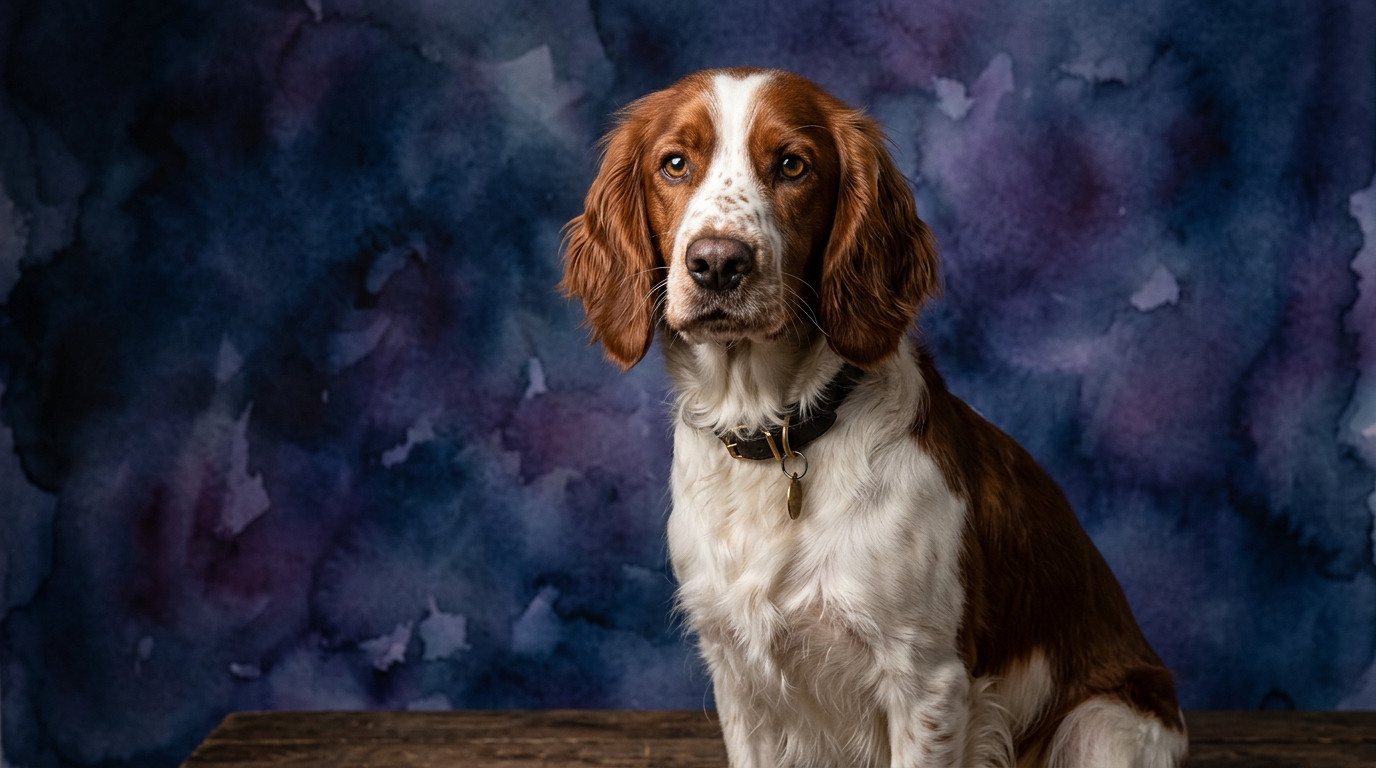
The Cosmic Pet Pet IQ Lab employs a five-dimensional framework to assess canine intelligence, offering a nuanced view beyond simple obedience. For the Welsh Springer Spaniel, a Sporting group member with a Coren rank of #31, its profile reveals robust cognitive capabilities: Problem Solving at 4/5, Training Speed at 4/5, Social Intelligence at 3/5, Instinctive Drive at 3/5, and Memory at 4/5. This suggests a breed adept at navigating complex tasks and retaining learned behaviors.
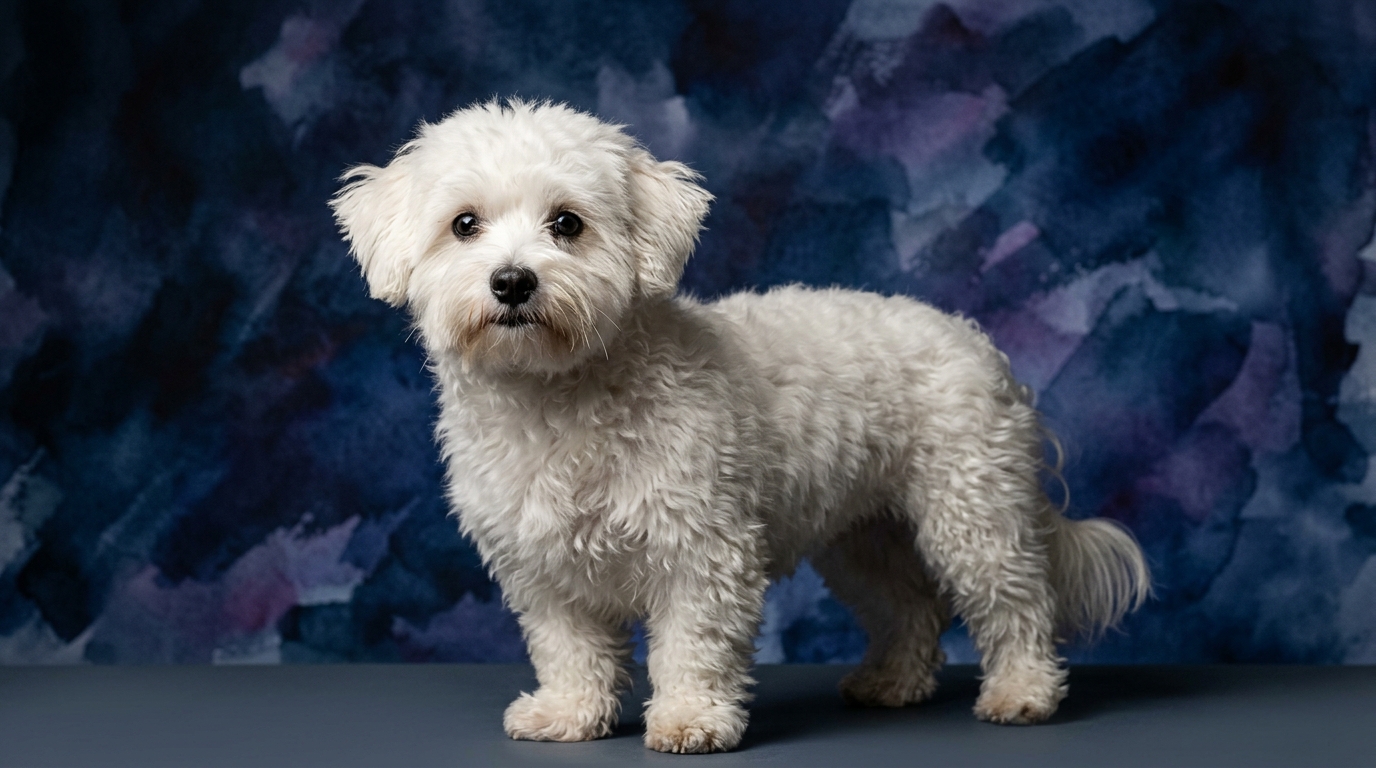
In contrast, the Coton de Tuléar, a Non-Sporting breed not listed on Coren's ranking, presents a more moderate, yet equally fitting, cognitive blueprint for its companion role. Its scores are consistent across the board: Problem Solving 3/5, Training Speed 3/5, Social Intelligence 3/5, Instinctive Drive 3/5, and Memory 3/5. These metrics indicate a capable learner and adaptable family member, though perhaps less inclined towards independent, intricate problem-solving or rapid acquisition of highly specialized commands.
Where the Welsh Springer Spaniel Excels Cognitively
The Welsh Springer Spaniel demonstrates a clear cognitive advantage in areas demanding sequential thought and retention. With a Problem Solving score of 4/5, these dogs are proficient at figuring out multi-step challenges, such as navigating complex agility courses or discerning the mechanism of a puzzle toy to extract a treat. Their higher score indicates a greater capacity for independent thought when faced with novel situations, often leading them to experiment with solutions rather than immediately seeking human guidance.
Furthermore, the Welsh Springer Spaniel’s Memory score of 4/5 means they consolidate learning more effectively and recall commands and past experiences with remarkable accuracy, even after periods of inactivity. This superior recall extends beyond basic obedience to complex scent discrimination tasks or retrieving specific items. Coupled with a Training Speed of 4/5, they require fewer repetitions to grasp new concepts and integrate them into their behavioral repertoire, making them particularly responsive to consistent, engaging training methods that tap into their innate desire to work.
Cognitive Strengths of the Coton de Tuléar
While the Coton de Tuléar’s individual IQ scores don't numerically exceed those of the Welsh Springer Spaniel, its cognitive profile is perfectly attuned to its primary role as a devoted companion, showcasing strengths in different, equally valuable contexts. Its Problem Solving score of 3/5 manifests as a cleverness often directed towards social manipulation, such as figuring out how to gain maximum human attention or comfort, rather than solving complex physical puzzles designed for working breeds. They might learn to 'talk' to their owners or strategically position themselves for lap time.
The Coton de Tuléar’s consistent 3/5 across all metrics, particularly its Social Intelligence, allows it to thrive in a domestic setting by being highly observant of family dynamics and emotional cues, making it an empathetic and responsive presence. Its moderate Instinctive Drive means it is less prone to distraction by external stimuli like prey or distant scents, allowing it to remain more focused on the immediate human interaction. This specific cognitive balance fosters a profound bond and adaptability to various home environments, requiring less intense mental 'work' and more emphasis on affectionate interaction.
Training Dynamics: Which Breed is Easier to Shape?
When it comes to ease of training, the Welsh Springer Spaniel generally presents a more straightforward path for owners seeking rapid skill acquisition and advanced obedience. Their Training Speed of 4/5 means they are quick to understand and execute new commands, often responding enthusiastically to positive reinforcement. This aptitude stems from their sporting heritage, where a willingness to work collaboratively and follow direction was paramount. They thrive on structured training sessions that challenge their Problem Solving (4/5) and Memory (4/5), making them ideal candidates for dog sports like agility, competitive obedience, or field work. However, their moderate Instinctive Drive (3/5) does mean they can occasionally be distracted by interesting scents or sights if not consistently engaged.
The Coton de Tuléar, with a Training Speed of 3/5, learns at a steady, moderate pace and responds best to patient, positive reinforcement methods. While they are certainly capable of learning a wide array of commands and tricks, their motivation is often more rooted in pleasing their beloved family members rather than an inherent drive for 'work.' Real behavioral differences emerge in their focus: a Coton might be more prone to 'selective hearing' if a training session feels monotonous or if they're more interested in cuddling. Owners will find success by keeping sessions short, fun, and varied, leveraging their Social Intelligence (3/5) to build a strong, trusting relationship that underpins their learning.
Matching Canine Cognition to Owner Lifestyles
The cognitive profiles of these two breeds offer distinct matches for varying owner lifestyles. For active owners who enjoy structured activities and outdoor adventures, the Welsh Springer Spaniel is an excellent fit. Their Problem Solving (4/5) and Training Speed (4/5) mean they excel in dog sports, hiking, and retrieving games, requiring consistent mental and physical engagement to thrive. An owner who values a partner for long walks, engaging training classes, and even scent work will find the Welsh Springer Spaniel’s eager intelligence and moderate Instinctive Drive (3/5) incredibly rewarding, ensuring a well-exercised and mentally stimulated companion.
Conversely, the Coton de Tuléar’s cognitive makeup aligns beautifully with more relaxed owners who prioritize companionship and indoor activities. While they do require daily walks and playtime, their moderate scores across all IQ dimensions indicate they are content with less intense, more companion-focused engagement. Owners who prefer cozy evenings, short neighborhood strolls, and interactive indoor games will appreciate the Coton’s adaptability. Their Social Intelligence (3/5) makes them highly attuned family members who thrive on close human interaction, making them suitable for individuals or families seeking an affectionate presence without the demanding 'work ethic' of a sporting breed.
The Verdict: When to Choose Each Companion
Choosing between a Welsh Springer Spaniel and a Coton de Tuléar hinges on an owner’s lifestyle, training aspirations, and desired level of canine engagement. Both breeds offer unique joys, but their cognitive strengths guide them towards different ideal homes.
The Verdict
For those seeking an engaged, trainable partner for dog sports, outdoor adventures, or advanced obedience, the Welsh Springer Spaniel's quicker learning and robust memory make it an excellent choice. Its drive for purposeful activity aligns with an owner prepared to provide consistent mental and physical challenges.
The Coton de Tuléar is ideal for individuals or families desiring a devoted, adaptable companion who thrives on close human interaction and a more relaxed daily routine. Its gentle nature and moderate cognitive demands suit an owner looking for an affectionate presence rather than a working partner.
🧠 Find Your Pet's IQ Score
Our Pet IQ Lab assessment covers 25+ tests across 5 cognitive dimensions — personalized to your breed.
Take the Full IQ Test →Frequently Asked Questions
Are Welsh Springer Spaniels good at agility?
Yes, their Problem Solving (4/5), Training Speed (4/5), and Memory (4/5) make Welsh Springer Spaniels adept at learning complex sequences and navigating obstacles quickly. They enjoy the challenge and physical exertion inherent in agility sports, often excelling with consistent training.
Do Coton de Tuléars get bored easily?
Coton de Tuléars, with a Problem Solving and Memory score of 3/5, appreciate mental engagement but typically don't require the intense, structured 'work' of some breeds. They are content with varied play, short training sessions, and interactive toys, thriving on companionship to prevent boredom rather than needing constant, complex tasks.
How does Coren ranking relate to these breeds?
The Welsh Springer Spaniel's Coren rank of #31 places it among breeds that demonstrate good working and obedience intelligence, indicating a strong capacity for understanding and executing commands. The Coton de Tuléar is not Coren-ranked, which doesn't indicate a lack of intelligence, but rather that its primary aptitudes lie outside of traditional working and obedience contexts, focusing more on companionability and social interaction within a family.