Side-by-Side Cognitive Profiles
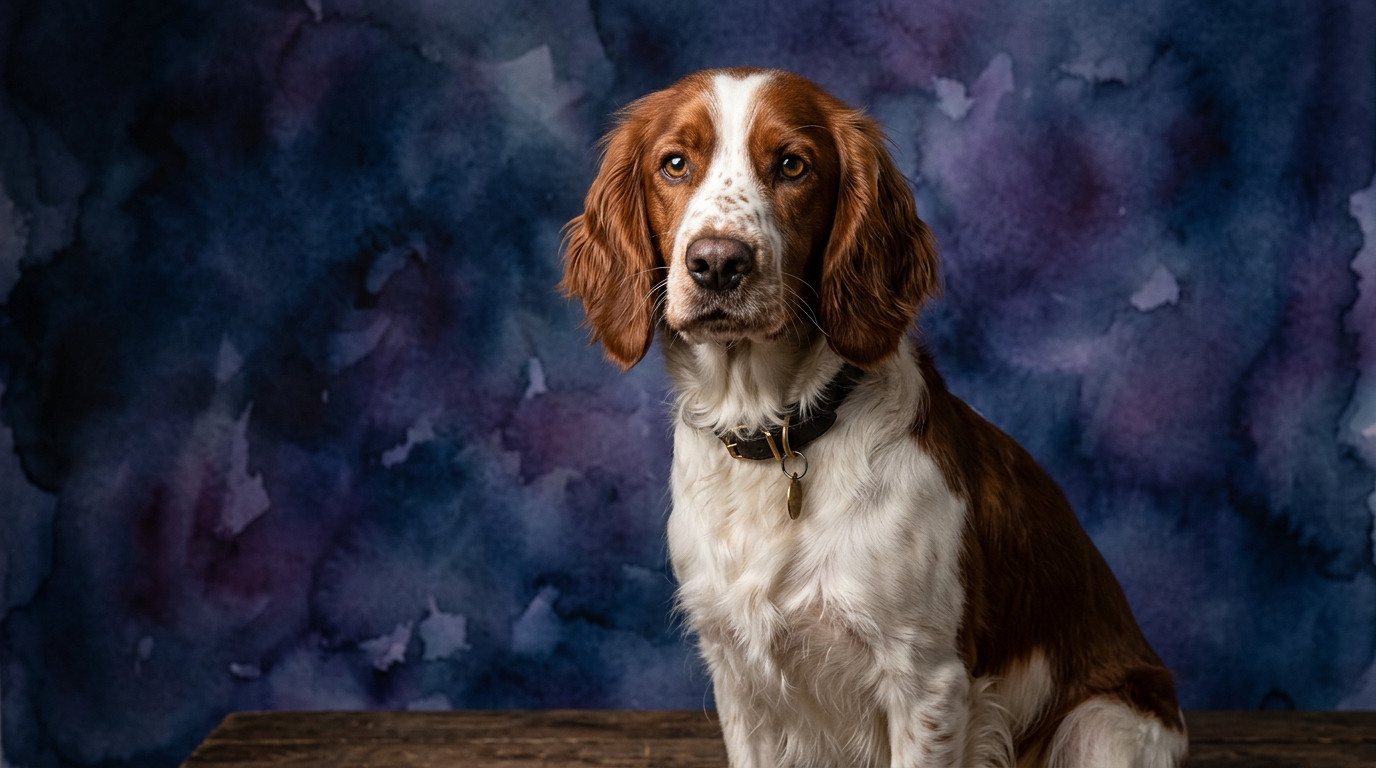
The Cosmic Pet Pet IQ Lab assesses canine intelligence across five crucial dimensions, offering a nuanced view beyond simplistic labels. For the Welsh Springer Spaniel, a Sporting Group member Coren-ranked at #31, we see a profile geared for dynamic engagement: Problem Solving 4/5, Training Speed 4/5, Social Intelligence 3/5, Instinctive Drive 3/5, and Memory 4/5. This suggests a dog adept at navigating complex tasks and retaining information, reflecting its working heritage. Their problem-solving acumen allows them to strategize in varied environments, while their training speed indicates a quick grasp of new commands and routines, crucial for field work. Their social intelligence, while moderate, is sufficient for cooperative tasks, and their memory is robust for complex sequences.
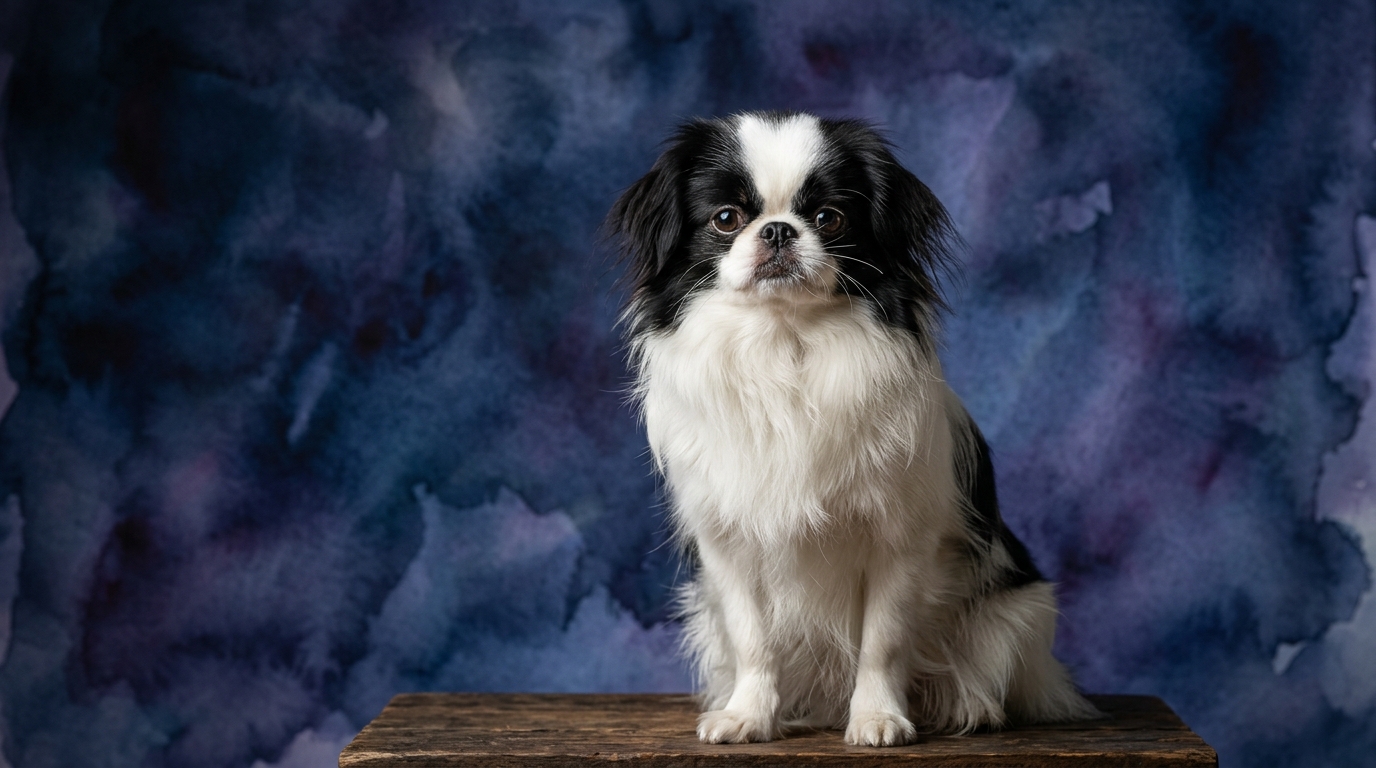
In contrast, the Japanese Chin, a Toy Group breed not listed on the Coren ranking, presents a profile more attuned to companionship: Problem Solving 3/5, Training Speed 3/5, Social Intelligence 3/5, Instinctive Drive 3/5, and Memory 3/5. This balanced yet slightly lower scoring across the board doesn't imply a lack of cognitive capacity, but rather a different focus. Their problem-solving often manifests in navigating domestic settings or charming their owners, rather than independent outdoor challenges. Training is steady, not lightning-fast, and their social intelligence is profoundly expressed in their sensitivity to human emotions. Their instinctive drive is primarily for companionship, and their memory is reliable for routines and familiar faces.
Where the Welsh Springer Spaniel Excels Cognitively
The Welsh Springer Spaniel truly shines in cognitive areas demanding active engagement with the environment and sequential task execution. Their 4/5 problem-solving score reflects an inherent ability to strategize and adapt in varied terrains, whether flushing game or navigating agility courses. This breed demonstrates a keen aptitude for independent thought when faced with a challenge, often piecing together solutions rather than waiting for direct human instruction. Furthermore, their superior memory (4/5) allows them to retain intricate patterns, recall complex scent trails, or remember elaborate obedience routines with impressive fidelity, making them adept at tasks requiring sustained focus and multi-step recall. Their quick training speed (4/5) reinforces this, indicating a natural receptiveness to learning and applying complex commands rapidly.
Where the Japanese Chin Wins Cognitively
While the Japanese Chin's overall IQ profile might appear more modest compared to its working counterpart, its cognitive strengths lie in a different, equally valuable domain: nuanced social interaction and adaptability within a domestic setting. Their 3/5 social intelligence score, while numerically identical, manifests as a profound sensitivity to human emotions and subtle changes in household dynamics. This breed often anticipates an owner's needs or mood shifts, responding with comforting presence or playful antics, a cognitive skill refined for close companionship. Their problem-solving (3/5) often manifests in a different way – not in hunting, but in figuring out how to gain attention or manipulate their environment for comfort, such as discovering the warmest sunbeam or the softest lap. They excel at understanding the rhythms of a home, adjusting their behavior to fit the daily routine with a quiet grace.
Training Dynamics: Welsh Springer Spaniel vs. Japanese Chin
When assessing ease of training, the Welsh Springer Spaniel typically presents a more straightforward path for owners. With a training speed of 4/5, they exhibit an eagerness to learn and a natural aptitude for acquiring new commands and behaviors quickly. Their background as a working gundog means they are generally receptive to instruction and find satisfaction in completing tasks alongside their handler. They possess a strong desire to cooperate and often enjoy the mental stimulation that training provides, making them responsive to positive reinforcement methods and capable of mastering complex sequences with relative ease. Their focus tends to be task-oriented, which translates into fewer distractions during training sessions.
The Japanese Chin, with a training speed of 3/5, can be a different experience. While certainly trainable, they might not approach learning with the same enthusiastic zeal for 'work' as a spaniel. Their motivation often stems from a desire for companionship and comfort, rather than a drive to perform specific duties. Owners may find success by keeping training sessions short, engaging, and focused on positive reinforcement, especially with treats and praise. They can be sensitive and may shut down if training becomes too harsh or repetitive. Their independent streak means they might occasionally choose to ignore a command if they don't perceive an immediate benefit or if something more interesting captures their attention, requiring patience and a consistent, gentle approach from their owner.
Matching Cognitive Profiles to Lifestyles
For individuals who embrace an active lifestyle, the Welsh Springer Spaniel emerges as an ideal companion. Their sporting heritage dictates a need for considerable physical exercise and mental engagement. These dogs thrive on long walks, challenging hikes, agility sports, or field work, where their problem-solving and instinctive drive can be fully utilized. An owner who enjoys outdoor adventures and is committed to providing consistent stimulation will find a Welsh Springer Spaniel to be an enthusiastic and tireless partner, whose cognitive strengths are best showcased in dynamic environments. Their desire to learn and perform makes them excellent candidates for advanced obedience or canine sports.
Conversely, the Japanese Chin is remarkably well-suited for more relaxed owners or those living in smaller spaces. While they enjoy short walks and playtime, their exercise requirements are modest. Their cognitive profile, particularly their strong social intelligence, is geared towards thriving in a home environment as a cherished companion. They are content to observe and participate in the quieter rhythms of daily life, finding joy in lap-sitting, gentle play, and close human interaction. For owners seeking a dog whose primary role is to offer affectionate companionship and who appreciate a more serene presence, the Japanese Chin provides a delightful match, offering subtle social engagement without demanding strenuous activity.
The Verdict
Choose the Welsh Springer Spaniel if you lead an active lifestyle, enjoy engaging in structured training and canine sports, and seek a robust, task-oriented companion eager to participate in outdoor adventures. Their cognitive strengths are best appreciated by owners who can provide consistent mental and physical challenges.
Opt for the Japanese Chin if you prefer a calmer domestic life, desire a deeply affectionate and socially attuned companion, and value a dog whose intelligence manifests through subtle interaction and quiet presence within the home.
🧠 Find Your Pet's IQ Score
Our Pet IQ Lab assessment covers 25+ tests across 5 cognitive dimensions — personalized to your breed.
Take the Full IQ Test →Frequently Asked Questions
Is the Welsh Springer Spaniel good with children?
Welsh Springers are generally good with children, often displaying a patient and playful demeanor. Their energetic nature means they can be great playmates, but supervision is always recommended, especially with very young children, due to their size and enthusiasm.
Do Japanese Chins bark a lot?
Japanese Chins are not typically known as excessive barkers; they tend to be quieter companions. They might bark to alert you to visitors or express excitement, but generally, their vocalizations are moderate and often include unique 'Chin noises' like chattering or purring.
Which breed is more independent?
The Welsh Springer Spaniel, while deeply bonded, exhibits a degree of independence in problem-solving and working, reflecting its hunting background. The Japanese Chin, conversely, is bred for close companionship and tends to be more dependent on human presence and attention, preferring to be near its owner.