Side-by-Side Pet IQ Lab Profile
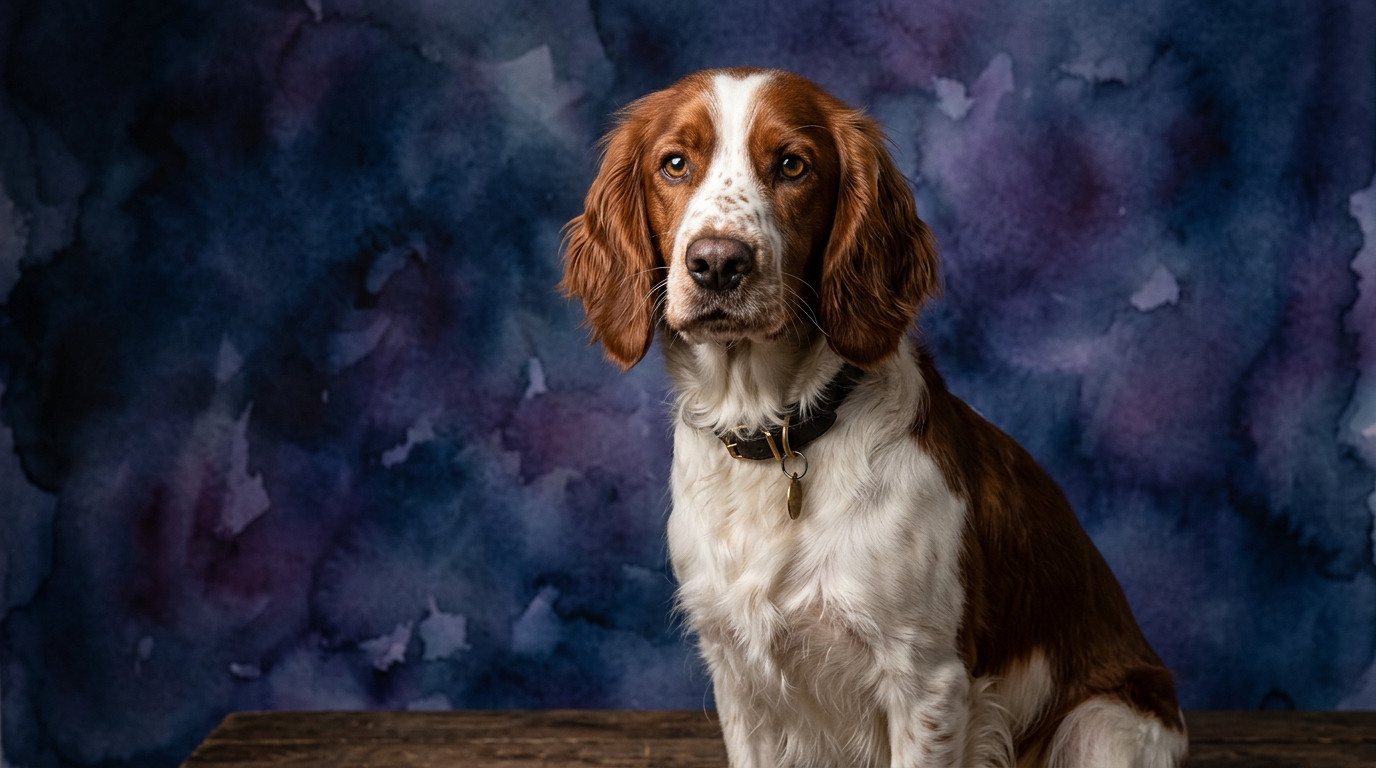
The Pet IQ Lab framework offers a granular view of canine cognition across five crucial dimensions, allowing us to pinpoint specific strengths and areas for engagement. For the Welsh Springer Spaniel, a Sporting Group member, its profile reveals a Problem Solving score of 4/5, indicating a strong capacity to navigate and resolve challenges, often related to their historical role in flushing and retrieving game. Their Training Speed also stands at 4/5, reflecting an eagerness to learn and a quick grasp of new commands, a trait essential for working alongside handlers. Social Intelligence is rated 3/5, suggesting a good understanding of human cues and family dynamics, while their Instinctive Drive, also 3/5, points to a moderate but present urge to pursue and work. Finally, their Memory score of 4/5 demonstrates a solid ability to retain learned behaviors and routines over time.
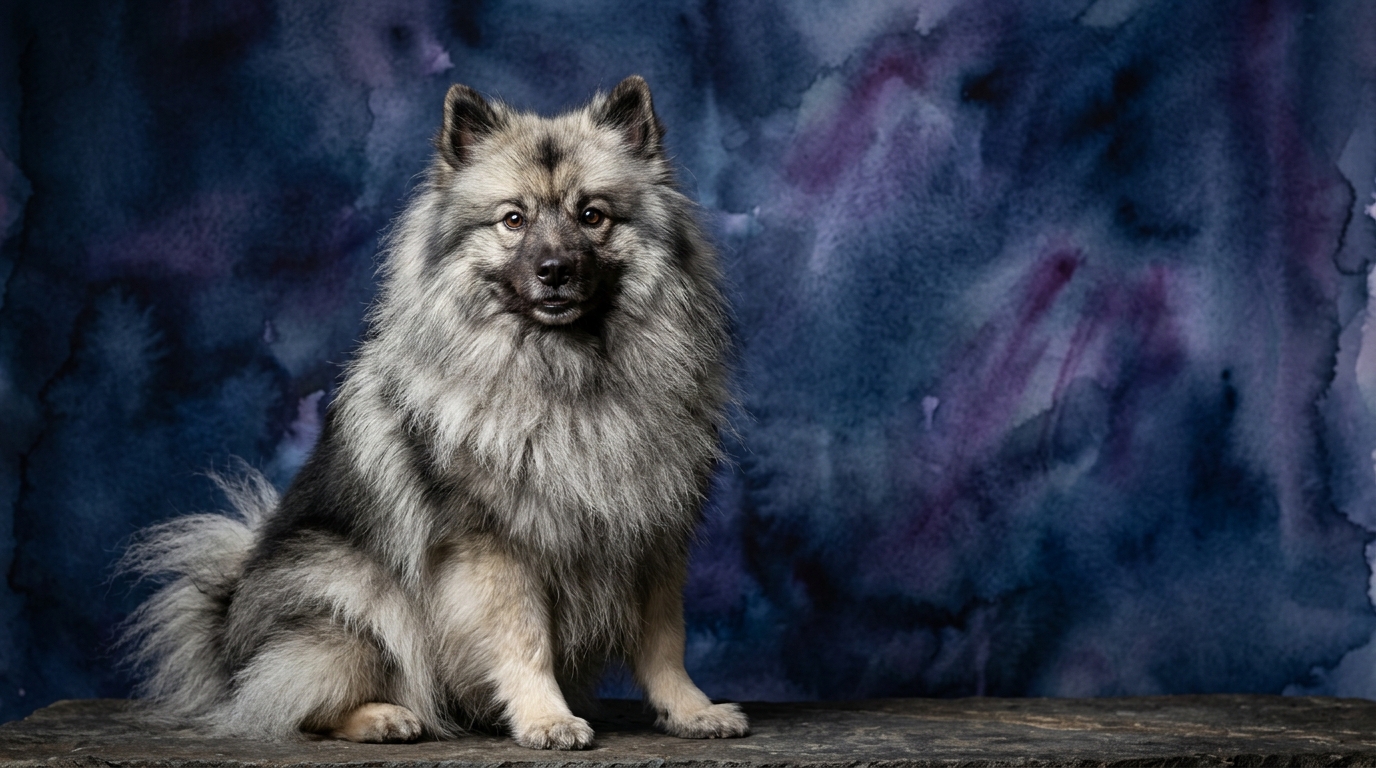
In contrast, the Keeshond, hailing from the Non-Sporting Group, presents a remarkably similar cognitive blueprint with one significant divergence. Its Problem Solving ability is likewise 4/5, indicating an adeptness at figuring out situations, often in the context of their historical role as watchdogs and companions. The Keeshond's Training Speed matches the Welsh Springer Spaniel at 4/5, signifying a comparable aptitude for acquiring new skills and responding to consistent instruction. Social Intelligence is also 3/5, suggesting a capacity to bond deeply with their inner circle and interpret their family's moods. Their Instinctive Drive, at 3/5, manifests more as an alert nature and a desire to observe rather than a strong prey drive. The standout difference lies in the Keeshond's Memory, which achieves a perfect 5/5, suggesting an exceptional capacity for recall and retention of experiences, training, and environmental details.
Where the Welsh Springer Spaniel Wins Cognitively
While their numerical IQ scores appear very close, the Welsh Springer Spaniel’s cognitive strengths are distinctly colored by its sporting heritage. The 4/5 in Problem Solving for the Welsh Springer often translates into an intuitive understanding of physical tasks and environmental navigation. For instance, they excel at figuring out how to retrieve a toy from a complex obstacle or how to follow a scent trail efficiently. This breed's problem-solving is less about abstract thought and more about practical application in a dynamic, often outdoor setting, making them adept at tasks requiring physical dexterity and situational awareness.
Furthermore, the Welsh Springer Spaniel’s 3/5 Instinctive Drive, paired with its 4/5 Training Speed, means they possess a natural inclination to engage in activities that mimic their ancestral duties, like fetching or exploring. This drive, while moderate, provides a powerful internal motivator that can be channeled into training or canine sports. Their cognitive profile makes them particularly receptive to learning tasks that involve movement, scent work, and collaboration in an active context, often demonstrating a joyful focus when presented with such opportunities.
Where the Keeshond Wins Cognitively
The Keeshond's cognitive edge is most apparent in its superior Memory score of 5/5, a full point above the Welsh Springer Spaniel. This exceptional memory translates into remarkable retention of training cues, routines, and past experiences. A Keeshond will remember a command given months ago with greater precision and consistency, and will quickly recall the layout of a familiar park or the schedule of its family's day. This strong memory makes them highly dependable in established routines and exceptional at long-term retention of complex sequences of commands.
Beyond memory, the Keeshond’s 4/5 Problem Solving ability often manifests in a different, more observational way than the Welsh Springer. With their background as watchdogs and companions on barges, Keeshonds developed an astute capacity to notice changes in their environment and to understand the nuances of their human family's behavior. Their problem-solving might involve figuring out how to alert their owners to a perceived anomaly or how to subtly manipulate a situation to get attention, demonstrating a keen awareness of their surroundings and social dynamics within the home. Their intelligence is often expressed through their watchful nature and their ability to 'read the room'.
Which is Easier to Train and Why
Both the Welsh Springer Spaniel and the Keeshond share an impressive Training Speed of 4/5, suggesting that neither will present significant challenges in learning new commands. Both breeds are responsive and generally eager to please their human companions, making initial training sessions productive and rewarding. The Welsh Springer Spaniel's sporting background often imbues it with a strong desire to work alongside its handler, readily accepting guidance during training for tasks that involve movement, fetching, or scent work. Their enthusiasm can sometimes translate into a need for focused, engaging sessions to manage their energy.
However, the Keeshond's perfect 5/5 Memory score gives it a distinct advantage in terms of long-term training retention and consistency. While a Welsh Springer Spaniel will learn quickly, a Keeshond is more likely to remember and execute commands flawlessly over extended periods, requiring less frequent 'refreshers' for established behaviors. This superior memory can make proofing commands in varied environments or teaching intricate sequences more straightforward for the Keeshond. Owners might find the Keeshond requires less reinforcement over time to maintain a high level of obedience, making them exceptionally reliable once a behavior is mastered.
Which Suits Active Owners vs. Relaxed Owners
For active owners seeking a canine partner for outdoor adventures and structured activities, the Welsh Springer Spaniel is an excellent match. Its Sporting Group classification and 3/5 Instinctive Drive mean it thrives on physical and mental engagement that aligns with its heritage. These dogs need regular, vigorous exercise, whether it's long hikes, retrieving games, or participation in dog sports like agility or flyball. Their problem-solving skills are best honed through activities that allow them to use their senses and bodies in concert, making them ideal companions for individuals or families who embrace an active, outdoors-oriented lifestyle and can provide consistent outlets for their energy and working drive.
The Keeshond, while not a sedentary breed, generally suits owners with a more relaxed yet mentally engaging lifestyle. Its 3/5 Instinctive Drive is more focused on observation and companionship than intense physical exertion. While they enjoy walks and playtime, a Keeshond is often content with moderate daily exercise complemented by significant mental stimulation. Their exceptional memory and problem-solving abilities thrive on routines, puzzle toys, and consistent social interaction within the family. They are well-suited for owners who appreciate a watchful, interactive companion that enjoys being an integral part of home life, requiring less strenuous physical activity but plenty of intellectual engagement and affectionate companionship.
The Verdict
Choose the Welsh Springer Spaniel if you are an active individual or family seeking a spirited, enthusiastic companion for outdoor adventures and engaging canine sports, appreciating a dog whose cognitive strengths align with a joyful, working drive.
Opt for the Keeshond if you desire a highly observant, deeply companionable dog with an exceptional memory, thriving on routine and intellectual engagement within a family setting, offering steadfast loyalty and remarkable retention of training.
🧠 Find Your Pet's IQ Score
Our Pet IQ Lab assessment covers 25+ tests across 5 cognitive dimensions — personalized to your breed.
Take the Full IQ Test →Frequently Asked Questions
Do Welsh Springer Spaniels bark a lot?
Welsh Springer Spaniels can be quite vocal, especially when excited, alerting to new arrivals, or during play. Their sporting background means they are often alert to their surroundings, and their enthusiasm can translate into expressive barks, requiring consistent training to manage.
Are Keeshonds good with children?
Keeshonds are generally known for being good with children, often displaying a patient and watchful demeanor. Their social intelligence allows them to integrate well into family dynamics, though supervision is always recommended with young children to ensure respectful interactions from both sides.
How much exercise do these breeds need?
The Welsh Springer Spaniel requires substantial daily exercise, typically an hour or more of vigorous activity to satisfy its sporting drive. The Keeshond, while enjoying activity, needs moderate exercise, usually 30-60 minutes of walking or playtime, complemented by mental enrichment to stay content.