Side-by-Side Cognitive Profiles
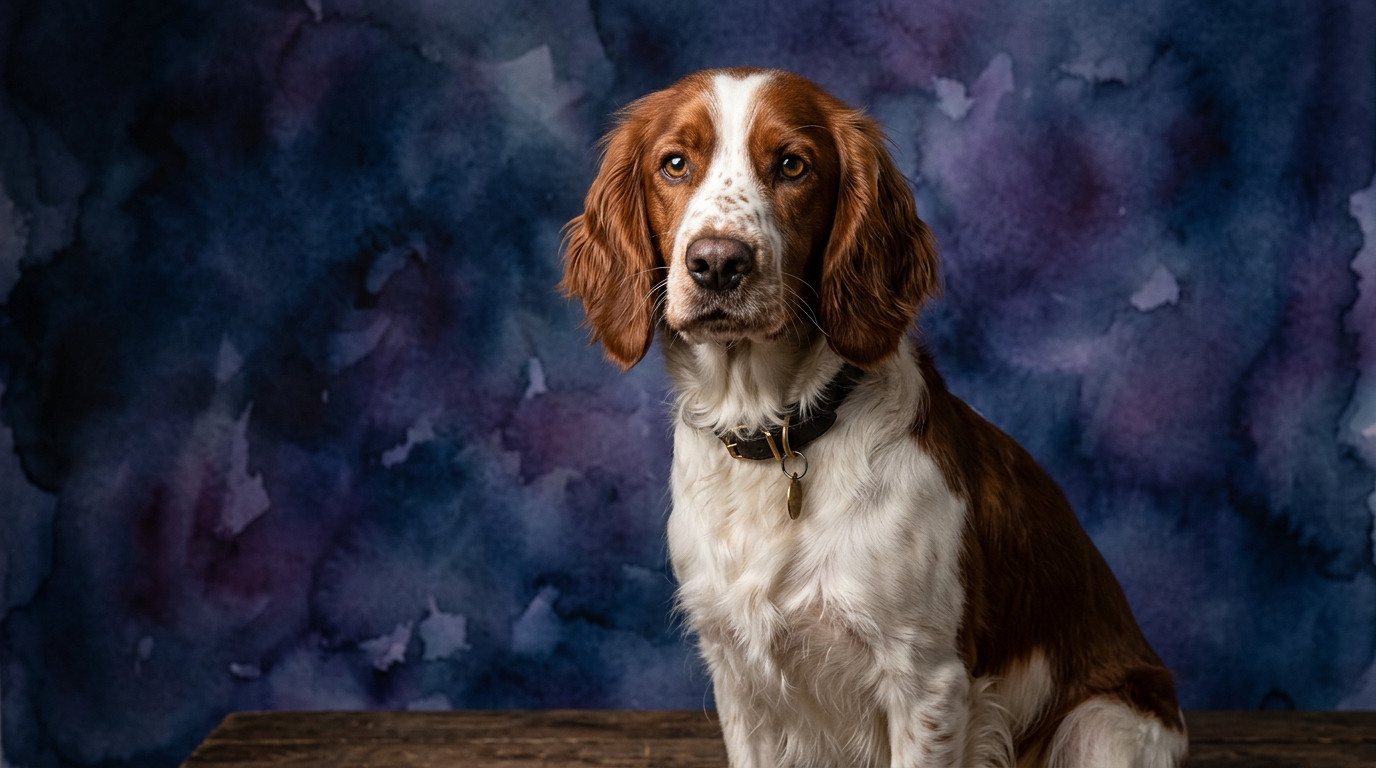
The Pet IQ Lab assesses canine cognitive abilities across five key dimensions, providing a nuanced understanding beyond simple obedience. For the Welsh Springer Spaniel, a breed with a notable Coren rank of #31, their profile showcases a strong aptitude for learning and adaptability. Their Problem Solving is rated at 4/5, indicating a robust capacity for independent thought and navigating new situations. Training Speed also scores 4/5, reflecting their eagerness to absorb new commands and routines efficiently. Social Intelligence is 3/5, suggesting a balanced ability to interact and understand cues from both humans and other animals. Their Instinctive Drive, at 3/5, is geared towards traditional spaniel tasks like flushing and retrieving, while their Memory, at 4/5, ensures they retain learned behaviors and information over time.
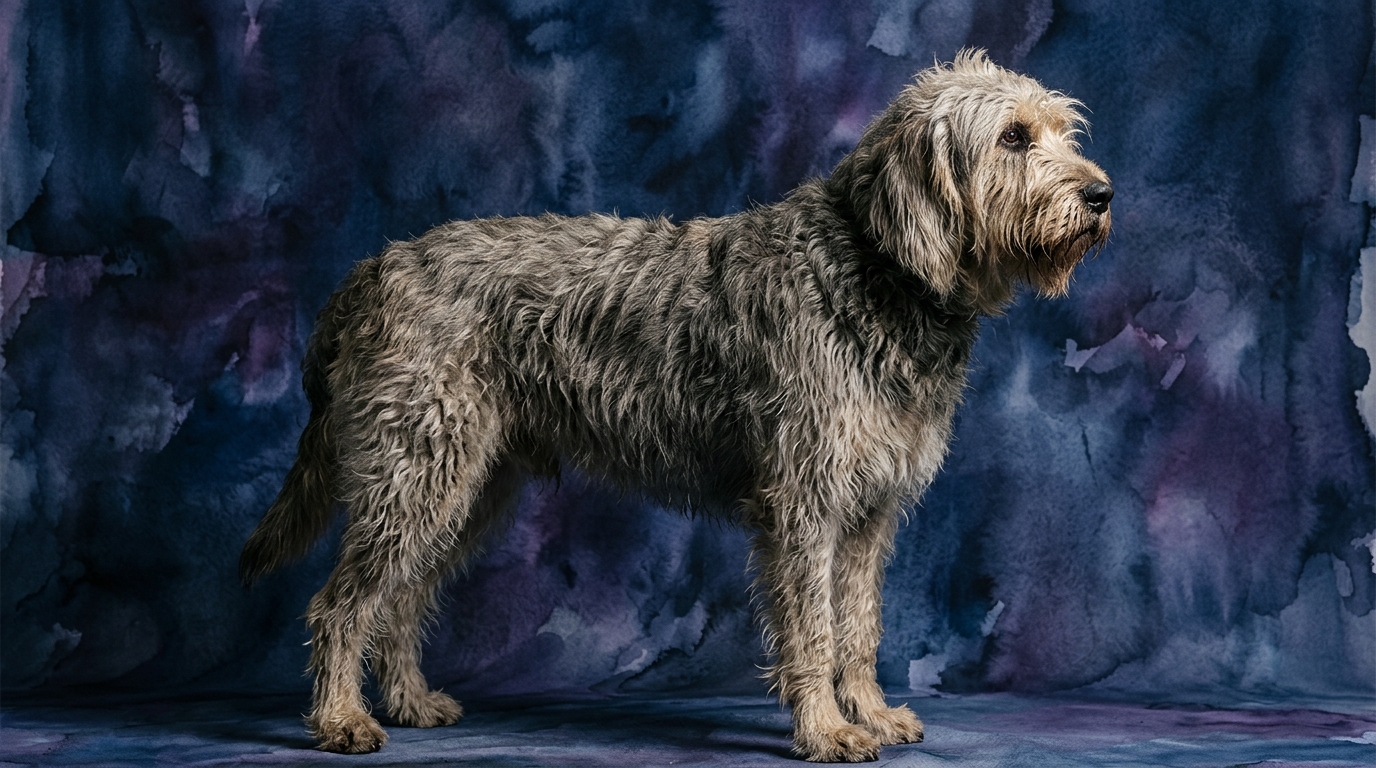
In contrast, the Otterhound, a breed not appearing on the Coren ranking, presents a profile rooted in its specialized heritage. Their Problem Solving is rated 3/5; while capable, they often approach challenges with a methodical, scent-driven focus rather than rapid conceptualization. Training Speed also sits at 3/5, indicating a steady learning pace that benefits from consistent and patient instruction, often influenced by their independent nature. Social Intelligence is 3/5, reflecting a generally amiable disposition and capacity for family bonding. Their Instinctive Drive, also 3/5, is profoundly concentrated on tracking and scent work, a cornerstone of their breed purpose. Finally, their Memory score is 3/5, meaning they retain information adequately, particularly when it pertains to their instinctive drives or established routines.
Where the Welsh Springer Spaniel Wins Cognitively
The Welsh Springer Spaniel consistently demonstrates a cognitive edge in areas requiring quick comprehension, responsiveness to human direction, and sustained recall for varied tasks. Their 4/5 Problem Solving score means they are more likely to independently figure out puzzle toys, navigate complex environments, or adapt to novel training scenarios with minimal frustration. This cognitive flexibility allows them to excel in diverse learning contexts.
Furthermore, the Welsh Springer Spaniel's superior Training Speed (4/5) and Memory (4/5) are significant advantages. They typically grasp new commands and sequences of actions with greater efficiency, requiring fewer repetitions to master a skill. Their strong memory ensures that once a behavior is learned, it is retained for longer periods, making them reliable partners in activities like obedience trials, agility courses, or field work where precision and consistent performance are paramount. Their Coren ranking further supports their general aptitude for working intelligence and obedience.
Where the Otterhound Wins Cognitively
While the Otterhound's general intelligence scores may appear lower, their cognitive strengths are deeply specialized and highly effective within their intended domain. Their true cognitive prowess lies in their unparalleled ability for scent discrimination and tracking. This isn't just a physical attribute; it's a sophisticated cognitive process involving complex sensory processing, pattern recognition, and sustained focus.
An Otterhound's ability to follow a cold trail for extended periods, filtering out countless environmental distractions and maintaining single-minded dedication, showcases a unique form of problem-solving and memory specific to olfaction. This requires a profound cognitive endurance and an advanced 'scent memory' that allows them to differentiate, remember, and pursue specific odor profiles. Their methodical, persistent approach to tracking, driven by an inherent instinctive drive, represents a distinct cognitive advantage in tasks demanding specialized sensory intelligence and unwavering determination.
Training Ease: Responsiveness vs. Independence
When it comes to ease of training, the Welsh Springer Spaniel generally presents a more straightforward experience due to their higher Training Speed (4/5) and Problem Solving (4/5). They are bred to work cooperatively with handlers, often displaying an eagerness to please and a quick understanding of human cues. Their moderate instinctive drive means their energy can be more readily channeled into structured obedience and learning new commands, making them responsive to positive reinforcement methods and consistent routines.
The Otterhound, with a Training Speed of 3/5 and Problem Solving of 3/5, typically requires a more patient and creative training approach. Their independent hound nature, coupled with a powerful instinctive drive for scent, means they can sometimes appear less focused on human directives when a compelling scent is present. Training an Otterhound often involves making learning feel like a game or a hunt, leveraging their natural inclinations rather than working against them. Consistency, short engaging sessions, and understanding their unique motivations are key to successful training, as their history involved working autonomously, often out of sight of their human companions.
Suitability for Active vs. Relaxed Owners
Both breeds require active owners, but the nature of that activity differs significantly. The Welsh Springer Spaniel thrives with owners who can provide regular, varied physical exercise and mental stimulation. Their cognitive profile, particularly their problem-solving and training speed, makes them excellent candidates for canine sports like agility, obedience, rally, and field work. They enjoy being active participants in family life and benefit from engaging activities that challenge both their bodies and minds, making them suitable for owners who enjoy an interactive and dynamic lifestyle.
The Otterhound also needs significant daily exercise, but it’s often characterized by endurance and opportunities to engage their powerful nose. Long, meandering walks where they can explore scents at their own pace are crucial for their well-being. While they possess endurance, they are not typically 'go-go-go' like some Sporting breeds; instead, they require sustained, purposeful activity that satisfies their instinctive drive for tracking. A 'relaxed' owner who cannot commit to extensive outdoor exploration and scent work will likely find an Otterhound restless and potentially destructive, as their cognitive needs for olfactory stimulation are paramount.
The Verdict
Choose the Welsh Springer Spaniel if you desire a cooperative, responsive companion that learns quickly, excels in diverse canine activities, and readily engages in structured training and family life.
Choose the Otterhound if you appreciate a unique, independent breed with a profound connection to scent work, are prepared for a patient, creative approach to training, and can provide ample opportunities for extensive, exploratory walks or tracking activities.
🧠 Find Your Pet's IQ Score
Our Pet IQ Lab assessment covers 25+ tests across 5 cognitive dimensions — personalized to your breed.
Take the Full IQ Test →Frequently Asked Questions
Are Welsh Springer Spaniels good at dog sports?
Absolutely. With a problem-solving score of 4/5 and training speed of 4/5, Welsh Springer Spaniels often excel in activities like agility, obedience, rally, and field trials. Their eagerness to learn and retrieve makes them versatile competitors.
How much exercise does an Otterhound need?
Otterhounds require substantial daily exercise, ideally including long walks or opportunities to engage their powerful sense of smell in a secure area. While not always intensely fast, their endurance means they need sustained activity to be content and prevent boredom.
Can an Otterhound live in an apartment?
While possible with a dedicated owner, an Otterhound's size, need for exercise, and strong voice (a booming bark) make apartment living challenging. They thrive best in homes with a secure yard and owners committed to providing extensive outdoor activity and mental stimulation.