Side-by-Side Cognitive Profiles: Welsh Springer Spaniel vs. Petit Basset Griffon Vendéen
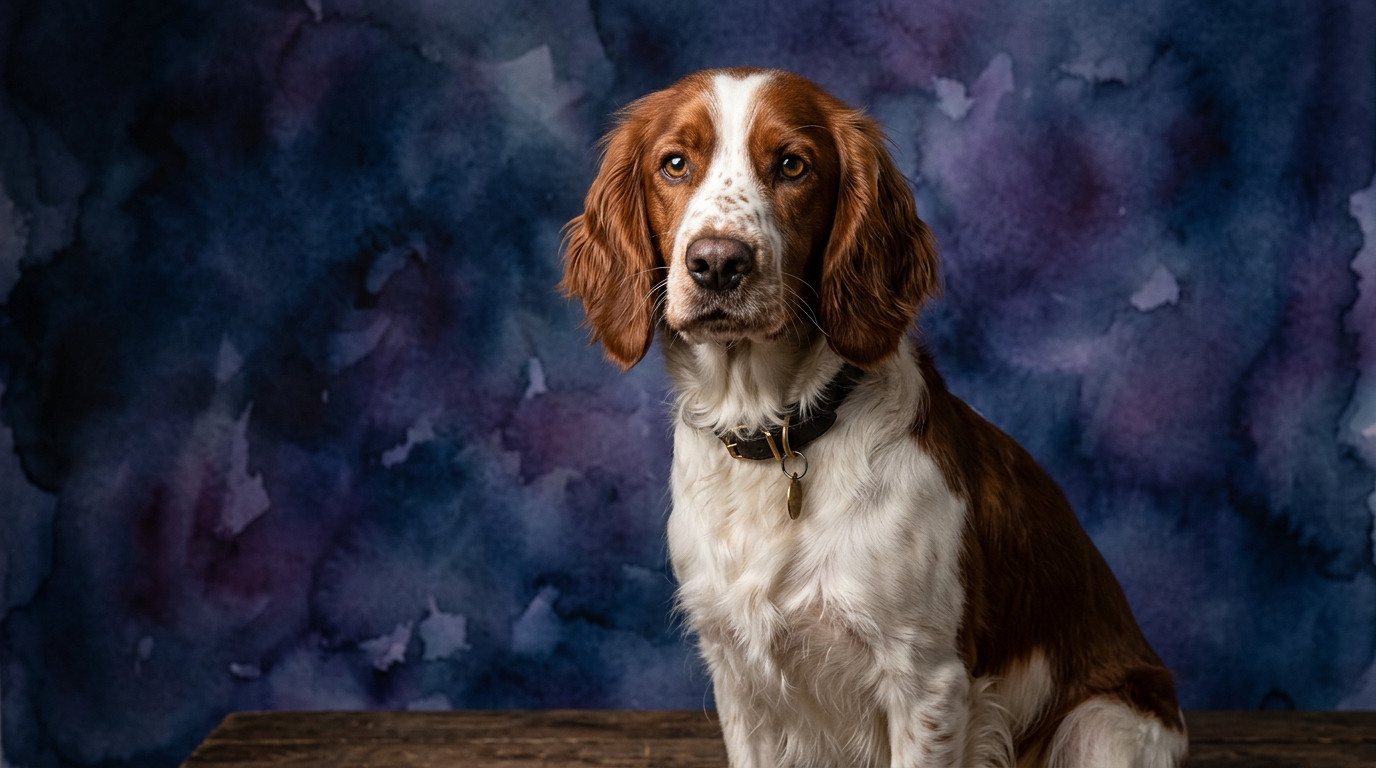
The Welsh Springer Spaniel, a member of the Sporting Group, holds a Coren rank of #31, indicating a position among breeds that excel in working obedience and adaptive intelligence. Their cognitive blueprint includes a Problem Solving score of 4/5, reflecting their capacity to navigate complex environments and situations encountered during field work. Training Speed is also rated at 4/5, demonstrating a quick uptake of new commands and routines, crucial for a cooperative hunting companion. Their Social Intelligence stands at 3/5, suggesting a balanced ability to interact with humans and other dogs, while Instinctive Drive is 3/5, channeled effectively into their retrieving and flushing roles. A strong Memory, rated at 4/5, supports their ability to recall learned tasks and locations.
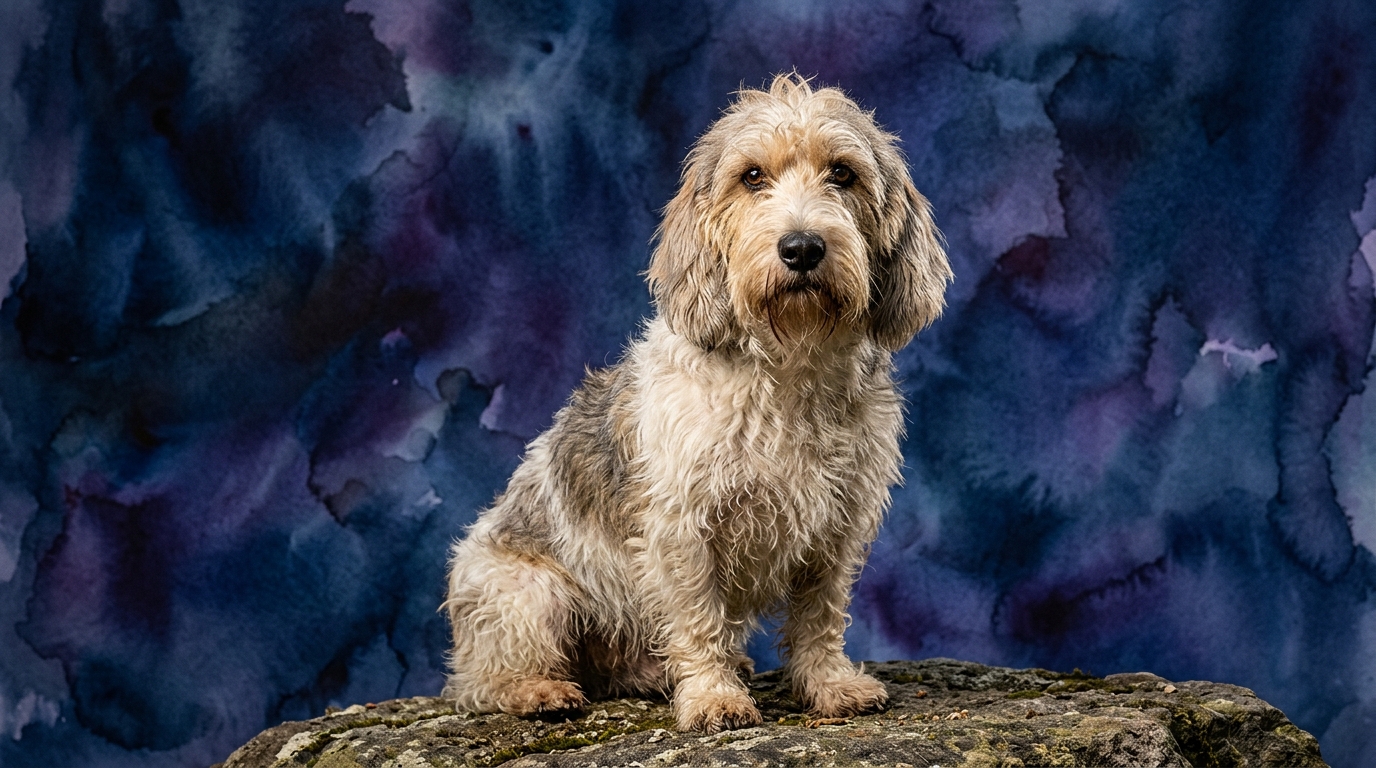
In contrast, the Petit Basset Griffon Vendéen (PBGV), a spirited member of the Hound Group, does not appear on Coren's ranking, a common occurrence for breeds whose primary intelligence lies outside standard obedience measures. The PBGV's cognitive profile shows a Problem Solving score of 3/5, indicating a more independent, perhaps slower, approach to novel challenges, often relying on sensory input. Their Training Speed is 3/5, suggesting they learn at a moderate pace, often influenced by their strong intrinsic motivations. Social Intelligence is also 3/5, reflecting their amiable pack nature, though not necessarily an intense focus on human direction. Their Instinctive Drive, rated at 3/5, is profoundly rooted in scent tracking, guiding much of their behavior and decision-making. Lastly, their Memory is 3/5, sufficient for their tasks but perhaps less focused on human-centric recall than the Welsh Springer.
Where the Welsh Springer Spaniel's Mind Shines Brighter
The Welsh Springer Spaniel's cognitive strengths distinctly emerge in areas demanding cooperative intellect and rapid learning. Their Problem Solving ability, rated 4/5, allows them to quickly assess and resolve practical challenges, such as navigating dense cover to retrieve a downed bird or figuring out how to open a puzzle toy. This isn't brute force; it's an adaptive intelligence that applies learned principles to new situations, demonstrating a flexible and efficient thought process in real-time scenarios. They excel at understanding cause-and-effect within their environment, leading to more consistent and predictable responses in interactive tasks.
Their superior Training Speed (4/5) is a direct consequence of this problem-solving capacity combined with a strong desire to engage with their handler. Welsh Springers form associations between commands and actions with remarkable efficiency, often requiring fewer repetitions to solidify a behavior. This speed isn't just about rote memorization; it's about discerning patterns in human communication and responding appropriately. Furthermore, their Memory, also rated 4/5, underpins these advantages. A Welsh Springer can recall complex sequences of commands, remember specific training scenarios, and even recollect the precise location of hidden objects or previously visited spots, which greatly aids in advanced training and field work. This robust recall makes them dependable partners in tasks requiring sustained focus and adherence to learned protocols.
Unpacking the Petit Basset Griffon Vendéen's Unique Cognitive Strengths
While the Petit Basset Griffon Vendéen's scores might appear lower in comparison, their cognitive framework represents a distinct, highly specialized form of intellect perfectly suited to their heritage as scent hounds. Their Problem Solving (3/5) is not less capable, but rather directed differently; it's a relentless, methodical process of unraveling complex scent trails, often ignoring human input in favor of olfactory clues. A PBGV will persist for hours on a faint trail, demonstrating a singular focus and determination that is a profound cognitive strength for their purpose. This isn't about quick, adaptive solutions to human-posed problems, but rather a dedicated, iterative process of sensory analysis.
Their Instinctive Drive (3/5), while numerically equivalent to the Welsh Springer, manifests as an all-consuming passion for scent work. This drive isn't easily redirected by conventional training methods but empowers them with an incredible stamina and focus when on a trail. For a PBGV, the world is primarily understood through their nose, and their cognitive resources are heavily invested in interpreting this rich sensory landscape. Their Social Intelligence (3/5) also reflects their hound background, fostering a generally amiable nature and an ability to get along with others, though their primary 'social' bond might be with the trail itself. This unique blend of cognitive traits means their intellect is optimized for independent exploration and sustained sensory investigation, rather than for strict, human-directed cooperation.
Training Dynamics: Who Learns Faster and Why
When it comes to formal training, the Welsh Springer Spaniel generally exhibits a faster and more eager learning curve. Their Training Speed of 4/5, coupled with a Problem Solving score of 4/5, means they pick up commands and routines with relative ease and enthusiasm. Bred to work in close partnership with hunters, they possess an inherent desire to please and respond to human direction. This cooperative spirit, combined with their strong memory, allows them to quickly understand what is expected and to reliably perform tasks for rewards, whether praise, treats, or a favorite toy. They thrive on consistency and positive reinforcement, making them responsive to diverse training methods and capable of excelling in competitive obedience or agility.
The Petit Basset Griffon Vendéen, with a Training Speed of 3/5 and Problem Solving of 3/5, presents a different training experience. Their profound Instinctive Drive (3/5) to follow a scent often overrides their inclination to respond to human commands, especially outdoors. A PBGV might perfectly understand a "recall" command but choose to prioritize an intriguing smell over returning to their owner, a behavior often misinterpreted as stubbornness rather than a deep-seated cognitive priority. Training a PBGV requires immense patience, creativity, and a willingness to make learning feel like an engaging game, often incorporating their love for scent work. They learn, but often at a slower pace and with a need for more repetition, demanding an owner who understands and respects their independent, scent-driven nature.
Lifestyle Compatibility: Active Explorers vs. Cooperative Companions
The Welsh Springer Spaniel is an ideal match for active owners who relish cooperative engagement and structured activities. Their cognitive profile, marked by high problem-solving, training speed, and memory, translates into a dog that thrives on mental and physical challenges involving their human partner. They excel in dog sports like agility, obedience, and retrieving games, where their quick thinking and eager participation are highly valued. These dogs require consistent exercise and a variety of mentally stimulating tasks to prevent boredom, making them suited for individuals or families who enjoy hiking, running, or participating in organized canine activities. They are at their happiest when their minds are actively engaged in shared endeavors.
Conversely, the Petit Basset Griffon Vendéen suits owners who appreciate an independent, curious, and often vocal companion, and who are prepared to accommodate their unique hound instincts. While certainly active, a PBGV's activity is often self-directed, driven by their powerful nose and an innate desire to explore. They need secure environments, such as fenced yards, to prevent them from wandering off on a captivating scent trail. Owners must be tolerant of their characteristic "baying" and understand that their focus can easily shift from human interaction to an olfactory adventure. They are not dogs that demand constant human-led tasks but rather opportunities for independent investigation, making them suitable for owners who value a dog's natural curiosity and are comfortable with a companion who marches to the beat of their own (scent) drum.
The Verdict
Opt for the Welsh Springer Spaniel if you seek a highly cooperative, eager-to-please companion for structured activities and quick learning. Their focused intellect thrives on shared tasks and consistent engagement, making them a rewarding partner for active, involved owners.
Select the Petit Basset Griffon Vendéen if you appreciate an independent, scent-driven explorer with a charmingly stubborn streak and are ready to embrace their unique hound cognition. They are best for owners who can provide secure spaces for exploration and value a dog's self-directed curiosity over strict obedience.
🧠 Find Your Pet's IQ Score
Our Pet IQ Lab assessment covers 25+ tests across 5 cognitive dimensions — personalized to your breed.
Take the Full IQ Test →Frequently Asked Questions
Are Welsh Springer Spaniels better at learning tricks than PBGVs?
Generally, yes. The Welsh Springer Spaniel's higher training speed and problem-solving scores mean they typically grasp new tricks and commands more rapidly. Their desire to work cooperatively with their owner further motivates them to learn and perform.
How does the PBGV's instinctive drive impact their daily behavior?
The PBGV's strong instinctive drive for scent means they are constantly processing olfactory information, leading to behaviors like nose-to-the-ground trailing and vocalizations when on a scent. This can manifest as selective hearing when outdoors and a need for secure leashes or fenced yards.
Do Welsh Springer Spaniels require more mental stimulation than PBGVs?
Welsh Springer Spaniels require mental stimulation that often involves cooperative tasks and problem-solving with their owner, such as training sessions, dog sports, or retrieving games. PBGVs also need mental stimulation, but it's typically fulfilled through scent work, exploration, and opportunities to follow their nose independently.