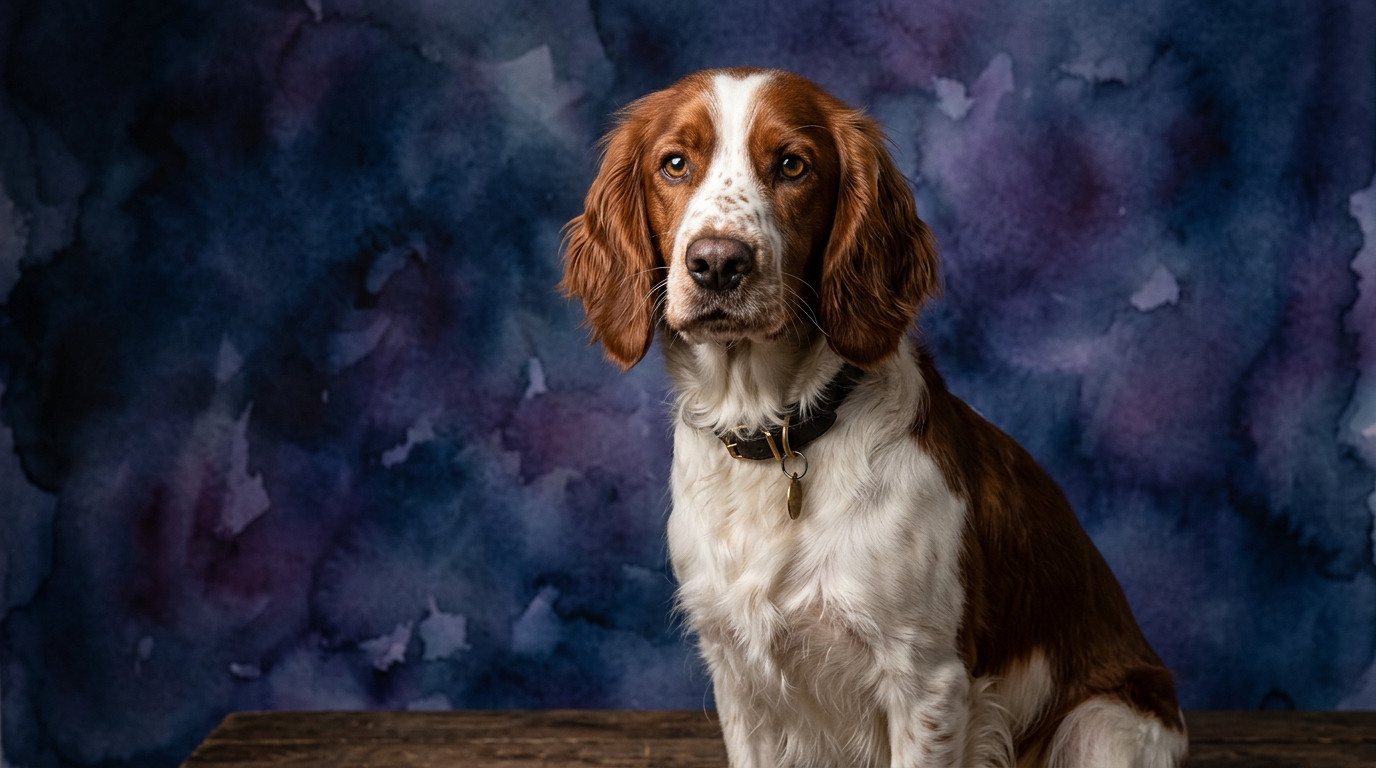
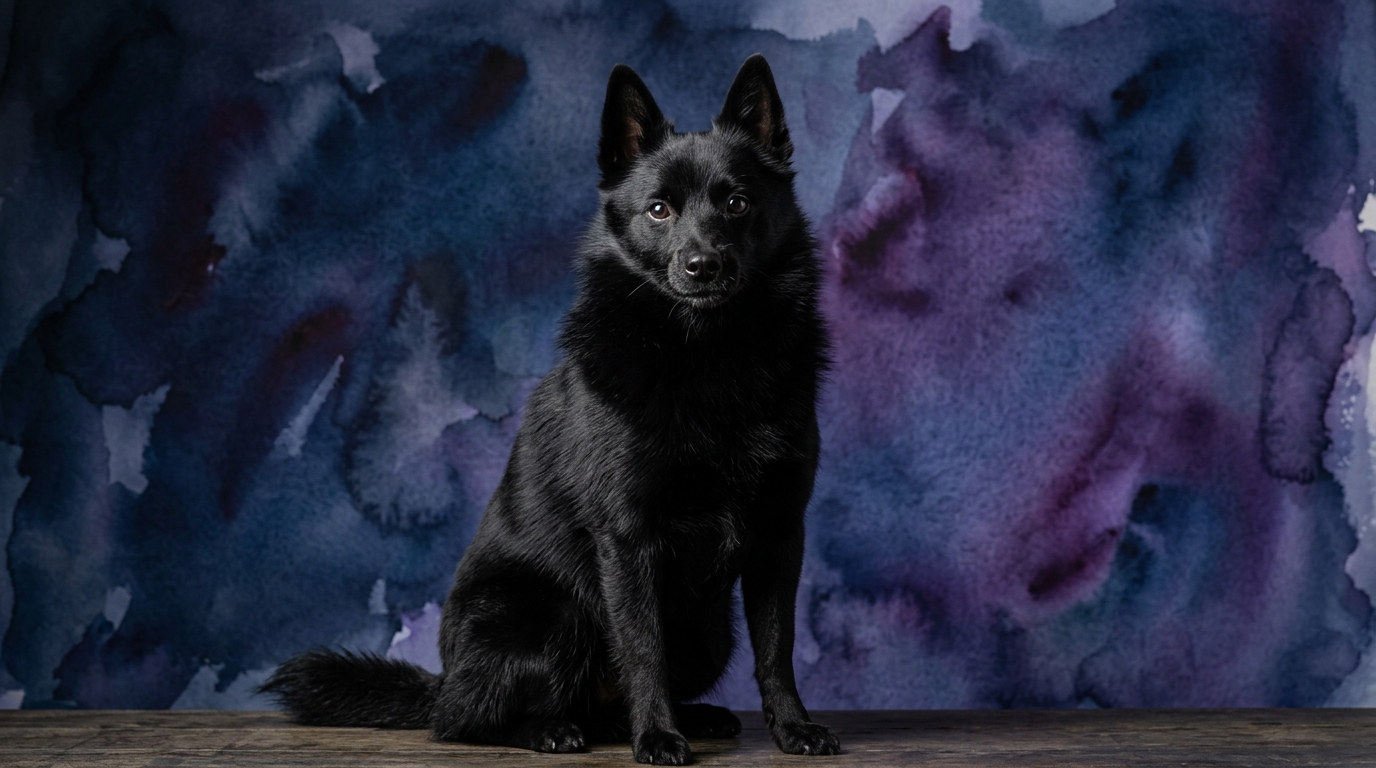
Side-by-Side IQ Profile: Welsh Springer Spaniel vs. Schipperke
**Welsh Springer Spaniel (Sporting, Coren rank #31):** This breed demonstrates a practical intelligence often geared towards cooperation. Their **Problem Solving (4/5)** is adept at figuring out how to retrieve game or navigate complex terrain during a hunt, applying learned solutions effectively in familiar contexts. With a **Training Speed (4/5)**, Welsh Springers generally grasp new commands quickly, responding well to positive reinforcement and consistent methods, aided by their eagerness to please. Their **Social Intelligence (3/5)** shows moderate perceptiveness, understanding human cues adequately, though their primary focus often remains on their environment or tasks. The **Instinctive Drive (3/5)** centers around their sporting heritage—scenting, flushing, and retrieving—which is manageable and typically channeled into appropriate activities. Welsh Springers exhibit good recall for commands, routines, and locations, reflected in their **Memory (4/5)**.
**Schipperke (Non-Sporting, Coren rank #15):** The Schipperke excels in independent thought and rapid assimilation. Their **Problem Solving (5/5)** is exceptional, displaying ingenuity and strategic thinking, often finding novel ways to achieve goals like opening a cabinet or outsmarting a perceived threat. **Training Speed (5/5)** is remarkably quick, with Schipperkes often picking up new commands and complex sequences with minimal repetition; their innate curiosity makes them highly receptive students. Their **Social Intelligence (3/5)** provides a solid understanding of human communication, yet they maintain a degree of self-sufficiency despite being devoted and protective. The **Instinctive Drive (3/5)** manifests as a strong guarding and hunting impulse, historically used for ratting and protecting barges, making them vigilant watchdogs. Schipperkes possess an outstanding **Memory (5/5)**, retaining a vast repertoire of commands, experiences, and associations for long periods, contributing significantly to their rapid training speed.
Where the Welsh Springer Spaniel Wins Cognitively
While the Schipperke excels in raw cognitive metrics, the Welsh Springer Spaniel’s unique intellectual blend offers distinct advantages, especially in cooperative tasks. Their 4/5 problem-solving is often geared towards collaborative efforts, excelling in scenarios requiring teamwork with a human partner, like field trials or complex retrieves. Their 3/5 social intelligence manifests as a more overtly biddable nature, making them highly responsive to subtle handler cues during intricate activities. This willingness to defer and collaborate, combined with strong memory for sequences, allows them to shine in sustained partnership and precise execution, where a more independent mind might innovate. Their 3/5 instinctive drive is inherently focused on working in tandem, making them less prone to independent decision-making that might deviate from a shared objective.
Where the Schipperke Wins Cognitively
The Schipperke’s cognitive profile truly excels in areas demanding independent thought and rapid assimilation. Their perfect 5/5 Problem Solving score highlights an exceptional capacity for creative solutions and strategic thinking, often devising clever ways to overcome obstacles without direct human guidance. This manifests as resourceful, sometimes mischievous, manipulation of their environment. Complementing this is their 5/5 Training Speed, indicating an unparalleled aptitude for absorbing new information and commands swiftly; they master concepts with remarkable efficiency. Furthermore, their 5/5 Memory ensures these learned behaviors and problem-solving strategies are retained with incredible fidelity, building a vast mental library. This combination makes them formidable intellectual contenders, capable of intricate learning and autonomous decision-making, often surpassing expectations for a dog of their size, especially in tasks requiring vigilance, self-reliance, and quick, decisive action.
Which Is Easier to Train and Why
Based on Cosmic Pet Pet IQ Lab scores, the Schipperke (Training Speed 5/5) is objectively quicker to learn new commands and complex sequences than the Welsh Springer Spaniel (4/5). Schipperkes grasp concepts rapidly, often needing fewer repetitions due to their high problem-solving and excellent memory. However, "easier" isn't just "quicker." Schipperkes, despite their speed, possess a strong independent streak and will, meaning they learn fast but might choose *when* to comply. Their training demands consistent engagement, mental stimulation, and a handler who makes learning a challenge. The Welsh Springer Spaniel, though slightly slower, often displays a more inherent eagerness to please and cooperative disposition. Their biddability means they are often more forgiving of handler errors and more consistently willing to work *with* their trainer. Thus, while Schipperkes learn faster, Welsh Springers might offer a smoother, more consistently compliant training experience for novice owners.
Which Suits Active Owners vs. Relaxed Owners
Both breeds possess significant energy, but their ideal outlets differ, influencing their suitability for active versus relaxed owners. The Welsh Springer Spaniel, a Sporting breed, thrives on sustained physical activity engaging their natural hunting instincts. They are excellent companions for active owners enjoying long hikes, trail running, or dog sports like agility or field trials. Their stamina and desire for cooperative work make them ideal partners for daily, structured exercise and mental engagement centered around partnership. A relaxed owner might find a Welsh Springer restless if their innate drive isn't satisfied. The Schipperke, though small, is a dynamo of energy and vigilance. They also suit active owners who appreciate a strong personality and a need for mental challenges beyond just physical exertion. While they enjoy walks, their sharp minds demand intellectual stimulation like puzzle toys or trick training. Their territorial instincts mean they thrive when they feel they have a 'job,' even monitoring the household. A relaxed owner might struggle with a Schipperke’s independent nature and need for consistent mental engagement to prevent boredom and mischief. Neither breed suits a sedentary lifestyle without significant effort to channel their energy and intellect.
The Verdict
Opt for the Welsh Springer Spaniel if you seek a cooperative, biddable partner for shared outdoor adventures and structured dog sports, valuing consistent partnership over independent problem-solving.
Select the Schipperke if you appreciate a highly intelligent, quick-witted companion who thrives on mental challenges and independent thinking, and you're prepared to engage their sharp mind daily.
🧠 Find Your Pet's IQ Score
Our Pet IQ Lab assessment covers 25+ tests across 5 cognitive dimensions — personalized to your breed.
Take the Full IQ Test →Frequently Asked Questions
Are Welsh Springer Spaniels good with children?
Welsh Springer Spaniels generally possess a gentle and patient temperament, making them good family dogs. Their moderate social intelligence means they usually interact well with respectful children, especially if raised together and properly socialized from a young age.
Do Schipperkes bark a lot?
Schipperkes are known for their vigilant nature and can be quite vocal, using their bark to alert their owners to anything unusual. This behavior stems from their instinctive drive as watchdogs, but it can be managed with consistent training and early socialization.
Which breed is better for apartment living?
While both breeds require significant exercise, the smaller size of the Schipperke might make them slightly more adaptable to apartment living, provided their substantial mental and physical exercise needs are consistently met. A Welsh Springer Spaniel typically benefits from more space, though they can adapt with dedicated daily outdoor activity.