Side-by-Side IQ Profile
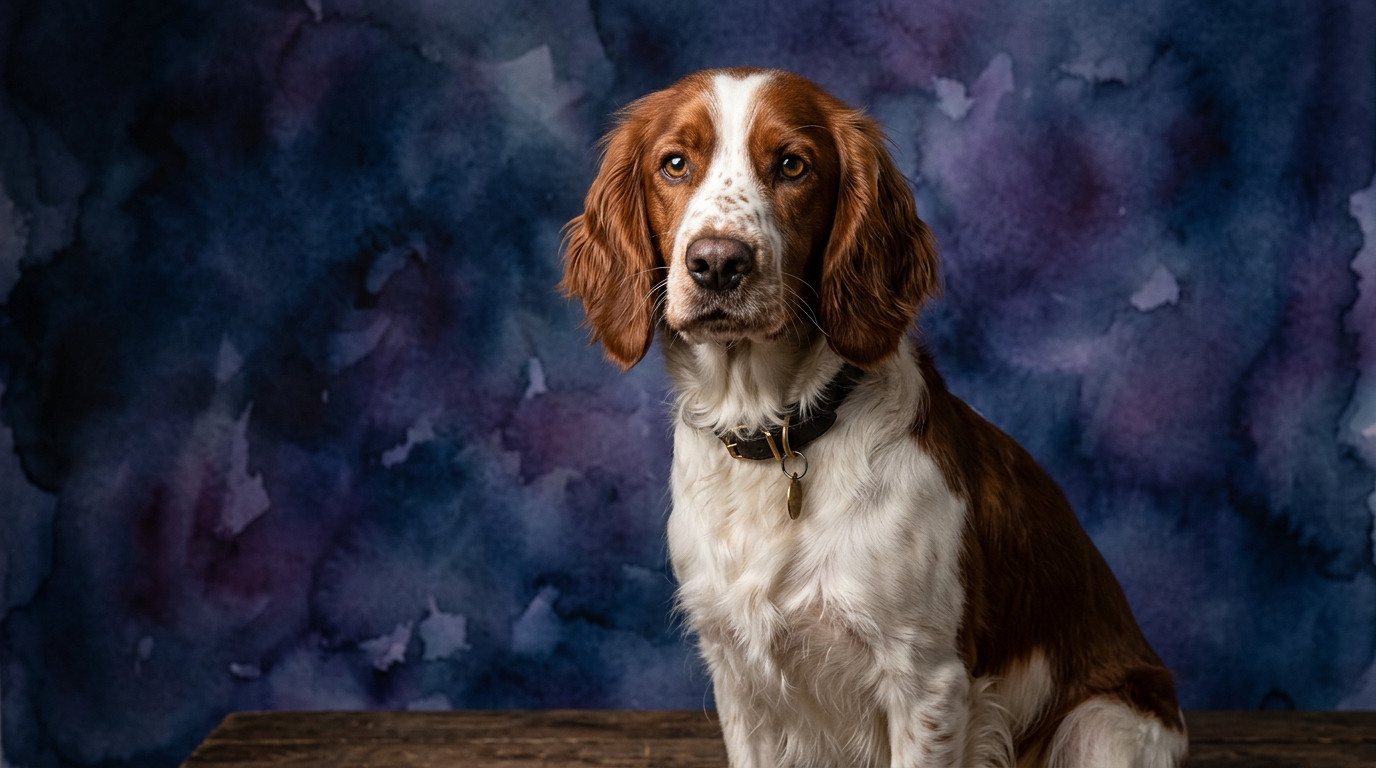
The Cosmic Pet Pet IQ Lab offers a nuanced lens for comparing the cognitive strengths of these distinct breeds. The Welsh Springer Spaniel, a Sporting group member, ranks #31 on the Coren scale. Its profile reveals Problem Solving at 4/5, indicative of an aptitude for complex tasks and strategizing for retrieval. Training Speed is also 4/5, signifying quick command acquisition and strong motivation to comply. Social Intelligence stands at 3/5, showing responsiveness to human cues and cooperative bond formation. Instinctive Drive is 3/5, demonstrating a balanced prey drive suitable for field work. Memory, at 4/5, suggests a robust capacity to retain learned behaviors.
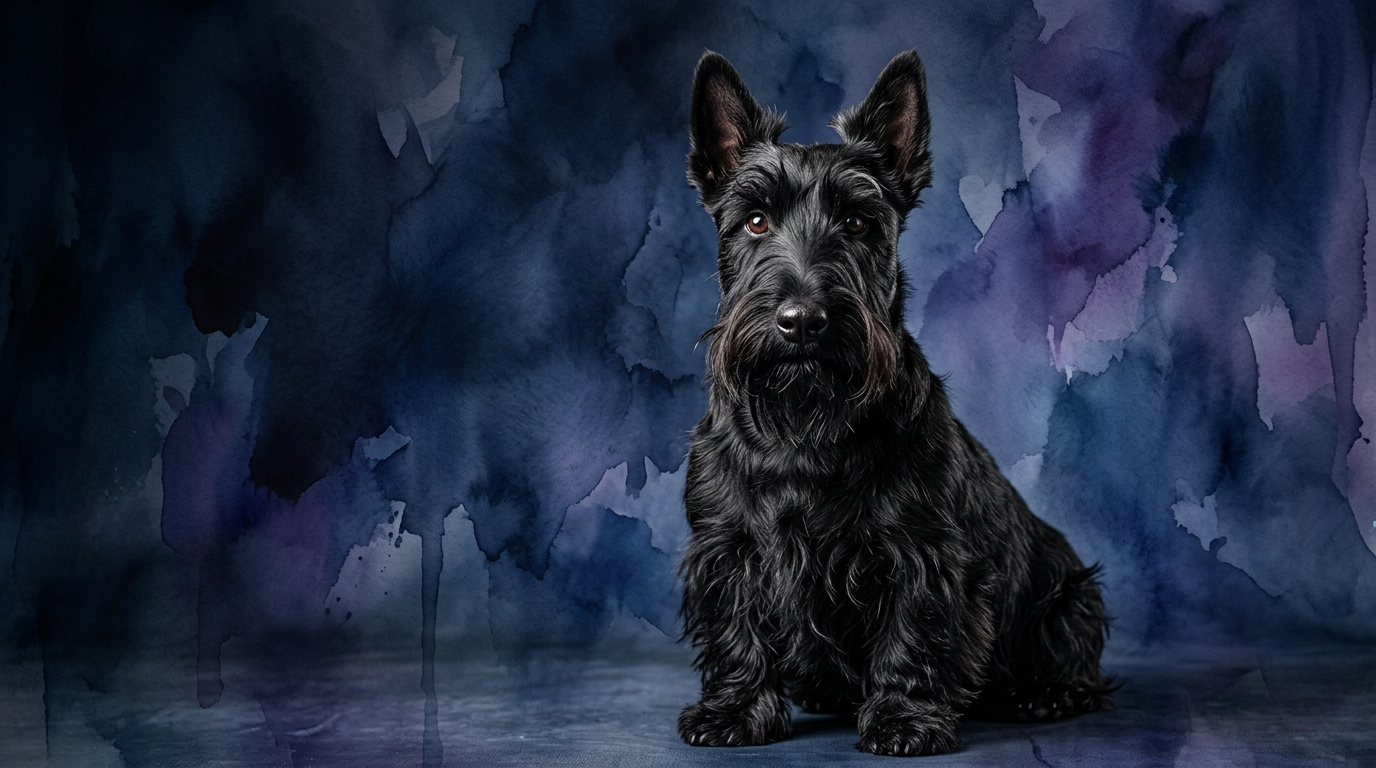
In contrast, the Scottish Terrier, from the Terrier group, holds a Coren rank of #65. Its Problem Solving score is 3/5, meaning it approaches challenges with persistent, self-directed exploration. Training Speed is 3/5, implying learning occurs but requires patience due to inherent tenacity. Social Intelligence is 3/5, indicating deep loyalty to family but reservation with strangers. Instinctive Drive, also 3/5, points to a strong, inherent drive for hunting vermin. Memory, rated at 3/5, suggests adequate retention, though recall might be selective if self-interest is at play.
Where Welsh Springer Spaniel Wins Cognitively
The Welsh Springer Spaniel consistently demonstrates cognitive advantages rooted in their history as cooperative hunting companions. Their 4/5 Problem Solving score translates into practical application, excelling at tasks requiring sequential thinking, such as complex agility courses or multi-step retrieving scenarios. This strategic problem-solving is often paired with an eagerness to please, making them adept at learning intricate routines. Their 4/5 Training Speed is a significant differentiator. Welsh Springers absorb new commands with remarkable alacrity, often requiring fewer repetitions. This quick learning curve is supported by their 4/5 Memory, ensuring learned behaviors are retained effectively. Owners frequently report their Welsh Springers remember commands even after extended breaks. This profile makes them particularly suited for competitive obedience, advanced trick training, and roles where consistent, reliable performance based on learned behaviors is paramount, thriving on mental engagement that involves working in partnership with their human.
Where Scottish Terrier Wins Cognitively
While the Scottish Terrier's IQ scores might appear lower on a scale designed for biddable working dogs, their cognitive strengths lie in independence, tenacity, and self-reliance. Their 3/5 Problem Solving is characterized by a persistent and often creative approach to challenges. A Scottish Terrier might not solve a puzzle box for owner approval as quickly, but they are exceptionally adept at figuring out how to get what *they* want, whether escaping a yard or finding a hidden treat. This isn't about cooperation; it's about determined self-interest. Their 3/5 Instinctive Drive is a cornerstone, manifesting as relentless focus when pursuing a scent or perceived 'quarry.' This cognitive tenacity means they won't give up easily, invaluable for their original purpose. Furthermore, their Social Intelligence, also 3/5, underpins a deep, discerning loyalty, forming profound bonds with their families and demonstrating a selective perception of their social world. This cognitive selectivity allows them to filter distractions and focus intensely on their immediate environment and chosen relationships, showcasing unique discernment and resolve.
Which Is Easier to Train and Why
When considering ease of training, the Welsh Springer Spaniel holds a distinct advantage due to its inherent biddability and higher cognitive scores. Their 4/5 Training Speed means they are typically eager to learn and quick to understand new commands, often requiring fewer repetitions. This is amplified by their 4/5 Problem Solving ability, allowing them to grasp the 'why' behind a command. Their Social Intelligence (3/5) fosters a cooperative spirit, making them keen to work alongside human companions. This combination results in a dog that is typically a joy to train, responding well to positive reinforcement and thriving on consistent, engaging sessions. The Scottish Terrier, with its 3/5 Training Speed, presents a different journey. Their strong independent streak means they are often less motivated by pleasing their owner and more by internal drives. While capable of learning, they require more patience, consistent boundaries, and creative methods to maintain engagement. Their Problem Solving (3/5) is often applied to their own agenda, meaning they might 'solve' how to get around a command. Training a Scottish Terrier is less about speed and more about building mutual respect, where compliance is consistently more rewarding than independence.
Which Suits Active Owners vs. Relaxed Owners
Choosing between these breeds depends heavily on an owner's lifestyle. The Welsh Springer Spaniel, as a sporting dog, is naturally suited for active owners. Their moderate Instinctive Drive (3/5), combined with problem-solving and memory capabilities, means they thrive on regular physical exercise and mental challenges. They enjoy long walks, hikes, retrieving games, and dog sports like agility. An owner who enjoys significant outdoor time, structured training, or canine activities will find a Welsh Springer Spaniel an enthusiastic partner. They require consistent engagement to prevent boredom and channel energy productively, making them less ideal for genuinely sedentary households. The Scottish Terrier, though smaller, is still a terrier with bursts of energy. Their 3/5 Instinctive Drive demands outlets for digging and chasing. They benefit from regular, vigorous walks and dedicated playtime. However, their exercise needs are generally less demanding than a spaniel, suiting owners who provide daily activity and mental stimulation without needing extensive endurance activities. A 'relaxed' owner for a Scottish Terrier appreciates their independence, offers consistent training, and provides engaging play sessions.
The Verdict
Choose a Welsh Springer Spaniel if you seek an eager, biddable partner for active pursuits like hiking or dog sports, valuing their quick learning and cooperative spirit in training.
Opt for a Scottish Terrier if you appreciate a dog with an independent, tenacious spirit, thriving on consistent boundaries and engaging play, and are prepared for a unique training journey.
🧠 Find Your Pet's IQ Score
Our Pet IQ Lab assessment covers 25+ tests across 5 cognitive dimensions — personalized to your breed.
Take the Full IQ Test →Frequently Asked Questions
Are Welsh Springers good for first-time owners?
Yes, Welsh Springers can be suitable for first-time owners due to their biddable nature and eagerness to please. However, their need for consistent exercise and mental stimulation means they thrive with owners committed to engagement and training.
Do Scottish Terriers need a lot of grooming?
Scottish Terriers have a double coat that requires regular grooming to prevent matting and maintain skin health. This includes weekly brushing and professional stripping or clipping every 6-8 weeks.
How do these breeds typically interact with children?
Welsh Springer Spaniels are generally patient and playful with children, making them good family companions, especially if raised together. Scottish Terriers can be loyal to children within their family but may prefer older, respectful children due to their independent and sometimes reserved nature, requiring proper socialization.