Side-by-Side Cognitive Profile
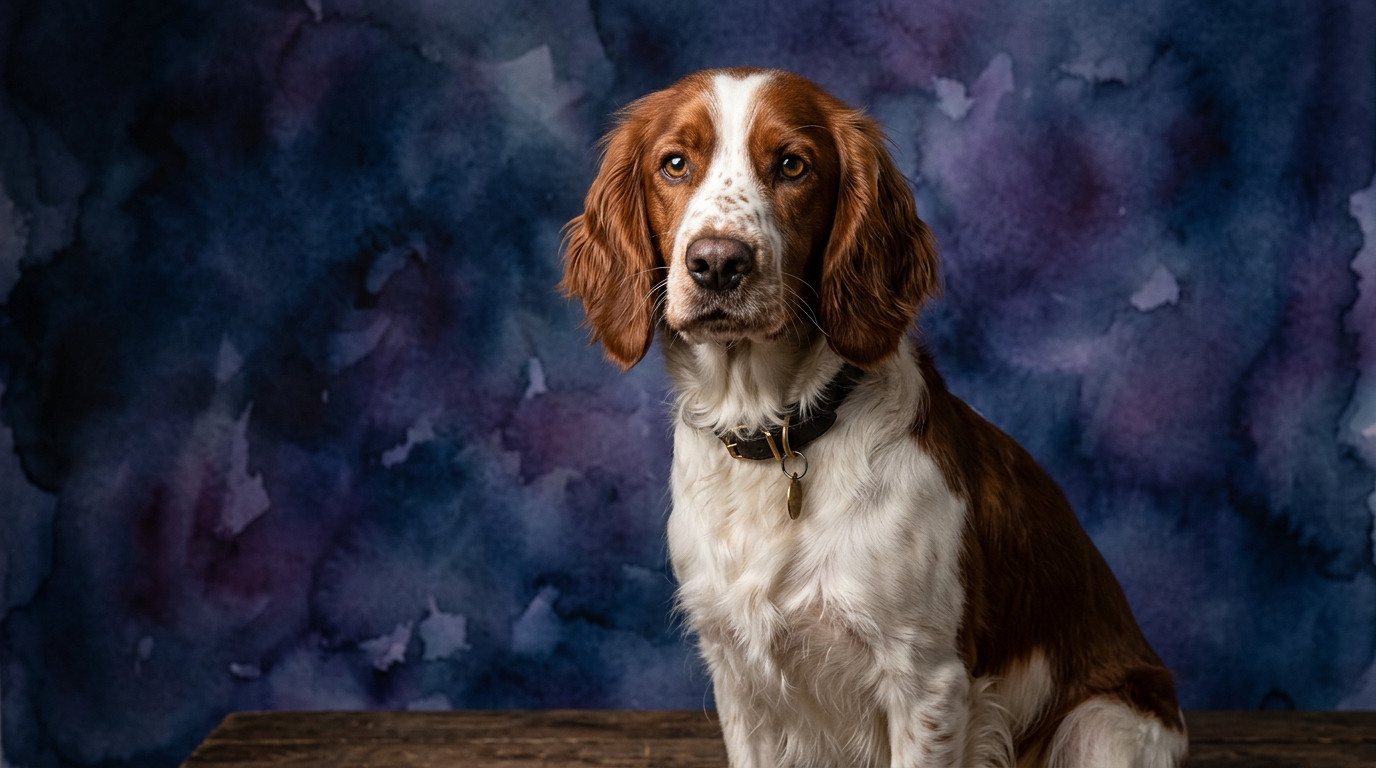
The Welsh Springer Spaniel, ranking #31 in Coren's intelligence scale, presents a cognitive profile geared towards efficiency and task accomplishment. They demonstrate a problem-solving ability of 4/5, indicating a strong capacity for deciphering novel situations and overcoming obstacles with a logical, often sequential approach. Their training speed is also rated 4/5, signifying a breed that grasps new commands and routines quickly, exhibiting a keen desire to cooperate and perform tasks. Social intelligence stands at 3/5, meaning they possess a moderate understanding of human cues and social dynamics, capable of forming strong bonds but sometimes prioritizing tasks over nuanced social interactions. An instinctive drive of 3/5, while present for retrieving and flushing, is well-balanced, allowing for redirection but still evident when engaging with scents or prey-like stimuli. Finally, their memory score of 4/5 points to excellent recall for learned commands, routines, and experiences, retaining information over long periods, which aids in consistent performance.
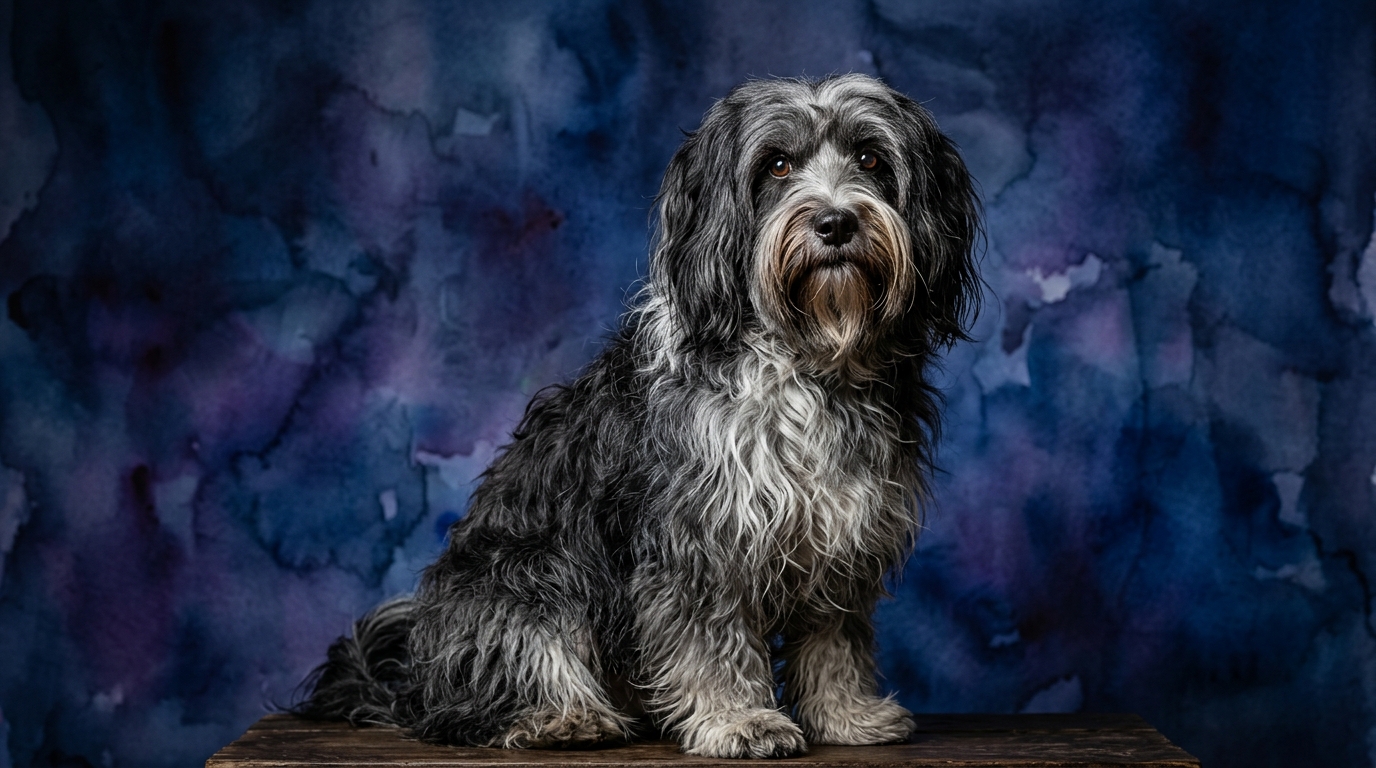
The Tibetan Terrier, ranking #63 on Coren's scale, offers a distinct cognitive makeup. Their problem-solving ability is rated 3/5, suggesting they approach challenges with a moderate degree of ingenuity, often relying on persistence or alternative methods rather than direct, logical solutions, sometimes requiring more guidance. Training speed is also 3/5; these dogs learn at a steady pace, but their independent streak means they might require more repetition and motivation to solidify new behaviors. Like the Welsh Springer Spaniel, their social intelligence is 3/5, showing a moderate awareness of social cues, capable of deep affection for their family but often reserved with strangers, indicating a discerning social understanding. An instinctive drive of 3/5 reflects their historical role as watchdogs and companions, meaning their instincts are geared towards alertness and companionship rather than a strong prey drive, making them less prone to chasing but highly aware of their surroundings. Their memory score of 3/5 indicates reliable retention for familiar people and places, and they can retain commands, though perhaps not with the same immediate recall or long-term precision as breeds with higher scores.
Where Welsh Springer Spaniel Wins Cognitively
The Welsh Springer Spaniel’s cognitive strengths shine particularly in areas demanding focused application and rapid assimilation of information. With a problem-solving score of 4/5, they are adept at deciphering complex tasks, often displaying an intuitive understanding of how to achieve desired outcomes, whether it’s navigating an agility course or figuring out a puzzle toy. This capacity for analytical thought allows them to process new information efficiently and apply past learning to novel scenarios, making them excellent candidates for progressive training and diverse activities.
Furthermore, their training speed, also rated 4/5, indicates a breed that not only understands what is being asked but also eagerly complies, absorbing new commands with remarkable swiftness. This quick uptake is supported by their strong memory (4/5), ensuring that once a lesson is learned, it is retained, leading to consistent performance without excessive repetition. This combination of swift learning, robust problem-solving, and reliable memory positions the Welsh Springer Spaniel as a highly capable and adaptable learner, particularly when tasks involve sequential steps or require a quick, logical response.
Where Tibetan Terrier Excels Cognitively
While the Tibetan Terrier's scores might appear numerically lower in some cognitive dimensions compared to the Welsh Springer Spaniel, their unique blend of intelligence offers distinct advantages, particularly in adaptability and independent reasoning. Their problem-solving score of 3/5, combined with a more moderate training speed, suggests a dog that may not always seek the most direct solution but often finds creative, albeit sometimes unconventional, ways to navigate situations. This manifests as a resourceful nature, where they might try various approaches until they find one that works, rather than strictly adhering to a taught method.
The Tibetan Terrier's strength lies in their balanced instinctive drive (3/5) and social intelligence (3/5), which combine to create a discerning companion rather than a purely task-driven one. Their instincts are geared towards awareness and companionship, making them naturally attentive to their environment without being overly reactive to every stimulus. This translates into a composed presence and a reliable memory (3/5) for their core family and routines, allowing them to thrive in varied domestic settings where a keen, watchful nature is valued over intense working drive. Their cognitive profile highlights a resilient and self-sufficient mind, capable of independent thought.
Which Is Easier to Train and Why
When it comes to ease of training, the Welsh Springer Spaniel generally holds an advantage due to its higher scores in both training speed (4/5) and problem-solving (4/5), coupled with superior memory (4/5). This breed typically exhibits a strong eagerness to please and a natural inclination to work collaboratively with humans, which significantly accelerates the learning process. They are quick to understand new commands and cues, often requiring fewer repetitions to solidify a behavior, making them highly responsive to positive reinforcement and structured training sessions. Their ability to quickly process and retain information means they build a robust repertoire of skills efficiently.
The Tibetan Terrier, with scores of 3/5 across training speed, problem-solving, and memory, presents a different training dynamic. While certainly trainable, they tend to be more independent and less overtly eager to please than the WSS. Their problem-solving might involve more trial and error, and their learning curve, though steady, can be slower, requiring more patience and consistent motivation from their trainer. They respond best to engaging, varied training methods that keep their attention and appeal to their sometimes whimsical nature, as rote repetition might lead to disengagement. Understanding this independent streak is key to successful training, as they thrive on mutual respect rather than strict command.
Suitability for Active vs. Relaxed Owners
For active owners seeking a canine partner for sports, adventures, and consistent engagement, the Welsh Springer Spaniel is often the more fitting choice. Their 3/5 instinctive drive, combined with high problem-solving and training speed, means they thrive on purpose-driven activities like agility, obedience trials, or scent work. They possess the stamina and mental fortitude to keep pace with owners who enjoy hiking, running, or spending significant time outdoors. Their cognitive profile suggests they are happiest when given tasks to complete and puzzles to solve, channeling their energy into productive outlets. They are not content to be mere couch potatoes; their minds and bodies crave stimulation.
Conversely, the Tibetan Terrier, while certainly enjoying walks and playtime, aligns more naturally with owners who appreciate a companion that is alert and engaged but doesn't necessarily demand intense, structured activity every day. Their balanced instinctive drive (3/5) and moderate cognitive scores indicate a breed that can adapt well to a slightly more relaxed pace, provided they receive regular mental enrichment and social interaction. They are content to observe their surroundings, offering companionship without the relentless need for a "job." Owners who enjoy a thoughtful, sometimes quirky companion for leisurely strolls and indoor activities, and who appreciate a dog's independent spirit, will find the Tibetan Terrier a delightful match.
The Verdict
Opt for the Welsh Springer Spaniel if you seek a highly trainable, focused companion eager to engage in structured activities and problem-solving tasks, thriving on consistent mental and physical challenges.
Select the Tibetan Terrier if you desire an adaptable, independent companion who offers discerning affection and thrives on varied enrichment, appreciating a steady pace with thoughtful interaction.
🧠 Find Your Pet's IQ Score
Our Pet IQ Lab assessment covers 25+ tests across 5 cognitive dimensions — personalized to your breed.
Take the Full IQ Test →Frequently Asked Questions
Are Welsh Springer Spaniels better at learning tricks than Tibetan Terriers?
Yes, generally the Welsh Springer Spaniel's higher training speed (4/5) and problem-solving ability (4/5) mean they typically learn new tricks and commands more quickly and with fewer repetitions than the Tibetan Terrier (3/5 in both categories).
Do Tibetan Terriers show more independence in training compared to Welsh Springer Spaniels?
Absolutely. Tibetan Terriers often exhibit a more independent streak, which means they might require more creative motivation and patience during training sessions. Welsh Springer Spaniels, conversely, tend to be more eager to please and collaborative.
Which breed is more suited for a first-time dog owner looking for an easier training experience?
For a first-time owner prioritizing an easier training experience, the Welsh Springer Spaniel would likely be more suitable. Their higher training speed and willingness to comply make the learning process generally smoother than with the more independent Tibetan Terrier.