Side-by-Side Cognitive Profiles
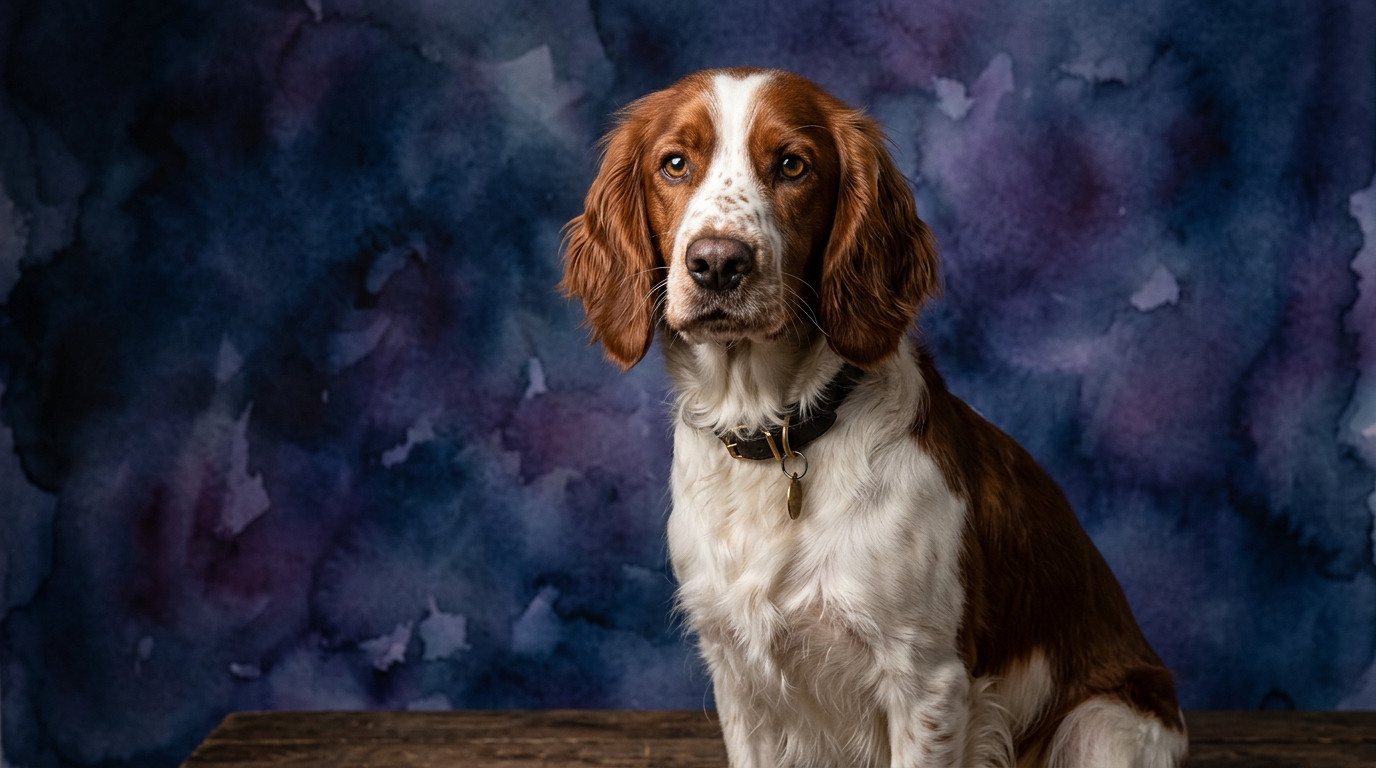
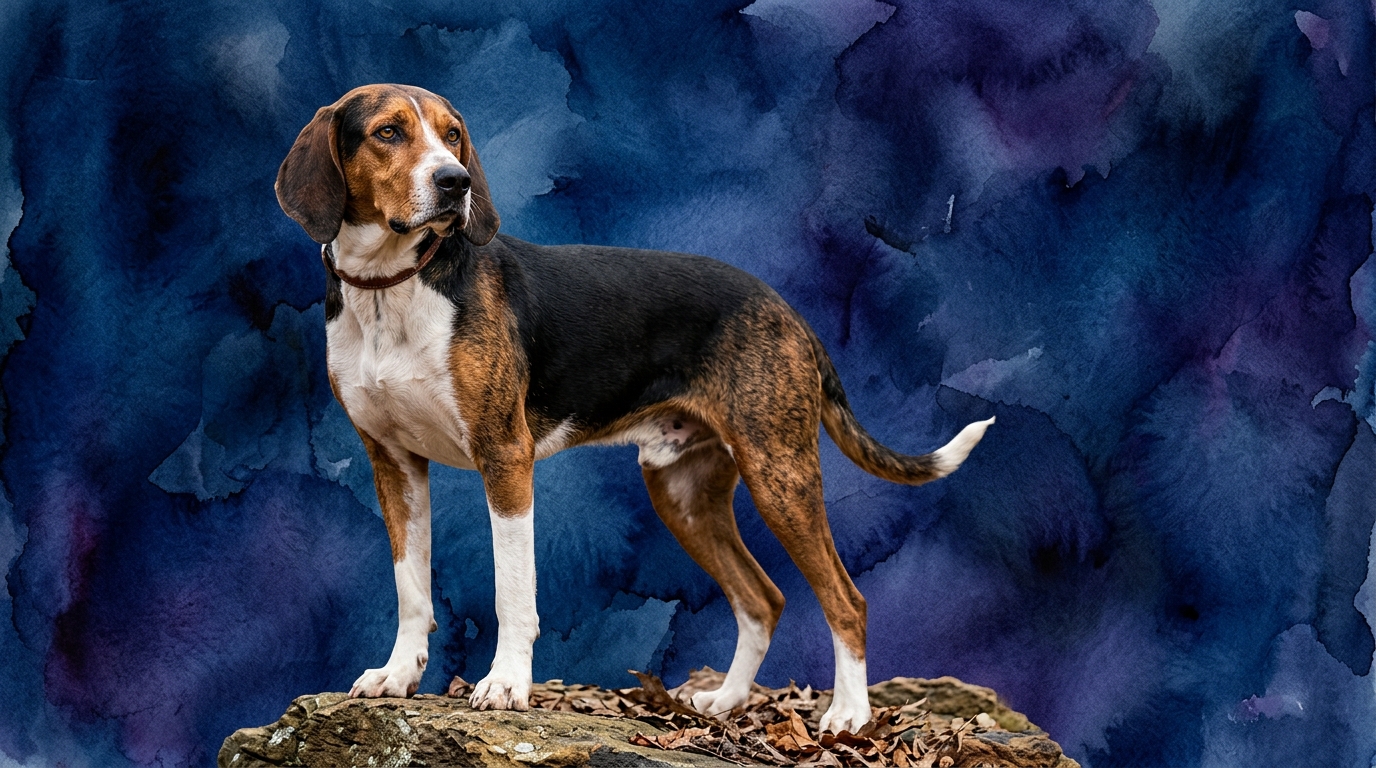
Delving into the cognitive landscape of the Welsh Springer Spaniel and the Treeing Walker Coonhound reveals distinct mental frameworks, each optimized for their historical roles and inherent predispositions. The Welsh Springer Spaniel, a Coren-ranked breed at #31, presents a profile geared towards cooperative work and adaptable learning, while the Treeing Walker Coonhound, though not Coren-ranked, showcases a specialized intelligence rooted deeply in its sensory world.
The Welsh Springer Spaniel exhibits a Problem Solving score of 4/5, indicating a strong capacity for navigating novel situations and figuring out effective solutions, perhaps reflecting their need to work independently yet cooperatively during hunts. Their Training Speed also stands at 4/5, suggesting they grasp new commands and routines with impressive alacrity, often eager to please and quick to form associations. Social Intelligence is rated 3/5, meaning they possess a solid understanding of human cues and social dynamics, capable of forming strong bonds without being overly sensitive to every subtle emotional shift. Their Instinctive Drive, at 3/5, reflects a moderate but present inclination for flushing and retrieving, a drive that is manageable and often channelable into various activities. A Memory score of 4/5 underpins their ability to retain learned behaviors, complex routes, and past experiences, contributing significantly to their trainability and reliability.
In contrast, the Treeing Walker Coonhound's cognitive makeup reflects its dedication to scent work and pursuit. Their Problem Solving is rated 3/5, implying a functional ability to overcome challenges, particularly those directly related to tracking and cornering prey, though perhaps less inclined towards abstract or human-centric puzzles. Training Speed also registers at 3/5, suggesting a moderate pace for acquiring new commands, often requiring consistent, patient reinforcement due to their independent, scent-driven nature. Their Social Intelligence matches the Welsh Springer at 3/5, indicating they are generally affable and capable of good social interaction with both people and other dogs, albeit perhaps not with the same level of nuanced attunement as some companion breeds. The Instinctive Drive for the Treeing Walker Coonhound is a pronounced 3/5, representing an intense and highly focused urge for scent trailing and treeing, a cornerstone of their identity that can powerfully dictate their behavior. Finally, their Memory, rated 3/5, indicates a sound capacity for recalling learned information and environmental cues, particularly those crucial for navigating complex scent trails and hunting scenarios.
Where the Welsh Springer Spaniel Excels Cognitively
The Welsh Springer Spaniel's cognitive strengths manifest in its remarkable adaptability and rapid learning curve. With a 4/5 score in Problem Solving, these dogs often demonstrate a nimble mind, capable of assessing new environments or unexpected obstacles and devising effective strategies. This might involve figuring out how to retrieve a toy from an unusual spot or quickly understanding the rules of a new game, making them highly versatile companions for diverse activities.
Their superior Training Speed (4/5) is a significant advantage, translating into a dog that picks up new commands and routines with impressive efficiency. This isn't just about obedience; it reflects a deeper cognitive ability to quickly form associations between actions and consequences, allowing for more complex training sequences and a wider repertoire of learned behaviors. Owners often find them responsive to instruction and eager to engage in cooperative tasks, making them a joy to teach.
Furthermore, the Welsh Springer Spaniel's robust Memory (4/5) ensures that once a lesson is learned, it tends to stick. This strong retention reduces the need for constant repetition and reinforces a stable foundation of understanding, whether it's remembering a multi-step agility course, the location of frequently used items, or the specific routines of the household. This cognitive consistency contributes to their reliability and makes them excellent candidates for advanced obedience or competitive dog sports where precise recall and execution are paramount.
Where the Treeing Walker Coonhound Shines Cognitively
While the Treeing Walker Coonhound's general cognitive scores might appear lower than the Welsh Springer, its true brilliance lies in a highly specialized form of intelligence, particularly within its domain of scent work. Its Instinctive Drive (3/5), though numerically equal, represents an overwhelming, finely tuned focus on olfactory information that few breeds can match. This isn't just a drive; it's a profound cognitive processing system dedicated to deciphering intricate scent puzzles.
Their Problem Solving (3/5), when applied to their primary purpose, translates into an exceptional ability to navigate complex scent trails. This involves a sophisticated form of environmental problem-solving: discerning individual animal scents amidst a cacophony of odors, identifying the freshest trail, and determining the most efficient path through varying terrains and conditions. It requires immense concentration, endurance, and an almost intuitive understanding of how scent behaves, showcasing a very specific and powerful cognitive strength.
The Treeing Walker Coonhound's Memory (3/5) is also uniquely tuned to its environment, allowing it to recall not just specific scent profiles, but also the nuances of terrain, wind patterns, and past successful hunting routes. This specialized recall, combined with their relentless drive, makes them incredibly persistent and effective in their work. Their cognitive prowess is less about quick, varied learning and more about an unwavering, deep-seated mastery of a specific, complex task, making them truly remarkable specialists in their field.
Ease of Training: A Tale of Two Temperaments
When considering ease of training, the Welsh Springer Spaniel generally holds an advantage due to its higher Training Speed score of 4/5 and its inherent desire to cooperate. These dogs typically respond well to positive reinforcement methods, quickly understanding what is expected of them and performing tasks with enthusiasm. Their moderate instinctive drive means they are often less distracted by external stimuli compared to a hound, allowing for more focused training sessions and a quicker acquisition of commands, making them suitable for owners new to dog training or those seeking a highly biddable companion.
The Treeing Walker Coonhound, with a Training Speed of 3/5, presents a different training dynamic. Their profound instinctive drive for scent work means they are often less interested in human-directed tasks if a compelling scent is present. Training requires immense patience, consistency, and a deep understanding of hound psychology. While they are capable of learning, their independence and single-minded focus on scent can make them appear stubborn or less responsive. Owners must find ways to make training incredibly rewarding and engaging, often incorporating scent games or outdoor adventures to harness, rather than suppress, their natural inclinations. They are not 'difficult' to train, but they require a handler who respects their specialized motivation and can work with it rather than against it.
Matching Breeds to Lifestyles: Active vs. Relaxed Owners
The cognitive and physical needs of these two breeds naturally align them with different owner lifestyles. The Welsh Springer Spaniel, as a sporting breed, thrives with active owners who can provide consistent mental and physical engagement. Their problem-solving and memory scores mean they benefit greatly from varied activities such as obedience classes, agility, flyball, or hiking. They enjoy being a central part of family life and can adapt well to a range of experiences, provided their need for daily exercise and mental stimulation is met. They are not suited to being left alone for extended periods without engagement, as their intelligence can lead to boredom-driven behaviors.
The Treeing Walker Coonhound, on the other hand, is built for endurance and intense, focused work. Their powerful instinctive drive for scenting necessitates extensive physical activity, ideally involving long, purposeful walks or runs where they can engage their nose. They are best suited for highly active owners who enjoy extensive outdoor pursuits like hiking, trail running, or even participating in scent work or tracking sports. A 'relaxed' owner who prefers minimal exercise will quickly find themselves overwhelmed by a Treeing Walker Coonhound's unmet energy and drive. Their independence means they can be content to work on their own, but they still require a devoted owner who understands their need for structured outlets for their specialized cognitive and physical abilities.
The Verdict
Choose the Welsh Springer Spaniel if you desire a highly trainable, adaptable companion eager to learn and participate in diverse family activities, thriving on consistent engagement and quick comprehension.
Opt for the Treeing Walker Coonhound if you appreciate a tenacious, independent spirit with a profound connection to scent work, and are prepared to channel its formidable drive into extensive, purposeful outdoor adventures.
🧠 Find Your Pet's IQ Score
Our Pet IQ Lab assessment covers 25+ tests across 5 cognitive dimensions — personalized to your breed.
Take the Full IQ Test →Frequently Asked Questions
Do Welsh Springer Spaniels bark a lot?
Welsh Springers can be vocal dogs, often using barks to alert their owners to new arrivals or to express excitement during play. Providing adequate mental and physical stimulation, along with consistent training from a young age, can help manage any tendencies towards excessive barking.
Are Treeing Walker Coonhounds good with children?
Treeing Walker Coonhounds are generally amiable and tolerant, often forming strong bonds with children if properly socialized from puppyhood. Their high energy and enthusiasm mean supervision is always wise, particularly with very young children, to ensure respectful interactions.
What kind of mental stimulation do these breeds need?
Welsh Springers benefit greatly from puzzle toys, advanced obedience training, and participation in dog sports like agility or rally. Treeing Walker Coonhounds thrive on activities that engage their powerful nose, such as scent work, tracking games, and long 'sniff walks' that allow them to explore and follow odors.