Side-by-Side Cognitive Profile: Welsh Springer Spaniel vs. Welsh Terrier
To understand the distinct intellectual makeup of these two breeds, The Cosmic Pet Pet IQ Lab employs a five-dimensional cognitive assessment. This framework allows us to dissect their unique strengths and tendencies.
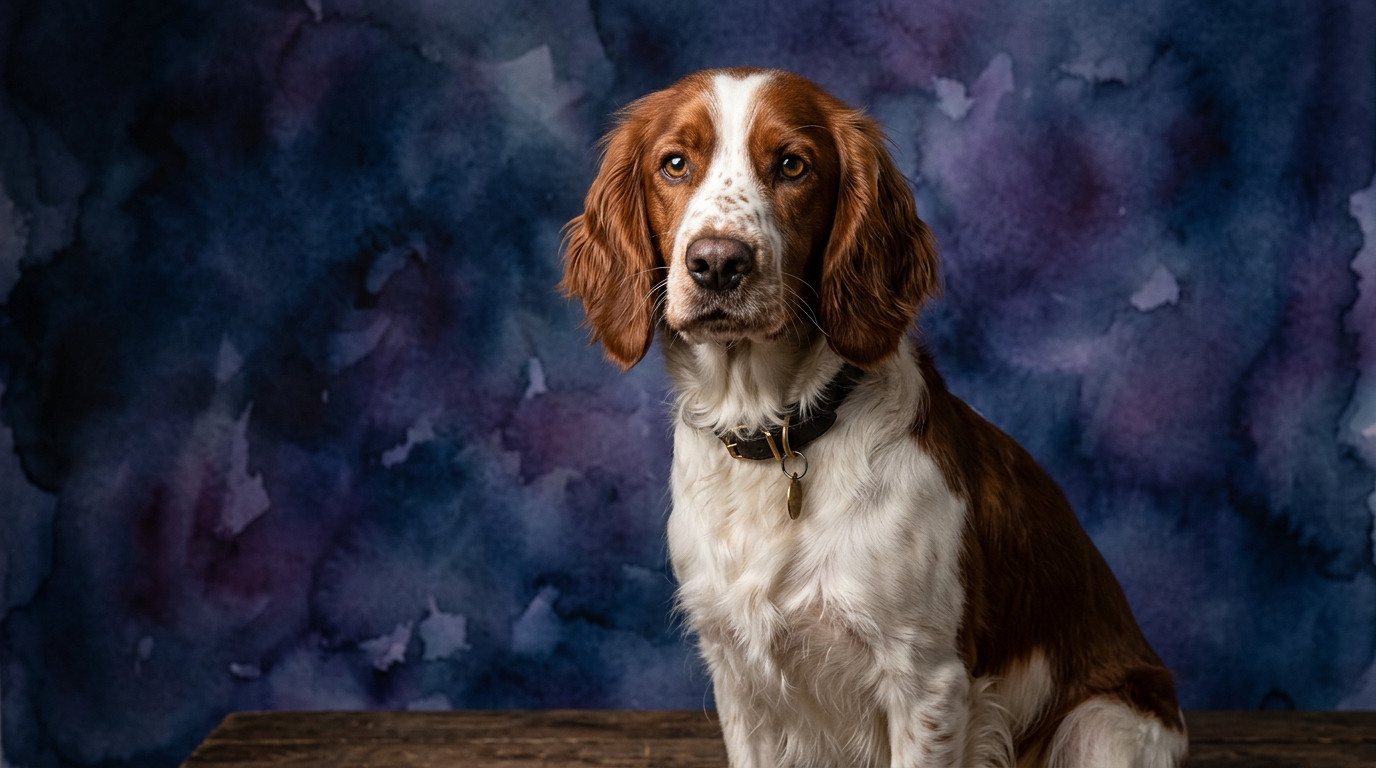
**Welsh Springer Spaniel (Coren Rank #31):**
* **Problem Solving (4/5):** The Welsh Springer Spaniel demonstrates a commendable capacity for navigating complex environmental challenges, often observing and strategically attempting different solutions rather than resorting to trial-and-error. This higher cognitive flexibility allows them to learn from mistakes and apply insights to future dilemmas, adept at tasks requiring sequential thought or spatial reasoning.
* **Training Speed (4/5):** This breed typically absorbs new commands and routines with remarkable efficiency. Their inherent eagerness to cooperate and their attentive nature contribute significantly to their quick learning curve, often requiring fewer repetitions to solidify a new behavior and responding well to positive reinforcement.
* **Social Intelligence (3/5):** Welsh Springer Spaniels possess a moderate but generally effective ability to interpret human body language, vocal tones, and social cues. They are typically attuned to their family's emotions and often adapt their behavior accordingly, allowing for harmonious cohabitation and a good understanding of household rules.
* **Instinctive Drive (3/5):** Rooted in their sporting heritage, the Welsh Springer Spaniel exhibits a balanced and manageable level of instinctive drive, primarily focused on retrieving and scent work. This drive is typically channelable into appropriate activities like fetch or tracking games, making their natural inclinations easier to integrate into a companion lifestyle.
* **Memory (4/5):** With a robust memory, the Welsh Springer Spaniel excels at retaining learned commands, familiar routes, and past experiences over considerable periods. This strong recall is invaluable for reinforcing training and for dogs participating in activities that require a broad repertoire of remembered skills, allowing them to build upon their knowledge base effectively.
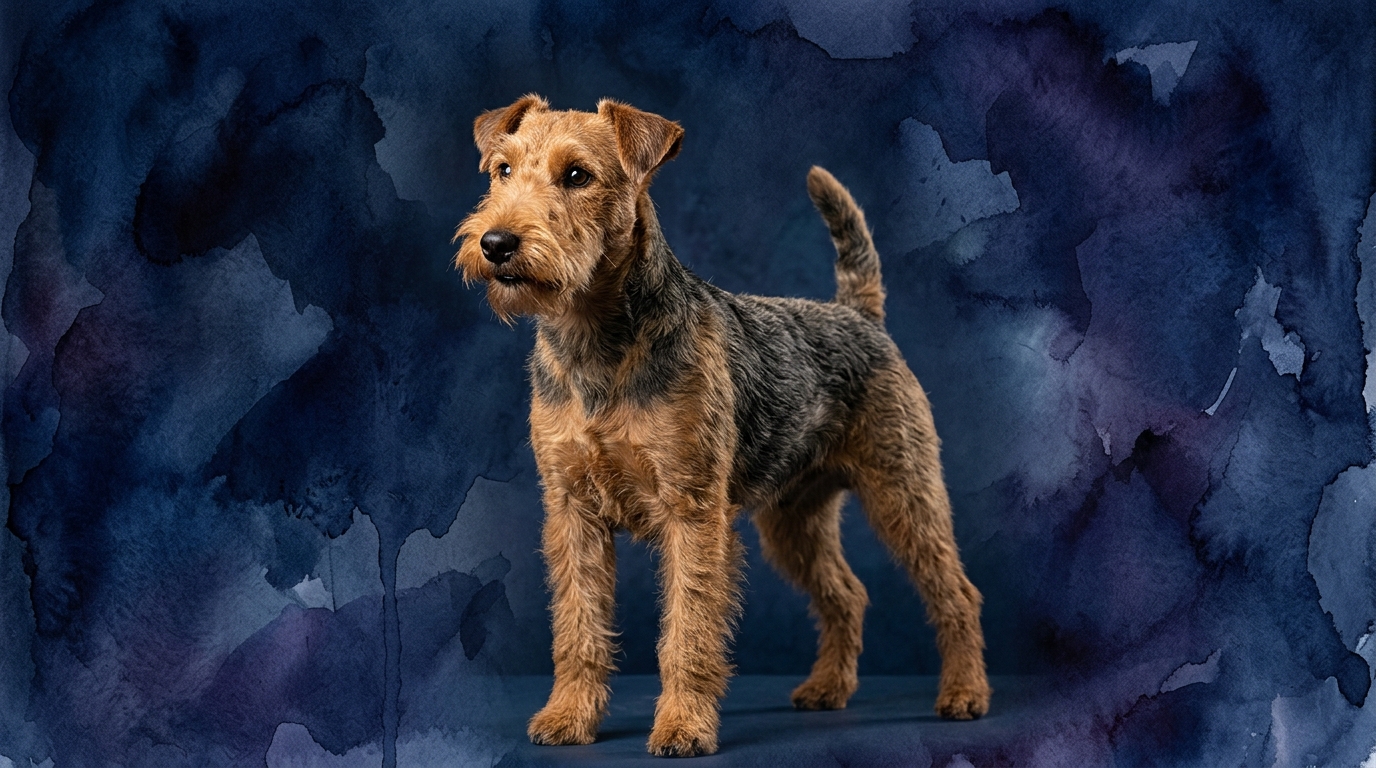
**Welsh Terrier (Not Coren-Ranked):**
* **Problem Solving (3/5):** The Welsh Terrier approaches problem-solving with characteristic terrier tenacity. While perhaps not as strategically analytical as the Springer, their method often involves persistent exploration and an unwavering determination to overcome obstacles, particularly those related to their innate drives like locating perceived 'prey.'
* **Training Speed (3/5):** Welsh Terriers learn at a steady pace, but their independent and sometimes spirited nature means they may require more patience and consistency in training. They are perfectly capable of learning, but their compliance can be influenced by their mood or the perceived value of the reward, necessitating engaging and varied training approaches.
* **Social Intelligence (3/5):** Similar to the Springer, the Welsh Terrier displays a moderate understanding of social interactions and human cues. They are generally affectionate with their families but can be more reserved with strangers. Their strong personality means they will often communicate their needs and desires clearly, though they might not always prioritize human expectations over their own immediate instincts.
* **Instinctive Drive (3/5):** The Welsh Terrier possesses a strong, deeply ingrained instinctive drive, primarily focused on chasing, digging, and exploring, a direct legacy of their historical role as vermin hunters. This drive is a fundamental part of their being and requires significant, appropriate outlets to prevent it from manifesting in undesirable behaviors.
* **Memory (3/5):** Welsh Terriers have a functional memory for learned commands and routines, allowing them to build a working knowledge of their environment and expected behaviors. While they might not demonstrate the same depth of recall as breeds with higher scores, consistent reinforcement ensures that skills are retained, though occasional refreshers might be more beneficial.
Where the Welsh Springer Spaniel Excels Cognitively
The Welsh Springer Spaniel demonstrably excels in several key cognitive domains when compared to the Welsh Terrier. Their superior Problem Solving score of 4/5 indicates a more nuanced approach to novel situations; rather than relying solely on instinct or persistence, the Welsh Springer Spaniel is more likely to assess a problem, consider different solutions, and execute a plan. This translates into a dog that can more readily navigate complex environments or learn multi-step tasks without extensive guidance. Furthermore, the Welsh Springer Spaniel's Training Speed, also rated at 4/5, means they generally absorb new commands and behaviors with greater efficiency. This responsiveness stems from a combination of their inherent desire to cooperate and a quicker cognitive uptake, making training sessions often more fluid and rewarding. Finally, their Memory score of 4/5 highlights a robust capacity for retaining learned information over time. A Welsh Springer Spaniel is less likely to 'forget' commands or routines, allowing for more consistent performance and building upon a solid foundation of previous learning without frequent re-teaching. This cognitive strength is particularly beneficial for owners interested in advanced obedience, dog sports, or complex working roles where recall and consistent application of skills are paramount.
Where the Welsh Terrier Demonstrates Unique Cognitive Strengths
While the Welsh Springer Spaniel shows higher scores in certain areas, the Welsh Terrier's cognitive strengths lie in the application of its core terrier traits, which are perfectly suited to its historical role. Although its Problem Solving score is 3/5, this doesn't imply a lack of capability, but rather a different methodology. The Welsh Terrier often approaches challenges with an unwavering tenacity and a 'never give up' attitude, particularly when their instinctive drive is engaged. This manifests as a determined persistence in tasks like locating hidden objects or navigating tight spaces, driven by their ancestral purpose of hunting vermin. Their equal score of 3/5 in Instinctive Drive, while shared with the Springer, is channeled very differently; for the Terrier, this drive fuels a singular focus and a profound commitment to objectives that align with their predatory instincts. This focused determination means that once a Welsh Terrier commits to a task, especially one involving scent work or digging, they are incredibly difficult to deter. While they might not strategize in the same way as a Springer, their ability to relentlessly pursue a goal, often overcoming physical obstacles through sheer will, is a distinct cognitive advantage in specific contexts. This unwavering resolve, though sometimes perceived as stubbornness in training, is a testament to their deep-seated operational intelligence.
Training Dynamics: Which Breed is More Amenable?
When considering ease of training, the Welsh Springer Spaniel generally presents a more straightforward path for most owners. Their Training Speed of 4/5 and superior Problem Solving (4/5) mean they typically grasp new commands and concepts with greater alacrity. A Welsh Springer Spaniel often exhibits a strong desire to please its human companions, making them highly receptive to positive reinforcement and eager to participate in learning sessions. Their robust memory further supports this, as they retain learned behaviors consistently, requiring less frequent refreshing. Real behavioral differences include their tendency to maintain focus during lessons and their readiness to follow directions. In contrast, the Welsh Terrier, with its 3/5 scores in both Training Speed and Problem Solving, coupled with its inherent terrier independence, often requires a more patient, creative, and consistent training approach. Their strong instinctive drive, while manageable, means they can be easily distracted by environmental stimuli, particularly scents or movement that trigger their prey drive. While perfectly capable of learning, a Welsh Terrier might challenge boundaries more, needing an owner who can make training engaging and demonstrate clear, firm leadership without resorting to harsh methods. Their 'what's in it for me?' attitude often necessitates higher value rewards and a more playful, less repetitive training style to maintain their interest. Therefore, for an owner seeking a dog that generally learns quickly and complies readily, the Welsh Springer Spaniel holds a distinct advantage.
Lifestyle Match: Active vs. Relaxed Owners
Both the Welsh Springer Spaniel and the Welsh Terrier are breeds that thrive on activity, making them generally unsuitable for truly relaxed, sedentary owners. However, the *type* of activity they require differs significantly, influencing their fit for various active lifestyles. The Welsh Springer Spaniel, with its sporting background, thrives on structured activities that engage both its body and its keen intellect. Owners who enjoy long hikes, running, retrieving games, or participating in dog sports like agility, obedience, or scent work will find a highly cooperative and enthusiastic partner in a Springer. Their superior problem-solving skills and training speed mean they excel in tasks that demand focus, strategy, and teamwork. They are well-suited to owners who can provide consistent mental challenges alongside physical exertion. On the other hand, the Welsh Terrier, while equally active, channels its energy through its terrier instincts. They require outlets for chasing, digging, and exploring. An active owner for a Welsh Terrier might be someone who enjoys vigorous walks, off-leash exploration in secure areas, earthdog trials, or engaging in intense play sessions that mimic hunting behaviors. Their tenacity means they enjoy tasks where they can 'work' independently, even if alongside their owner. A more relaxed owner, for either breed, would likely lead to frustration for both dog and human, manifesting as unwanted behaviors driven by boredom or unchanneled energy. However, the Springer's adaptability and eagerness to please might make it slightly more forgiving of an occasionally less structured day compared to the tenacious and often demanding Terrier.
The Verdict
Opt for the Welsh Springer Spaniel if you prioritize a highly trainable companion eager to learn complex tasks, participate in structured dog sports, and integrate smoothly into a family life that values cooperative engagement.
Select the Welsh Terrier if you are drawn to a tenacious, independent spirit with a robust, playful energy, and are prepared to channel their strong instincts into engaging activities that satisfy their terrier drive.
🧠 Find Your Pet's IQ Score
Our Pet IQ Lab assessment covers 25+ tests across 5 cognitive dimensions — personalized to your breed.
Take the Full IQ Test →Frequently Asked Questions
Are Welsh Springer Spaniels generally good with children?
Yes, Welsh Springer Spaniels typically possess a gentle and patient temperament, making them well-suited for families with children. Their social intelligence helps them adapt to family dynamics, and their playful nature means they often enjoy interacting with kids, especially if properly socialized from a young age.
Do Welsh Terriers tend to bark frequently?
Welsh Terriers, like many terrier breeds, can be prone to barking, particularly if they are bored, left alone for extended periods, or perceive a threat. Their alert nature and strong guarding instincts mean they often vocalize to announce visitors or other perceived disturbances, requiring consistent training to manage.
Which of these breeds demands more intensive grooming?
The Welsh Springer Spaniel generally requires more regular grooming due to its longer, feathered coat, which needs frequent brushing to prevent mats and tangles, along with occasional trimming. The Welsh Terrier's wiry coat, while needing weekly brushing, also benefits from professional stripping a few times a year to maintain its texture and minimize shedding, making their grooming needs different but equally important.