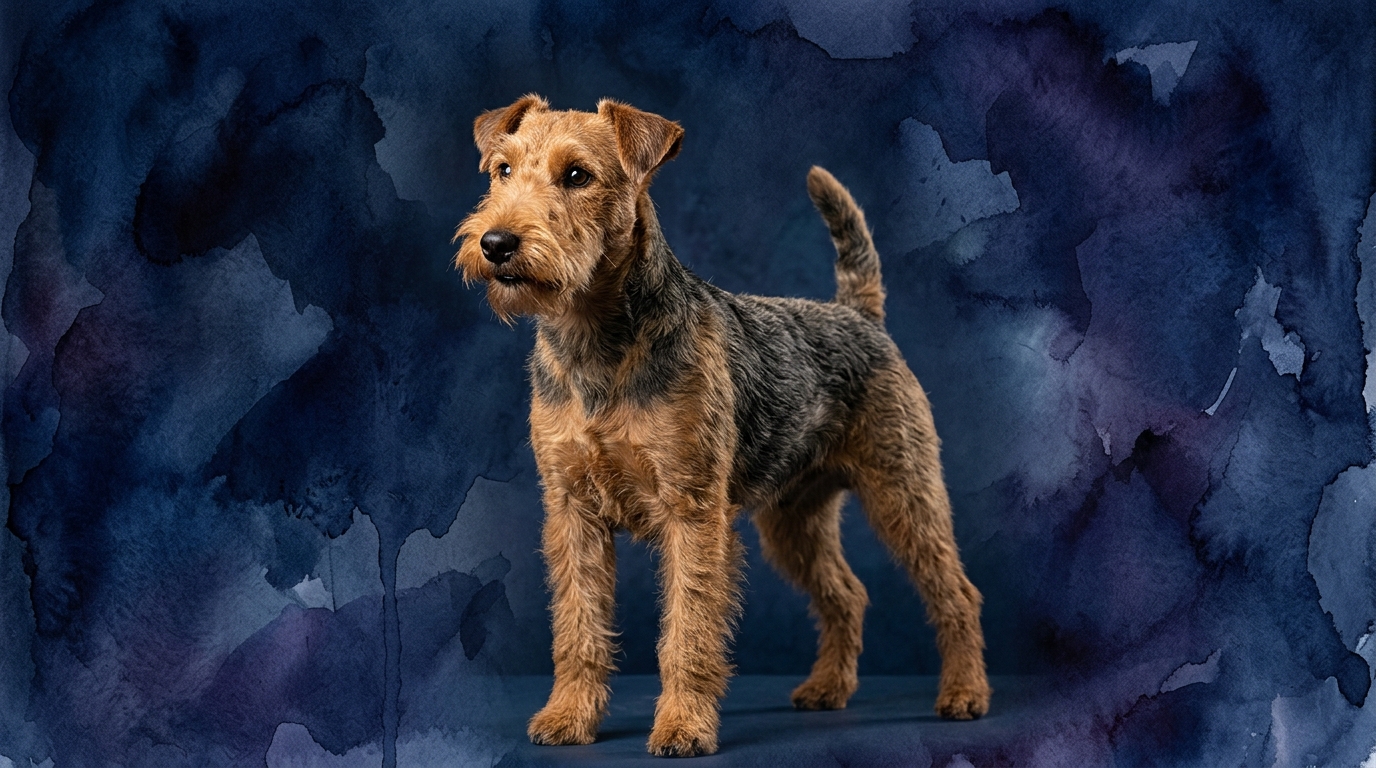

Side-by-Side IQ Profile: Unpacking Identical Scores
Both the Welsh Terrier and Affenpinscher demonstrate a 3/5 capacity for problem-solving, yet their approaches diverge significantly. The Welsh Terrier, with its hunting heritage, exhibits this as tenacious resourcefulness in environmental challenges, like devising strategies to dig under fences or outmaneuver small prey. Their solutions are often physically driven and persistent. Conversely, the Affenpinscher's 3/5 problem-solving leans towards clever domestic ingenuity, such as figuring out how to open cabinets for treats or manipulate household objects to gain attention, showcasing a mischievous and observant intelligence within their home domain.
Scoring 3/5 in training speed, both breeds learn commands at an average pace, but their motivations and challenges differ. The Welsh Terrier comprehends tasks but often prioritizes its independent spirit and strong prey drive, requiring consistent, engaging training that competes with external stimuli. Their learning is clear, but compliance demands patience. The Affenpinscher also learns effectively, often driven by a desire to please its favored human, though its assertive personality can lead to selective hearing. Short, fun, highly rewarding sessions are crucial to maintain their engagement and prevent stubbornness from overshadowing their learning.
A 3/5 in social intelligence means both breeds can read cues and interact appropriately, though their social expressions vary. The Welsh Terrier is generally friendly within its family but can be reserved with strangers, often focusing its social awareness on understanding intentions related to activities. The Affenpinscher, also 3/5, is keenly attuned to its human family's moods, often leveraging this understanding for attention. However, their assertive and sometimes territorial nature means they can be wary of unfamiliar people or boisterous children, requiring careful socialization for harmonious interactions.
Both breeds possess a 3/5 instinctive drive, manifesting distinctly based on their heritage. The Welsh Terrier's drive is rooted in its hunting background, expressed as a compelling urge to chase, dig, and bark with remarkable tenacity, demanding appropriate outlets to prevent unwanted behaviors. The Affenpinscher's 3/5 drive involves 'monkey-like' curiosity, a watchful nature, and a surprising fearlessness for its size. They retain a moderate prey drive for chasing toys and a strong guarding instinct, making them alert, vocal watchdogs within their home.
With identical 3/5 memory scores, both the Welsh Terrier and Affenpinscher retain learned information and experiences for an average duration. The Welsh Terrier remembers commands and routines, though their independent streak can sometimes make it seem like selective 'forgetfulness' when competing with instincts. Consistent reinforcement solidifies their learning. The Affenpinscher also effectively recalls behaviors and routines, including which actions elicit desired human responses. Their memory is adept at retaining positive and negative experiences, emphasizing the importance of early positive interactions for lasting behavioral patterns.
Where the Welsh Terrier Wins Cognitively
While both breeds score identically across all cognitive dimensions, the Welsh Terrier's cognitive strengths truly shine in scenarios demanding independent initiative and physical persistence. Their 3/5 problem-solving often involves tenacious, self-directed efforts to overcome physical barriers or track scents, making them particularly adept at tasks requiring sustained focus on an environmental goal rather than human direction. This drive, combined with their moderate memory, allows them to learn and execute complex hunting or agility sequences where the reward is intrinsically tied to the completion of a physical task, rather than solely human approval.
Where the Affenpinscher Wins Cognitively
Conversely, the Affenpinscher's cognitive advantages become apparent in environments where social manipulation and clever domestic problem-solving are paramount. Their 3/5 social intelligence allows them to keenly observe human patterns and moods, often leveraging this understanding to elicit attention, treats, or preferred interactions with a charming, almost mischievous flair. Their problem-solving at 3/5 often involves ingenious ways to navigate household obstacles or 'outsmart' their owners for a desired outcome, demonstrating a nuanced understanding of their immediate social and physical environment within the home.
Which Is Easier to Train and Why
Despite identical 3/5 training speed scores, the Affenpinscher typically presents as 'easier' to train for the average owner due to their primary motivation often being connection and reward from their favored human, provided the training is engaging and consistent. Their sometimes-stubborn nature can be managed with positive reinforcement and short, fun sessions, as they generally enjoy being involved and pleasing their people, even if they have their own ideas. The Welsh Terrier, while equally capable of learning at a 3/5 pace, often requires a more experienced trainer who understands and can channel their intense independent streak and strong prey drive. Their focus can easily be diverted by environmental stimuli, and convincing them that a command is more rewarding than chasing a squirrel demands significant consistency, patience, and creative engagement strategies that tap into their innate drives rather than trying to suppress them.
Suitability for Active vs. Relaxed Owners
For owners who thrive on outdoor adventures and structured activities, the Welsh Terrier is the more fitting companion. Their 3/5 instinctive drive demands outlets like long hikes, jogging, earthdog trials, or agility, where their problem-solving and memory can be engaged in physically demanding ways. They are not content to be couch potatoes and require consistent mental and physical stimulation to prevent boredom-induced behaviors. The Affenpinscher, while certainly playful and active, is better suited for owners who enjoy a more relaxed pace but still appreciate daily walks and interactive play within the home. Their smaller size and moderate energy levels mean they can adapt well to apartment living, provided they receive sufficient social engagement and mental enrichment, making them ideal for individuals who prefer cozy companionship over intense outdoor expeditions.
The Verdict
Choose a Welsh Terrier if you are an active owner seeking a tenacious, independent canine partner for outdoor adventures and structured training challenges that engage their robust instincts.
Opt for an Affenpinscher if you desire a charming, clever, and devoted companion who thrives on close family interaction and provides lively entertainment within a more relaxed home environment.
🧠 Find Your Pet's IQ Score
Our Pet IQ Lab assessment covers 25+ tests across 5 cognitive dimensions — personalized to your breed.
Take the Full IQ Test →Frequently Asked Questions
Do Welsh Terriers and Affenpinschers have different learning styles despite similar IQ scores?
Yes, despite identical 3/5 training speed, their learning motivations differ. Welsh Terriers learn best when training taps into their independent nature and prey drive, requiring engaging, consistent methods. Affenpinschers often respond well to positive reinforcement tied to pleasing their human, though their assertive personality means short, fun sessions are key to maintaining focus.
How does their 3/5 social intelligence impact their interactions with children and other pets?
A Welsh Terrier's 3/5 social intelligence means they can be good with respectful children and other pets, but their strong prey drive requires careful supervision with very small animals. Affenpinschers, also at 3/5, are devoted to their family but can be wary of boisterous children or unfamiliar pets, needing early socialization to ensure harmonious cohabitation.
What specific activities best engage their 3/5 problem-solving abilities?
For Welsh Terriers, activities like earthdog trials, agility, scent work, or complex puzzle toys that involve physical manipulation and persistent effort are ideal. Affenpinschers thrive on interactive puzzle feeders, hide-and-seek games, or learning new tricks that require cleverness and interaction within the home, appealing to their domestic ingenuity.