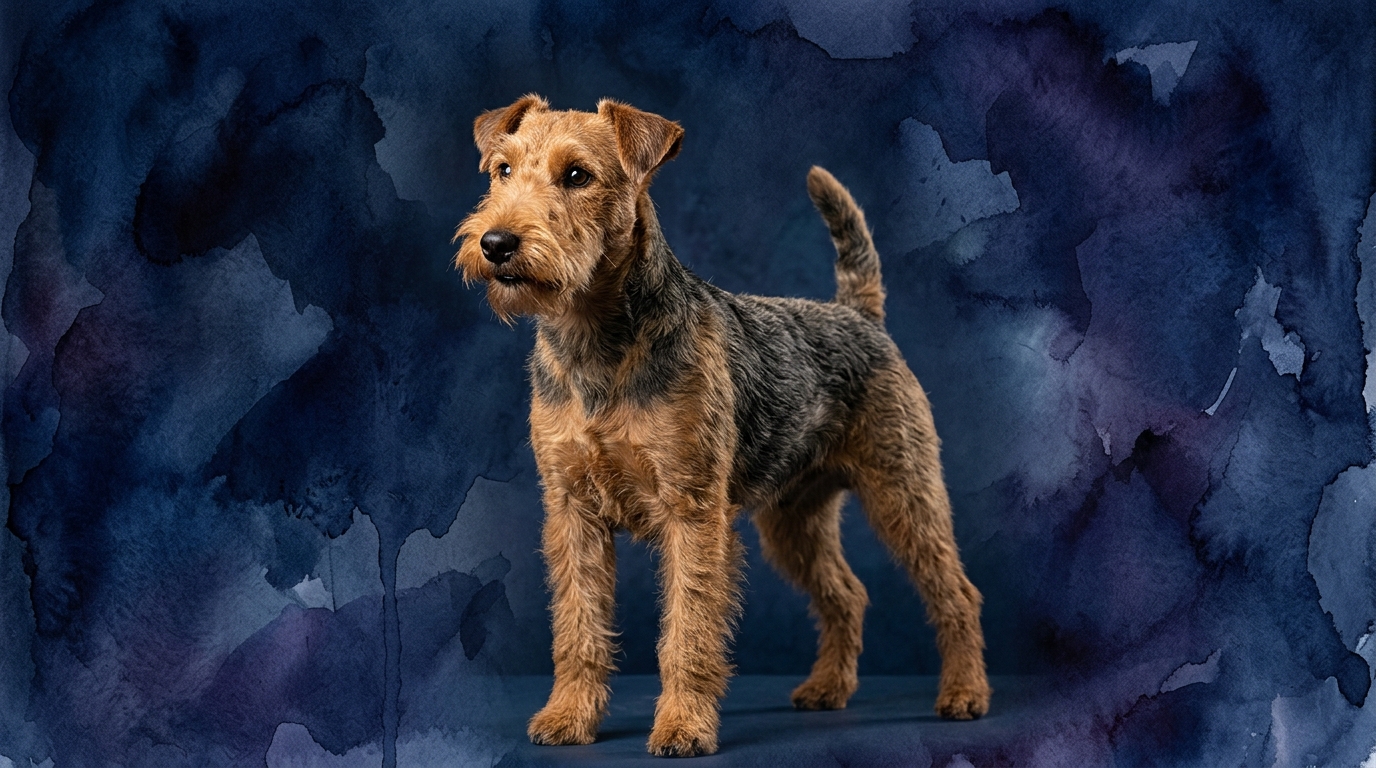
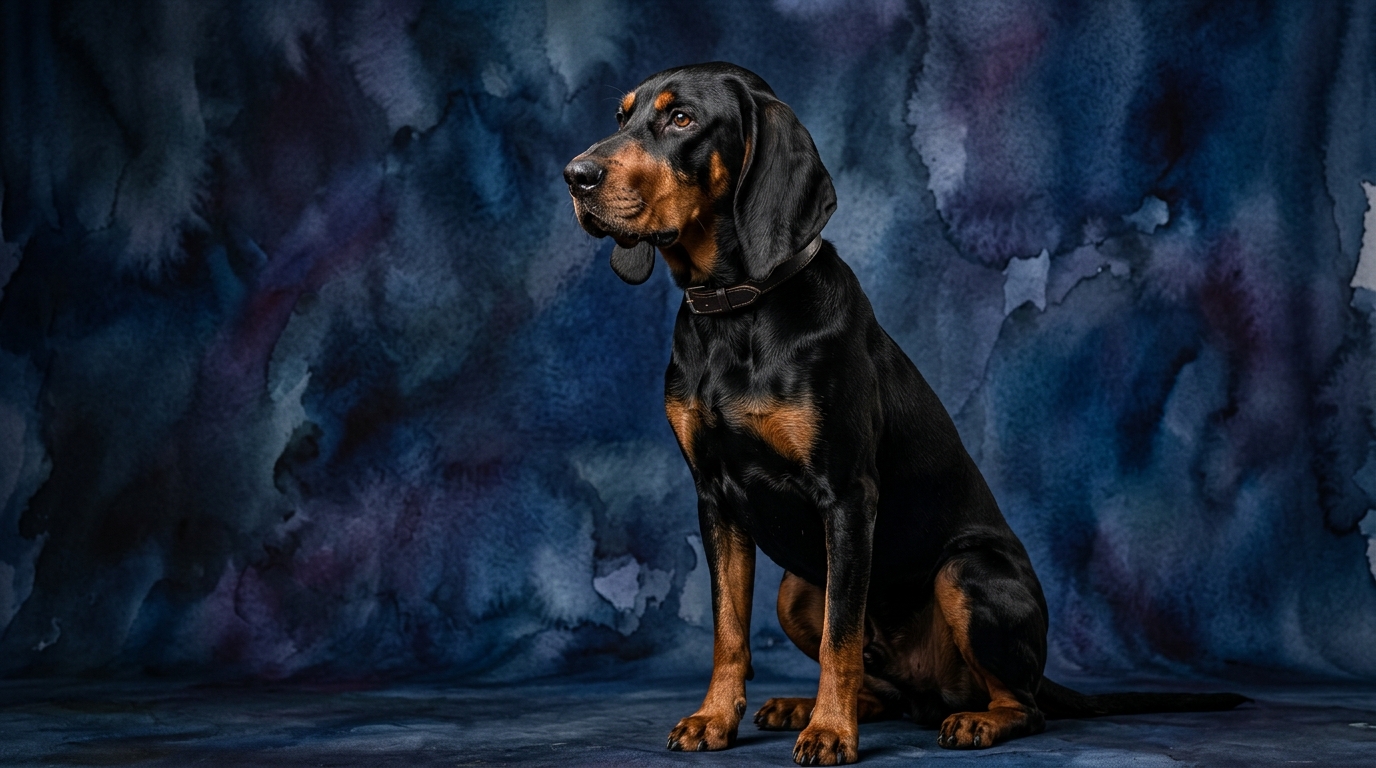
Side-by-Side Pet IQ Profile
**Welsh Terrier:** The Welsh Terrier's cognitive profile, rated consistently at 3/5 across our dimensions, highlights a balanced yet distinct intelligence. Their **Problem Solving (3/5)** involves a practical, often direct approach to overcoming household obstacles, such as retrieving a hidden toy or navigating barriers to reach an intriguing scent. This is driven by persistent trial-and-error and their inherent tenacity to complete self-appointed 'tasks', often finding creative ways to achieve their desired outcome. For **Training Speed (3/5)**, Welsh Terriers grasp commands at a moderate pace with consistent reinforcement. However, their independent spirit and strong focus on external stimuli can challenge consistent execution, as they may prioritize a more compelling distraction over a known command, demanding patient, engaging methods. Their **Social Intelligence (3/5)** shines within their established family, where they form strong attachments and often read their primary human companions' moods and routines well. They are generally more discerning with strangers, preferring observation before acceptance, and their interactions can be direct and assertive. The **Instinctive Drive (3/5)** is deeply rooted in their terrier heritage, manifesting as a pronounced prey drive, a keen desire to dig, and an assertive nature towards smaller creatures. This fuels their curiosity and provides a strong internal motivation for active exploration and 'work' in their environment. Finally, their **Memory (3/5)** is robust for routines, the location of favored objects or interesting smells, and past successful endeavors, allowing them to anticipate and strategize based on prior experiences within their home territory.
**Black and Tan Coonhound:** The Black and Tan Coonhound also registers 3/5 across all cognitive dimensions, yet their expression of these traits is profoundly shaped by their specialized hunting purpose. Their **Problem Solving (3/5)** is primarily geared towards navigating complex natural environments and deciphering intricate scent trails. This involves a methodical, persistent approach, meticulously working through challenges presented by their olfactory world, analyzing scent patterns, and charting the most efficient path to their quarry, often requiring sustained focus over long periods. For **Training Speed (3/5)**, Black and Tan Coonhounds learn new commands at a moderate rate, especially when training incorporates their natural drives or offers clear, positive reinforcement. However, their deep immersion in scent exploration can make them appear less responsive to commands if their nose is engaged, demanding patience and understanding of their primary motivation. Their **Social Intelligence (3/5)** typically exhibits a gentle and amiable nature, being generally tolerant and good-natured with their human families and often with strangers. They form strong, loyal bonds and demonstrate an understanding of pack dynamics within a household, often seeking companionship and adapting well to various social situations. The **Instinctive Drive (3/5)** is overwhelmingly dominated by their superb olfactory capabilities and their purpose as a scent hound. This manifests as an insatiable desire to track, a powerful baying vocalization, and incredible stamina for sustained pursuit, fundamentally guiding their exploration and interaction with the world through scent. Their **Memory (3/5)** is exceptional for scent, capable of recalling and distinguishing specific trails over time and distance. They also remember familiar territories and routes taken during past excursions, crucial for their tracking abilities and building a rich mental map of their environment based on olfactory information.
Where the Welsh Terrier Wins Cognitively
While both breeds share similar cognitive scores, the Welsh Terrier often demonstrates a more direct and independent cognitive initiative in typical household settings. Their problem-solving, though rated 3/5, frequently manifests as inventive tactics to achieve personal goals, such as outsmarting a puzzle toy or finding a way to access a forbidden treat. This terrier tenacity translates into a self-directed cognitive drive that can appear more overtly 'clever' in everyday domestic scenarios, particularly when it involves navigating human rules or routines to their advantage. Their focused loyalty also gives them an edge in discerning subtle social cues from their immediate family members, allowing for a nuanced understanding of their specific human companions' moods and expectations.
Where the Black and Tan Coonhound Wins Cognitively
The Black and Tan Coonhound’s cognitive strengths shine brightest in their specialized sensory processing and sustained focus. Their 3/5 problem-solving isn't about outwitting a person for a treat, but about meticulously untangling a complex web of scents in the natural world. This requires an unparalleled ability to concentrate for extended periods on a singular, abstract task—tracking—which is a profound cognitive feat. Their memory, while rated 3/5, is especially acute for olfactory information and spatial mapping of environments based on scent, a superior capacity vital for their historical purpose. This allows them to navigate and recall complex outdoor information with remarkable precision, a cognitive advantage distinct from the Welsh Terrier's domestic-focused intellect.
Which is Easier to Train and Why
Training ease between these two breeds presents distinct challenges rooted in their core motivations. The Welsh Terrier, with its 3/5 training speed, can grasp commands quickly, but its independent spirit and high prey drive mean they often weigh the value of compliance against the thrill of an independent pursuit. They require engaging, varied training to prevent boredom and a firm, consistent approach to overcome their self-assured nature. The Black and Tan Coonhound, also at 3/5 for training speed, learns at a similar pace, but their primary challenge lies in their intense olfactory focus. Once a compelling scent is detected, their drive to follow it overrides almost all other stimuli, including handler commands. This translates into a dog that might appear 'stubborn' but is simply following an overwhelming biological imperative. Therefore, while both require patience, the Welsh Terrier might be easier to motivate with play and food in a controlled environment, whereas the Coonhound's training demands a profound understanding and management of their scent-driven world, especially regarding recall.
Which Suits Active Owners vs. Relaxed Owners
Both the Welsh Terrier and the Black and Tan Coonhound are better suited for active owners, though their activity needs differ. The Welsh Terrier thrives with owners who can provide ample opportunities for energetic play, structured mental stimulation, and consistent outdoor exercise that satisfies their digging and chasing instincts. They need an owner who is willing to engage with their spirited personality and manage their independent streak through training and boundaries. A relaxed owner might find the Welsh Terrier's boundless energy and potential for mischief overwhelming. The Black and Tan Coonhound also requires an active owner, particularly one who enjoys long walks, hikes, or even scent work. Their stamina and need to explore via scent mean they require sustained physical and mental engagement outdoors. While they can be calm indoors, they are not content with minimal exercise; their drive for movement and olfactory exploration is fundamental. A truly relaxed owner might struggle to meet the substantial exercise and engagement requirements of either breed, but especially the Coonhound's need for extensive scenting opportunities.
The Verdict
Opt for a Welsh Terrier if you appreciate a confident, spirited companion who thrives on active engagement, enjoys puzzle-solving around the home, and offers devoted loyalty within a close family unit. They are an excellent match for owners who can provide consistent training, varied mental challenges, and manage a strong, independent personality.
Select a Black and Tan Coonhound if you are an outdoors enthusiast eager to explore with a gentle, amiable partner whose greatest joy is following a scent trail. They are ideal for patient owners who understand and can accommodate a powerful, instinctual drive for tracking, providing ample opportunities for long, meandering walks and olfactory enrichment.
🧠 Find Your Pet's IQ Score
Our Pet IQ Lab assessment covers 25+ tests across 5 cognitive dimensions — personalized to your breed.
Take the Full IQ Test →Frequently Asked Questions
Are Welsh Terriers good apartment dogs despite their energy?
Welsh Terriers can adapt to apartment living if their owners commit to providing significant daily exercise, mental stimulation, and consistent training. Their moderate size helps, but their energy and need for engagement mean short walks are insufficient; they require vigorous play and opportunities to burn off steam.
Do Black and Tan Coonhounds bark a lot?
Black and Tan Coonhounds are known for their distinctive 'baying' vocalization, which is part of their hunting heritage. While not constant, they will vocalize when tracking a scent, alerting to strangers, or sometimes out of boredom, so potential owners should be prepared for a vocal dog.
How do these breeds do with children and other pets?
The Welsh Terrier can be good with older, respectful children and may tolerate other pets with early socialization, though their prey drive might be an issue with very small animals. Black and Tan Coonhounds are generally amiable and patient with children and can coexist peacefully with other dogs, especially if raised together, but their strong prey drive means careful introductions to smaller pets are essential.