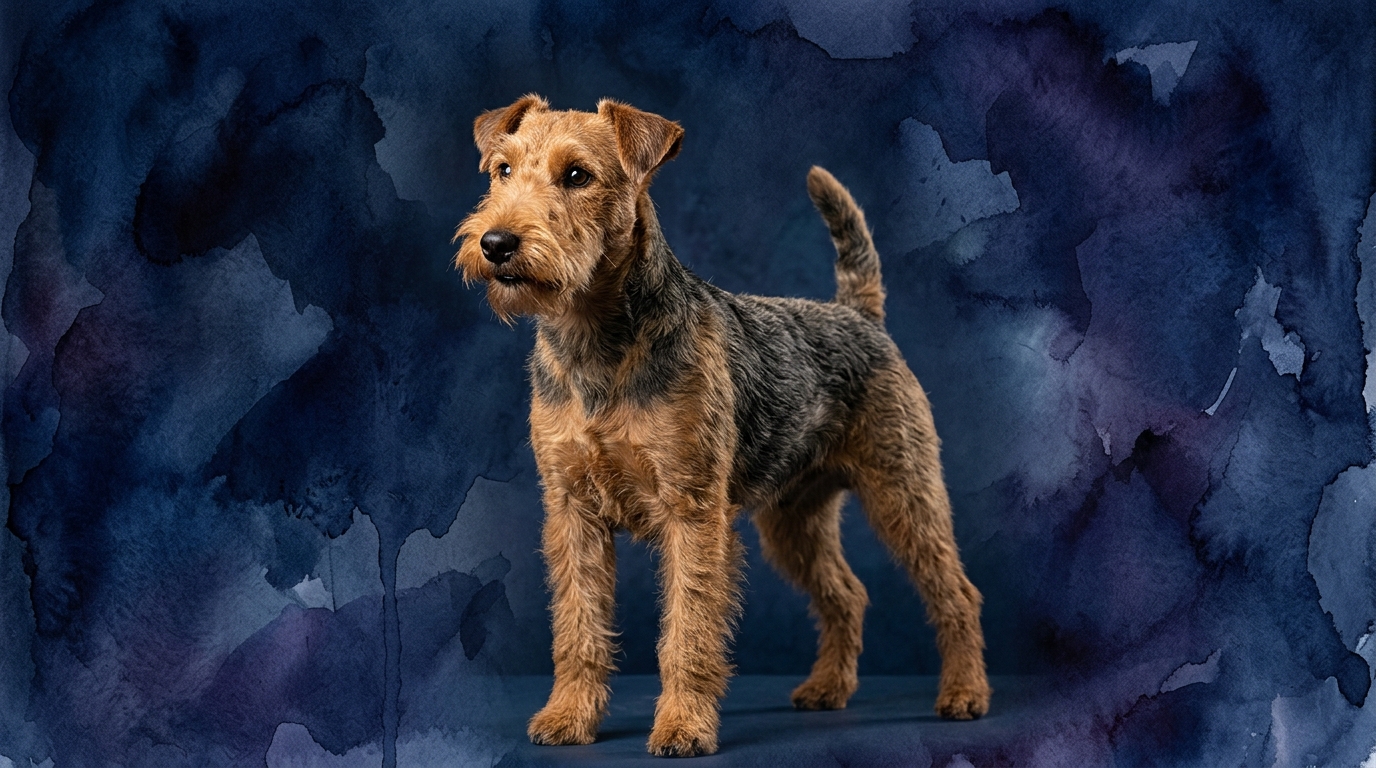
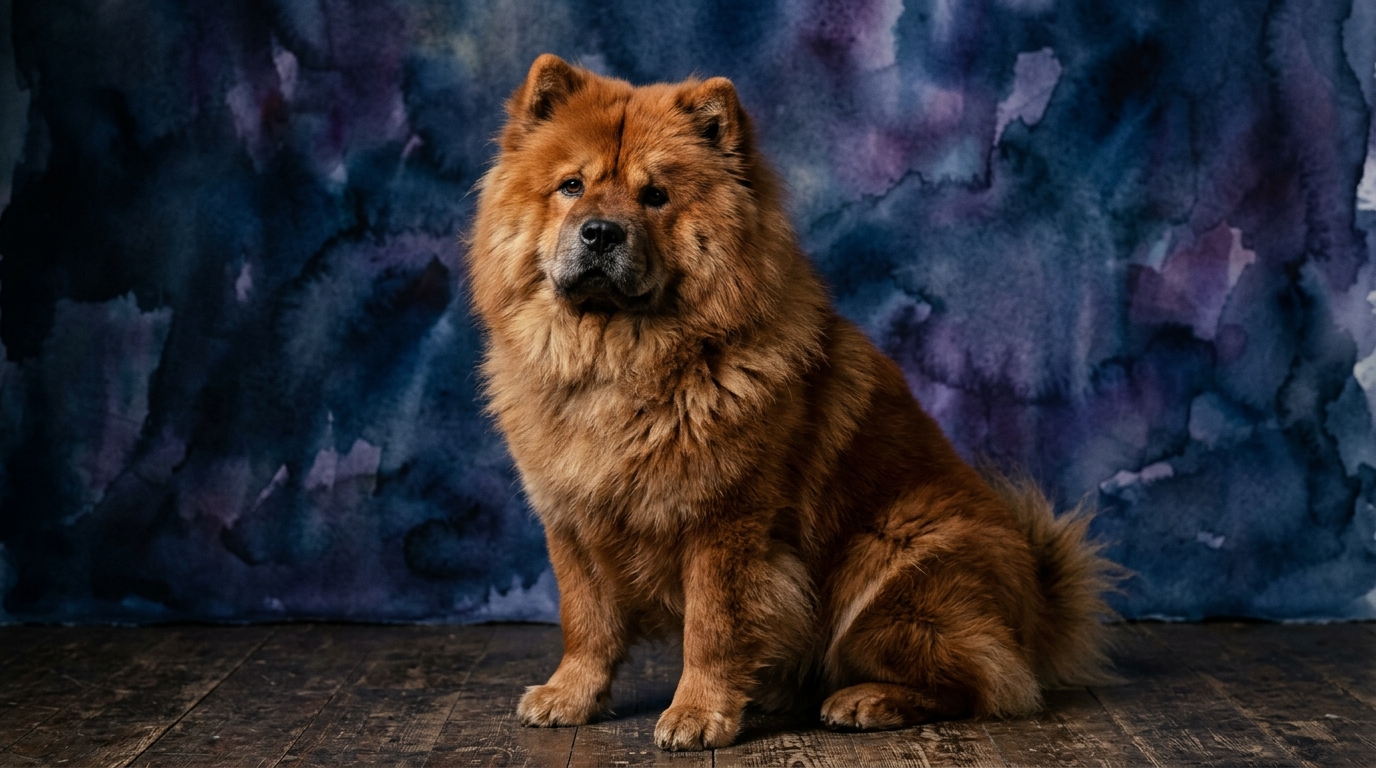
Side-by-Side Cognitive Profile: Welsh Terrier vs. Chow Chow
The Cosmic Pet Pet IQ Lab assesses five core dimensions of canine intelligence, and both the Welsh Terrier and the Chow Chow surprisingly land at a 3 out of 5 across all categories. This similarity in raw scores, however, belies significant differences in how these breeds apply their cognitive capacities, rooted deeply in their historical roles and inherent temperaments.
For the **Welsh Terrier**, a 3/5 in Problem Solving indicates a moderate ability to navigate novel situations and figure out solutions, often driven by their terrier tenacity and prey drive; they are resourceful, particularly when motivated by an engaging challenge. Their 3/5 in Training Speed suggests they grasp new commands and routines at a moderate pace, but their independent streak means consistency and compelling motivation are crucial for retention and reliable execution. Social Intelligence at 3/5 means they can read human cues and social dynamics adequately, but their spirited nature often leads them to prioritize their own agenda over strict compliance. An Instinctive Drive of 3/5 reflects their strong natural instincts for hunting and exploration, which can be channeled but also requires management. Finally, a Memory score of 3/5 indicates they retain learned information and experiences reasonably well, remembering commands and past interactions.
The **Chow Chow**, too, scores 3/5 across the board, but these scores manifest differently. Their Problem Solving at 3/5 often translates to a calculated approach to environmental challenges or social dynamics, preferring to observe and strategize rather than impulsively react; they are adept at finding comfortable spots or avoiding unwanted interactions. A 3/5 in Training Speed means they learn commands at a moderate rate, but their profound independence and often low desire to please require exceptional patience, positive reinforcement, and a deep understanding of their unique motivations for effective training. Social Intelligence at 3/5 reflects their ability to understand social hierarchies and boundaries, but they are typically aloof and discerning, often showing indifference to strangers while being deeply loyal to their chosen few. An Instinctive Drive of 3/5 is heavily weighted towards guarding and territoriality, coupled with a strong sense of self-preservation and independence, rather than a high prey drive. Their Memory at 3/5 means they remember past interactions, rules, and routines, often holding grudges or developing strong preferences based on previous experiences.
Where the Welsh Terrier Excels Cognitively
Despite identical numerical scores, the Welsh Terrier's cognitive strengths often lie in its dynamic engagement with the world and its ability to adapt quickly to changing stimuli. Their Problem Solving, while rated 3/5, is often expressed through an energetic, persistent approach to tasks, especially those involving exploration or 'hunting' games. They are quick to assess a situation requiring physical dexterity or a clever maneuver, such as figuring out how to retrieve a toy from a tight space or outsmarting a puzzle feeder. This terrier-specific ingenuity is less about deep contemplation and more about active trial-and-error, driven by an inherent zest for action.
Their moderate Social Intelligence is often paired with a more communicative and expressive demeanor compared to the Chow Chow, allowing for clearer two-way interaction with their human companions. While they possess an independent streak, a well-socialized Welsh Terrier is generally more open to collaborative activities and reads human body language and vocal tones with an eagerness to participate, even if they occasionally opt for their own interpretation of the rules. This makes them appear more responsive in dynamic, interactive play scenarios where quick decisions and engagement are valued.
Where the Chow Chow Demonstrates Cognitive Superiority
The Chow Chow's cognitive advantages emerge from its profound independence and discerning nature, particularly in areas related to judgment and self-sufficiency. Their 3/5 Problem Solving manifests as a more deliberate, often strategic, approach. A Chow Chow might not rush into a situation but will instead observe, process, and then act with a calculated efficiency, particularly in situations involving their personal space or resources. This manifests as an ability to self-regulate and make decisions that best suit their comfort or safety without constant human direction, a valuable trait for a historically independent breed.
Their Social Intelligence, also rated 3/5, is characterized by a deep, albeit selective, understanding of social dynamics. While aloof with strangers, Chows possess a remarkable ability to discern intentions and remember past interactions, forming strong, lasting bonds with their inner circle. This selective social acuity means they are often excellent judges of character within their known environment, quietly assessing and reacting based on a cumulative memory of interactions. Their Instinctive Drive, particularly for guarding, showcases a cognitive ability to patrol, observe, and react appropriately to potential threats without needing explicit commands, relying on their internal judgment and memory of what constitutes a 'normal' environment.
Trainability: A Tale of Two Temperaments
When it comes to trainability, the distinction between these breeds becomes more pronounced, despite their identical 'Training Speed' scores. The Welsh Terrier, though possessing a moderate training speed of 3/5 and a spirited, sometimes stubborn nature, is generally more amenable to traditional obedience training than the Chow Chow. Their terrier drive often means they are more engaged by interactive training methods, especially those that tap into their natural instincts for 'work' or problem-solving. While they require consistency and patience to overcome their independent streak, their desire for interaction and activity often translates into a greater willingness to participate in structured learning, especially if it's fun and varied. They learn at a moderate pace, but their application of that learning can be more reliable in varied environments with continued practice.
The Chow Chow, with its moderate 3/5 training speed, presents a unique set of challenges rooted in its profound independence and low intrinsic motivation to please. This breed's Coren rank of #76 places it in the lowest quartile for working and obedience intelligence, a testament to its strong will rather than a lack of cognitive capacity. Training a Chow Chow requires an exceptional degree of patience, consistency, and a deep understanding of positive reinforcement tailored to their individual preferences. They learn commands but often choose whether or not to obey based on their own assessment of the situation and their personal inclination. They are not inherently eager to perform repetitive tasks or to constantly seek human approval. Therefore, while they are capable of learning, their reliability in responding to commands, especially under distraction or in novel environments, is typically lower than that of a Welsh Terrier, demanding a highly dedicated and experienced trainer.
Lifestyle Match: Active Engagement vs. Dignified Companionship
The cognitive and temperamental differences between these two breeds lead to clear distinctions in the type of owner they suit. The Welsh Terrier, with its energetic approach to problem-solving, moderate social engagement, and pronounced instinctive drive, thrives with active owners who enjoy engaging in various activities. They are best suited for individuals or families who can provide consistent mental stimulation through training, puzzle toys, and outdoor adventures, alongside plenty of physical exercise. Owners who appreciate a lively, interactive companion eager to participate in family life, even with a touch of terrier independence, will find the Welsh Terrier a rewarding match. Their cognitive abilities are best honed through consistent, varied engagement.
Conversely, the Chow Chow is an ideal companion for more relaxed, patient owners who appreciate a dignified, independent presence rather than constant interaction. Their measured problem-solving, selective social intelligence, and strong guarding instincts mean they prefer a predictable routine and a calm home environment. Owners who understand and respect a breed's need for personal space and are not seeking an overly effusive or constantly obedient companion will find the Chow Chow a loyal, albeit reserved, friend. Their cognitive strengths are best nurtured by owners who offer quiet companionship, clear boundaries, and consistent, fair leadership without demanding excessive compliance or playful antics.
The Verdict
Choose a Welsh Terrier if you seek an active, spirited companion who enjoys interactive challenges and a moderate level of engagement, and you are prepared for a persistent, independent streak.
Opt for a Chow Chow if you value an independent, dignified companion with a discerning nature, and you are ready to invest significant patience in training and respect their inherent aloofness.
🧠 Find Your Pet's IQ Score
Our Pet IQ Lab assessment covers 25+ tests across 5 cognitive dimensions — personalized to your breed.
Take the Full IQ Test →Frequently Asked Questions
Are Welsh Terriers difficult to train?
Welsh Terriers possess a moderate training speed (3/5) and are capable learners, but their terrier independence and spirited nature mean consistency and engaging, positive reinforcement are essential. While not inherently difficult, they require an owner who understands their drive and can make training fun and varied to maintain their interest.
Why is the Chow Chow considered less trainable despite similar IQ scores?
The Chow Chow's Coren rank of #76 reflects its strong independence and low motivation to inherently please, rather than a lack of cognitive ability. While they learn at a moderate pace (3/5), their willingness to consistently obey commands is often lower, requiring exceptional patience and tailored positive reinforcement from their owner.
Which breed is better for first-time dog owners?
Neither breed is typically recommended for first-time dog owners due to their distinct needs and strong personalities. However, a Welsh Terrier might be slightly more manageable for an inexperienced but committed owner due to its higher propensity for interactive engagement, while a Chow Chow's profound independence and guarding instincts generally require a more experienced hand.