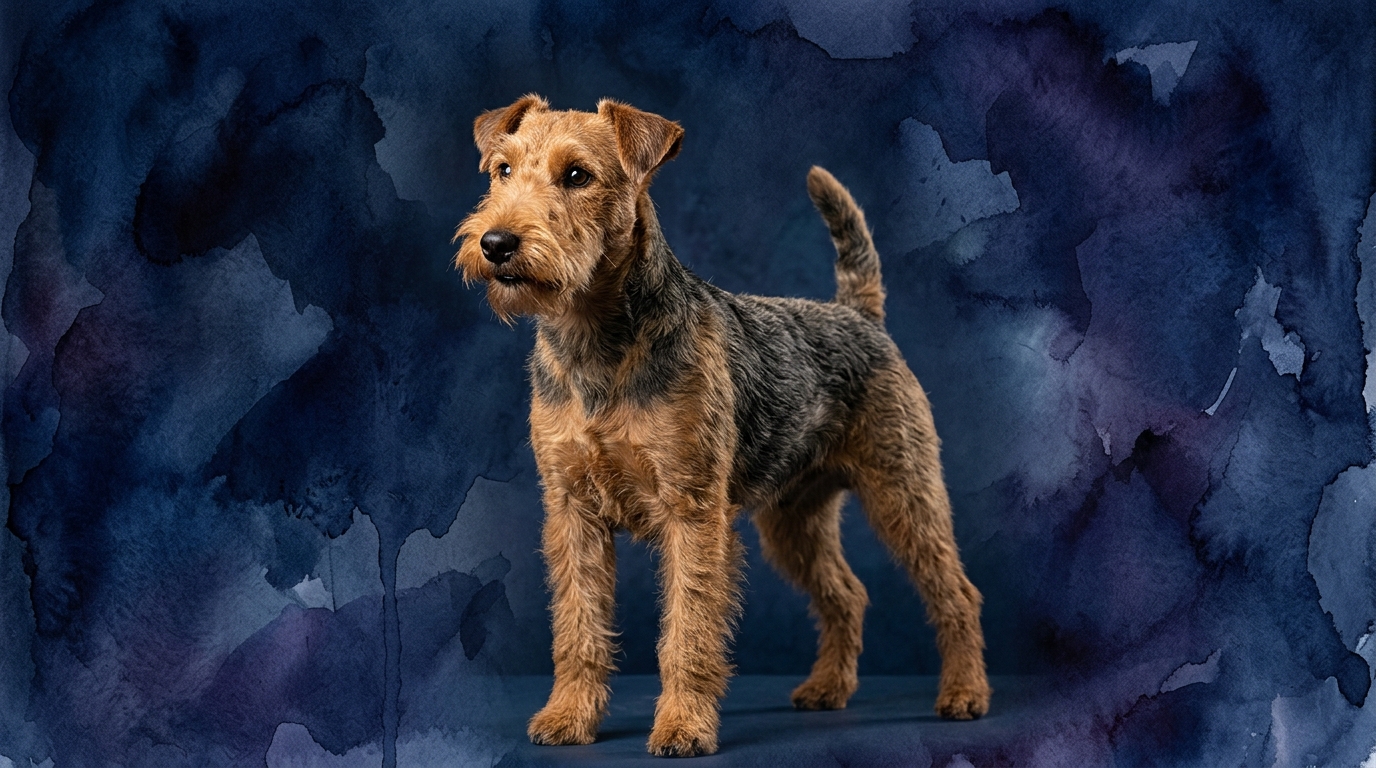
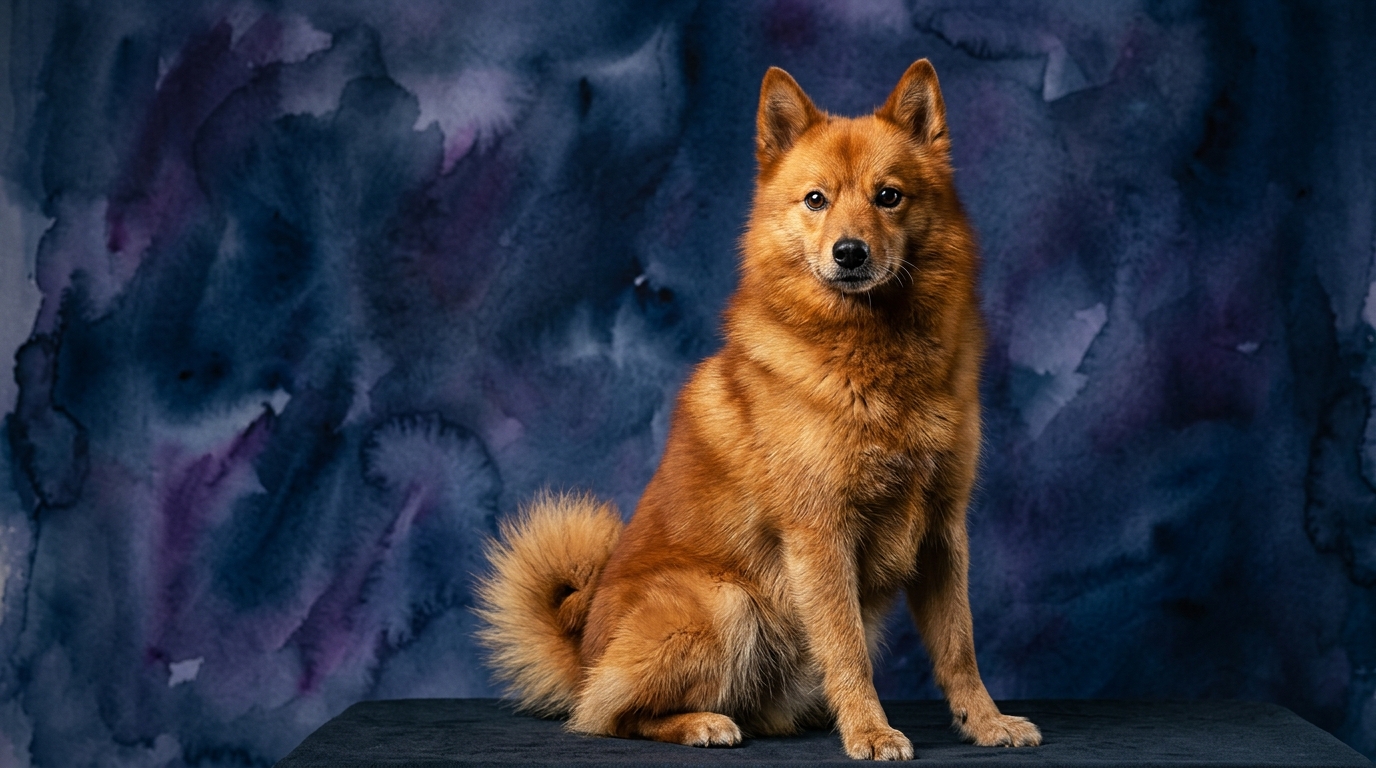
Side-by-Side Cognitive Profiles
At The Cosmic Pet Pet IQ Lab, both the Welsh Terrier and the Finnish Spitz achieved a consistent 3/5 across all five cognitive dimensions. This shared metric, however, doesn't imply identical mental processes but rather a similar level of capability expressed through their unique breed characteristics.
**Welsh Terrier Cognitive Profile (All 3/5):**
**Problem Solving:** The Welsh Terrier approaches challenges with a tenacious, independent spirit, often devising clever, if sometimes mischievous, ways to achieve goals, like outsmarting a gate latch. Their problem-solving is less about intricate logic and more about persistent, trial-and-error ingenuity, fueled by their terrier drive.
**Training Speed:** While capable of learning quickly, the Welsh Terrier's independent nature and spirited personality mean training success hinges on engaging methods that keep their attention. They respond best to consistency and positive reinforcement, but can easily become bored with repetitive drills, requiring a trainer to be as clever as the dog.
**Social Intelligence:** This breed exhibits discerning social awareness, capable of understanding human moods and intentions, yet they often choose to respond based on their own agenda. They form strong bonds with immediate family but may reserve their full social charm, often observing strangers with a watchful rather than overtly welcoming demeanor.
**Instinctive Drive:** The Welsh Terrier possesses a pronounced instinctive drive rooted in their heritage as working terriers, manifesting as a strong prey drive, a propensity for digging, and an alert barking habit. Their cognitive focus in this dimension is often directed towards environmental exploration and the pursuit of small, intriguing movements.
**Memory:** Their memory is robust for routines, commands, and the locations of favored items or past 'victories,' such as where a squirrel was last seen or where a treat might be hidden. They retain learned behaviors and associations effectively, which can be both a benefit in training and a challenge if undesirable habits are inadvertently reinforced.
**Finnish Spitz Cognitive Profile (All 3/5):**
**Problem Solving:** The Finnish Spitz applies its problem-solving abilities primarily to its environment, particularly in scenarios related to its natural hunting role, such as navigating varied terrain or pinpointing a distant sound. Their approach is often observational and analytical, using senses to map surroundings and react to subtle cues, rather than actively manipulating objects.
**Training Speed:** This breed learns at a steady pace, but their independent spirit and a tendency towards self-direction mean training requires patience, consistency, and understanding of their unique motivations. They are sensitive to harsh corrections and thrive on positive reinforcement, often requiring a calm, encouraging approach.
**Social Intelligence:** The Finnish Spitz displays a deep, albeit sometimes reserved, social intelligence, forming profound attachments with core family members and demonstrating a nuanced understanding of household dynamics. They communicate through a rich repertoire of barks and vocalizations, often being more expressive vocally than through overt physical displays of affection.
**Instinctive Drive:** Their instinctive drive is profoundly shaped by their heritage as barking bird dogs, characterized by an intense focus on vocalizing to alert to stimuli and a keen interest in scent and movement. This drive means their cognitive resources are often allocated to processing environmental sounds and visual cues, making them highly attuned watchdogs.
**Memory:** The Finnish Spitz possesses a reliable memory for established routines, familiar people, and specific locations, particularly those associated with positive experiences or daily activities. They remember commands and associations well, which aids in consistent training, but also means they can recall past negative experiences, necessitating gentle and positive handling.
Where the Welsh Terrier Excels Cognitively
Despite identical scores, the Welsh Terrier often demonstrates a more proactive and manipulative form of problem-solving within a domestic context. Their terrier tenacity and inherent drive to 'get to' things mean they excel at figuring out how to open cabinets, dig under fences, or maneuver objects to reach a desired outcome, showcasing a practical ingenuity. This specific cognitive advantage lies in their persistent, hands-on approach to overcoming immediate physical obstacles, often outthinking their humans in creative ways to achieve their personal objectives, a testament to their independent intellect.
Where the Finnish Spitz Excels Cognitively
The Finnish Spitz, while equally scoring 3/5, often exhibits a superior cognitive advantage in environmental awareness and auditory processing, a direct reflection of their hunting heritage. Their problem-solving is less about physical manipulation and more about intricate interpretation of their surroundings, such as discerning subtle changes in wind direction or identifying distant sounds. Their social intelligence is also deeply integrated with their vocalizations, allowing for a more complex and nuanced communication through their barks and 'yodels' than typically observed, providing a rich, specific form of expression within their family unit and a keen ability to 'talk' to their people.
Training Dynamics: Which is Easier and Why?
Neither the Welsh Terrier nor the Finnish Spitz is inherently 'easy' to train, both scoring 3/5 in training speed, implying they require a thoughtful approach rather than simple repetition. The Welsh Terrier's independent streak and high prey drive often mean they'll weigh a command against their own immediate interests, requiring trainers to be consistently engaging and to make training feel like a stimulating game. Their terrier predisposition to dig and chase means managing these strong instinctive behaviors through redirection and secure environments is paramount. In contrast, the Finnish Spitz, while also independent, is often more sensitive to tone and environment, thriving on positive reinforcement and gentle consistency. Their profound instinctive drive to bark means that teaching them appropriate vocalization is a significant, ongoing training challenge, requiring patience and understanding of their unique communicative nature. Therefore, ease of training isn't about raw speed, but rather about which breed's specific cognitive quirks and instinctive drives align better with an owner's preferred training style and willingness to manage particular behavioral traits. A Welsh Terrier might be 'easier' for someone who enjoys a playful challenge and can outwit a clever dog, while a Finnish Spitz might be 'easier' for someone who appreciates subtle communication and can patiently shape vocal behaviors.
Matching Breeds to Lifestyles: Active vs. Relaxed Owners
Both the Welsh Terrier and the Finnish Spitz are breeds that thrive with active owners, making them less suitable for genuinely relaxed or sedentary lifestyles. The Welsh Terrier requires consistent physical exercise to satisfy their boundless energy and mental stimulation to curb their inquisitive, sometimes mischievous, tendencies. They excel in activities like agility, earthdog trials, or long, exploratory walks where they can engage their senses and problem-solve in varied environments. Their cognitive well-being is deeply tied to having purposeful outlets for their instinctive drives, meaning an owner must be prepared to provide engaging activities daily. The Finnish Spitz also demands an active lifestyle, but their activity often centers around their keen senses and vocal nature. They benefit from long hikes where they can 'work' by observing their surroundings and using their voice, or from scent work and structured 'talking' games. While they might enjoy periods of quiet companionship indoors, their cognitive and physical needs are best met by owners who appreciate and can facilitate their natural instincts, whether it's through outdoor adventures or dedicated training sessions that channel their vocalizations. Neither breed will simply content themselves with short walks and couch potato living; both require owners committed to an engaged, stimulating partnership.
The Verdict
Opt for a Welsh Terrier if you appreciate a spirited, tenacious companion who excels at hands-on problem-solving and enjoys engaging in playful, sometimes cunning, interactions.
Select a Finnish Spitz if you value a sensitive, vocal companion with a profound connection to their environment and a unique, expressive communication style.
🧠 Find Your Pet's IQ Score
Our Pet IQ Lab assessment covers 25+ tests across 5 cognitive dimensions — personalized to your breed.
Take the Full IQ Test →Frequently Asked Questions
Do Welsh Terriers and Finnish Spitz learn commands at the same rate?
Both breeds score 3/5 in Training Speed, indicating they learn at a moderate pace. However, their learning styles differ; Welsh Terriers thrive on engaging, varied tasks, while Finnish Spitz respond best to patient, positive reinforcement due to their sensitivity and independence. Consistency is key for both.
How do their problem-solving skills differ despite identical scores?
The Welsh Terrier typically applies its 3/5 problem-solving to physical obstacles, often finding clever, tenacious ways to manipulate objects or environments to get what they want. The Finnish Spitz, with the same 3/5 score, tends to focus on environmental interpretation and sensory analysis, often solving problems related to navigation or identifying subtle cues in their surroundings.
Which breed is more vocal, and how does this relate to their intelligence?
The Finnish Spitz is notably more vocal due to its strong instinctive drive as a barking bird dog, using a wide range of barks and yodels to communicate. This vocalization is a key aspect of their social intelligence and problem-solving, allowing for expressive communication. While Welsh Terriers also bark, their vocalizations are generally less varied and not as central to their cognitive expression.