Side-by-Side IQ Profile: Unpacking the 3/5 Score
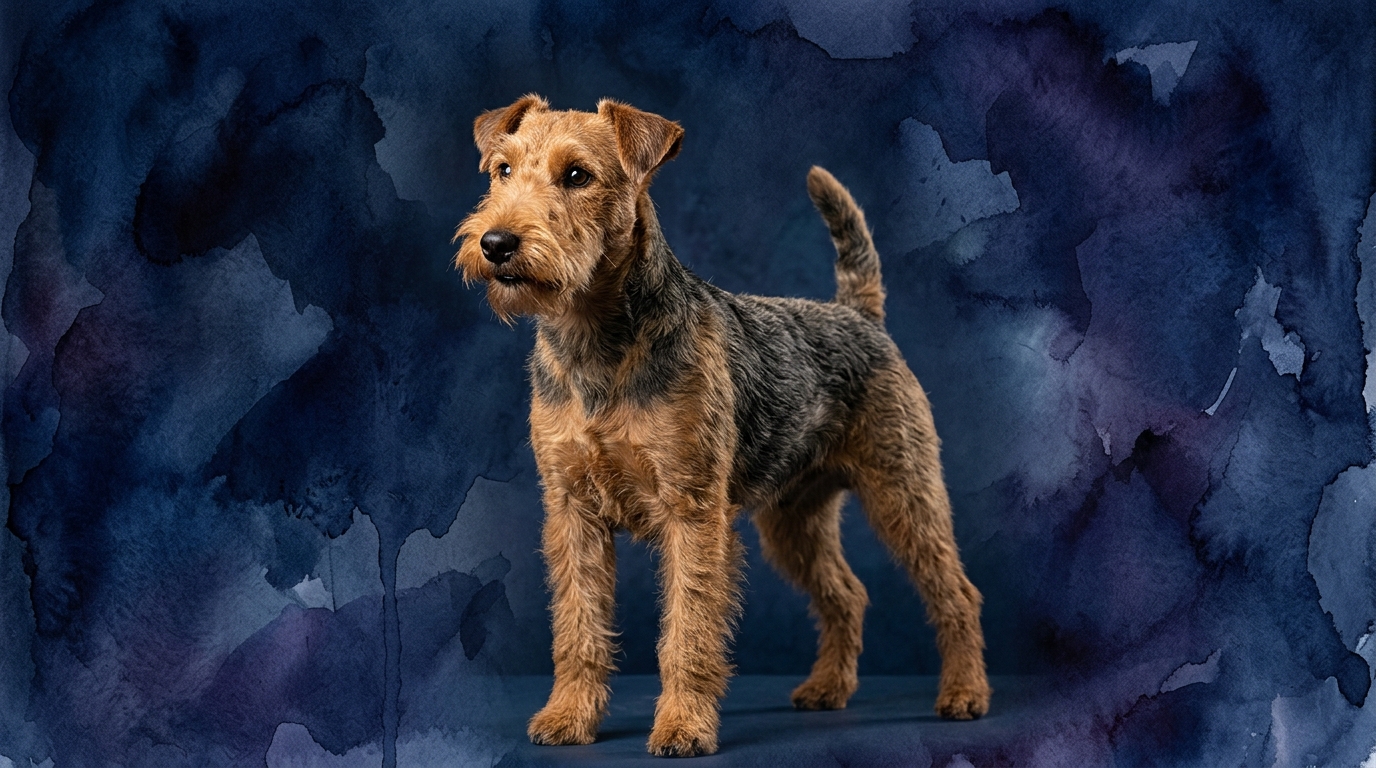
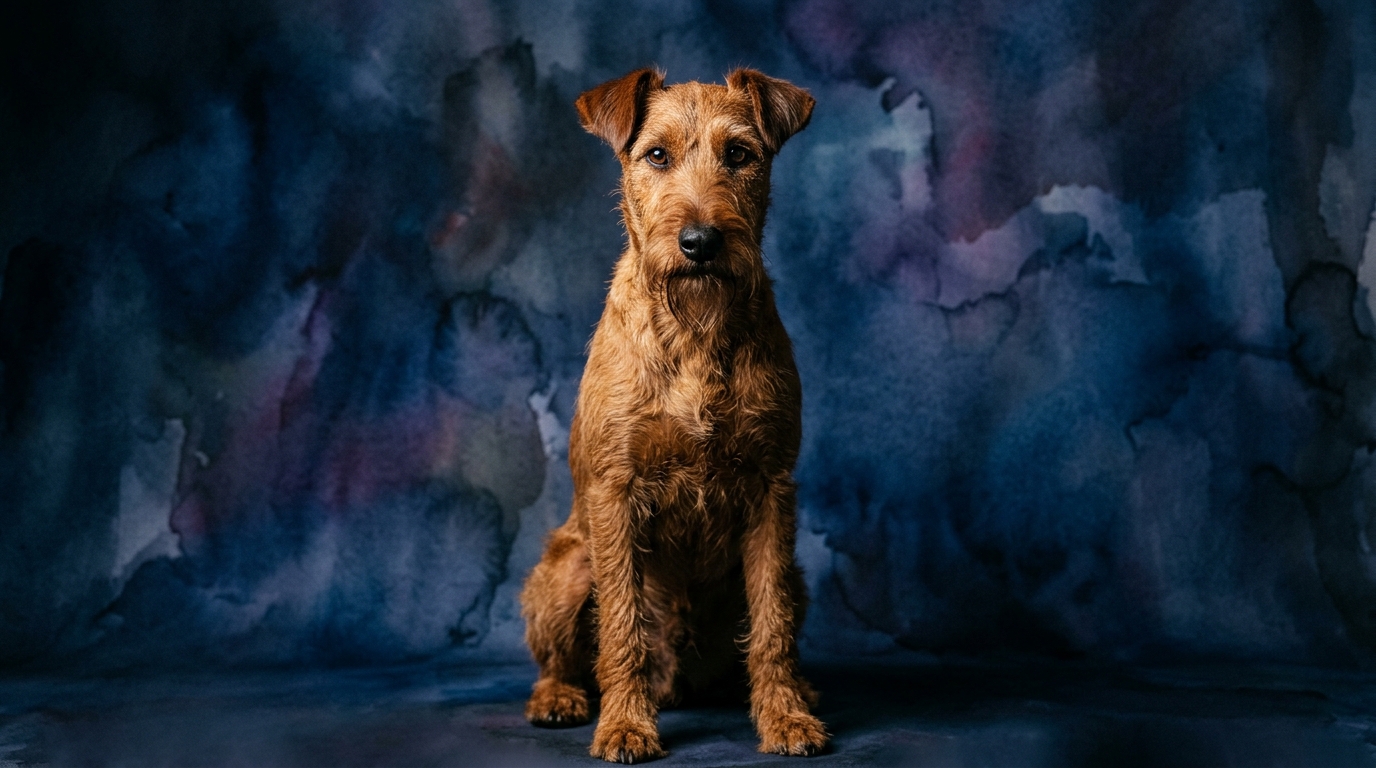
Both the Welsh Terrier and Irish Terrier demonstrate a moderate capacity for problem-solving (3/5), yet their approaches diverge. The Welsh Terrier often exhibits a more thoughtful, observant methodology, assessing situations before acting, which can lead to methodical solutions for puzzles or navigating novel environments. In contrast, the Irish Terrier typically tackles challenges with a bolder, more energetic trial-and-error approach, relying on persistence and quick reactions to overcome obstacles, especially in dynamic, fast-paced scenarios.
When it comes to training speed (3/5), both breeds learn commands at a moderate pace, but their willingness to comply is distinct. The Welsh Terrier responds well to consistent, positive reinforcement and clear expectations, though their independent streak means they weigh the benefit of compliance. The Irish Terrier also learns quickly, yet their spirited and independent nature demands a confident, patient trainer who can channel their exuberance and occasional stubbornness.
Their social intelligence (3/5) is also comparable in score but expressed differently. The Welsh Terrier is often observant of human emotions and subtle social cues, forming deep bonds within their family and being discerning with strangers. The Irish Terrier, conversely, is highly attuned to group dynamics and interactions, often wanting to be the enthusiastic center of family life, reading situations with an outgoing and direct approach.
The instinctive drive (3/5) is robust in both terriers, though its manifestation varies. The Welsh Terrier possesses a focused prey drive, often expressed through keen interest in scents, digging, and small animals, requiring structured outlets. The Irish Terrier exhibits a powerful, high-energy prey drive, characterized by vigorous chasing, an adventurous spirit, and a fearless attitude that demands consistent management in diverse environments.
Finally, their memory (3/5) is moderately effective for both breeds. The Welsh Terrier retains learned commands and routines well, especially when associated with positive experiences, remembering specific locations and past interactions. The Irish Terrier possesses a good memory for experiences, both positive and challenging, recalling training cues and social interactions with a lively clarity, particularly those involving play or preferred activities.
Where the Welsh Terrier Shines Cognitively
The Welsh Terrier's cognitive strengths often manifest in their nuanced social intelligence and deliberate problem-solving. They excel at deciphering subtle human cues and household routines, adapting their behavior with a quiet perceptiveness that allows them to be highly empathetic companions. Their memory aids in recalling successful strategies for tasks that benefit from a step-by-step approach, making them adept at puzzle toys or navigating complex environments through learned patterns, rather than impulsive action. This breed demonstrates a certain understated wisdom in their interactions and approach to challenges.
Where the Irish Terrier Excels Cognitively
The Irish Terrier's cognitive prowess is often evident in their energetic and fearless approach to challenges and their robust social engagement. They might quickly assess and react to rapidly changing outdoor environments, making split-second decisions during active play or when encountering new stimuli. Their problem-solving is characterized by a confident, persistent drive to achieve a goal, even if it means trying several approaches in quick succession. Their social intelligence manifests as an outgoing, engaging nature, allowing them to integrate readily into various social settings and often becoming the life of the party, remembering social cues with a lively clarity.
Training Dynamics: More Than Just Speed
While Welsh Terriers grasp concepts moderately fast (3/5 training speed), training them requires a patient, consistent, and reward-based approach. Their independent streak means they won't blindly obey; they need to be convinced that the task is worthwhile or rewarding. They can be sensitive to harsh corrections, which may lead to withdrawal or stubbornness, so success comes from making training feel like a collaborative effort. Leveraging their memory for positive associations and their social intelligence to build a strong, trusting bond through varied, engaging sessions yields the best results, ensuring compliance stems from willingness.
Similarly, the Irish Terrier learns at a moderate pace (3/5 training speed), but their training journey is shaped by their spirited nature. They require a confident, clear, and consistent leader who can channel their exuberance. Their tenacity, a strength in other areas, can translate into stubbornness if they don't see the point of an exercise, making positive reinforcement and short, fun, and varied training sessions crucial to keep them engaged. Their strong instinctive drive means early and continuous socialization and impulse control training are vital to manage their energetic responses to the world, making training a partnership in adventure rather than strict obedience.
Matching Personalities: Active vs. Relaxed Owners
While possessing a respectable instinctive drive, the Welsh Terrier might be a better fit for owners who appreciate a balance of activity and calm companionship. They thrive with structured daily walks, engaging playtime, and mental challenges like puzzle toys, but are generally content to relax indoors with their family afterwards. Their discerning social intelligence means they appreciate a home environment with clear routines and predictable interactions, making them suitable for active owners who also value quiet evenings and a dog that can settle. They require consistent engagement but might not demand the same relentless pace as some other terriers, allowing for a more varied lifestyle.
The Irish Terrier, with its robust instinctive drive and energetic approach to life, is undeniably suited for active owners who genuinely enjoy outdoor adventures and vigorous play. They require substantial daily exercise, including brisk walks, runs, and opportunities for off-leash exploration in secure areas. Their dynamic problem-solving and social intelligence mean they thrive when included in family activities, whether it's hiking, agility, or engaging in spirited games in the yard. A "relaxed" owner who cannot commit to channeling this breed's considerable energy and mental agility through consistent training and physical outlets will likely find an Irish Terrier challenging, as their unmet needs can lead to restless or destructive behaviors.
The Verdict
Choose the Welsh Terrier if you value a companion with a perceptive social intelligence and a more deliberate approach to challenges, appreciating a dog that balances spirited activity with a calm, discerning presence in the home.
Opt for the Irish Terrier if you seek an outgoing, tenacious partner for adventure, one whose bold spirit and dynamic problem-solving thrive with an equally active owner eager to channel their considerable zest for life.
🧠 Find Your Pet's IQ Score
Our Pet IQ Lab assessment covers 25+ tests across 5 cognitive dimensions — personalized to your breed.
Take the Full IQ Test →Frequently Asked Questions
Do Welsh Terriers and Irish Terriers shed much?
Both Welsh and Irish Terriers have wiry coats that are relatively low-shedding compared to some breeds. Regular brushing and professional hand-stripping or clipping are recommended to maintain their coat health and minimize loose hairs around the home.
Are either of these terrier breeds good with children?
Both breeds can be excellent family dogs, especially when raised with children and properly socialized from a young age. Their energetic nature means they can be playful companions, but supervision is always advised, particularly with younger children, to ensure respectful interactions and proper boundaries.
What kind of commitment do these terriers need for exercise?
Both breeds are active terriers requiring consistent daily exercise to stay happy and well-behaved. The Irish Terrier typically demands more vigorous and prolonged activity, while the Welsh Terrier needs regular, structured walks and playtime, benefiting from mental stimulation as much as physical exertion to prevent boredom.