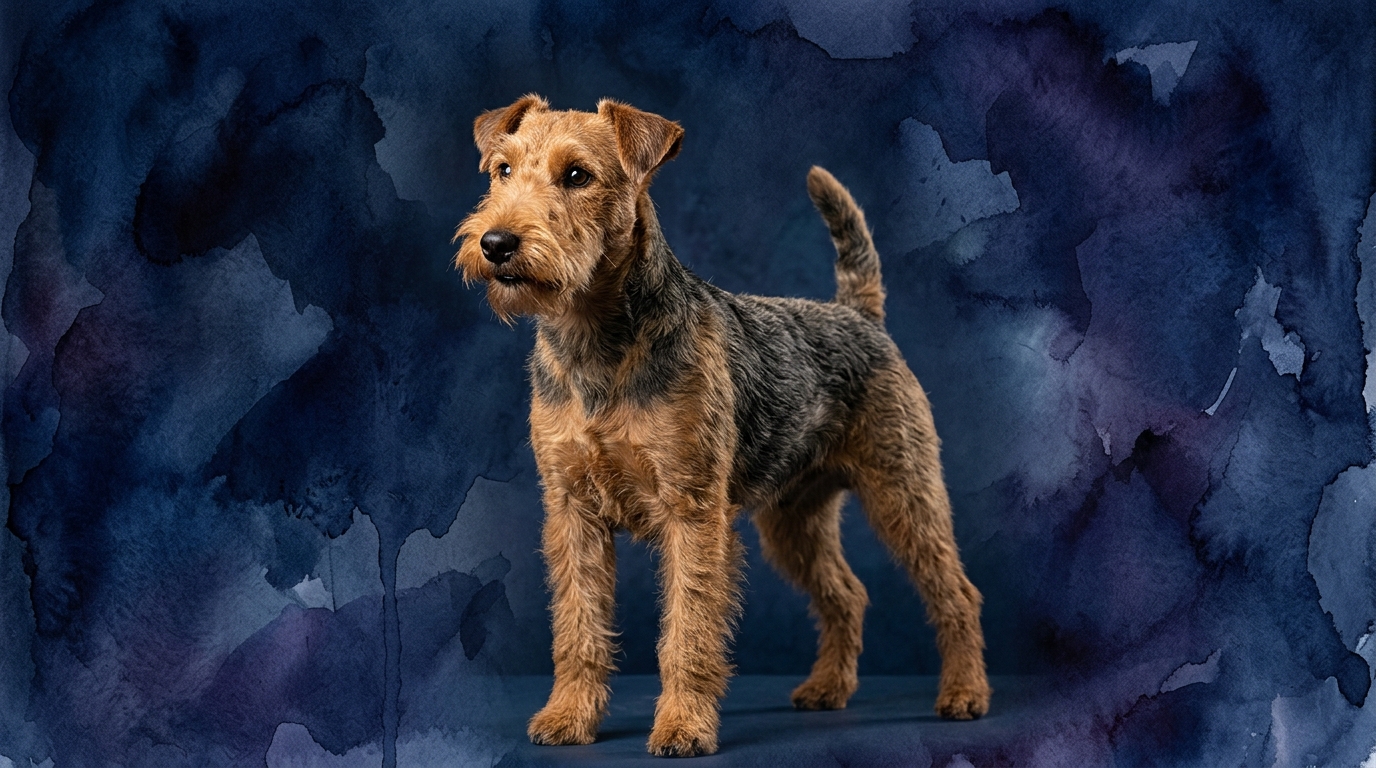
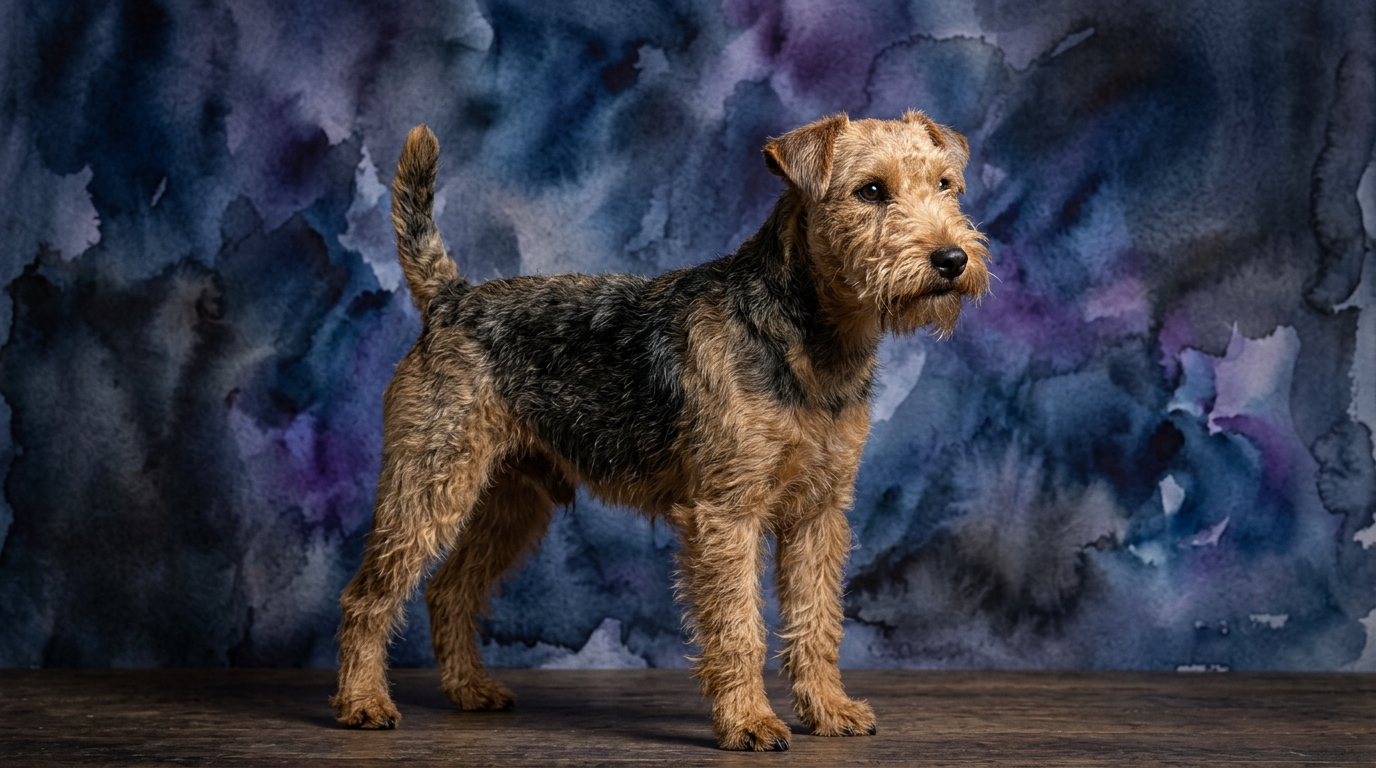
Side-by-Side Cognitive Profile: Identical Scores, Distinct Expressions
At first glance, the Pet IQ Lab data suggests an identical cognitive blueprint for both the Welsh Terrier and the Lakeland Terrier, each scoring 3/5 across all five dimensions. However, these scores are a robust baseline that, when explored through the lens of breed history and personality, reveal nuanced differences in how these cognitive abilities manifest. A 3/5 score for a terrier signifies a capable, independent mind that excels in certain areas but requires particular handling in others.
Problem Solving (3/5): Both breeds are adept at navigating complex environments and figuring out how to achieve their goals, whether it's finding a hidden treat or outsmarting a perceived barrier. Their solutions are often practical and direct, born from their working heritage of independent thought and the necessity to overcome obstacles in pursuit of prey. They are not easily deterred once a goal is set.
Training Speed (3/5): Neither is a breed that will master new commands in a single session, but with consistent, positive reinforcement, they are perfectly capable of learning a wide repertoire. Their independent streak means they require motivation and clear communication, not rote repetition. They learn best when training is engaging and perceived as a partnership rather than a command structure.
Social Intelligence (3/5): Both terriers possess a solid understanding of social dynamics within their family unit, reading human emotions and intentions with reasonable accuracy. However, their primary loyalty often lies with their immediate family, and they may be more reserved or discerning with strangers and other animals, preferring to observe before engaging fully. They are not typically overtly people-pleasing.
Instinctive Drive (3/5): A strong, inherent drive to explore, hunt, and dig is present in both breeds, reflecting their history as working dogs bred to go to ground after quarry. This manifests as a keen interest in scents, movement, and the pursuit of small prey, requiring careful management, secure environments, and appropriate outlets for these natural behaviors in domestic settings.
Memory (3/5): Both Welsh and Lakeland Terriers exhibit good memory, retaining learned commands, routines, and experiences over time. They remember both positive and negative associations, which underscores the importance of early, consistent, and positive training methods to build trust and good habits, as well as avoid reinforcing undesirable behaviors.
Where the Welsh Terrier's Cognition Shines
The Welsh Terrier, often described as having a 'big dog' personality in a compact frame, demonstrates its cognitive strengths in its methodical approach to challenges. With a Problem Solving score of 3/5, a Welsh might exhibit a more deliberate, almost analytical persistence when faced with an obstacle, such as figuring out how to access a coveted toy or navigate a new environment. Their historical role hunting badgers and foxes in rugged Welsh terrain demanded sustained focus and robustness.
Their 3/5 Instinctive Drive often manifests as a deep, unwavering focus on a chosen 'task,' be it tracking a scent or 'managing' their territory, sometimes to the exclusion of other stimuli. This singular focus, while sometimes perceived as stubbornness in training, can be a cognitive asset when a complex problem requires sustained attention and tenacity rather than quick, impulsive action. Their memory (3/5) supports this, allowing them to recall successful strategies and apply them with impressive consistency, making them reliable once a task is truly understood and accepted.
Where the Lakeland Terrier's Cognition Excels
The Lakeland Terrier, originating from the rugged fells of England, showcases its cognitive advantages through a distinct blend of agility and quick-witted adaptability. While sharing a 3/5 Problem Solving score with the Welsh, the Lakeland's historical role of hunting foxes in varied, often unpredictable terrain has honed a cognitive style that prioritizes swift decision-making and versatile strategies. They might approach a problem, like escaping a pen, with a more experimental, trial-and-error flair, quickly assessing different angles and methods.
Their 3/5 Social Intelligence can sometimes manifest as a slightly more outgoing and mischievous charm, allowing them to quickly gauge human moods and intentions, often using their playful nature to their advantage. This quick read of social cues, coupled with their agile physical and mental responses, can give them an edge in dynamic social interactions or rapidly changing training scenarios where a quick, clever pivot is more effective than sustained, methodical effort. Their memory (3/5) is sharp for patterns and routines, but their lively spirit might lead them to 'forget' a command if a more stimulating opportunity arises.
Trainability: Navigating Terrier Independence
When it comes to trainability, both the Welsh Terrier and the Lakeland Terrier score a 3/5 in Training Speed, indicating that neither is an instant learner nor inherently difficult, but both require a specific approach rooted in understanding their terrier temperament. The ease of training often hinges less on raw intellectual capacity and more on the breed's intrinsic motivation and response to instruction. The Welsh Terrier, with its more deliberate problem-solving style and sustained focus, can sometimes be perceived as stubborn during training. Their independent nature means they need to understand the 'why' or be sufficiently motivated to comply; rote obedience for obedience's sake is not their forte. Once a Welsh Terrier commits to a command, however, their excellent memory (3/5) ensures strong retention and reliability.
The Lakeland Terrier, while equally independent, often brings a more playful and mischievous energy to training. Their quick adaptability and tendency for experimental problem-solving can translate into a need for varied, engaging training sessions to prevent boredom. A Lakeland might be quicker to pick up a new trick if it's presented as a fun game, but their propensity for distraction and testing boundaries means consistency and clear, positive reinforcement are paramount to avoid them finding more 'interesting' alternatives to your commands. Both breeds thrive with patient, positive methods and a strong, trusting relationship with their handler.
Lifestyle Suitability: Active Minds, Active Lives
Given their shared origins as working terriers, neither the Welsh Terrier nor the Lakeland Terrier is well-suited for truly relaxed, sedentary owners. Both breeds possess a 3/5 Instinctive Drive, translating into a significant need for physical exercise and mental engagement to prevent boredom and destructive behaviors. For active owners who enjoy structured routines, the Welsh Terrier might be a slightly better fit. They thrive on vigorous daily walks, consistent play sessions, and mental challenges that tap into their methodical problem-solving skills, such as puzzle toys or scent work. While energetic outdoors, a well-exercised Welsh can be content to relax indoors with their family, often preferring a predictable schedule.
The Lakeland Terrier, with its slightly more agile and experimental cognitive style, often thrives with owners who embrace a more varied and dynamic activity schedule. They enjoy exploring new environments, engaging in dog sports like agility, or participating in long, adventurous hikes. Their quick wit and adaptability mean they require varied mental stimulation to prevent them from inventing their own 'games' if under-exercised, which might involve redecorating your garden or finding creative ways to entertain themselves. Both breeds will integrate best into homes where their innate terrier energy is channeled productively and consistently.
The Verdict
If you appreciate a robust, independent companion with a methodical approach to challenges and a dignified, sometimes reserved, demeanor, the Welsh Terrier might be your ideal match, provided you are prepared for patient, consistent training that respects their self-assured nature.
Conversely, if you are drawn to a quick-witted, agile, and often mischievous companion who thrives on varied adventures and dynamic mental stimulation, the Lakeland Terrier could be the perfect fit, especially if you enjoy engaging in playful, adaptable training methods that capitalize on their clever, experimental spirit.
🧠 Find Your Pet's IQ Score
Our Pet IQ Lab assessment covers 25+ tests across 5 cognitive dimensions — personalized to your breed.
Take the Full IQ Test →Frequently Asked Questions
Are Welsh or Lakeland Terriers good with children?
Both breeds can be good with respectful, older children, especially if raised with them and socialized early. Their terrier instincts mean they may not tolerate rough play or teasing, and supervision is always recommended to ensure positive interactions and teach children appropriate behavior around dogs.
Do Welsh or Lakeland Terriers shed much?
Neither breed is a heavy shedder, making them relatively low-shedding options for those concerned with pet hair. They both have wiry coats that require regular stripping or professional grooming every few months to maintain their texture, health, and neat appearance, which also helps manage shedding.
What is the main difference in temperament between Welsh and Lakeland Terriers?
While both are spirited terriers, Welsh Terriers are often described as slightly more reserved, serious, and dignified, showing strong independence and sometimes a bit of aloofness with strangers. Lakeland Terriers tend to be a bit more outgoing, playful, and mischievous, with a quick adaptability that makes them seem more overtly clever and charming in social settings.