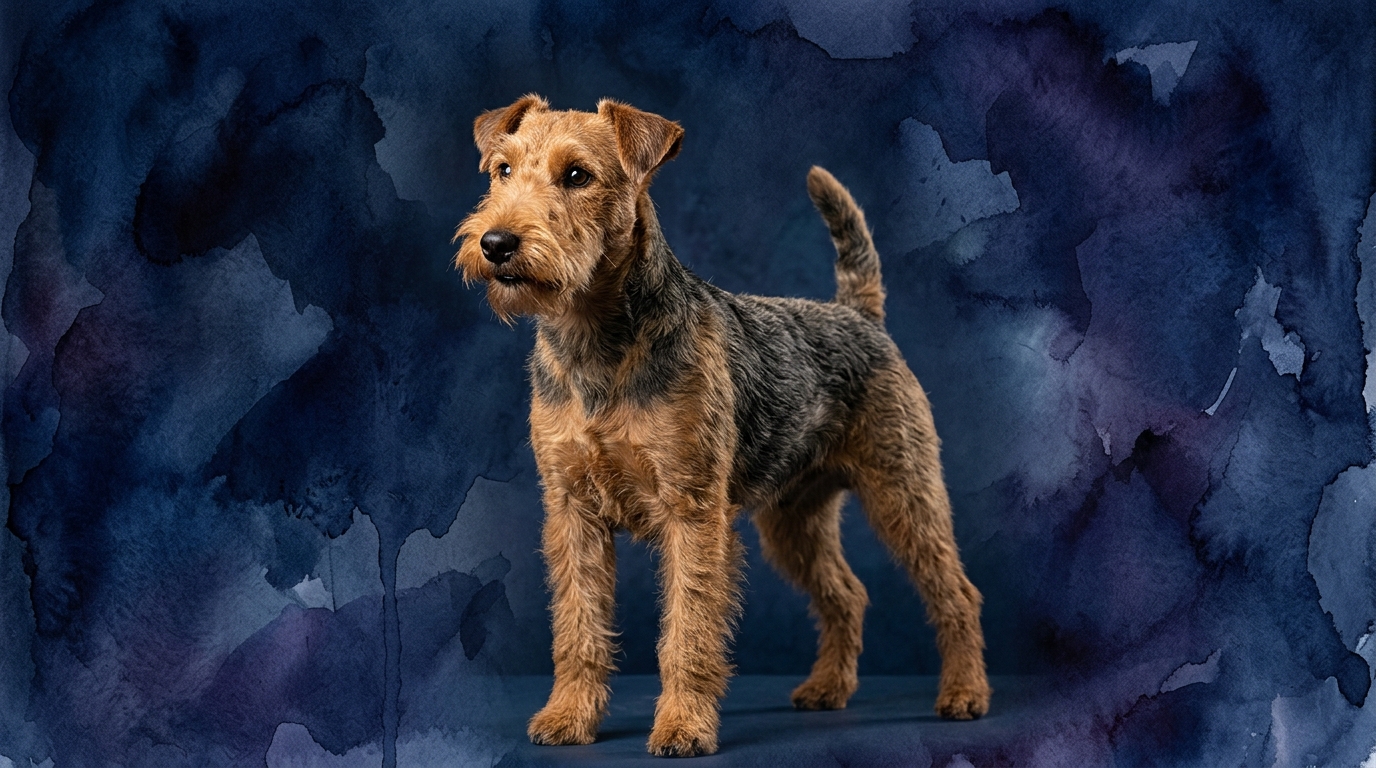

Side-by-Side Cognitive Profile: Welsh Terrier vs. Parson Russell Terrier
According to The Cosmic Pet Pet IQ Lab, both the Welsh Terrier and the Parson Russell Terrier exhibit a consistent 3/5 across all five cognitive dimensions. This identical scoring invites a deeper look into how these moderate capacities are expressed differently by each breed, shaped by their distinct temperaments and historical roles.
For **Problem Solving (3/5)**, both breeds show a moderate capacity to navigate new situations. The Welsh Terrier often approaches challenges methodically, assessing before acting, perhaps preferring a deliberate solution to a hidden treat. The Parson Russell Terrier, conversely, typically exhibits a more tenacious, trial-and-error style, powered by an unyielding drive to achieve its goal.
Regarding **Training Speed (3/5)**, both learn new commands at a respectable, moderate pace. Welsh Terriers are amenable to consistent positive reinforcement, absorbing lessons steadily, especially when training feels like a partnership. Parson Russell Terriers, while capable, might need a more dynamic, engaging approach to maintain focus, excelling when learning is framed as a stimulating game.
In terms of **Social Intelligence (3/5)**, both possess a moderate ability to interpret human cues. The Welsh Terrier often displays a reserved social intelligence, observing interactions keenly and adapting behavior, sometimes preferring engagement on their own terms. The Parson Russell Terrier tends to be more overtly communicative, readily engaging and often initiating interaction through lively presence.
Their **Instinctive Drive (3/5)** sees both sharing a moderate, palpable drive rooted in their terrier heritage. For the Welsh Terrier, this manifests as keen interest in scent work and a propensity for digging, reflecting their history flushing out badgers. The Parson Russell Terrier’s drive translates into a powerful urge to chase and pursue, embodying their legacy following foxes.
Finally, for **Memory (3/5)**, both demonstrate a moderate capacity for retaining information. A Welsh Terrier reliably remembers routines, familiar people, and favored spots, benefiting from predictable environments. The Parson Russell Terrier also exhibits solid memory recall, particularly for rewarding activities or specific routes, remembering past adventures with notable accuracy.
Where the Welsh Terrier Uniquely Excels Cognitively
Despite identical scores, Welsh Terriers often exhibit a slightly more deliberate and methodical approach to problem-solving (3/5). This can make them appear more thoughtful, assessing an obstacle before acting, rather than relying purely on relentless persistence. Their social intelligence (3/5) often comes with a nuanced capacity for independent observation; they might process complex social dynamics with quiet discernment, understanding household routines and subtle emotional shifts without always needing to be at the center of attention.
Their memory (3/5) can lean towards remarkable reliability in recalling specific spatial layouts and established routines, making them adept at navigating familiar environments and anticipating daily events with calm precision. This methodical nature, combined with their capacity for quiet observation, suggests an understated cognitive depth in their specific expression of moderate intelligence, valuing consistency and thoughtful engagement.
Where the Parson Russell Terrier Shows Cognitive Strengths
Parson Russell Terriers, while matching the Welsh Terrier's 3/5 problem-solving score, often channel their drive into a highly persistent and adaptive form of cognitive engagement. Their problem-solving isn't just about finding a solution; it's about relentlessly pursuing it through various attempts until success, demonstrating a robust mental stamina. Their instinctive drive (3/5) is frequently coupled with an exceptional capacity for quick analysis in dynamic situations, allowing them to rapidly process environmental changes and react with agility, a trait honed by their history in active pursuit.
This quick-thinking responsiveness, combined with their robust memory for rewarding experiences and their moderate social intelligence often expressed through lively engagement, gives them an edge in scenarios demanding rapid, energetic cognitive application. They excel at remembering actions that led to exciting outcomes and readily apply that knowledge in new, similar contexts, showcasing a spirited and adaptable intellect.
Training Dynamics: Which Breed is More Amenable?
Both breeds are rated 3/5 for training speed, indicating a moderate learning curve. However, the Welsh Terrier, often described as more stoic and less impulsive, might present as "easier" for an owner valuing consistency. They respond well to patient, consistent methods and are eager to please when expectations are clear, making them receptive to routine-based training. Their moderate instinctive drive allows them to focus without extreme distraction if the environment is managed.
In contrast, the Parson Russell Terrier's higher energy and intense focus on their environment, despite the same training speed, means they can be more challenging to keep engaged. Their natural inclination to pursue and explore demands creative, stimulating sessions to prevent boredom. While they learn quickly, their enthusiasm can override focus, requiring a trainer to be more adaptable and inventive to harness their energy effectively. The "easier" breed depends significantly on the trainer's style and ability to meet the dog's inherent personality.
Lifestyle Match: Active Owners vs. Relaxed Owners
The choice between these terriers largely hinges on an owner's lifestyle. Both, with their 3/5 instinctive drive, need moderate but significant physical and mental stimulation. The Parson Russell Terrier typically demands a more active, adventurous owner, thriving on extensive outdoor activities, engaging games, and exploration. Their persistent problem-solving (3/5) and quick responsiveness make them an excellent match for owners who enjoy hiking, running, or dog sports, seeking a tireless companion.
The Welsh Terrier, while energetic and requiring regular exercise, often exhibits a slightly more contained energy. They enjoy vigorous play and walks, but their moderate instinctive drive and deliberate nature mean they can adapt better to a slightly less intense daily routine. While not for genuinely "relaxed" owners, they might suit those seeking an active companion who is also content with quality indoor time after their needs are met, without the constant 'go-go-go' drive of some other high-energy terriers.
The Verdict
Choose a Welsh Terrier if you appreciate a dog with a thoughtful, methodical approach to life, who thrives on consistent routines and offers a steady, observant companionship after their moderate exercise needs are met.
Opt for a Parson Russell Terrier if you are an active, adventurous owner seeking a tenacious, energetic partner for outdoor pursuits and enjoy a dog whose problem-solving is fueled by relentless curiosity and spirited engagement.
🧠 Find Your Pet's IQ Score
Our Pet IQ Lab assessment covers 25+ tests across 5 cognitive dimensions — personalized to your breed.
Take the Full IQ Test →Frequently Asked Questions
Do Welsh Terriers and Parson Russell Terriers really have the same IQ scores?
Yes, according to The Cosmic Pet Pet IQ Lab, both breeds score 3/5 across all five cognitive dimensions: problem-solving, training speed, social intelligence, instinctive drive, and memory. This indicates a moderate capacity in each area for both breeds.
How can their intelligence differ if their scores are identical?
While their scores are numerically the same, the *manifestation* of these scores varies due to their distinct breed histories and temperaments. For instance, both have 3/5 problem-solving, but the Welsh might be more methodical, while the Parson Russell might be more persistent and trial-and-error driven.
Which breed is better for first-time dog owners?
Neither breed is typically recommended for entirely inexperienced owners due to their strong terrier traits and moderate training speed. However, a Welsh Terrier might be slightly more manageable for a committed first-timer willing to provide consistent, patient training, due to their somewhat more reserved nature compared to the often more boisterous Parson Russell.