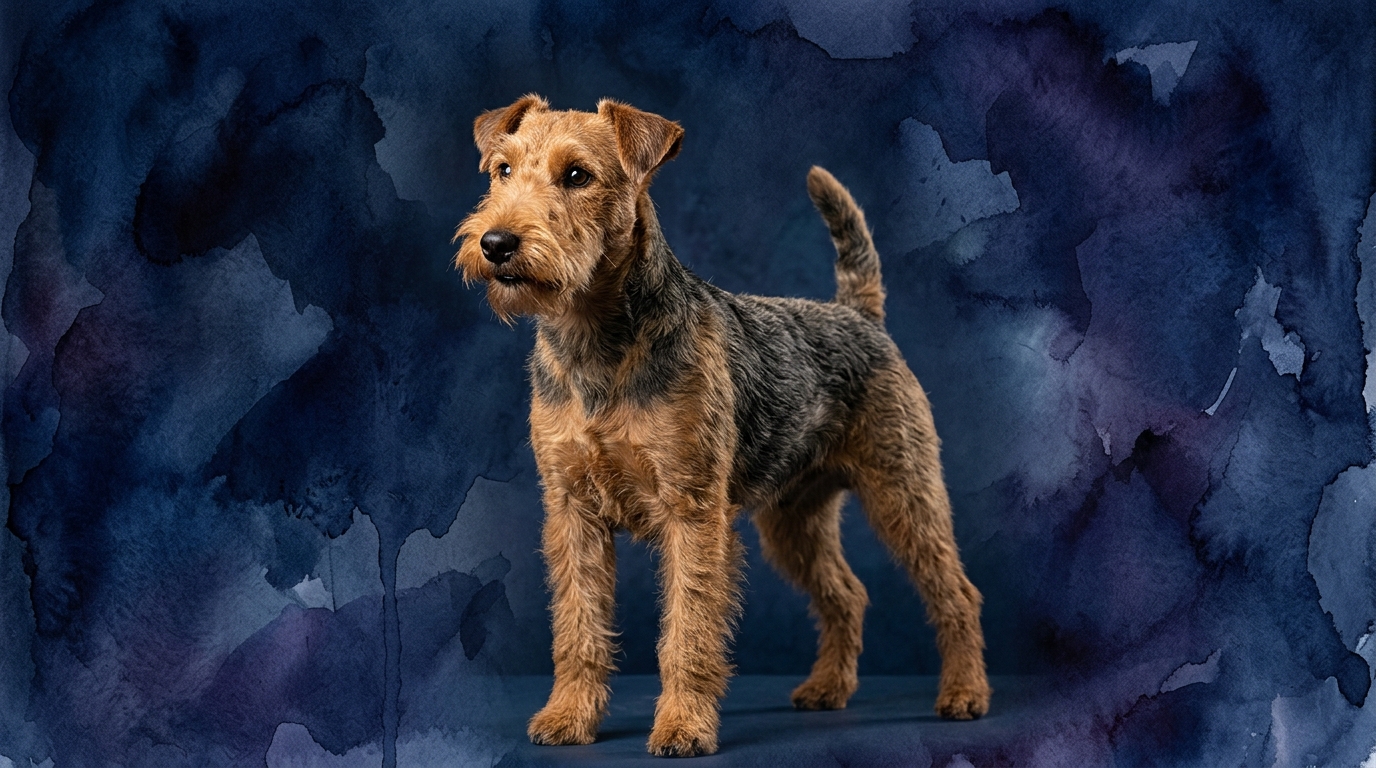
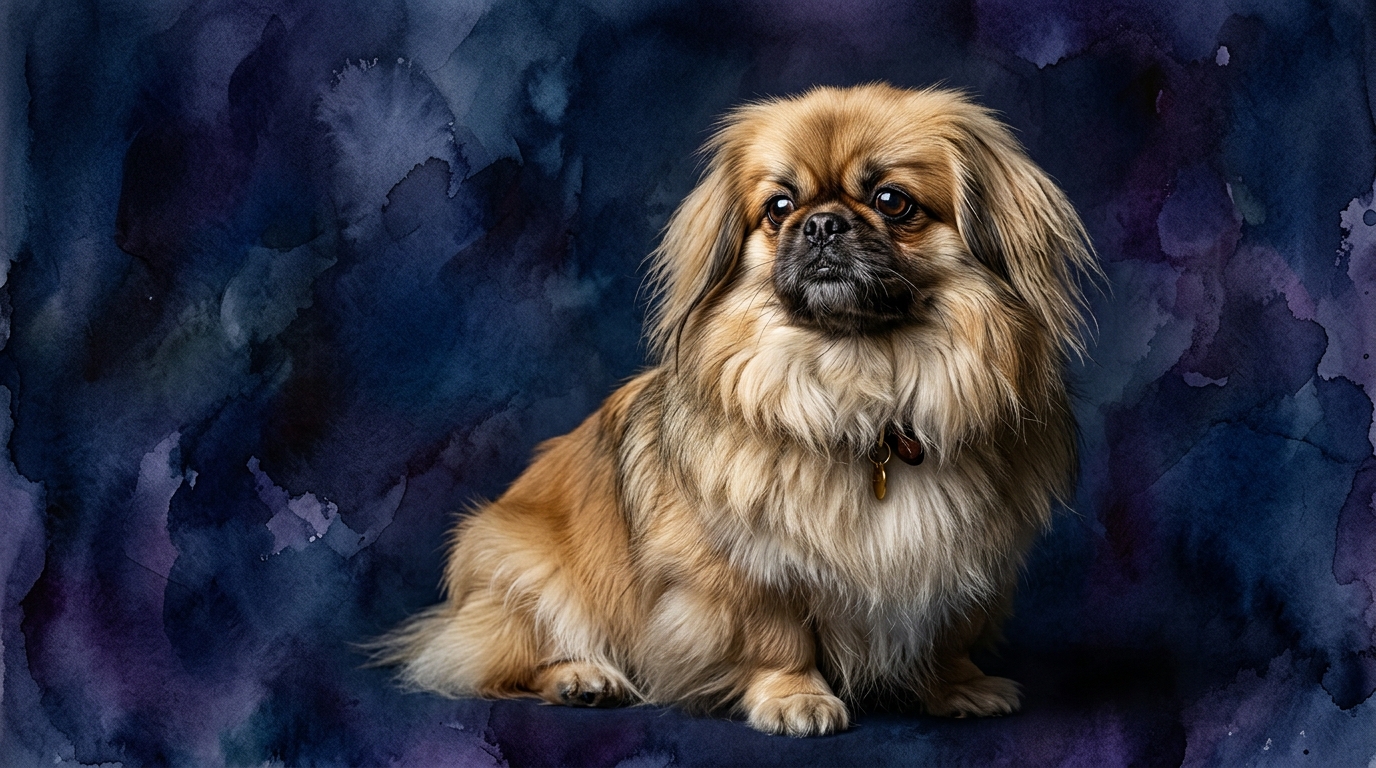
Side-by-Side IQ Profile
The Pet IQ Lab assesses canine cognition across five distinct dimensions, each scored on a scale of 1 to 5. For both the Welsh Terrier and the Pekingese, a consistent score of 3/5 across the board suggests a solid, average capacity in each area, indicating neither exceptional difficulty nor outstanding aptitude. However, the interpretation of these scores shifts dramatically when considering their ancestral roles and breed-specific predispositions.
For the Welsh Terrier, a member of the tenacious Terrier group, a 3/5 in Problem Solving implies a resourceful mind, adept at navigating challenges related to their historical role of hunting vermin. This isn't about complex abstract thought, but rather practical, hands-on ingenuity in their environment. Their Training Speed at 3/5 indicates they are capable learners, yet their independent spirit means consistency and engaging methods are crucial to retain their focus. Social Intelligence at 3/5 suggests they can read human cues and form strong bonds, but often with an assertive, self-assured streak typical of Terriers. A 3/5 in Instinctive Drive points to a well-developed prey drive, a propensity for digging, and an alert nature, all fundamental to their breed purpose. Finally, their Memory at 3/5 means they retain learned behaviors and experiences effectively, remembering both successful strategies and past interactions.
The Pekingese, a distinguished Toy breed, also scores 3/5 in all dimensions, but these scores reflect a different set of priorities. Their 3/5 in Problem Solving often manifests as cleverness in domestic settings, figuring out how to achieve comfort, gain attention, or subtly influence their human companions. Training Speed at 3/5 signifies they can learn, but their independent and sometimes regal disposition, coupled with a Coren ranking of #77 for obedience intelligence, indicates that motivation and patience are paramount. Their Social Intelligence at 3/5 highlights their proficiency in understanding human emotions and routines, making them sensitive companions, though they can be reserved with strangers. A 3/5 in Instinctive Drive for a Pekingese translates less into physical hunting and more into guarding their territory or favorite person, and a strong drive for comfort and companionship. Their Memory at 3/5 ensures they recall routines, preferences, and the individuals who provide them with security and affection, often holding strong impressions of both positive and negative experiences.
Where Welsh Terrier Wins Cognitively
The Welsh Terrier's cognitive strengths truly shine in scenarios demanding independent thought and physical persistence, deeply rooted in their Terrier heritage. Their 3/5 problem-solving score, when interpreted through a working dog lens, means they excel at practical, environmental challenges. They possess a robust capability to assess a situation, devise a plan (often involving digging or maneuvering through tight spaces), and execute it with unwavering determination, particularly when a perceived "prey" or objective is involved. This isn't about complex puzzles, but rather the tenacity to overcome physical obstacles or outwit small quarry. Their strong instinctive drive (3/5) fuels this cognitive process, allowing them to remain focused on a goal even when faced with distractions, a trait less pronounced in breeds historically bred for companionship. Their memory (3/5) aids in recalling effective strategies for past "hunts" or problem-solving attempts, allowing them to refine their approach over time. This blend of practical problem-solving, driven instinct, and experiential memory gives them an edge in dynamic, outdoor environments where self-reliance is key.
Where Pekingese Wins Cognitively
Conversely, the Pekingese demonstrates a distinct cognitive advantage in the nuanced realm of social dynamics and domestic adaptation. Their 3/5 social intelligence score, within the context of a companion breed, signifies a profound ability to interpret human body language, vocal tones, and emotional states. They are masters at subtly communicating their needs and desires, often employing a charming yet persistent demeanor to achieve their aims, whether it's securing the warmest spot on the couch or extra attention. Their problem-solving (3/5) in this context is less about physical prowess and more about strategic interaction: how to get a treat, how to initiate play, or how to signal discomfort. This breed excels at optimizing their environment for comfort and security, often learning and remembering (3/5 memory) the routines and habits of their human family to their benefit. Their instinctive drive (3/5) may manifest as a keen sense of protective guardianship over their home and chosen people, coupled with a strong desire for companionship, making them exceptionally attuned to the ebb and flow of household life. This specific blend of social acuity and domestic problem-solving allows them to integrate seamlessly and advantageously into a human household.
Which Is Easier to Train and Why
Despite both breeds scoring 3/5 in training speed, the practical experience of training a Welsh Terrier versus a Pekingese often differs considerably, largely due to their inherent temperaments and historical roles. The Welsh Terrier's 3/5 training speed is coupled with a significant independent streak and a potent instinctive drive. They are capable of learning commands and routines, but their terrier nature means they are often more inclined to follow their own agenda, especially if a more stimulating distraction (like a squirrel) presents itself. Training requires a patient, consistent approach that leverages positive reinforcement and mental engagement, making it feel less like rote obedience and more like a partnership. Owners must be prepared for a certain level of stubbornness and a need to make training compelling and fun to maintain their interest.
The Pekingese, while also scoring 3/5 in training speed, presents a different set of challenges, reflected in their Coren ranking of #77, which suggests a slower learning curve for traditional obedience commands compared to many other breeds. Their independent, sometimes aloof demeanor means they are often less motivated by pleasing their owner and more by what benefits them directly. Training a Pekingese requires understanding their motivations – often comfort, food, or attention – and using these as powerful rewards. They might learn commands but choose when to execute them, making consistency and clear expectations vital. Their small size and charming nature can sometimes lead owners to be less rigorous with training, inadvertently reinforcing selective hearing. Neither breed is inherently "easy" in the traditional sense of a highly biddable working breed; instead, they demand different approaches: the Welsh Terrier needs a partner in crime, while the Pekingese needs a convincing negotiator.
Which Suits Active Owners vs Relaxed Owners
The divergence in suitability for active versus relaxed owners is quite clear when considering the underlying manifestations of their identical IQ scores and breed temperaments. The Welsh Terrier, with its 3/5 instinctive drive and practical problem-solving capabilities, thrives with active owners who can provide ample physical exercise and mental stimulation. Their energy levels and inherent curiosity mean they benefit from engaging activities such as long walks, hiking, agility training, or earthdog trials. Owners who enjoy outdoor adventures and are prepared to channel the Terrier's zest for life into constructive outlets will find a rewarding companion. Without sufficient engagement, their cognitive abilities might lead to "self-employment" in less desirable activities like excessive digging or barking.
The Pekingese, on the other hand, is a natural fit for more relaxed owners. Their 3/5 social intelligence and domestic problem-solving skills are best appreciated in a calm, comfortable home environment. While they enjoy short, leisurely strolls, their primary needs revolve around companionship and comfort rather than strenuous physical activity. Owners who appreciate a devoted, somewhat independent companion content with indoor living and gentle interaction will find the Pekingese an ideal match. Their strong memory and social aptitude allow them to integrate deeply into a quiet household routine, offering affectionate presence without demanding constant high-energy engagement.
The Verdict
Choose the Welsh Terrier if: You are an active individual or family seeking a spirited, independent, and intellectually engaging companion for outdoor adventures and structured activities that challenge their practical problem-solving skills.
Choose the Pekingese if: You prefer a tranquil home environment and desire a devoted, charming, and socially astute companion content with a more relaxed pace of life and indoor comfort.
🧠 Find Your Pet's IQ Score
Our Pet IQ Lab assessment covers 25+ tests across 5 cognitive dimensions — personalized to your breed.
Take the Full IQ Test →Frequently Asked Questions
Do Welsh Terriers and Pekingese learn at the same pace?
While both score 3/5 in training speed, their Coren ranking and breed temperaments suggest differences. Welsh Terriers learn well with engaging, partner-based training, while Pekingese, ranked #77, often require more patience and motivation-based methods for traditional obedience.
Is one breed more prone to destructive behaviors if not mentally stimulated?
Yes, their cognitive manifestations differ. A Welsh Terrier's 3/5 problem-solving and instinctive drive, if not channeled, can lead to digging, barking, or chasing. A Pekingese, while less physically destructive, might develop selective hearing or become overly demanding for attention if their social needs aren't met.
How does their memory (3/5) impact their daily lives?
For the Welsh Terrier, a 3/5 memory means they recall training and past problem-solving attempts, aiding their independent actions. For the Pekingese, it ensures they remember routines, preferences, and social dynamics, allowing them to integrate seamlessly into household life and secure their comfort.