The Cosmic Pet IQ Profile: Welsh Terrier vs. Sealyham Terrier
At first glance, the Cosmic Pet IQ Lab scores for both the Welsh Terrier and the Sealyham Terrier present an intriguing parity, with each breed scoring 3/5 across all five dimensions: Problem Solving, Training Speed, Social Intelligence, Instinctive Drive, and Memory. However, these identical scores don't imply identical manifestations of intelligence; rather, they highlight a shared foundational capacity that is expressed through each breed's unique temperament and historical purpose. Understanding these nuances requires looking beyond the numbers to the behavioral patterns that define each terrier.
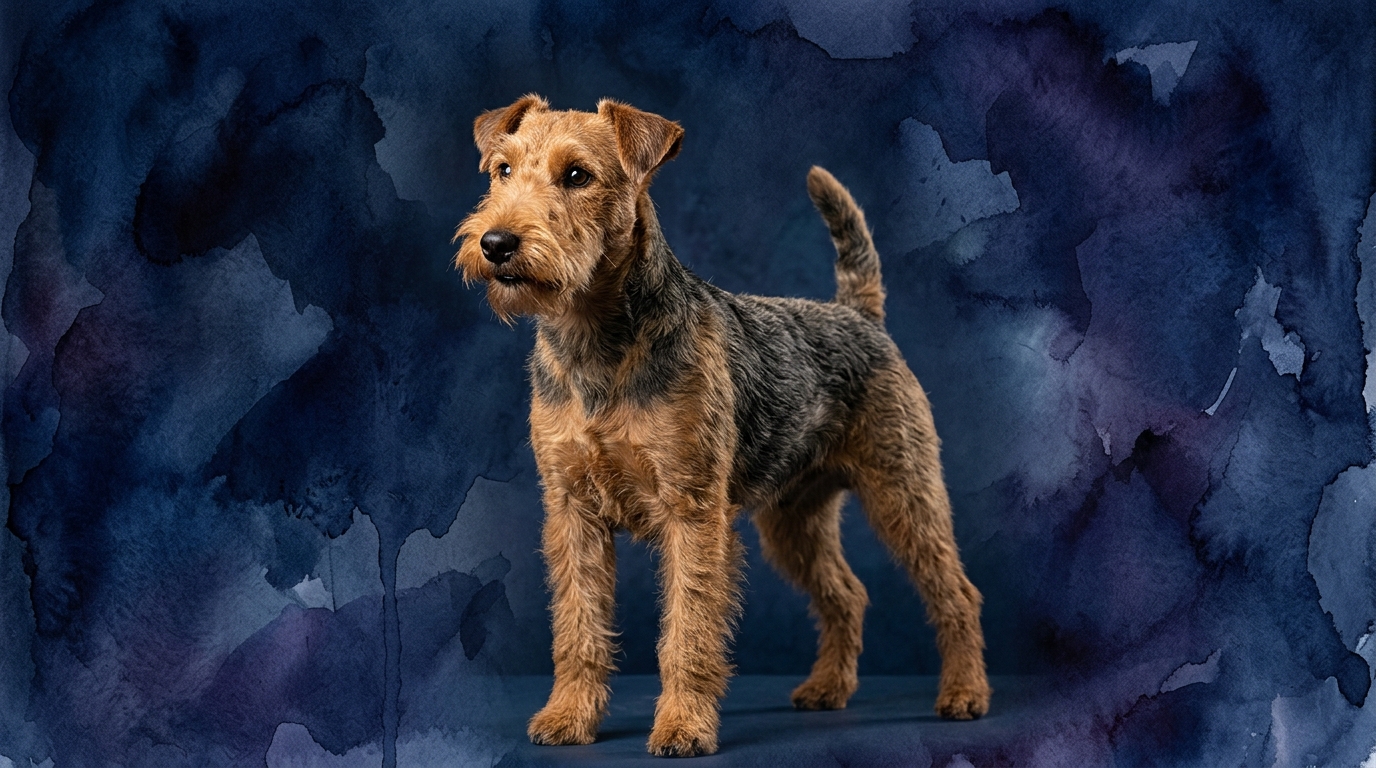
For the **Welsh Terrier**, a 3/5 in **Problem Solving** signifies a direct, often physically oriented approach to challenges. They are quick to engage with an obstacle, preferring to dig, jump, or push their way through, reflecting their heritage as a versatile hunter. Their **Training Speed** at 3/5 indicates a dog that grasps commands readily but whose strong independent streak demands consistent, engaging methods to maintain focus against their natural impulses. **Social Intelligence** at 3/5 means they are deeply attuned to their family's dynamics and emotions, forming strong bonds, but can be reserved or assertive with strangers. Their **Instinctive Drive** at 3/5 is robust, manifesting as a keen interest in chasing and digging, a core aspect of their energetic personality. Finally, their **Memory** at 3/5 ensures they recall routines, commands, and experiences effectively, learning from both positive and negative interactions.
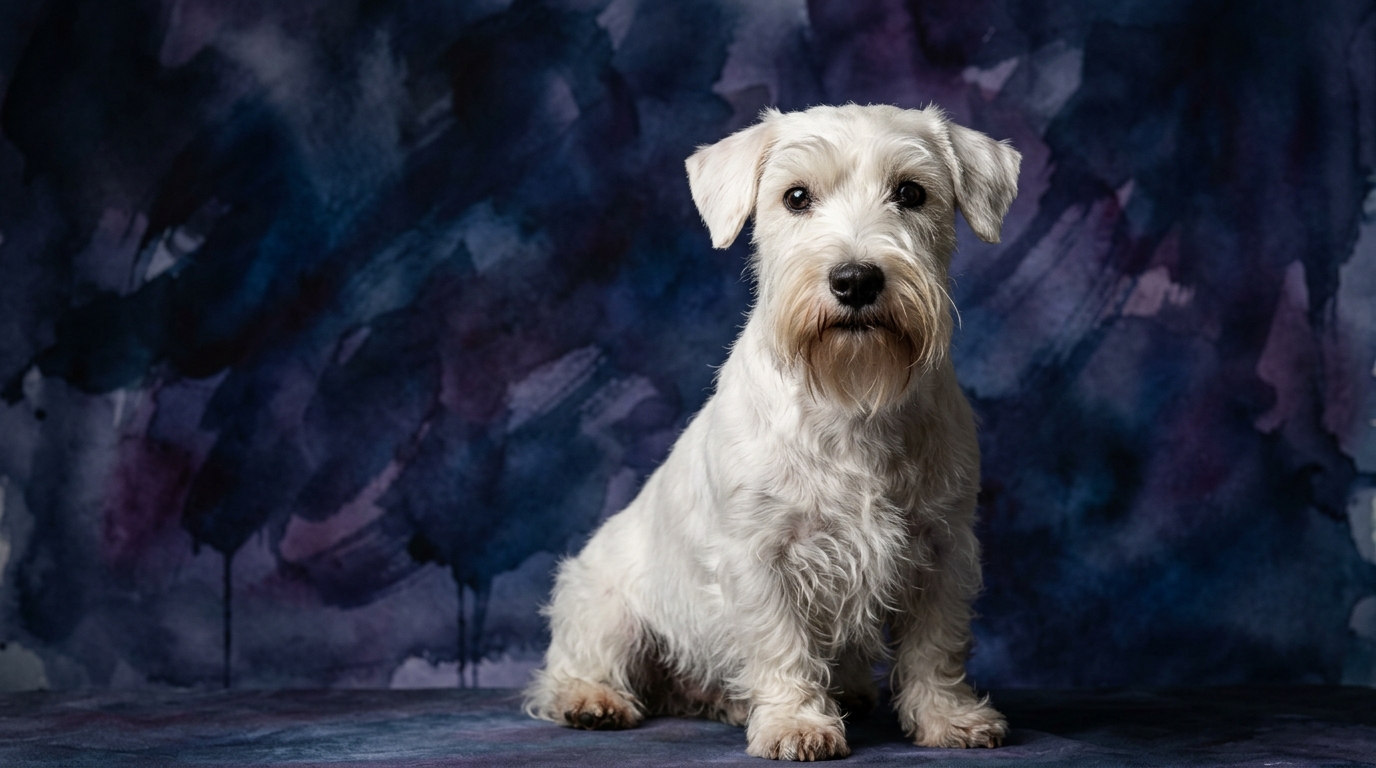
The **Sealyham Terrier**, with identical 3/5 scores, interprets these dimensions with a different emphasis. Their **Problem Solving** at 3/5 often leans towards a more methodical, persistent approach, perhaps influenced by their need for precision in tight hunting spaces. They might observe and strategize before acting, though still with terrier tenacity. A 3/5 in **Training Speed** suggests they are quite capable of learning, but their distinctive independence means they require patient, creative motivation to consistently perform, often choosing to cooperate rather than simply obey. Their **Social Intelligence** at 3/5 shines within their trusted circle, where they are charming and often clownish, but they can be aloof or assertive with outsiders, necessitating careful socialization. The **Instinctive Drive** at 3/5 is powerful and focused, particularly for tracking and flushing, leading to persistent digging and barking tendencies. Lastly, their **Memory** at 3/5 ensures they retain information about places, people, and learned behaviors, applying past lessons to new situations with thoughtful consistency.
Where the Welsh Terrier Demonstrates Cognitive Strength
The Welsh Terrier often demonstrates a slight cognitive edge in scenarios demanding swift, decisive action and independent initiative. Their historical role as a versatile hunter, working both above and below ground, has honed a problem-solving approach characterized by directness and physical engagement. For example, when faced with a novel obstacle during a walk, a Welsh Terrier is more likely to immediately attempt to jump over, dig under, or push through it, showcasing a rapid assessment and execution of a physical solution. This 'get it done' mentality, while sometimes leading to stubbornness, translates into a quickness to engage with and resolve immediate environmental challenges, whether it's figuring out how to retrieve a toy stuck under furniture or navigating a complex trail. Their energetic nimbleness supports this rapid cognitive-physical feedback loop, enabling them to react and adapt quickly to dynamic situations.
Where the Sealyham Terrier Demonstrates Cognitive Strength
Conversely, the Sealyham Terrier often shines in cognitive tasks that benefit from a more methodical, persistent, and perhaps even 'strategic' approach, albeit within the terrier framework. Their historical development as a badger and otter hunter, often working in confined spaces, may have fostered a problem-solving style that prioritizes thoroughness over sheer speed. A Sealyham might spend more time observing a puzzle toy, trying different angles or methods, before committing to a solution. This isn't to say they are slow, but rather that their persistence can be more sustained and less impulsive. They might excel at tasks requiring sustained focus on a single objective, like meticulously searching a specific area for a hidden item, demonstrating a tenacious dedication to the task at hand, often relying on a deeper analysis of the situation before acting.
Training: A Study in Terrier Independence
When considering ease of training, both Welsh and Sealyham Terriers present a delightful challenge, largely due to their shared terrier independence, reflected in their identical 3/5 training speed rating. The Welsh Terrier's training journey often benefits from their inherent enthusiasm and a desire to engage with their primary handler. They learn commands quickly, especially when positive reinforcement is immediate and the training feels like a game. However, their strong prey drive and energetic nature mean they can be easily distracted by environmental stimuli, requiring a trainer to maintain high engagement and consistency to keep their focus. Once a behavior is learned and reinforced, their memory ensures it sticks, but overcoming their natural impulses requires persistent and patient guidance.
The Sealyham Terrier, while equally intelligent, often brings a different flavor to the training ring. They can be remarkably biddable and keen to learn, especially when the training is varied and rewards are highly motivating. Their charming demeanor often makes owners eager to please them, which can be both a blessing and a curse. They might be slightly less prone to explosive distractions than the Welsh, but they can exhibit a more subtle, charming stubbornness – an 'I know what you want, but what's in it for me?' attitude. Therefore, training a Sealyham requires immense patience, creativity in motivation, and a deep understanding of their individual personality to make them feel like they are choosing to cooperate. Both breeds respond poorly to harsh methods, becoming resistant or shutting down, emphasizing the need for positive, reward-based techniques.
Matching Terriers to Lifestyles: Active vs. Relaxed Owners
For active owners seeking a canine companion to share adventures, the Welsh Terrier is often the more fitting choice. Their robust energy levels, inherent athleticism, and pronounced instinctive drive mean they thrive on regular, vigorous exercise, long walks, and engaging outdoor activities. Owners who enjoy hiking, agility, or extensive play sessions will find a willing and enthusiastic partner in the Welsh, whose physical prowess and mental acuity are best satisfied through active participation in their owner's dynamic lifestyle. They possess a restless spirit that needs a consistent outlet, making them ideal for households that can provide ample stimulation and physical activity.
Conversely, owners with a more relaxed lifestyle, who still appreciate daily walks but prefer a dog that can also settle contentedly indoors, might find the Sealyham Terrier to be a better match. While not a couch potato, the Sealyham's energy, while persistent, is often less frantic than the Welsh. They enjoy their exercise and mental stimulation but are equally content to curl up beside their owner for a quiet evening. Their sturdy build and lower center of gravity make them less inclined towards explosive leaps and bounds, favoring instead a more grounded, though still tenacious, approach to life. They appreciate a comfortable home environment where their charming personality can shine without constant demands for high-octane activity, making them excellent companions for those seeking a robust yet more laid-back terrier presence.
The Verdict
Choose the Welsh Terrier if you lead an active lifestyle and desire a spirited, agile companion for outdoor adventures and consistent engagement.
Opt for the Sealyham Terrier if you prefer a charming, robust companion who enjoys moderate activity and a strong indoor bond, appreciating a distinct personality.
🧠 Find Your Pet's IQ Score
Our Pet IQ Lab assessment covers 25+ tests across 5 cognitive dimensions — personalized to your breed.
Take the Full IQ Test →Frequently Asked Questions
Are Welsh Terriers good family dogs?
Yes, Welsh Terriers bond strongly with their family, often forming a special connection with one person. They are playful and protective but require early socialization and consistent training to thrive in a busy household, especially with young children, due to their energetic and assertive nature.
What kind of exercise does a Sealyham Terrier need?
Sealyham Terriers require daily moderate exercise, including brisk walks and opportunities for off-leash play in a secure area. While not needing marathon runs, consistent physical and mental stimulation prevents boredom and maintains their sturdy physique, ensuring their well-being.
Do both breeds dig a lot?
Yes, both Welsh and Sealyham Terriers possess strong instinctive drives that include a propensity for digging, inherited from their hunting heritage. Providing designated digging spots or engaging them in alternative scent work can help manage this natural behavior, channeling their instincts constructively.