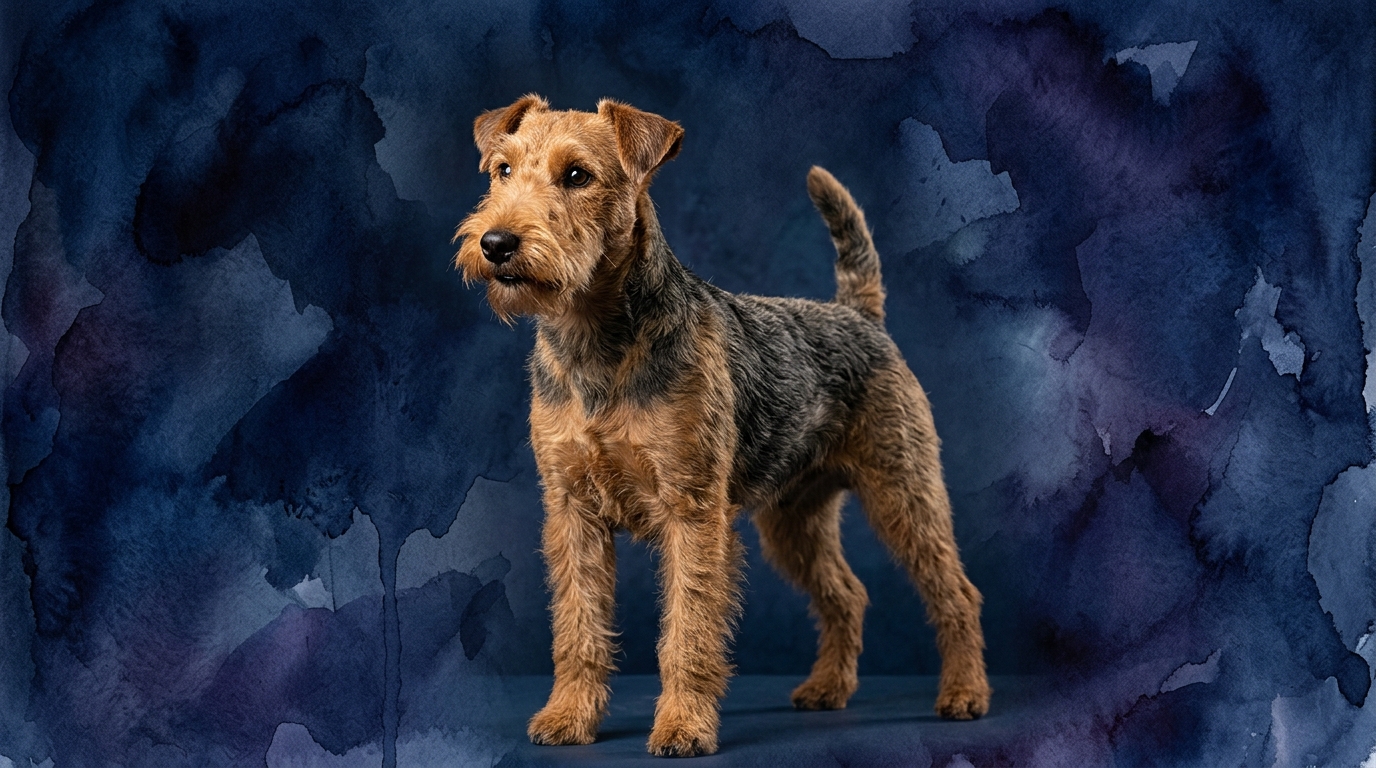
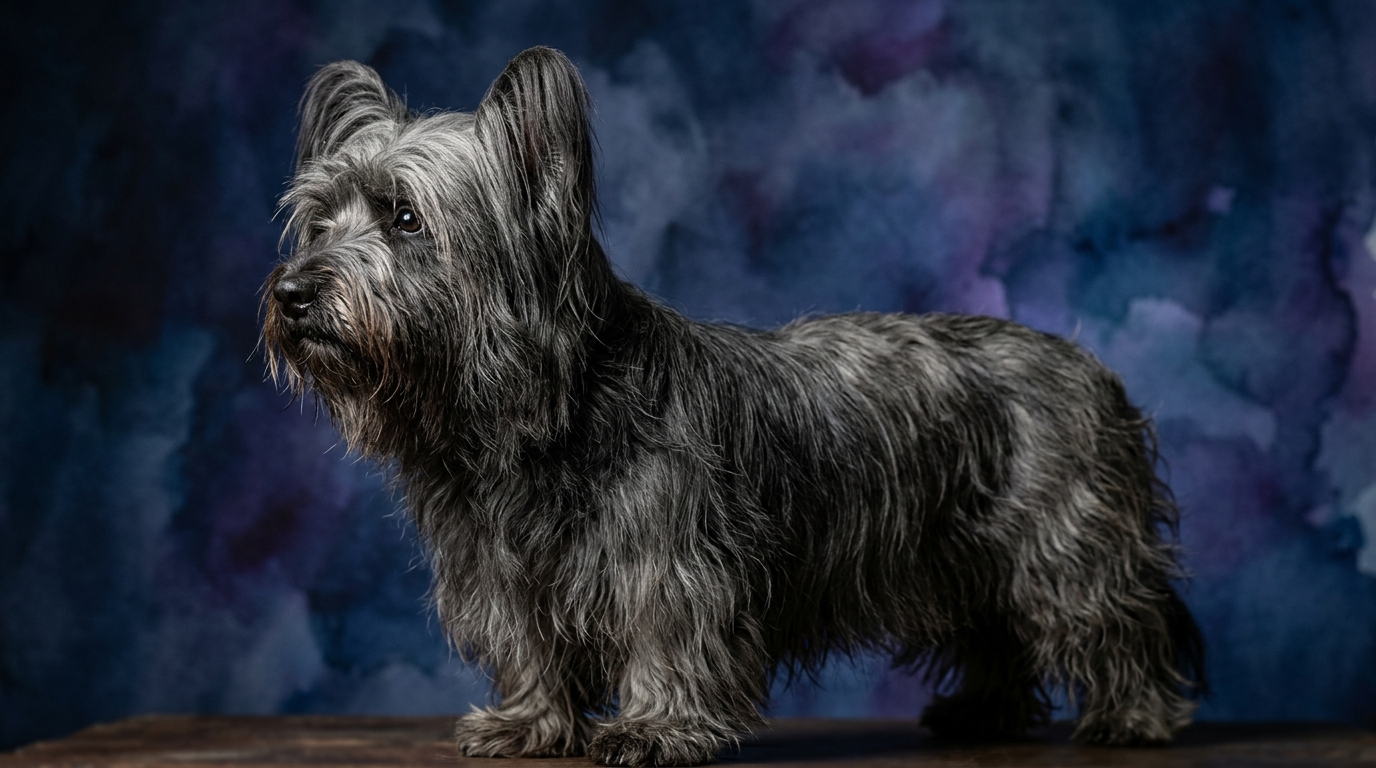
Side-by-Side IQ Profile: Unpacking Identical Scores
The Cosmic Pet Pet IQ Lab scores both the Welsh Terrier and the Skye Terrier with a consistent 3/5 across all five intelligence dimensions: Problem Solving, Training Speed, Social Intelligence, Instinctive Drive, and Memory. This parity might suggest a lack of distinction, but a deeper look into each breed's character reveals subtle yet significant differences in how these scores are expressed. Understanding these nuances is key to appreciating their individual cognitive landscapes.
For **Problem Solving (3/5)**, the Welsh Terrier often displays a pragmatic, action-oriented approach, typical of a breed historically tasked with independently flushing and dispatching prey. Their problem-solving might involve quickly assessing a situation, like navigating a complex scent trail or figuring out how to retrieve a toy from a tight space, often with a direct, energetic focus. The Skye Terrier, with the same 3/5 score, tends towards a more deliberate, tenacious form of problem-solving. Their historical role as guardians and hunters on rugged terrain fostered a persistent, unyielding mindset. A Skye might methodically work at a puzzle or a perceived obstacle until it yields, less about quick improvisation and more about sustained, focused effort.
In **Training Speed (3/5)**, the Welsh Terrier's moderate score often translates to a need for engaging, varied training sessions. They are generally responsive and willing to partner, but their inherent terrier zest means they can become bored with repetition. They learn effectively when motivated by positive reinforcement and clear, consistent direction, often enjoying the mental stimulation of new commands. The Skye Terrier's 3/5 training speed is heavily influenced by their discerning and sometimes reserved nature. They learn well and retain information, but they often require a strong, trusting bond with their handler before fully committing. Their independent spirit means they aren't always quick to offer behaviors simply to please; rather, they need to understand the value or logic behind a command, making patience and tailored motivation crucial.
Regarding **Social Intelligence (3/5)**, the Welsh Terrier typically exhibits a lively, adaptable social demeanor. They are generally outgoing with their family and can readily engage with new people and situations, though their terrier assertiveness means early socialization is important to channel their interactions positively. They read human cues well within their established social circle, often anticipating moods or desires. The Skye Terrier, despite the same 3/5 score, presents a more nuanced social intelligence. They form exceptionally deep bonds with their chosen family, demonstrating a profound understanding of their primary human's emotions and routines. However, they are often more reserved and selective with strangers, preferring to observe and assess before engaging. Their social intelligence is less about broad gregariousness and more about intense, loyal discernment.
Their **Instinctive Drive (3/5)** is a defining terrier trait for both. The Welsh Terrier's drive is primarily a robust prey drive, manifesting as a keen interest in chasing small animals, digging, and exploring. This drive fuels their energetic nature and requires outlets like interactive play or scent work. The Skye Terrier's instinctive drive, while also present, can be more complex. It encompasses a strong protective instinct towards their family and home, coupled with a persistent hunting drive, particularly for small vermin. Their drive also includes a certain self-reliance, stemming from their history of working independently, which can translate into a determined focus on tasks they deem important.
Finally, for **Memory (3/5)**, both breeds demonstrate a good capacity for retaining information. The Welsh Terrier remembers routines, commands, and social interactions, which aids in their adaptability and ability to learn new tricks or navigate familiar environments. Their memory contributes to their consistent responses once a behavior is ingrained. The Skye Terrier also possesses a solid memory, recalling experiences, people, and boundaries with remarkable clarity. This strong memory underpins their deep loyalty and their ability to learn complex social rules within their household, though it can also mean they remember negative experiences or inconsistencies, which impacts their trust and training receptiveness.
Where the Welsh Terrier Excels Cognitively
While both breeds share identical IQ scores, the Welsh Terrier often demonstrates a cognitive edge in areas requiring quick, adaptable thinking and a direct approach. Their problem-solving, though rated 3/5, is frequently characterized by a spirited resourcefulness, enabling them to rapidly assess and act in dynamic environments. This makes them adept at activities requiring agility or quick decision-making, such as navigating a complex obstacle course or learning a sequence of new tricks in a relatively short timeframe, often with an enthusiastic willingness to participate. Their directness in applying learned behaviors and their generally more outgoing social intelligence can make them appear more 'ready' for new challenges.
Where the Skye Terrier Excels Cognitively
The Skye Terrier, with its parallel 3/5 scores, truly shines in cognitive areas demanding focused tenacity, discernment, and profound loyalty. Their problem-solving, while not necessarily faster, is often more deliberate and persistent; they will methodically work through a challenge, reflecting their historical resilience in solitary tasks. Their social intelligence, though rated the same, manifests as an exceptional ability to form deep, nuanced bonds with their core family, often anticipating their human's needs or moods with remarkable sensitivity. This discerning nature also extends to their learning; once a Skye commits to a command or routine, their memory and resolve ensure a deeply ingrained, reliable response, often displaying unwavering adherence to established patterns within their trusted circle.
Training Ease: Unpacking Behavioral Differences
Determining which breed is 'easier' to train, despite their identical 3/5 Training Speed score, largely hinges on an owner's approach and understanding of breed-specific temperament. The Welsh Terrier, with its robust and often boisterous personality, can be perceived as easier by owners who enjoy an energetic, interactive training style. They are generally eager to engage and respond well to positive reinforcement and varied, fun sessions. However, their strong independent streak and potential for boredom mean consistency and making training feel like a game are crucial to prevent them from becoming stubborn or distracted. Their high energy requires mental and physical outlets to maintain focus.
The Skye Terrier, conversely, may present a different set of considerations for training. Their reserved and discerning nature means they require a patient, gentle, and consistent approach that builds trust. They are not typically as overtly eager to please as some breeds and may question the 'why' behind a command. Once a Skye develops a deep bond and respect for their handler, they learn effectively and remember commands reliably, but rushing them or using harsh methods can lead to withdrawal or resistance. Their sensitivity means they respond best to calm, clear guidance and thrive when training is a collaborative effort rather than a forceful one. Therefore, while both learn at a moderate pace, the Welsh Terrier might be easier for an owner who enjoys a more active, playful training dynamic, while the Skye Terrier is better suited for an owner who values patience, builds deep trust, and appreciates a more thoughtful, less overtly enthusiastic learner.
Suitability: Active vs. Relaxed Owners
The choice between a Welsh Terrier and a Skye Terrier also comes down to an owner's lifestyle and energy levels. The Welsh Terrier is generally better suited for active owners. Their inherent zest, problem-solving drive, and robust physical needs demand regular exercise, mental stimulation, and engagement. They thrive in environments where they can participate in family activities, go on adventurous walks, or engage in dog sports. An owner who enjoys an energetic companion for hiking, playing fetch, or consistent training will find the Welsh Terrier a fulfilling partner.
The Skye Terrier, while certainly requiring regular exercise to maintain health, often aligns better with more relaxed or discerning owners who appreciate a strong, loyal bond without the constant demand for high-octane activity. They enjoy their daily walks and outdoor exploration, but once their exercise needs are met, they are typically content to be a calm, devoted companion indoors. Their deep attachment to their family means they value quiet companionship and can be quite sensitive to household dynamics. An owner who seeks a loyal, discerning companion, values a deeper emotional connection, and is prepared to offer consistent, gentle guidance will find the Skye Terrier a rewarding addition to their home.
The Verdict
Choose the Welsh Terrier if you are an active individual or family seeking an energetic, adaptable companion eager to participate in dynamic activities and training challenges.
Opt for the Skye Terrier if you appreciate a deeply loyal, discerning companion, are prepared for a patient, trust-building training approach, and prefer a dog with a calm, devoted presence indoors after its daily exercise.
🧠 Find Your Pet's IQ Score
Our Pet IQ Lab assessment covers 25+ tests across 5 cognitive dimensions — personalized to your breed.
Take the Full IQ Test →Frequently Asked Questions
Do Welsh Terriers and Skye Terriers have similar energy levels?
While both breeds are terriers, their energy manifests differently. Welsh Terriers typically possess a higher, more consistent energy level requiring frequent physical and mental engagement, whereas Skye Terriers, once adequately exercised, are generally more content with quieter indoor companionship.
Which breed is more independent, the Welsh Terrier or the Skye Terrier?
Both breeds exhibit terrier independence, but the Skye Terrier often displays a more pronounced self-reliance and discernment, sometimes appearing less outwardly eager to please. The Welsh Terrier's independence is often seen in its spirited, sometimes boisterous, approach to tasks and its strong prey drive.
Are Welsh Terriers or Skye Terriers better with children?
With proper socialization and training, both can be good family dogs. Welsh Terriers, with their robust and playful nature, often integrate well into active family life, while Skye Terriers, forming deep bonds, can be wonderfully devoted to their family, though their reserved nature means they might prefer older, respectful children.