Side-by-Side Cognitive Profile: Interpreting Identical Scores
The Cosmic Pet Pet IQ Lab's assessment places both the Welsh Terrier and the Soft Coated Wheaten Terrier at a balanced 3 out of 5 across all five cognitive dimensions, suggesting neither breed holds an absolute advantage in raw intellectual capacity. However, the manifestation of these scores varies significantly due to their distinct histories and temperaments, offering different cognitive experiences for their human companions.
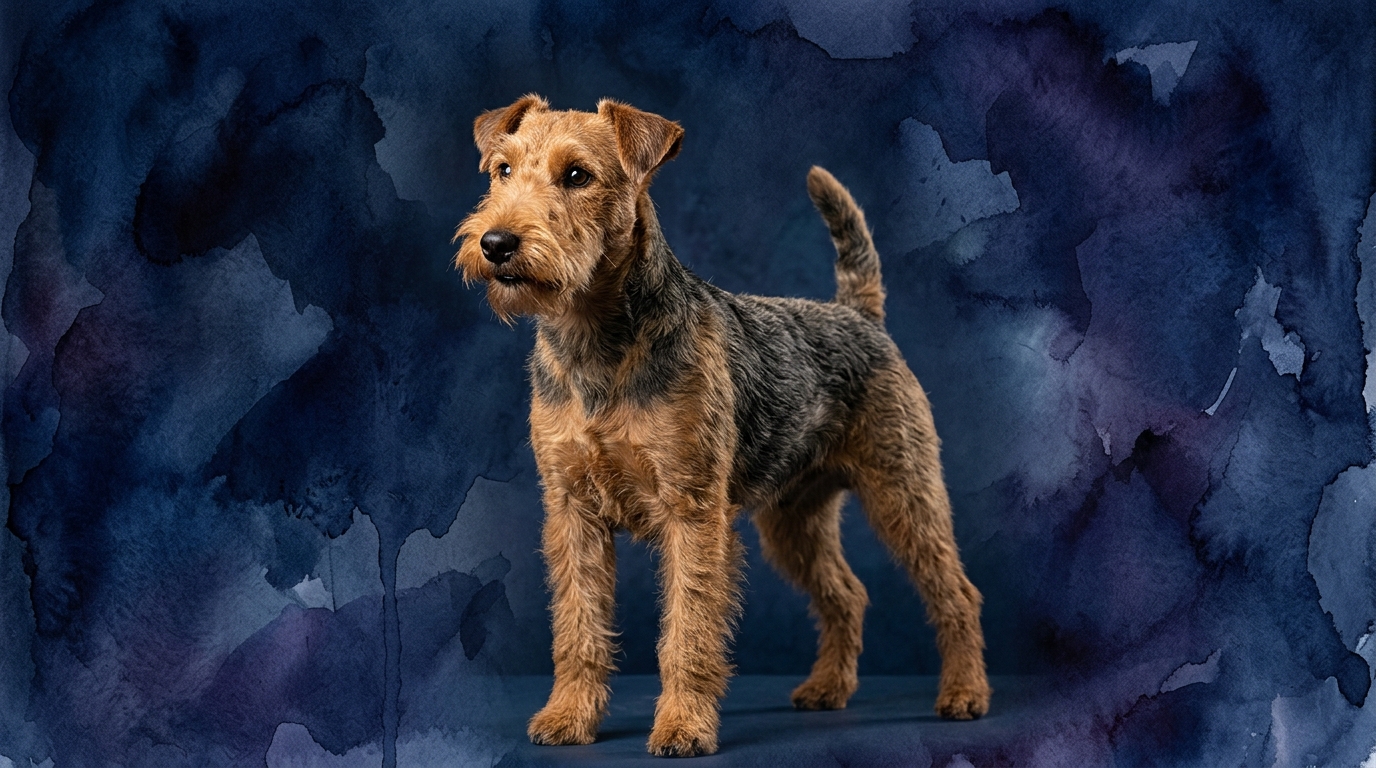
For the Welsh Terrier, a 3/5 in Problem Solving speaks to their heritage as tenacious hunters of vermin in the rugged Welsh countryside. Their cognitive approach leans towards practical, persistent solutions to achieve a tangible goal, such as cornering quarry or navigating complex terrain. They are not easily deterred, often employing trial-and-error driven by strong internal motivation rather than seeking human guidance. Their Training Speed at 3/5 reflects a capacity to learn commands, yet their independent spirit means they often weigh compliance against their impulses. Learning is possible, but requires consistent, engaging methods that convince the Welsh Terrier cooperation is advantageous to them. Social Intelligence at 3/5 indicates deep bonds with immediate family, understanding household dynamics. However, their terrier assertiveness and watchful nature can make them less universally outgoing, often preferring their chosen few. An Instinctive Drive of 3/5 is central to the Welsh Terrier's identity, manifesting as strong prey drive, digging, and an alert bark. These ingrained behaviors are cognitive priorities, influencing how they perceive and interact with their environment. Their memory for scents and locations tied to these drives is robust. Their Memory score of 3/5 means they retain learned commands, routines, and experiences effectively, including where specific objects are, walk schedules, and past interactions, shaping future responses.
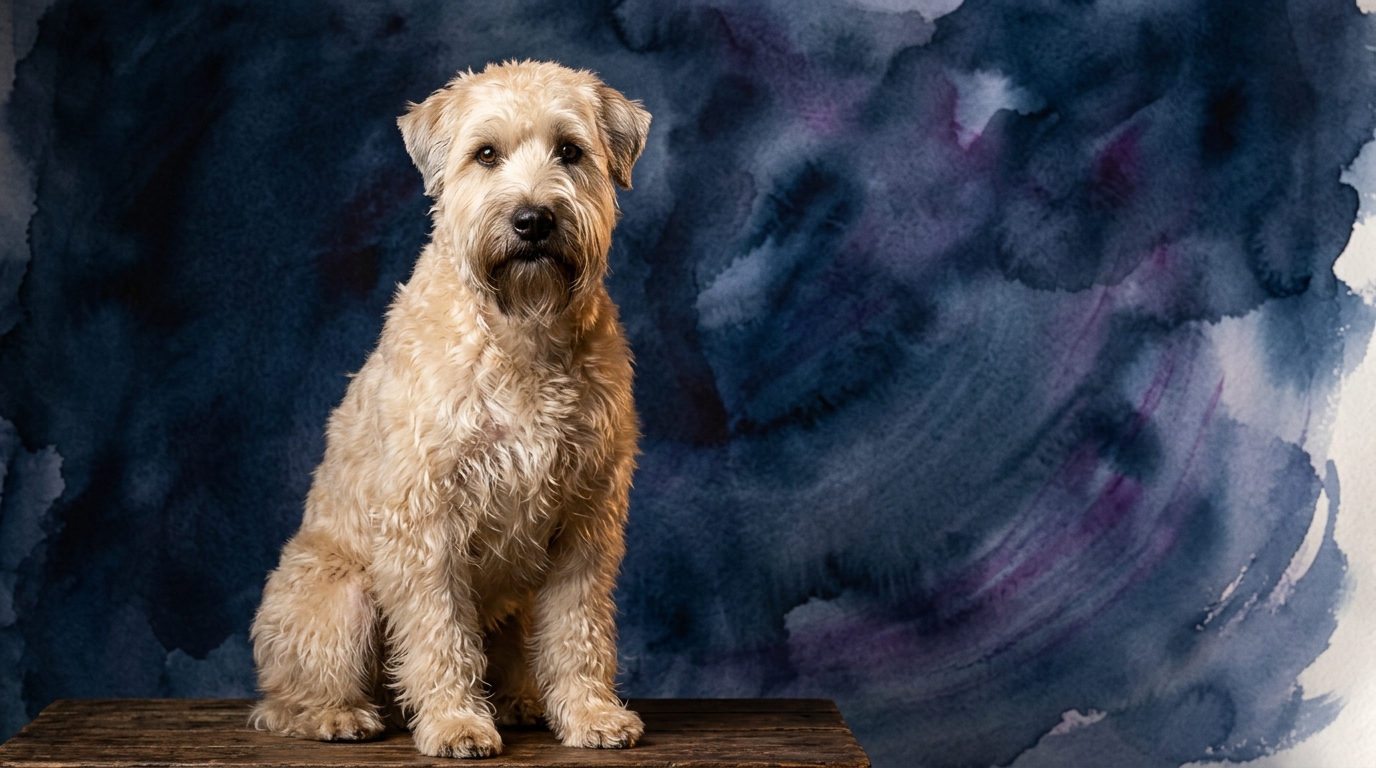
In contrast, the Soft Coated Wheaten Terrier's 3/5 in Problem Solving often manifests through a more cooperative lens, stemming from their history as all-around farm dogs in Ireland. They are capable of figuring out tasks, particularly if it involves working alongside a human or achieving a shared objective. Their solutions might be less about brute tenacity and more about finding an efficient, joyful, path to success. Their Training Speed at 3/5 is often perceived as quicker due to their inherent eagerness to please and affectionate nature. They absorb information readily when engaged, but their characteristic exuberance and 'wheaten greetin'' can sometimes lead to distraction, requiring patient redirection to maintain focus. Social Intelligence at 3/5 for the Wheaten highlights their generally effusive and outgoing nature. They excel at reading human emotions and intentions, often seeking interaction and connection. This social acumen makes them adept at navigating complex family dynamics and learning through observation of human behavior. Their Instinctive Drive at 3/5, while still present as a terrier, is often expressed with a different nuance. While they possess a prey drive and enjoy digging, these drives are frequently tempered by their strong desire for human companionship and biddable personality. Herding instincts can also emerge. Finally, the Wheaten's Memory at 3/5 is strong for routines, familiar people, and positive associations. They remember kindness, preferred play items, and the joy of past interactions, significantly influencing their ongoing enthusiasm for engagement and learning.
Where the Welsh Terrier Excels Cognitively
When evaluating specific cognitive strengths, the Welsh Terrier truly shines in scenarios demanding independent thought and unyielding persistence. Their 3/5 problem-solving manifests as an exceptional ability to work through challenges autonomously, relying on their own judgment rather than constant human direction. For tasks requiring sustained focus on a goal despite distractions or setbacks – like navigating a complex scent trail or strategizing to outwit a perceived 'prey' (a toy squirrel, for instance) – their cognitive framework allows for relentless application. This tenacity, a core aspect of their instinctive drive, translates into a robust mental fortitude, making them adept at self-directed tasks where other breeds might seek immediate human intervention or give up. Their memory effectively stores these successful independent strategies for future use.
Where the Soft Coated Wheaten Terrier Excels Cognitively
Conversely, the Soft Coated Wheaten Terrier often demonstrates a cognitive edge in areas emphasizing social engagement and adaptable learning. Their 3/5 social intelligence allows them to excel at reading nuanced human cues, making them highly responsive to emotional feedback and subtle body language. This translates into a superior capacity for cooperative problem-solving, where they actively seek to understand and align with human intentions. Their training speed, while numerically identical, is often bolstered by a strong desire to please, making them more receptive to positive reinforcement and social praise as primary motivators. This social cognitive strength enables them to adapt more readily to varied family routines and learn complex social protocols within a household, remembering which behaviors elicit positive attention and which do not.
Training Dynamics: Which Breed is Easier and Why?
The Soft Coated Wheaten Terrier is often perceived as easier to train due to their biddable nature and strong desire for companionship. While both breeds score 3/5 in training speed, the Wheaten's eagerness to please translates into a more willing participant, responding exceptionally well to positive reinforcement and praise. Their boundless enthusiasm, however, can be a cognitive distraction, requiring trainers to channel their energy effectively. The Welsh Terrier, conversely, with its independent streak, demands a more creative and consistent approach. They learn commands efficiently, but their problem-solving mindset means they often weigh compliance against their own impulses. Training involves convincing them of cooperation's value, as their strong instinctive drive might prioritize an interesting scent over a recall, demanding higher trainer engagement.
Lifestyle Match: Active vs. Relaxed Owners
Neither the Welsh Terrier nor the Soft Coated Wheaten Terrier are ideally suited for truly 'relaxed' owners in the sense of minimal engagement; both require significant mental and physical stimulation. However, the type of activity they thrive on differs. The Welsh Terrier's strong instinctive drive and independent cognitive style make them excellent companions for active owners who enjoy structured outdoor adventures. They excel in activities like earthdog trials, agility, or long, exploratory hikes where their problem-solving and tenacity can be fully engaged. Owners must be prepared to provide consistent, challenging outlets for their intelligent and often self-directed energy. The Soft Coated Wheaten Terrier also requires an active lifestyle, but their social intelligence means they often prefer activities that involve family interaction. While they enjoy vigorous play and walks, their cognitive needs can also be met through cooperative games, obedience training, and being an integrated part of family outings. They are adaptable to various forms of activity, as long as human companionship is central.
The Verdict
Choose the Welsh Terrier if you seek an independent, tenacious companion, are prepared for consistent, engaging training, and enjoy outdoor activities that tap into a dog's inherent drive and self-reliance.
Opt for the Soft Coated Wheaten Terrier if you desire a spirited, social, and effusive family member, willing to channel their zest for life into cooperative learning and playful interaction.
🧠 Find Your Pet's IQ Score
Our Pet IQ Lab assessment covers 25+ tests across 5 cognitive dimensions — personalized to your breed.
Take the Full IQ Test →Frequently Asked Questions
Do Welsh Terriers have a higher prey drive than Soft Coated Wheaten Terriers?
While both breeds possess a 3/5 instinctive drive, the Welsh Terrier's drive is often more singular and intense, rooted in their hunting heritage. The Wheaten's drive, though present, is frequently tempered by their strong desire for human interaction and biddable nature, making it potentially more manageable in a family setting.
Are Soft Coated Wheaten Terriers better at learning complex tricks?
Both breeds are capable of learning complex tricks, but the Wheaten's eagerness to please and social intelligence can make them more enthusiastic and cooperative during trick training. The Welsh Terrier can learn, but often requires more creative motivation to perform consistently, especially if the trick doesn't align with their natural drives.
How do these breeds respond to different training methods?
Soft Coated Wheaten Terriers typically thrive with positive reinforcement, praise, and reward-based methods, responding well to enthusiastic encouragement. Welsh Terriers also respond to positive reinforcement, but benefit greatly from engaging, game-like training that appeals to their problem-solving skills and independence, making them feel like they are figuring things out themselves.