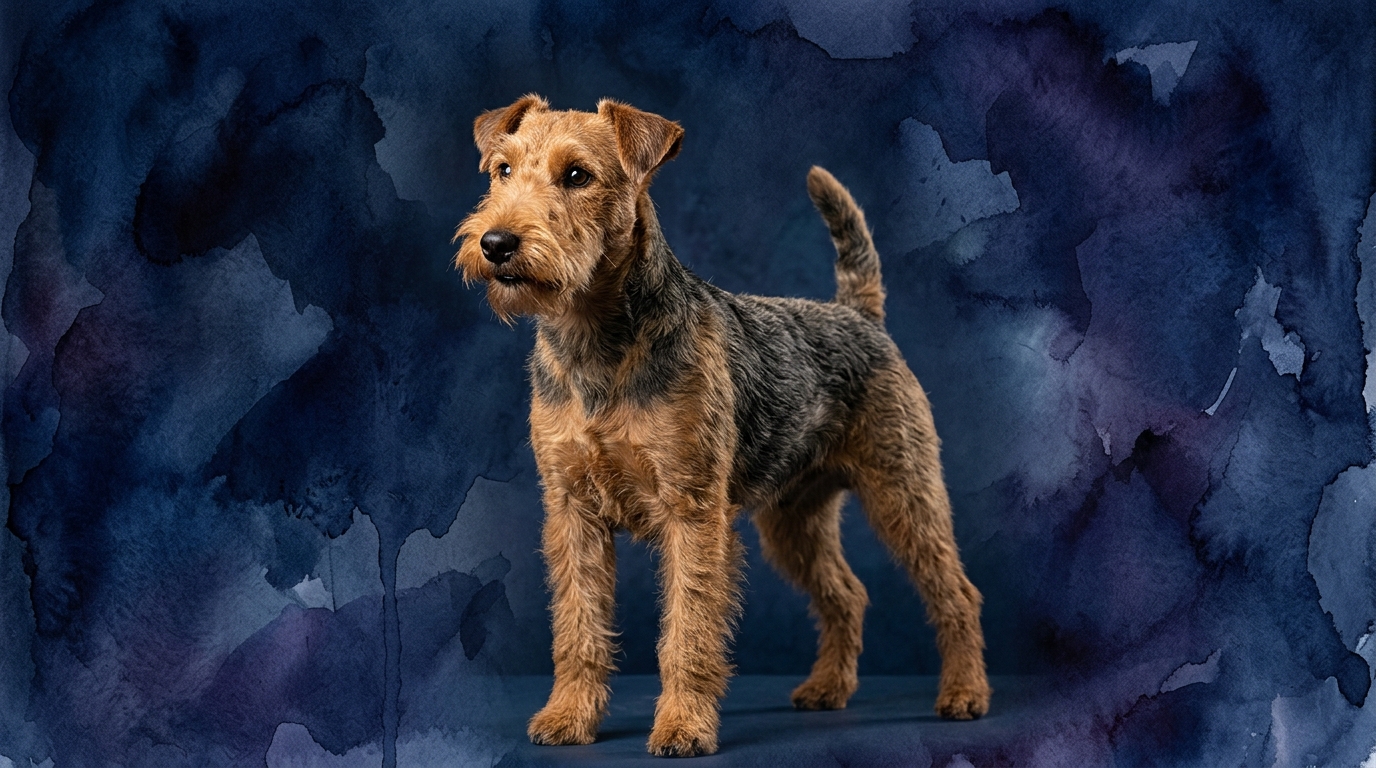
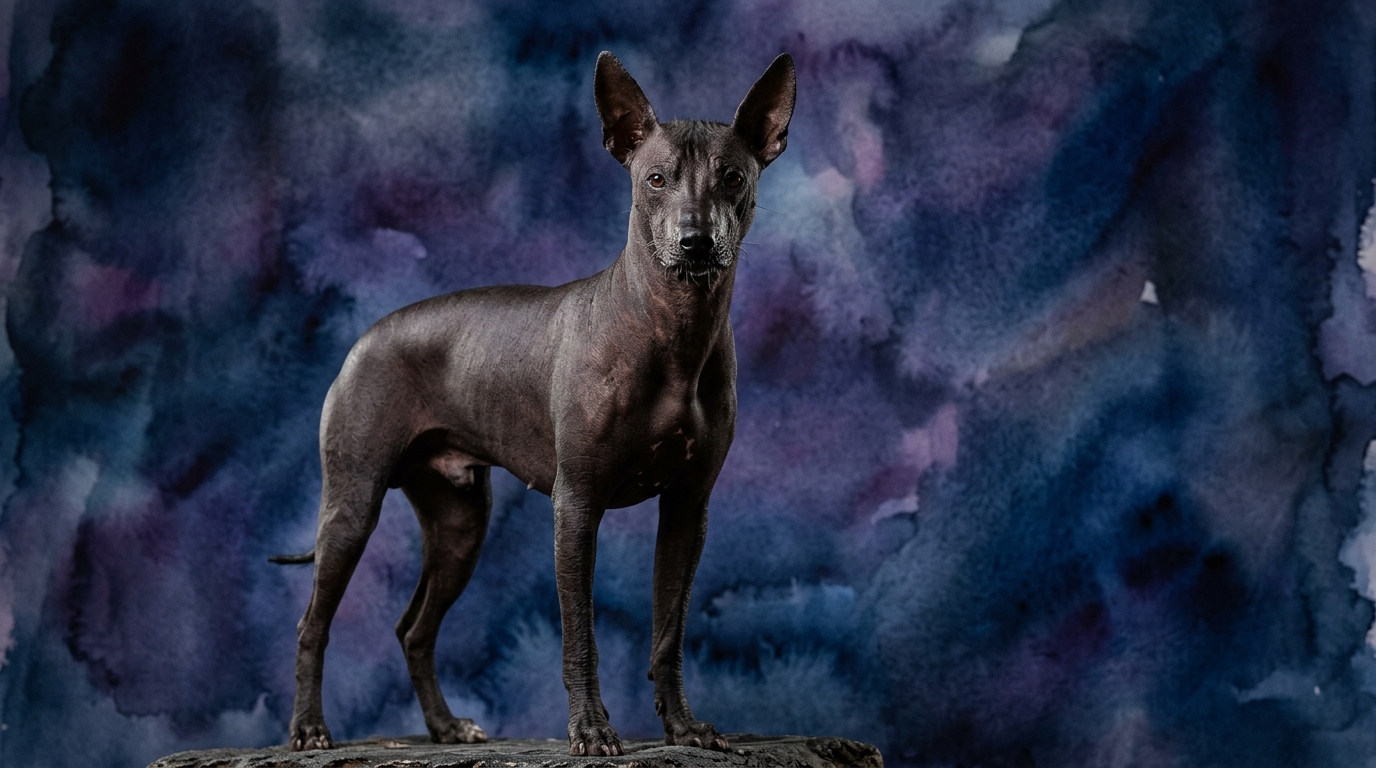
Side-by-Side Cognitive Profiles
The Cosmic Pet Pet IQ Lab assesses five key dimensions of canine intelligence, providing a nuanced understanding beyond simple labels. For both the Welsh Terrier and the Xoloitzcuintli, each dimension registers a score of 3 out of 5, indicating a moderate yet capable cognitive ability across the board. However, the manifestation of these scores differs significantly between the two breeds, reflecting their divergent histories and inherent temperaments.
For the Welsh Terrier, Problem Solving at 3/5 often translates into resourceful, independent thinking. These dogs exhibit a tenacity for figuring out how to achieve their goals, whether it's outsmarting a gate latch to explore or devising a strategy to retrieve a hidden toy. Their approach is hands-on and persistent, often involving trial and error fueled by their determined spirit.
Welsh Terriers' Training Speed, also at 3/5, suggests they are capable learners who grasp new commands and routines effectively. However, their independent terrier nature means that while they understand quickly, consistent compliance requires engaging their interest and making training a rewarding, stimulating experience. They are not dogs that blindly follow; they evaluate the situation.
Social Intelligence in a Welsh Terrier, at 3/5, means they are adept at reading their primary human's moods and intentions within their immediate family unit. They form strong bonds and understand household dynamics, often asserting their place with confidence. However, their social acumen might be more reserved towards strangers or less familiar canine companions, requiring careful socialization.
The Instinctive Drive of a Welsh Terrier, scoring 3/5, is strongly rooted in their working heritage. This manifests as a pronounced prey drive, an urge to chase, dig, and explore with a keen nose. Their drive is often directed towards independent pursuits, reflecting their historical role as vermin hunters.
Welsh Terriers' Memory at 3/5 allows them to retain a good understanding of commands, routines, and the layout of their environment. They remember positive and negative experiences, learning from past interactions and recalling the location of favorite spots or hidden treasures with ease.
Turning to the Xoloitzcuintli, their Problem Solving at 3/5 often presents as observational learning and subtle manipulation. Rather than overt, physical attempts, Xolos tend to watch and learn from their environment, understanding household patterns and human behaviors to achieve their desired outcomes, often through quiet persistence or strategic positioning.
Xoloitzcuintli Training Speed, also 3/5, means they are perfectly capable of learning new tasks and commands. Their sensitivity, however, dictates that training methods must be gentle, consistent, and positive. They respond best to a patient approach built on trust, and can shut down if faced with harsh corrections, making the *process* of training as important as the speed of acquisition.
Social Intelligence for the Xoloitzcuintli, at 3/5, is deeply intertwined with their strong bond to their family. They are highly attuned to their human companions' emotions, often offering comfort or mirroring moods. While devoted to their inner circle, they are typically reserved, even aloof, with strangers, demonstrating a discerning social radar.
The Instinctive Drive of a Xoloitzcuintli, scoring 3/5, is more oriented towards guarding and companionship. They possess a natural protective instinct towards their family and home, often acting as watchful guardians. Unlike the terrier's hunt drive, their instincts are centered on vigilance and maintaining the security of their social unit.
Xoloitzcuintli Memory at 3/5 is notable for its depth regarding people and experiences. They form lasting impressions, remembering individuals they've met, routines, and even specific events over long periods. This contributes to their loyal nature and their ability to anticipate household activities.
Where the Welsh Terrier Excels Cognitively
The Welsh Terrier's cognitive strengths truly shine in scenarios demanding independent thought and tenacious execution. Their 3/5 problem-solving manifests as a persistent, hands-on approach to challenges, making them adept at tasks requiring physical manipulation or figuring out complex sequences of actions without constant human direction. If a puzzle involves pushing, pulling, or digging to uncover a reward, the Welsh Terrier is likely to tackle it with unwavering focus until successful.
Their instinctive drive, while rated 3/5, is channeled into a focused determination that gives them an edge in activities like scent work or agility courses where independent decision-making within a structured task is valued. This self-reliant cognitive style means they are less likely to wait for guidance when they perceive a clear path to a goal, often improvising solutions on the fly. This can be an asset for owners who appreciate a dog with initiative and a zest for independent exploration, provided it is channeled appropriately.
Where the Xoloitzcuintli Excels Cognitively
The Xoloitzcuintli's cognitive advantages often lie in their profound social attunement and observational intelligence. Their 3/5 social intelligence allows them to excel at reading subtle human cues and anticipating needs, making them incredibly intuitive companions. They pick up on emotional shifts and household routines with remarkable accuracy, often seeming to know what their human is thinking or about to do.
Their problem-solving, also 3/5, is less about brute force and more about strategic observation and memory. A Xolo might watch how a door handle works and then subtly attempt to replicate the motion, or remember which family member is most likely to yield to a quiet plea for attention. This nuanced cognitive approach makes them excellent at learning through observation and adapting to their environment through quiet understanding rather than forceful interaction. Their memory for past interactions and the emotional context of events also contributes to their refined social navigation.
Which Is Easier to Train and Why
While both breeds hold a 3/5 score for Training Speed, the 'ease' of training them diverges due to fundamental behavioral differences. The Welsh Terrier's independent and often tenacious nature means they learn quickly but can be selective in their obedience. Training them requires an owner who can make learning fun, engaging, and consistently rewarding, transforming commands into a game they want to win rather than a chore they must perform. Their strong instinctive drives can also make focus challenging in distracting environments, demanding patience and creative methods to maintain their attention.
The Xoloitzcuintli, conversely, might appear easier to train for an owner who prioritizes a sensitive, bond-driven approach. Their responsiveness to positive reinforcement and their deep desire to please their trusted human means they can pick up commands readily when treated with gentle consistency. However, their inherent sensitivity means harsh corrections are counterproductive and can lead to withdrawal or anxiety, making an owner's temperament and training methodology crucial. Their natural aloofness with strangers also means early and continuous socialization is vital to ensure they are comfortable in various settings, which can impact their trainability in public.
Which Suits Active Owners vs. Relaxed Owners
For active owners seeking a canine partner for outdoor adventures and mental challenges, the Welsh Terrier often presents a more suitable match. Their 3/5 instinctive drive translates into a robust desire for activity, whether it's long hikes, engaging in earthdog trials, or participating in agility. Their problem-solving acumen thrives on varied stimulation, making them ideal for individuals who enjoy teaching new tricks, exploring different environments, and providing consistent mental and physical outlets for their energetic spirit. They require an owner who can match their enthusiasm and provide consistent engagement to prevent boredom-driven behaviors.
Relaxed owners, or those seeking a devoted companion for a more tranquil home life, might find the Xoloitzcuintli a better fit. While they still appreciate regular exercise, their 3/5 instinctive drive is more geared towards companionship and watchful guardianship than relentless physical pursuit. Their deep social intelligence makes them content to be near their human, often curling up for extended periods. They thrive in a calm, predictable environment where their sensitive nature is understood and respected, making them excellent companions for individuals who appreciate quiet devotion and a strong, intimate bond over high-octane activity.
The Verdict
Choose a Welsh Terrier if you're an active, consistent owner who values a spirited, independent problem-solver eager for varied activities and prepared to engage their tenacious spirit with creative training.
Opt for a Xoloitzcuintli if you seek a deeply bonded, sensitive companion who thrives on gentle leadership and quiet devotion, appreciating their intuitive nature and providing a calm, predictable home environment.
🧠 Find Your Pet's IQ Score
Our Pet IQ Lab assessment covers 25+ tests across 5 cognitive dimensions — personalized to your breed.
Take the Full IQ Test →Frequently Asked Questions
Do Welsh Terriers and Xoloitzcuintli learn at the same pace?
Both breeds have a 3/5 Training Speed score, indicating they are capable learners. However, the Welsh Terrier's independence means they need engaging, fun training to stay motivated, while the Xoloitzcuintli's sensitivity means they respond best to gentle, consistent, positive reinforcement methods, making the 'ease' of training dependent on the owner's approach.
Which breed is better with children?
Both breeds can be good with children, but their approaches differ. Welsh Terriers, with proper socialization, can be playful and robust companions for active children. Xoloitzcuintli are often more reserved and sensitive; they thrive with respectful, gentle children who understand their need for personal space and quiet interaction.
Do these breeds require a lot of mental stimulation?
Yes, both breeds benefit from mental engagement, though the type of stimulation varies. Welsh Terriers thrive on puzzle toys, scent games, and training that challenges their problem-solving and independent thinking. Xoloitzcuintli appreciate consistent routines, observational learning, and social interaction that reinforces their bond and utilizes their social intelligence.