
Side-by-Side Cognitive Profiles: Westie vs. Bedlington
The Cosmic Pet Pet IQ Lab employs a multi-dimensional approach to assess canine intelligence, moving beyond a single score to evaluate specific cognitive functions. For the West Highland White Terrier, ranked #47 by Coren, its profile shows a balanced yet capable intellect. Its Problem Solving ability is rated 3/5, indicating a capacity to navigate novel situations and figure out solutions, such as opening latches or finding hidden objects, with moderate persistence. Training Speed also stands at 3/5, suggesting a steady learning pace where new commands are grasped within a reasonable number of repetitions. Social Intelligence, at 3/5, reflects their moderate understanding of human cues and emotional states, allowing for good familial bonds but sometimes independent decision-making. Their Instinctive Drive is 3/5, a moderate yet present urge to pursue prey or engage in typical terrier activities like digging and exploring. A notable strength for the Westie is its Memory, scoring 4/5, which means they retain information, commands, and routines effectively over time, making past experiences a strong influence on future behavior.
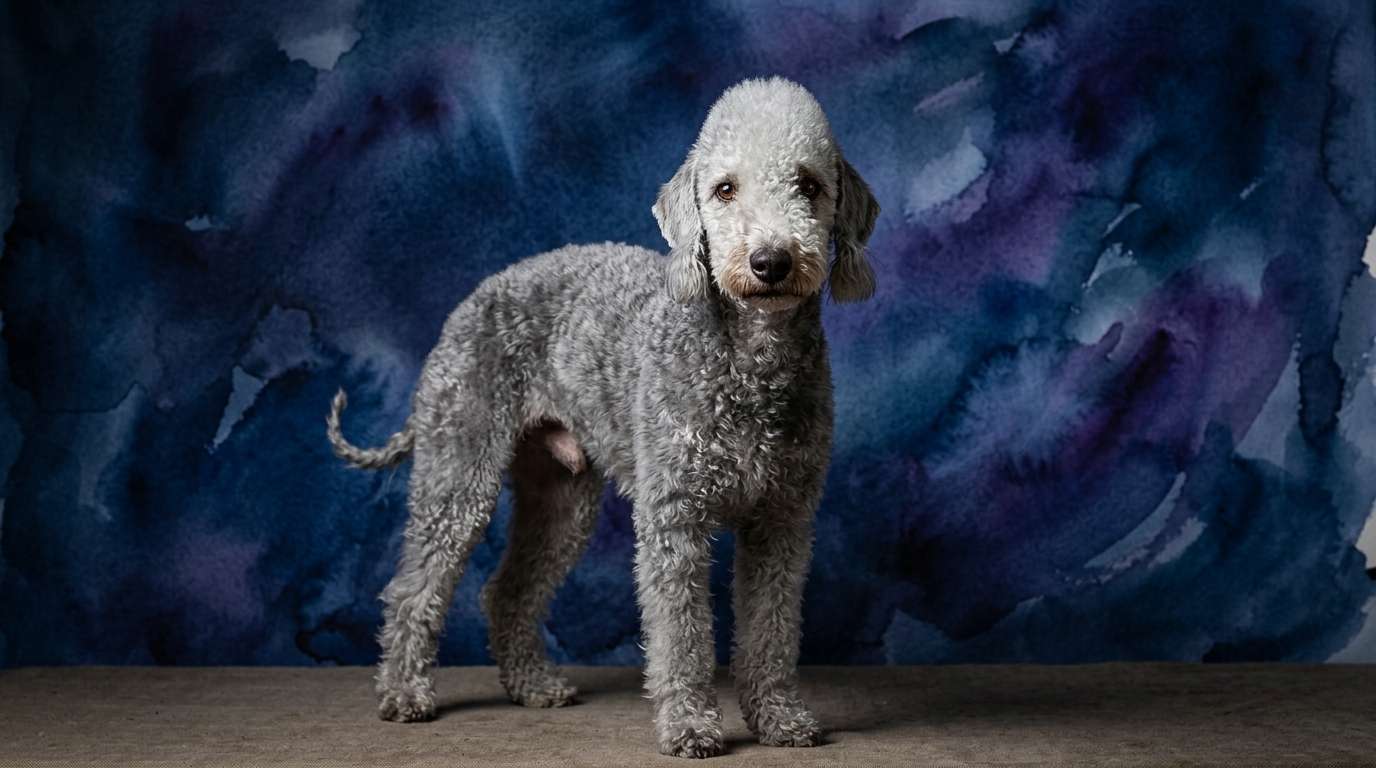
The Bedlington Terrier, while not Coren-ranked, presents a remarkably similar cognitive blueprint in many areas, albeit with a few key distinctions. Its Problem Solving skill is also 3/5, demonstrating an equivalent aptitude for independent thought and overcoming obstacles. Training Speed matches the Westie at 3/5, implying they learn at a comparable rate, requiring consistent but not excessive repetition to master new tasks. Social Intelligence is likewise 3/5, indicating a similar capacity for understanding human interaction and forming attachments, yet retaining a degree of independent spirit. Their Instinctive Drive is also 3/5, reflecting a moderate prey drive and a propensity for activity, characteristic of their terrier heritage mixed with sighthound agility. The primary difference lies in their Memory, which is rated 3/5. This suggests that while they remember effectively, their recall of complex sequences or long-past events might require slightly more reinforcement compared to a Westie.
Where the West Highland White Terrier Excels Cognitively
The West Highland White Terrier distinguishes itself primarily through its superior Memory, scoring 4/5 compared to the Bedlington's 3/5. This enhanced recall significantly impacts their daily lives and training. A Westie with a 4/5 memory is more likely to consistently remember house rules, complex command sequences, and routines even after periods of inactivity. For instance, if you teach a Westie a multi-step trick, it will likely retain that knowledge more robustly over weeks or months, requiring less remedial practice. This robust memory also contributes to their consistency in obedience; once a boundary or command is established, the Westie is more apt to adhere to it without constant reminders. This cognitive advantage means they can build a more extensive repertoire of learned behaviors and navigate their environment with a more nuanced understanding of past experiences, potentially making them more predictable in familiar settings.
Where the Bedlington Terrier Shows Its Cognitive Strengths
While the Bedlington Terrier doesn't score higher than the Westie in any single cognitive dimension, its strength lies in its remarkable parity across Problem Solving, Training Speed, Social Intelligence, and Instinctive Drive, all rated 3/5. For a breed not included in Coren's rankings, matching a Coren-ranked breed in these core cognitive functions is a significant achievement. This means that Bedlingtons are equally adept at figuring out challenges, learn new commands at a comparable pace, engage with their families with similar social acumen, and possess a similar moderate drive for activity. Their unique blend of terrier tenacity and sighthound grace means their 3/5 Instinctive Drive manifests with a distinctive agility and focus, making them particularly effective in pursuits requiring quick bursts of speed and precise movement. Furthermore, their slightly lower Memory score of 3/5, while not a 'win' in retention, could subtly benefit certain owners; it might mean they are less prone to dwelling on past negative training experiences or holding long-term grudges, potentially making them more forgiving in recovery from setbacks and adaptable to new approaches.
Training Dynamics: Which Breed is Easier?
When it comes to ease of training, the West Highland White Terrier holds a slight edge, primarily due to its superior Memory (4/5) compared to the Bedlington's (3/5), even though both share a Training Speed score of 3/5. A Westie's better memory means it retains learned behaviors and commands more quickly and reliably, requiring fewer repetitions over the long term to solidify knowledge. For example, teaching a 'stay' command might take a similar initial effort for both, but the Westie is more likely to remember and execute it consistently weeks later without needing a refresher. This consistency can translate into a perception of being 'easier' to train because the results are more durable. The Bedlington, while learning at a good pace, might require more frequent reinforcement or practice sessions to keep complex commands sharp in their mind. Both breeds, with their 3/5 Instinctive Drive and Problem Solving, will respond well to positive reinforcement and engaging training methods that tap into their natural curiosity and desire to work.
Lifestyle Match: Active vs. Relaxed Owners
Both the West Highland White Terrier and the Bedlington Terrier possess an Instinctive Drive of 3/5, indicating they are not sedentary couch potatoes but rather require regular mental and physical engagement. Therefore, neither breed is truly suited for entirely relaxed, inactive owners. However, their specific expressions of this drive can differ. The Westie, with its traditional earthdog background, often thrives on scent work, digging opportunities (supervised, of course), and vigorous play sessions that mimic hunting. They appreciate consistent daily walks and opportunities to explore. Their robust memory also means they can learn complex games and enjoy puzzle toys that challenge their intellect.
The Bedlington Terrier, with its unique sighthound influence, often combines terrier tenacity with a surprising burst of speed and agility. They excel in activities like lure coursing, agility, or long, brisk runs. Their moderate drive means they are happy to participate in active pursuits but are also content to relax indoors after adequate exercise. For owners who enjoy structured canine sports or have the space for a dog to really stretch its legs, the Bedlington's combination of drive and physical prowess can be a fantastic match. Both breeds benefit from owners who understand and cater to their terrier instincts, providing outlets for their problem-solving skills and moderate energy.
The Verdict
Choose the West Highland White Terrier if you prioritize a dog with a stronger memory for consistent recall and retention of complex behaviors, appreciating their reliable adherence to learned rules.
Opt for the Bedlington Terrier if you seek a unique, agile companion whose cognitive parity across key areas makes them equally capable, perhaps with a slight flexibility in adapting to new training approaches due to their memory profile.
🧠 Find Your Pet's IQ Score
Our Pet IQ Lab assessment covers 25+ tests across 5 cognitive dimensions — personalized to your breed.
Take the Full IQ Test →Frequently Asked Questions
Are Bedlington Terriers genuinely intelligent despite not being Coren-ranked?
Absolutely. The Bedlington Terrier demonstrates strong cognitive capabilities with 3/5 scores in Problem Solving, Training Speed, Social Intelligence, and Instinctive Drive, matching a Coren-ranked breed in these key areas. Their effectiveness in historical roles and modern dog sports further underscores their practical intelligence.
How does the Westie's superior memory impact daily life and training?
A Westie's 4/5 memory means they are more likely to consistently remember commands, routines, and household rules over time, reducing the need for constant reinforcement. This makes them highly reliable once trained and capable of mastering more intricate sequences of behaviors, leading to more predictable conduct.
Do both breeds require significant mental stimulation?
Yes, both breeds, with their 3/5 Problem Solving and Instinctive Drive, thrive on mental engagement. They benefit from puzzle toys, training sessions, and opportunities to explore and use their senses, which helps prevent boredom and channel their natural terrier energies constructively.