Side-by-Side Cognitive Profiles
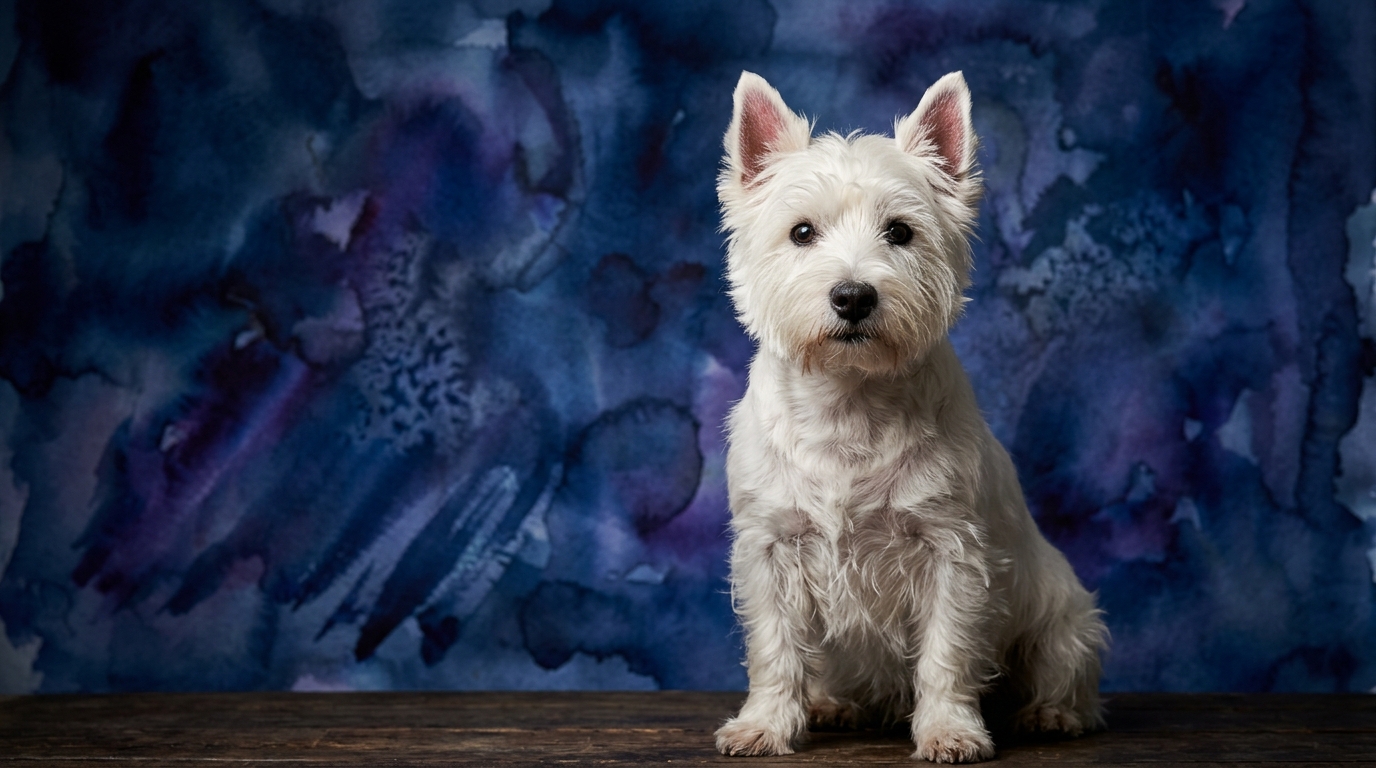
The Cosmic Pet Pet IQ Lab employs a comprehensive five-dimensional framework to assess canine cognition, offering a granular view beyond simple 'smartness.' For the West Highland White Terrier, a breed historically rooted in hunting vermin, their profile includes Problem Solving at 3/5, Training Speed at 3/5, Social Intelligence at 3/5, Instinctive Drive at 3/5, and a notable Memory at 4/5. Ranked #47 by Coren for their working intelligence, Westies possess a capable and persistent mind, reflecting their terrier heritage.
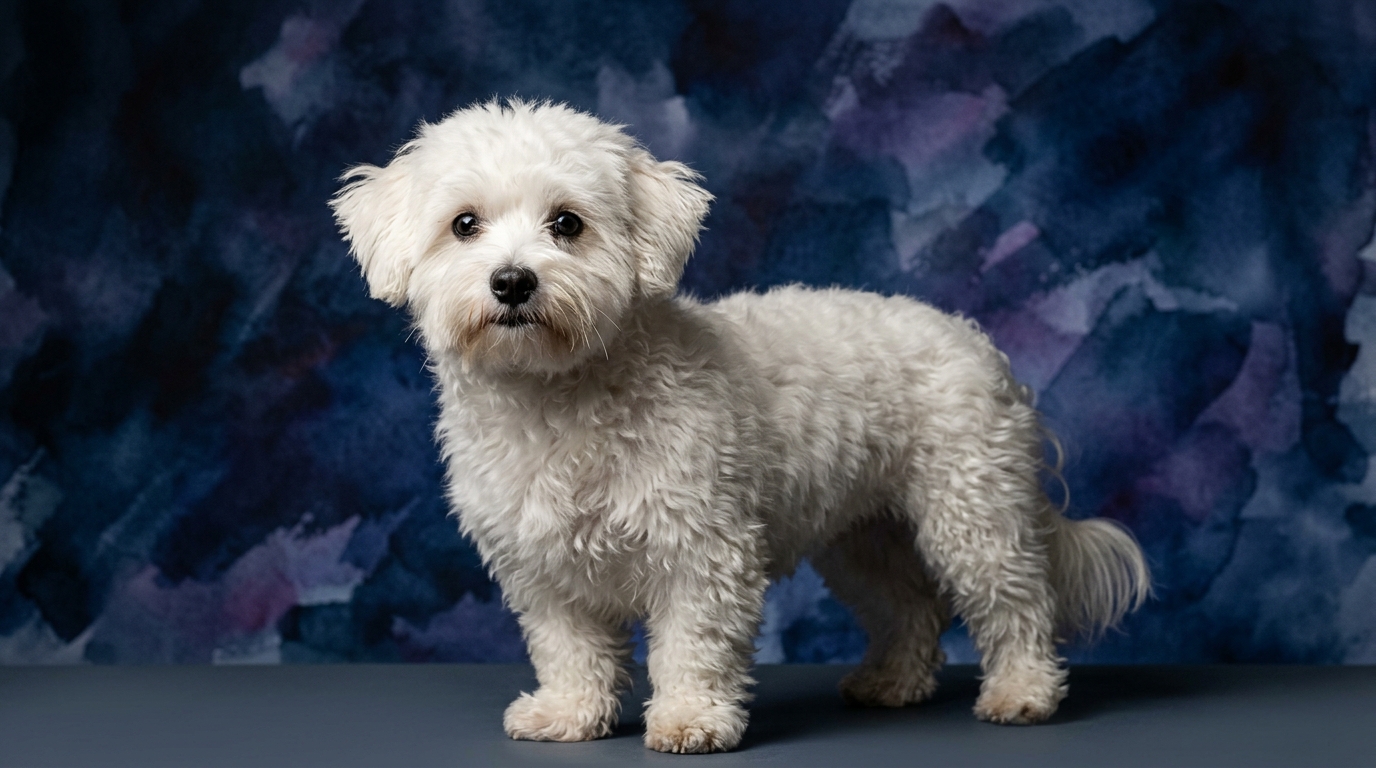
The Coton de Tuléar, a charming companion breed from Madagascar, presents a slightly different, though equally competent, cognitive blueprint. Their scores show Problem Solving at 3/5, Training Speed at 3/5, Social Intelligence at 3/5, Instinctive Drive at 3/5, and Memory at 3/5. Unlike the Westie, the Coton de Tuléar does not feature on Coren's ranking, which is common for breeds primarily developed for companionship rather than specific working roles. This indicates a focus on adaptability and interaction within a family setting rather than complex task execution.
Where the West Highland White Terrier Excels Cognitively
The West Highland White Terrier's standout cognitive strength lies in its Memory, rated at 4/5 compared to the Coton’s 3/5. This enhanced memory capacity means a Westie is likely to retain complex sequences of commands, learned routines, or even the locations of hidden objects for longer periods with fewer refreshers. For an owner, this translates to greater consistency in established behaviors and a quicker re-engagement with tasks after a break, making them particularly adept at retaining advanced obedience or trick training over time.
Beyond the numerical score, the Westie's Terrier group classification often implies a robust, independent approach to problem-solving, even if their Problem Solving score is 3/5, identical to the Coton. Their ancestral role required them to think on their paws, often underground and out of sight of their human handlers. This inherent tenacity, combined with their superior memory, allows them to approach new challenges with a persistent, trial-and-error methodology, remembering what worked and what didn't for future encounters. This makes them particularly engaging for owners who enjoy interactive puzzle toys or scent work that taps into their investigative spirit.
Where the Coton de Tuléar Excels Cognitively
While the Coton de Tuléar doesn't display a numerically higher score in any single cognitive dimension compared to the Westie, their overall profile, particularly their 3/5 Social Intelligence and 3/5 Problem Solving, is perfectly suited to their primary role as a devoted companion. Their Non-Sporting group classification and lack of a Coren ranking don't signify a cognitive deficit, but rather a different kind of strength: adaptability and a focus on harmonious cohabitation without the intense, specific drives of a working breed. This makes them exceptional at integrating into diverse family dynamics and environments.
The Coton's balanced 3/5 scores across the board suggest a well-rounded cognitive flexibility that prioritizes social cohesion and responsiveness to their immediate environment. Their instinctive drive, while present at 3/5, is typically channeled into engaging with their family rather than strong prey pursuits, making them less prone to independent excursions or fixations. This often translates to a dog that is less likely to become bored or destructive when left alone, provided they have adequate companionship and mental enrichment, making them a consistently pleasant presence in the home.
Training Aptitude: Which is Easier and Why?
Both the West Highland White Terrier and the Coton de Tuléar share a Training Speed score of 3/5, suggesting they learn new commands at a similar pace. However, the 'ease' of training extends beyond initial learning speed, encompassing motivation, distraction levels, and consistency. The Westie's 3/5 Instinctive Drive, deeply rooted in their terrier heritage, can manifest as a persistent prey drive or an independent streak. This means while they can learn quickly, they might require more consistent, firm, and engaging training to overcome environmental distractions or their own determined will, especially concerning recall around tempting scents or small animals. Their superior memory (4/5) means once a behavior is genuinely learned, it's likely to stick, but getting past the initial terrier stubbornness requires patience and clever motivational techniques.
The Coton de Tuléar, also with a 3/5 Training Speed, might be perceived as 'easier' to train for some owners due to their temperament and the nature of their 3/5 Instinctive Drive. This drive is typically less focused on independent hunting and more on social engagement, making them highly responsive to positive reinforcement centered around praise, treats, and interaction with their owner. They are often eager to please and less likely to be sidetracked by strong environmental stimuli. While their memory is 3/5, perfectly adequate for retaining common commands, their willingness to cooperate and form a strong bond can make the training process feel smoother and more rewarding for owners seeking a responsive, compliant companion without the added layer of managing deep-seated working instincts.
Matching Breeds to Lifestyles: Active vs. Relaxed Owners
For owners with an active lifestyle, the West Highland White Terrier presents an engaging challenge and a spirited companion. Their 3/5 Instinctive Drive requires outlets, whether it’s through structured walks, interactive play sessions, or even canine sports like earthdog trials or agility, which tap into their natural athleticism and problem-solving abilities. Westies thrive with owners who appreciate their independent spirit and can provide consistent mental stimulation, managing their tenacious personality with firm yet fair leadership. They are not content to be couch potatoes all day and will voice their boredom or find their own (potentially mischievous) entertainment if not adequately engaged.
Conversely, the Coton de Tuléar is an ideal match for more relaxed owners who desire a constant, affectionate presence. Their non-sporting background means they are content with moderate daily exercise, such as gentle walks around the neighborhood or playful romps in a secure yard. While they enjoy activity, their primary need is companionship and being an integral part of family life. They adapt well to apartment living and are generally happy to curl up on the sofa as long as they are close to their people. Owners seeking a low-key, adaptable, and emotionally responsive companion who thrives on indoor interaction will find the Coton de Tuléar to be a delightful fit.
The Verdict: When to Choose Each Companion
The Verdict
Choose the West Highland White Terrier if you're an owner seeking a spirited, independent companion who will challenge you with their tenacious personality and benefit from consistent mental engagement and structured activities that channel their terrier instincts.
Opt for the Coton de Tuléar if you desire a gentle, adaptable, and affectionate companion primarily focused on family life, content with moderate activity, and thrives on being a constant, emotionally responsive presence by your side.
🧠 Find Your Pet's IQ Score
Our Pet IQ Lab assessment covers 25+ tests across 5 cognitive dimensions — personalized to your breed.
Take the Full IQ Test →Frequently Asked Questions
Are West Highland White Terriers genuinely stubborn?
Westies possess a strong independent streak, a hallmark of their terrier heritage, which can sometimes be perceived as stubbornness. This trait means they often have their own ideas and require consistent, positive training and clear boundaries to guide their choices, rather than simply obeying blindly.
Do Coton de Tuléars require extensive grooming?
Yes, Coton de Tuléars have a long, cotton-like coat that requires regular grooming to prevent matting and keep them comfortable. Daily brushing is often recommended, along with professional grooming every few weeks, to maintain their distinctive appearance and coat health.
How do their social needs compare?
Both breeds score 3/5 in Social Intelligence, meaning they are generally capable of good social interactions. However, Westies, with their independent nature, might be more selective in their social circles, while Cotons typically thrive on constant human companionship and tend to be more universally welcoming to people and other pets.