Side-by-Side IQ Profile: Westie vs. Chin
The Cosmic Pet Pet IQ Lab employs a five-dimensional framework to assess canine intelligence, offering a nuanced perspective beyond simple obedience. Let's examine how the West Highland White Terrier and the Japanese Chin stack up across these cognitive pillars, revealing their unique mental landscapes.
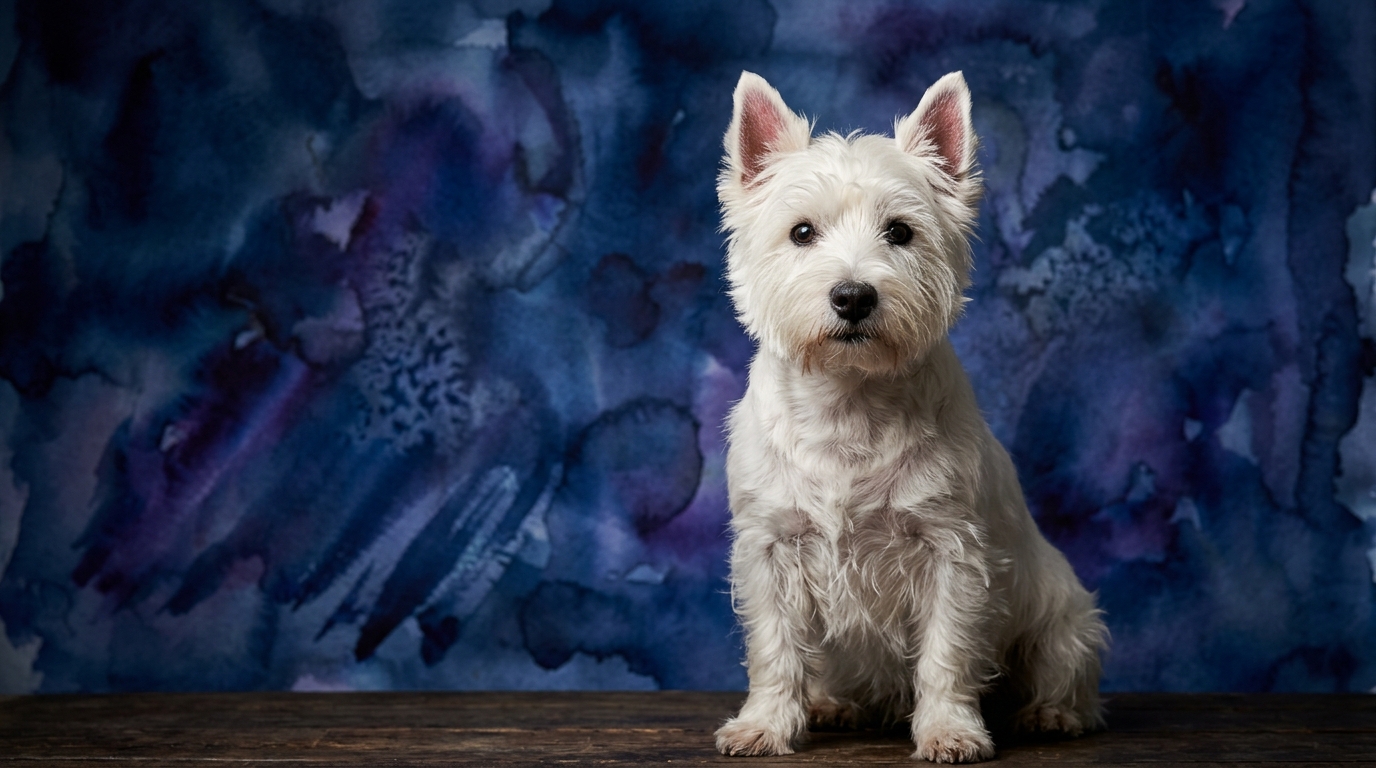
**West Highland White Terrier (Coren Rank #47):** This tenacious terrier exhibits a robust mental profile reflecting its working heritage. Its **Problem Solving (3/5)** capacity is moderate, often characterized by a determined, independent approach; Westies might methodically work at a puzzle or challenge with a blend of persistence and self-reliance, sometimes preferring to devise their own solutions. **Training Speed (3/5)** is also moderate, as they are capable learners but their strong will can sometimes make them selective about applying learned behaviors, especially if a task doesn't immediately capture their interest. **Social Intelligence (3/5)** is moderate; they form strong bonds but their confident nature means they might not always defer to others, requiring consistent socialization for harmonious interactions. Their **Instinctive Drive (3/5)** is notable, manifesting as a keen desire to chase, dig, and explore, deeply rooted in their history as vermin hunters. Crucially, the Westie's **Memory (4/5)** stands out as strong, allowing them to retain commands, routines, and experiences effectively over time, contributing to their reliability once a behavior is truly ingrained.
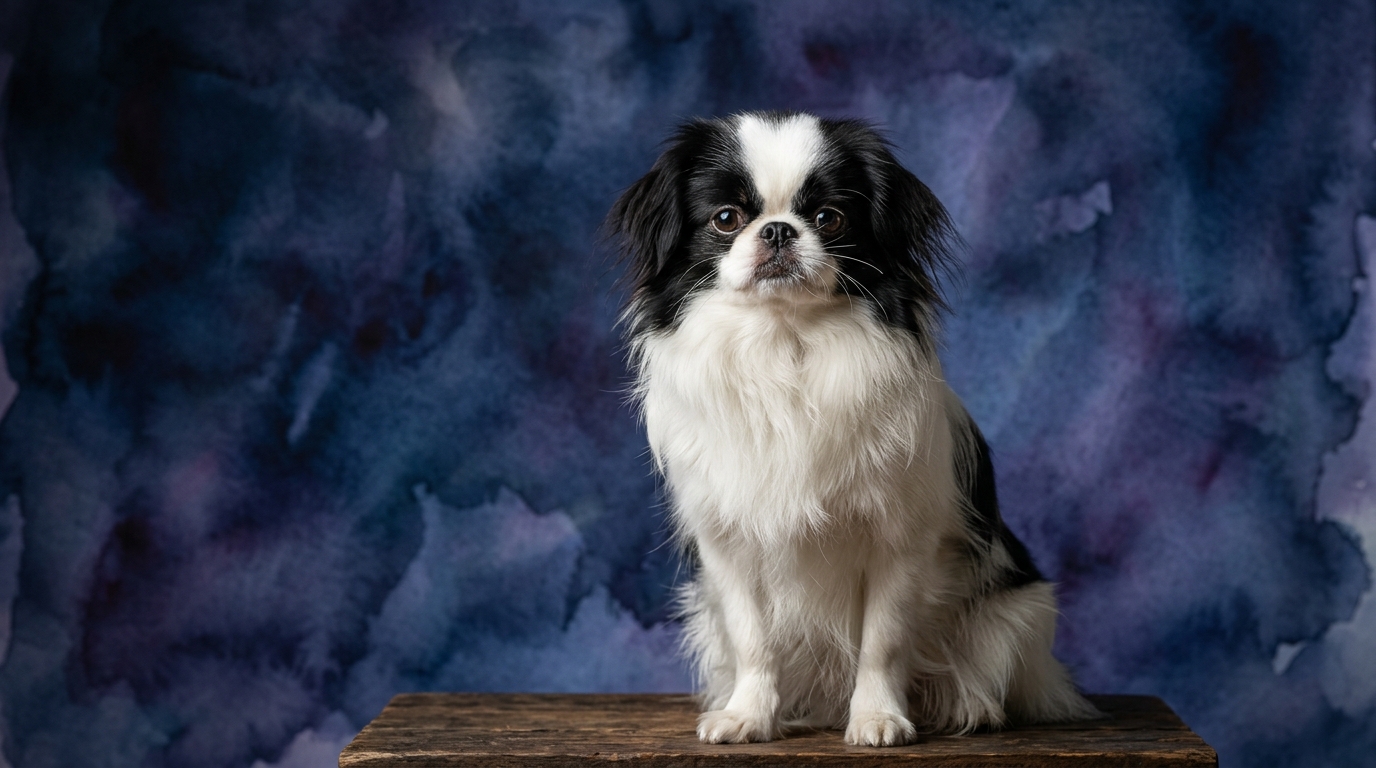
**Japanese Chin (Not Coren-ranked):** This elegant Toy breed offers a different, equally compelling cognitive blueprint, honed by centuries of companionship. Its **Problem Solving (3/5)** ability is moderate, often expressed through quiet observation and subtle manipulation rather than boisterous action, such as cleverly finding the warmest sunbeam or a comfortable perch. **Training Speed (3/5)** is moderate; Chins are eager to please their favored humans, making them responsive to gentle, positive reinforcement, though their sensitive nature means harsh methods can be counterproductive. Their **Social Intelligence (3/5)** is moderate, yet profoundly expressed through their deep attunement to human emotions and moods, making them exceptionally empathetic companions who thrive on close connection. The Chin's **Instinctive Drive (3/5)** leans distinctly towards comfort and affection; their natural inclinations are to seek warmth, soft places, and close proximity to their human companions, reflecting their historical role as lap dogs. Their **Memory (3/5)** is moderate, enabling them to recall familiar faces, places, and routines, but perhaps requiring more consistent reinforcement for complex or less frequently practiced commands compared to a breed with a higher memory score.
Where the West Highland White Terrier Wins Cognitively
The West Highland White Terrier holds a distinct edge in one specific cognitive domain: **memory**. With a score of 4/5 compared to the Chin's 3/5, Westies exhibit a more robust capacity for retaining information over time. This enhanced memory isn't just about remembering where the treat jar is; it translates to a more enduring recall of training cues, past experiences, and routines. Once a Westie truly grasps a concept or command, it tends to stick, requiring less frequent refreshers than a Chin might. This strong recall underpins their ability to build a reliable repertoire of behaviors and navigate their environment with confidence, drawing upon a richer library of past successful actions. For an owner, this means that while initial training might require persistence due to their independent streak, the learned behaviors are likely to be more deeply ingrained and consistently recalled in the long run. They might remember a specific game played months ago or recall a particular route taken on a walk with surprising accuracy, reflecting a more tenacious cognitive retention.
Where the Japanese Chin Wins Cognitively
While the Westie shines in memory retention, the Japanese Chin offers a subtle yet significant cognitive advantage in its **application of social intelligence**, despite both breeds scoring 3/5 in this dimension. The Chin's historical role as a companion animal has refined its sensitivity to human emotional states to an exquisite degree. While the Westie's social intelligence might be expressed through confident interaction, the Chin's manifests as a profound empathy and attunement to their human's inner world. They are masters of reading nuanced human body language and vocal tones, often anticipating needs or offering comforting presence without explicit prompting. This isn't necessarily about complex problem-solving, but rather an exceptional ability to perceive and respond to the emotional landscape of their human companions, fostering an exceptionally deep and intuitive bond. Their moderate memory, combined with this acute social awareness, means they learn to associate specific human moods with particular actions or responses, making them incredibly perceptive companions in a quiet, observant way.
Which is Easier to Train and Why?
When considering ease of training, both breeds score identically at 3/5 for Training Speed, yet their behavioral nuances lead to different experiences in practice. The **Japanese Chin** can often be perceived as 'easier' in certain training contexts due to their strong desire for companionship and their sensitive nature. They thrive on positive reinforcement and affection, readily responding to gentle guidance. Their primary motivation is often to be close to their human and receive approval, which can make them quite amenable to learning new cues, especially if training is kept fun and low-pressure. However, their sensitivity also means they can be easily discouraged by harsh corrections or a perceived lack of fairness, potentially causing them to shut down or become resistant. The **West Highland White Terrier**, while equally capable of learning, presents a different challenge. Their terrier independence and strong instinctive drives mean they often have their own ideas about what is important. They might learn a command quickly but choose not to execute it if something more interesting, like a rustling leaf or a squirrel, captures their attention. Training a Westie requires more patience, consistency, and a creative approach to make tasks feel rewarding and engaging enough to override their innate curiosity and self-direction. Therefore, while both learn at a moderate pace, the Chin's intrinsic motivation for connection might make the *process* feel smoother for an owner seeking a highly cooperative learner, whereas the Westie demands an owner who enjoys the challenge of shaping a more spirited, independent mind.
Which Suits Active Owners vs. Relaxed Owners
Choosing between these two breeds based on lifestyle reveals their distinct inclinations. The **West Highland White Terrier**, with its terrier lineage and moderate instinctive drive, is better suited for more active owners. While not requiring marathon runs, Westies thrive on regular, engaging activity that stimulates both their bodies and minds. Daily brisk walks, opportunities for sniffing and exploring, and interactive play sessions that tap into their natural curiosity and prey drive are essential. They enjoy outdoor adventures, problem-solving games, and can even excel in dog sports like agility or earthdog trials, making them a fit for owners who enjoy an active, outdoor-oriented lifestyle. An owner who enjoys being outdoors, engaging in structured play, and providing consistent mental stimulation will find a Westie a delightful and energetic companion.
In contrast, the **Japanese Chin** is a quintessential fit for more relaxed owners. Their moderate instinctive drive leans towards comfort and companionship rather than vigorous physical exertion. While they appreciate short, leisurely strolls and gentle play, their ideal day often involves snuggling on a lap, observing household activities from a comfy perch, or engaging in quiet interaction. They are content with indoor living and adapt well to apartment life, requiring less extensive outdoor activity. Owners who prefer a calm, affectionate presence and enjoy a more tranquil pace of life will find the Chin to be an incredibly harmonious and devoted companion, perfectly content to share a quiet afternoon and provide gentle, perceptive company.
The Verdict
Choose the West Highland White Terrier if you appreciate a dog with a robust memory and a spirited, independent approach to life, and you are prepared to engage their active mind and body with consistent, stimulating activities.
Choose the Japanese Chin if you seek a highly perceptive and empathetic companion whose social intelligence excels in forming deep emotional bonds, and you prefer a more tranquil home life with less demand for vigorous activity.
🧠 Find Your Pet's IQ Score
Our Pet IQ Lab assessment covers 25+ tests across 5 cognitive dimensions — personalized to your breed.
Take the Full IQ Test →Frequently Asked Questions
Are Westies stubborn during training?
Westies can indeed exhibit a degree of independence that might be perceived as stubbornness. Their moderate training speed is often influenced by their strong will and tendency to prioritize their own interests, requiring consistent, positive, and engaging methods to maintain their focus and cooperation.
How do Japanese Chins show their social intelligence?
Japanese Chins display their social intelligence through a remarkable sensitivity to human moods and subtle cues. They often anticipate their owner's needs, offering comfort or companionship without direct prompting, and thrive on close emotional connection, making them deeply intuitive companions.
Do Westies need a lot of exercise?
While not extreme, West Highland White Terriers do require regular, engaging exercise to satisfy their moderate instinctive drive and curious minds. Daily brisk walks, interactive play, and opportunities for mental stimulation are important to keep them content and prevent boredom-related behaviors.