
Side-by-Side Cognitive Profiles
The Pet IQ Lab's framework offers a granular look at how different breeds process information, learn, and interact with their world. For the West Highland White Terrier, ranked #47 by Coren, and the Keeshond, a higher-ranking #16, these dimensions paint a clear picture of their individual cognitive strengths and how they manifest.
The West Highland White Terrier, with its historical role as a determined vermin hunter, exhibits a Problem Solving score of 3/5. This means their cognitive approach often involves persistent, independent thought, particularly when focused on tasks requiring them to figure out how to access things or navigate complex scent challenges. Their Training Speed is rated 3/5; while capable, Westies often require engaging, consistent methods to maintain their focus, preferring to engage on their own terms rather than simply complying. Their Social Intelligence stands at 3/5, indicating they understand social cues but may assert their preferences. An Instinctive Drive of 3/5 is primarily centered around their prey drive and digging, guiding their curiosity. Lastly, their Memory is solid at 4/5, allowing them to retain commands and routines effectively.
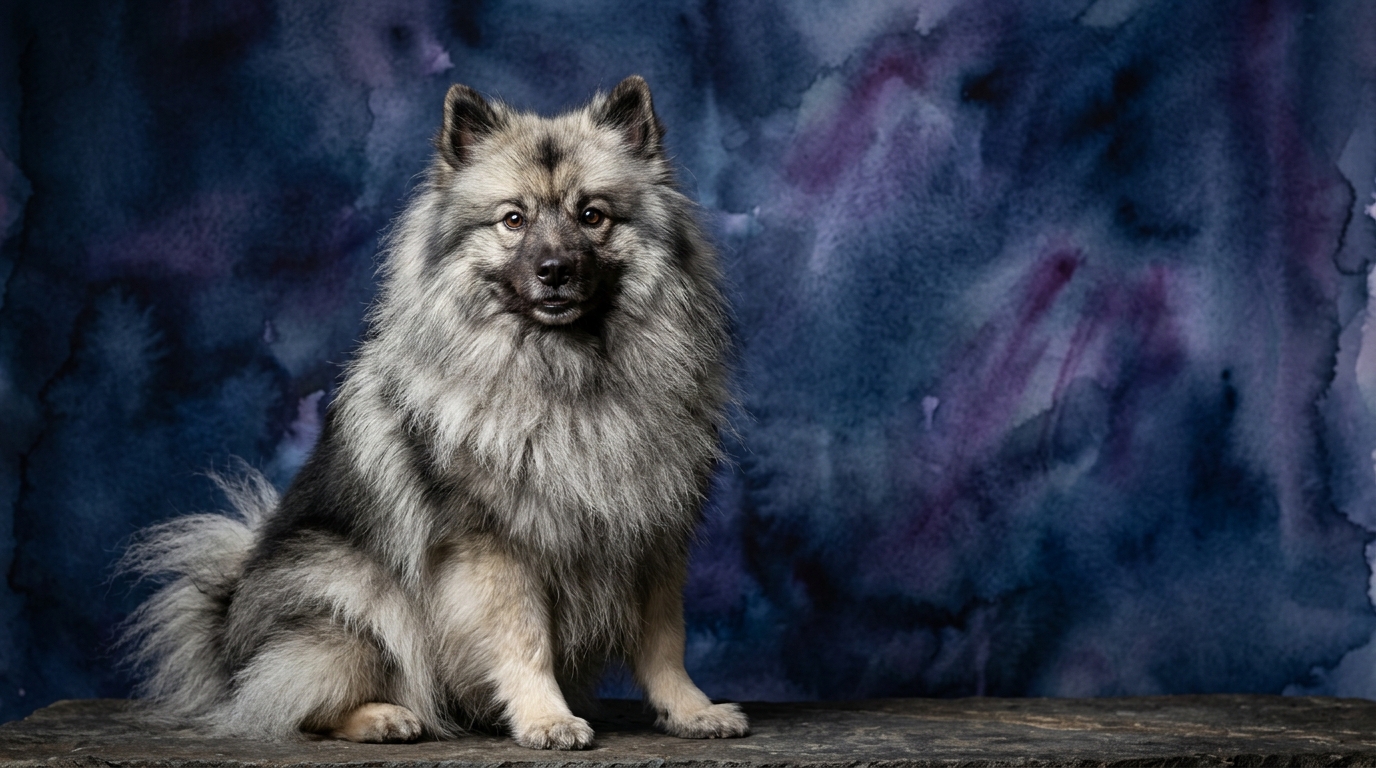
Conversely, the Keeshond, historically a watchful barge dog and devoted family companion, presents a different cognitive profile. Their Problem Solving ability scores 4/5, reflecting an aptitude for understanding complex sequences and manipulating situations to achieve desired outcomes with a thoughtful approach. Their Training Speed is impressively rated 4/5, demonstrating a quick grasp of new commands and routines, often with fewer repetitions. Social Intelligence for the Keeshond is 3/5; they are amiable and people-oriented, sensitive to human emotions, and seek to integrate into family activities. Their Instinctive Drive is 3/5, primarily focused on guarding and companionship, leading to a natural inclination to alert and protect. A standout feature is their Memory, earning a perfect 5/5, recalling people, places, and behaviors over long periods, which contributes significantly to their adaptability and reliability.
Where the West Highland White Terrier Cognitively Excels
While the Keeshond generally scores higher in several cognitive categories, the Westie's unique strengths shine in specific contexts. Their independent problem-solving (3/5) coupled with a strong memory (4/5) means they are adept at tasks requiring sustained, self-directed effort. For instance, a Westie might tirelessly work to unearth a buried toy or navigate a complex scent puzzle, relying on their own strategic thinking rather than constant human direction. This self-reliance, rooted in their vermin-hunting past, allows them to excel in situations where persistence and individual ingenuity are paramount, often figuring out solutions through trial and error that leverage their keen senses and physical dexterity. Their moderate instinctive drive (3/5) specifically towards prey translates into a focused determination that can be harnessed for engaging, solo activities, making them formidable in tasks demanding singular focus and tenacity.
Where the Keeshond Cognitively Excels
The Keeshond demonstrates a clear cognitive advantage in areas demanding rapid assimilation of information and consistent recall. Their superior training speed (4/5) and exceptional memory (5/5) allow them to master new commands and routines with remarkable efficiency, often requiring fewer repetitions. This makes them highly responsive to complex training sequences and adaptable to varied learning environments, quickly internalizing instructions and applying them. Furthermore, their elevated problem-solving ability (4/5) suggests they can not only learn tasks but also understand the underlying principles, enabling them to generalize learned behaviors to new situations. This comprehensive cognitive profile makes them particularly adept at advanced obedience, trick training, and roles requiring a thoughtful, cooperative approach to learning and consistent performance.
Training Dynamics: Westie vs. Keeshond
When evaluating ease of training, the Keeshond generally presents a more straightforward experience for most owners. Their Pet IQ Lab scores of 4/5 for training speed and 5/5 for memory are significant indicators. Keeshonds possess an inherent eagerness to please and a high degree of biddability, meaning they are typically highly motivated by positive reinforcement and respond quickly to instruction. Their exceptional memory ensures that once a command is learned, it is retained effectively over time, reducing the need for constant reteaching. This means they are often more forgiving of beginner trainers and can progress through obedience levels with relative ease, making complex tasks more accessible due to their cooperative learning style.
Conversely, the West Highland White Terrier, with a training speed of 3/5 and a strong independent streak, can pose more of a delightful challenge. Their terrier heritage means they are often more inclined to think for themselves and may not see immediate value in every command, particularly if it deviates from their innate drives. While they have a good memory (4/5), their willingness to comply sometimes depends on their current motivation or whether the task aligns with their own perceived interests. Training a Westie often requires more creativity, patience, and the ability to make learning feel like a game, leveraging their problem-solving skills and instinctive drive to keep them engaged, rather than relying solely on rote repetition. Consistency is paramount, as is understanding their independent decision-making process, which often requires a trainer to be more adaptable and inventive.
Matching Breeds to Lifestyles: Active vs. Relaxed Owners
The choice between a West Highland White Terrier and a Keeshond largely depends on an owner's lifestyle and energy levels. Active owners who enjoy structured activities, advanced training, and a companion eager to participate in almost any adventure might find the Keeshond a perfect match. Their cooperative nature, quick learning, and desire to be involved make them excellent partners for dog sports like agility, obedience, or even simply long, engaging walks and hikes. While they don't require extreme athleticism, their mental and physical engagement needs are substantial, thriving on interaction and purpose. They are generally adaptable but certainly prefer an owner who can dedicate consistent time to their enrichment and companionship, as their social intelligence and desire for inclusion are strong motivators.
Relaxed owners, or those seeking a companion with a distinct personality and independent streak, might be drawn to the West Highland White Terrier. While Westies certainly enjoy activity and require regular exercise to satisfy their moderate instinctive drive, they are also content with a balance of energetic play and relaxed companionship. Their independent nature means they can entertain themselves more readily, though they still cherish human interaction and demand their share of attention. Owners who appreciate a dog with a strong will and a charmingly feisty demeanor, and who are prepared to engage in training that respects their individualistic approach, will find a rewarding partnership. They are suitable for owners who enjoy shorter, but regular, bursts of activity, coupled with plenty of cuddle time, and who appreciate a dog that thinks for itself.
The Verdict
Choose a West Highland White Terrier if you value an independent, persistent companion with a charmingly tenacious spirit, and are prepared for a training journey that celebrates their self-directed problem-solving and unique personality.
Opt for a Keeshond if you seek a highly trainable, cooperative, and exceptionally devoted companion who excels at learning quickly and remembering extensively, making them ideal for structured activities and close family integration.
🧠 Find Your Pet's IQ Score
Our Pet IQ Lab assessment covers 25+ tests across 5 cognitive dimensions — personalized to your breed.
Take the Full IQ Test →Frequently Asked Questions
Are Westies good family dogs?
West Highland White Terriers can be wonderful family dogs, especially with proper socialization from a young age. Their social intelligence of 3/5 means they understand family dynamics, but their assertive terrier nature often thrives best with older, respectful children who understand how to interact with a dog that has a strong personality and requires clear boundaries.
How much exercise does a Keeshond need?
Keeshonds require a moderate amount of daily exercise to stay happy and healthy, typically 30-60 minutes of engaging activity. This can include brisk walks, playtime in a secure yard, or participation in dog sports, ensuring both their physical and mental stimulation needs are met to prevent boredom and promote well-being.
Which breed is better for apartment living?
Both breeds can adapt to apartment living with sufficient exercise and mental enrichment. A Westie's smaller size can be an advantage, but their potential for barking and digging instincts need management. A Keeshond's cooperative nature makes them adaptable, but their vocal tendencies and need for companionship mean owners must be present and dedicated to their daily activity needs.