Side-by-Side Cognitive Profiles
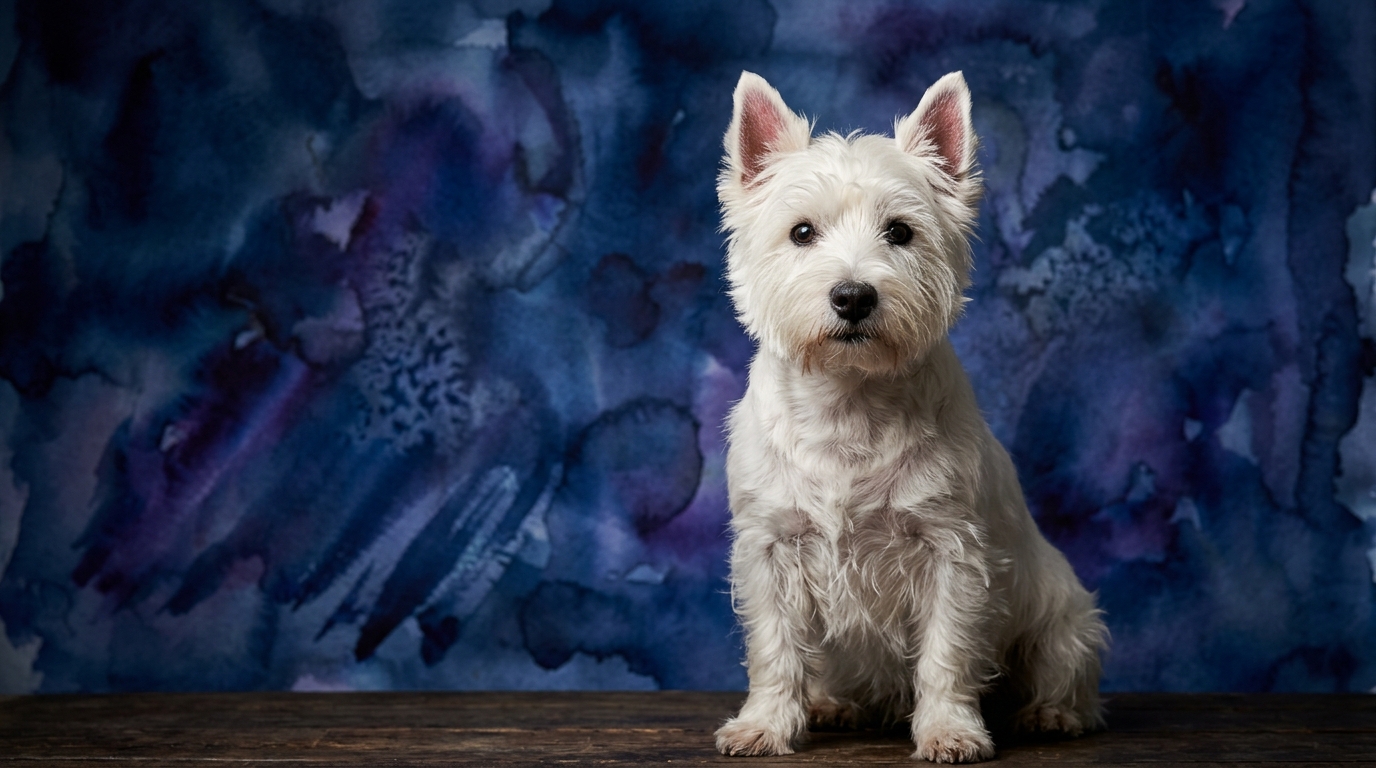
The West Highland White Terrier, a spirited terrier ranked #47 by Stanley Coren, presents a balanced cognitive profile with a notable strength in memory. Their problem-solving capacity sits at 3 out of 5, indicating a solid ability to navigate challenges, while their training speed also scores 3 out of 5, suggesting a moderate pace of learning new commands. Social intelligence, their capacity to interpret and respond to human and canine cues, is rated 3 out of 5, reflecting a generally adaptable nature. Their instinctive drive, which for a terrier often translates to a strong prey drive and independent spirit, is also 3 out of 5. The standout trait for the Westie is their memory, earning a 4 out of 5, signifying a superior ability to recall learned behaviors and experiences.
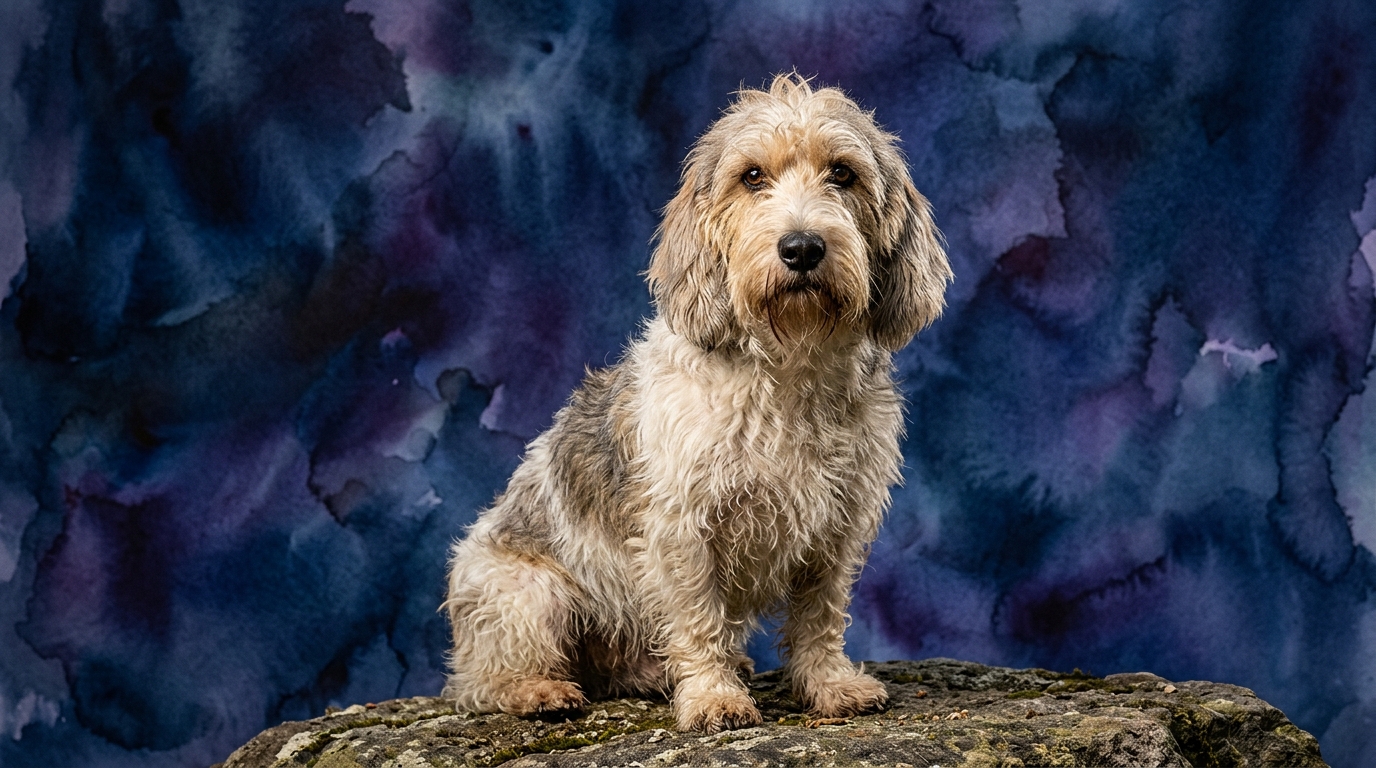
In contrast, the Petit Basset Griffon Vendéen (PBGV), a vibrant hound breed, does not have a specific ranking in Coren's intelligence scale, yet our IQ assessment provides a detailed look into their mind. The PBGV registers a consistent 3 out of 5 across four key cognitive dimensions: problem-solving, training speed, social intelligence, and instinctive drive. This uniformity suggests a well-rounded but not exceptional aptitude in these areas. Their problem-solving, while present, is often directed by their primary sense of smell. Training speed is moderate, requiring patience and consistency, while their social intelligence allows for good integration into family life. Their instinctive drive, a hallmark of their hound heritage, is deeply rooted in scent-tracking. The PBGV's memory score is 3 out of 5, indicating an average recall ability compared to the Westie's superior retention.
Where the West Highland White Terrier Excels Cognitively
The West Highland White Terrier's primary cognitive advantage lies in its superior memory, scoring 4 out of 5 compared to the PBGV's 3 out of 5. This enhanced recall means Westies are generally quicker to solidify learned commands and routines, retaining them over longer periods. An owner might observe a Westie picking up complex sequences or remembering where a hidden toy was stashed with remarkable accuracy after just a few repetitions. This strong memory also contributes to their effectiveness in obedience training and canine sports, where consistent performance based on past learning is crucial.
Furthermore, the Westie's Coren ranking at #47 places them comfortably within the 'above average working/obedience intelligence' category. This suggests a general aptitude for understanding and executing commands, often with a willingness to engage in structured learning tasks. While their problem-solving and training speed are rated 3/5, their terrier tenacity often translates into a focused determination when engaged in a task. This combination of good memory and persistent drive allows them to methodically work through challenges and remember effective solutions, making them adept at puzzle toys or navigating novel environments with learned strategies.
Where the Petit Basset Griffon Vendéen Shines Cognitively
While the PBGV's scores are consistently 3 out of 5, their cognitive strengths are uniquely tailored to their hound heritage rather than general obedience. Their 'problem-solving' (3/5) is exquisitely tuned for scent work, allowing them to decipher complex olfactory puzzles in the environment. This isn't about solving abstract human-designed problems, but rather about independently navigating a scent trail, a task requiring immense focus, discrimination, and sequential processing of sensory information. This specialized intelligence is a significant cognitive asset, enabling them to excel in activities like scent detection or tracking.
The PBGV's 'instinctive drive' (3/5), though numerically equal to the Westie's, manifests differently and represents a core cognitive strength. For the PBGV, this drive is a powerful, intrinsic motivation to follow a scent, often overriding other stimuli. This deep-seated instinct makes them incredibly persistent and single-minded when on a trail, showcasing a specific type of cognitive endurance and dedication. Their 'social intelligence' (3/5) allows them to function well within a pack or family unit, displaying an understanding of group dynamics, even if their independence can sometimes lead them to prioritize a captivating smell over a human directive. Their cognitive strength lies in their ability to process and act upon a rich sensory world, making them exceptionally capable in their intended role as a hunting companion.
Training Ease: Westie's Recall vs. PBGV's Independence
When it comes to training, the West Highland White Terrier generally offers a somewhat smoother experience due to their superior memory (4/5) and a more typical eagerness to please. Their ability to retain commands and routines more effectively means fewer repetitions are often needed, and lessons stick for longer. While their terrier nature provides a healthy dose of independence and sometimes stubbornness, their Coren ranking suggests they are receptive to consistent, positive reinforcement methods, and their social intelligence (3/5) helps them understand and respond to human cues during training sessions. They thrive on engaging, varied training that challenges their memory and problem-solving skills.
The Petit Basset Griffon Vendéen, with all scores at 3 out of 5, presents a different training dynamic. Their strong instinctive drive (3/5) to follow scents often means they are easily distracted by environmental stimuli, requiring significant patience and creativity from their trainers. While they are capable of learning, their training speed (3/5) is moderate, and their memory (3/5) is average, meaning consistent reinforcement and engaging methods are crucial to prevent learned behaviors from fading. Their problem-solving (3/5) is often directed by their nose, making them less inclined to solve abstract problems for human approval. Training a PBGV requires understanding their hound nature, leveraging their love for scent games, and accepting that their independence means they may occasionally prioritize a compelling smell over a 'stay' command. They respond best to positive reinforcement and clear, consistent communication, but owners should be prepared for a more persistent and less immediately compliant training journey compared to a Westie.
Matching Breeds to Lifestyles: Active vs. Relaxed Owners
Both the West Highland White Terrier and the Petit Basset Griffon Vendéen are best suited for active owners, though the nature of that activity differs. The Westie, with its terrier energy and instinctive drive (3/5), requires regular physical exercise and mental stimulation. They enjoy structured play, brisk walks, and training sessions that engage their problem-solving (3/5) and excellent memory (4/5). A Westie thrives in a home where they can be an integral part of daily activities, participating in games, short hikes, or even agility training. Owners who enjoy teaching tricks and engaging their dog's mind will find the Westie a rewarding companion, making them less suitable for purely relaxed, sedentary lifestyles where their energy and mental needs might go unmet.
The PBGV also demands an active lifestyle, but one that caters specifically to their profound scenting instincts. Their instinctive drive (3/5) means they need ample opportunities for off-leash exploration in safe, fenced areas where they can follow their nose. Long, meandering walks where they can sniff and investigate are far more fulfilling for a PBGV than a simple jog around the block. While they can be calm indoors, their outdoor needs are substantial; owners must be prepared to dedicate significant time to scent-driven activities. A truly relaxed owner who prefers minimal outdoor engagement would likely find a PBGV's needs challenging, as their inherent drive to track and explore is a fundamental part of their cognitive and physical well-being. They are ideal for owners who enjoy outdoor adventures and appreciate a dog's independent pursuit of olfactory stimuli.
The Verdict
Choose the West Highland White Terrier if you desire a bright, trainable companion with excellent memory who thrives on structured learning and engaging activities. Their balanced cognitive profile makes them adaptable to various training goals and family environments.
Opt for the Petit Basset Griffon Vendéen if you appreciate a dog with strong independent thought and a profound connection to their olfactory world, willing to invest patience in training that respects their hound instincts and provides ample scent-driven exploration.
🧠 Find Your Pet's IQ Score
Our Pet IQ Lab assessment covers 25+ tests across 5 cognitive dimensions — personalized to your breed.
Take the Full IQ Test →Frequently Asked Questions
Are PBGVs difficult to train because they are hounds?
PBGVs are not inherently difficult to train, but their hound nature means they are often independent and highly motivated by scent. Training requires consistency, positive reinforcement, and understanding that their focus may shift to an interesting smell, necessitating patience and creative engagement.
Do West Highland White Terriers need a lot of mental stimulation?
Yes, Westies are active and curious dogs with good problem-solving skills and excellent memory, so they benefit greatly from mental stimulation. Puzzle toys, obedience training, and learning new tricks help keep their minds engaged and prevent boredom-related behaviors.
Which breed is better for a first-time dog owner?
The West Highland White Terrier might be a slightly easier choice for a first-time owner due to their higher memory score and general receptiveness to training. However, both breeds require dedicated owners willing to commit to consistent training and exercise tailored to their specific needs and instincts.