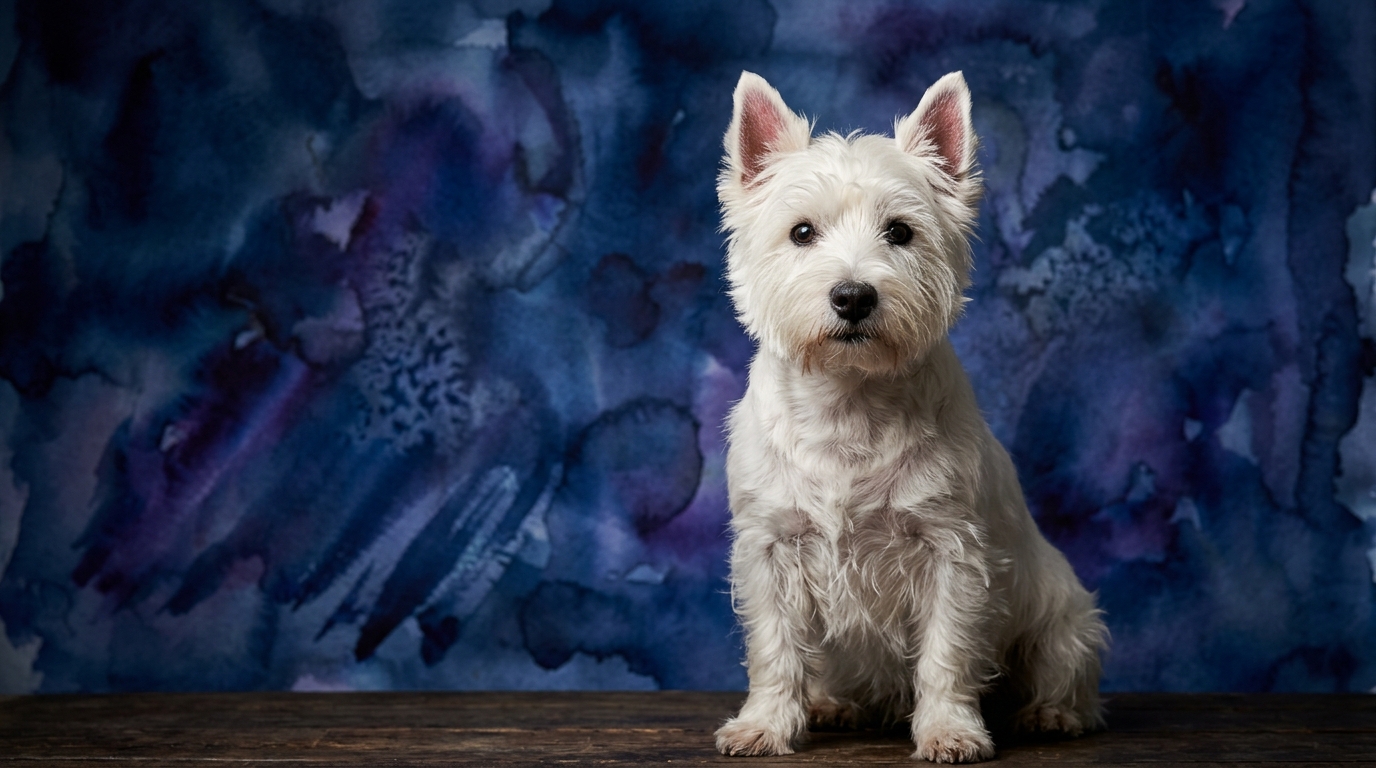
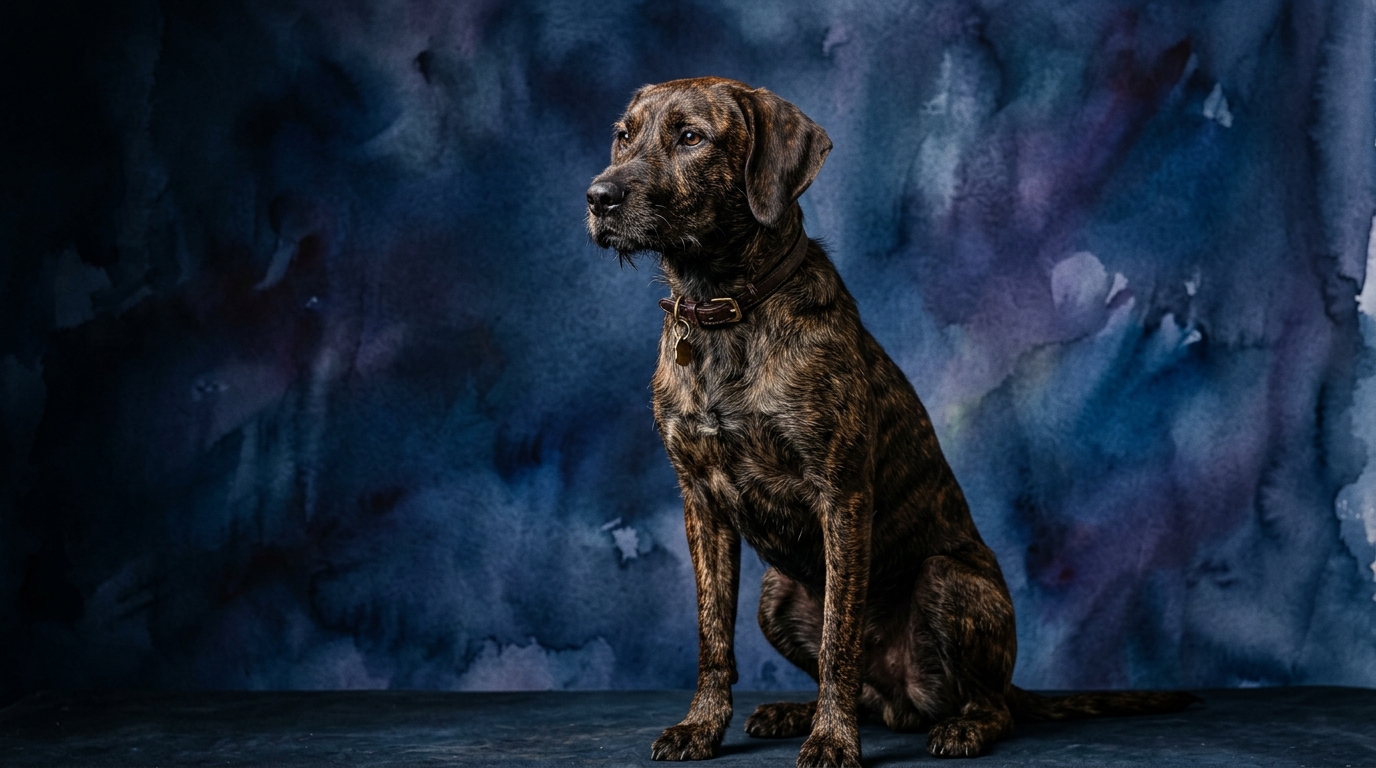
Side-by-Side IQ Profile: Westie vs. Plott
The Cosmic Pet Pet IQ Lab assesses canine intelligence across five key dimensions, offering a nuanced view beyond general perceptions. For the West Highland White Terrier, we observe a Coren rank of #47, indicating a respectable capacity for understanding and obeying human commands, placing them in the 'above average' working intelligence category. Their individual IQ scores are: Problem Solving 3/5, Training Speed 3/5, Social Intelligence 3/5, Instinctive Drive 3/5, and Memory 4/5. This profile suggests a resourceful, independent thinker with a notable ability to retain information.
In contrast, the Plott Hound, an unranked breed by Coren's metrics, presents a cognitive profile tailored more to its specialized hunting heritage. Their IQ scores are: Problem Solving 3/5, Training Speed 3/5, Social Intelligence 3/5, Instinctive Drive 3/5, and Memory 3/5. While sharing some scores with the Westie, the underlying manifestation of these cognitive traits differs significantly, rooted in their distinct evolutionary pressures and working roles.
Delving into each dimension, the Westie's Problem Solving at 3/5 signifies a terrier's characteristic ingenuity in navigating its environment, often figuring out how to access desired objects or outwit small prey. Their 3/5 Training Speed reflects an ability to grasp concepts, though their independent streak can sometimes make compliance a matter of negotiation. Social Intelligence at 3/5 means they are aware of human emotions and cues, often using their charm to their advantage, while their 3/5 Instinctive Drive manifests as a strong prey drive, digging tendencies, and territoriality. The Westie's standout trait is Memory at 4/5, indicating an excellent capacity to recall commands, routines, and experiences over time.
For the Plott Hound, a 3/5 in Problem Solving reflects a practical, goal-oriented approach, particularly adept at unraveling complex scent trails and navigating challenging terrain during a hunt. Their Training Speed, also 3/5, means they can learn, but their strong scent focus often dictates their priorities, requiring patient and highly motivated instruction. Social Intelligence at 3/5 underscores their strong bond with their human 'pack' and an understanding of cooperative hunting dynamics, though they might be less overtly expressive than some companion breeds. The Plott's 3/5 Instinctive Drive is overwhelmingly centered on scenting, tracking, and the characteristic 'bay' of a hound, demonstrating incredible endurance and single-mindedness. Finally, their Memory at 3/5 is solid for recalling trails, familiar people, and established routines, but perhaps less for abstract concepts compared to the Westie.
Where the West Highland White Terrier Wins Cognitively
The West Highland White Terrier distinctively shines in its memory capabilities, scoring a 4/5 compared to the Plott Hound's 3/5. This superior recall means a Westie is generally quicker to solidify learned commands, remember household rules, and retain training over longer periods, making consistency in early training especially impactful. Their Coren ranking of #47 also suggests a general aptitude for understanding and responding to human communication that, while not a direct IQ score, implies a cognitive flexibility beneficial in a companion setting.
Furthermore, the Westie's problem-solving, though rated equally at 3/5, often manifests in a different, more domestic context. They are adept at figuring out how to manipulate objects, open cupboards, or navigate indoor spaces to achieve their goals, a testament to their terrier cleverness. This translates to an engaging companion who can often surprise owners with their ingenuity in everyday situations.
Where the Plott Hound Wins Cognitively
The Plott Hound's cognitive strengths are profoundly tied to its specialized role, particularly in its manifestation of Instinctive Drive and Problem Solving, both rated 3/5. While the score is the same as the Westie, the *nature* of the Plott's drive is its winning edge. Their relentless scent drive and endurance in tracking are unparalleled, demonstrating a cognitive ability to process complex olfactory information and maintain focus on a single, long-term objective through varied environments. This is a form of problem-solving that few breeds can match.
The Plott's social intelligence, while also 3/5, is geared towards cooperative working relationships. They excel in tasks where they partner with a human, relying on their handler for direction while independently pursuing a scent. This indicates a unique cognitive synergy, where their drive and problem-solving are integrated with a capacity for teamwork in their specific domain, making them exceptional at what they were bred to do.
Which is Easier to Train and Why
When considering ease of training for general obedience, the West Highland White Terrier often presents a slightly more straightforward path for the average owner, primarily due to its 4/5 Memory score. Westies retain commands and routines effectively, meaning once a behavior is learned, it tends to stick. However, their terrier independence and 3/5 Instinctive Drive (often manifesting as a strong prey drive or digging urge) necessitate engaging, consistent, and positive reinforcement methods to keep them motivated and focused, as they can quickly decide a command isn't worth their effort.
The Plott Hound, with its 3/5 Training Speed and 3/5 Memory, can be more challenging for traditional obedience training, not because of a lack of cognitive ability, but because its powerful 3/5 Instinctive Drive for scent work often overrides other stimuli. A Plott's nose is its world, and if a compelling scent is present, it will likely prioritize that over a 'sit' command. Training a Plott requires immense patience, consistency, and methods that tap into their natural motivations, such as scent games or reward-based tracking exercises. Their lower memory score compared to the Westie may also mean more repetitions are needed for some concepts to become truly ingrained, especially if not tied to their core drives. For specialized tasks like tracking, however, the Plott's inherent capabilities make them exceptionally trainable.
Active Owners vs. Relaxed Owners: Which Breed Suits Whom?
For owners with an active lifestyle, both breeds require significant engagement, but in different ways. The West Highland White Terrier, with its spirited 3/5 Instinctive Drive, thrives on daily walks, interactive play, and mental stimulation like puzzle toys or terrier-specific 'dig boxes'. They are adaptable to various living situations, including apartments, provided their cognitive and physical needs are met through consistent exercise and training. A relaxed owner who cannot provide these outlets might find a Westie becomes bored, potentially leading to unwanted behaviors like excessive barking or digging.
The Plott Hound, on the other hand, demands a truly active and dedicated owner. Their profound 3/5 Instinctive Drive for scenting and tracking translates into a need for extensive physical exertion and mental stimulation rooted in their heritage. Long hikes, scent work, or participation in dog sports are crucial for a Plott's well-being. A relaxed owner who cannot commit to hours of outdoor activity or provide a 'job' for their Plott will likely face challenges with a restless, vocal, and potentially destructive companion. Plotts are best suited for homes where their unique physical and cognitive needs for sustained activity can be fully embraced.
The Verdict: When to Choose Each
The Verdict
Choose the West Highland White Terrier if you seek a spirited, intelligent companion with excellent memory, who thrives on interactive play and consistent engagement to channel their independent terrier instincts. They are ideal for owners who appreciate a dog with a strong personality and can provide consistent mental and physical stimulation.
Opt for the Plott Hound if you are an experienced, highly active owner seeking a devoted, rugged companion for extensive outdoor adventures, scent work, or a dedicated working role. They are best suited for those who understand hound motivations and can provide ample physical and mental stimulation rooted in their profound tracking heritage.
🧠 Find Your Pet's IQ Score
Our Pet IQ Lab assessment covers 25+ tests across 5 cognitive dimensions — personalized to your breed.
Take the Full IQ Test →Frequently Asked Questions
Is the Coren ranking a definitive measure of a dog's intelligence?
The Coren ranking primarily assesses 'working and obedience intelligence,' which reflects a dog's ability to learn and obey human commands. It doesn't encompass all facets of canine cognition, such as problem-solving in natural environments or social intelligence, providing a specific rather than universal measure.
How does a Westie's 4/5 memory score impact daily life?
A Westie's strong memory means they quickly recall learned behaviors, routines, and even past experiences, both positive and negative. This aids in consistent training but also means they can remember if a certain forbidden activity was once allowed, or hold a 'grudge' if treated unfairly, requiring consistent rules.
What type of mental stimulation does a Plott Hound thrive on?
Plott Hounds thrive on mental stimulation that engages their powerful scent drive and problem-solving abilities. Activities like scent work, tracking games, 'find it' games, or participation in dog sports like K9 Nose Work are ideal for fulfilling their deep-seated instinctive drives and keeping their minds engaged.