Side-by-Side IQ Profile: Westie vs. Coonhound
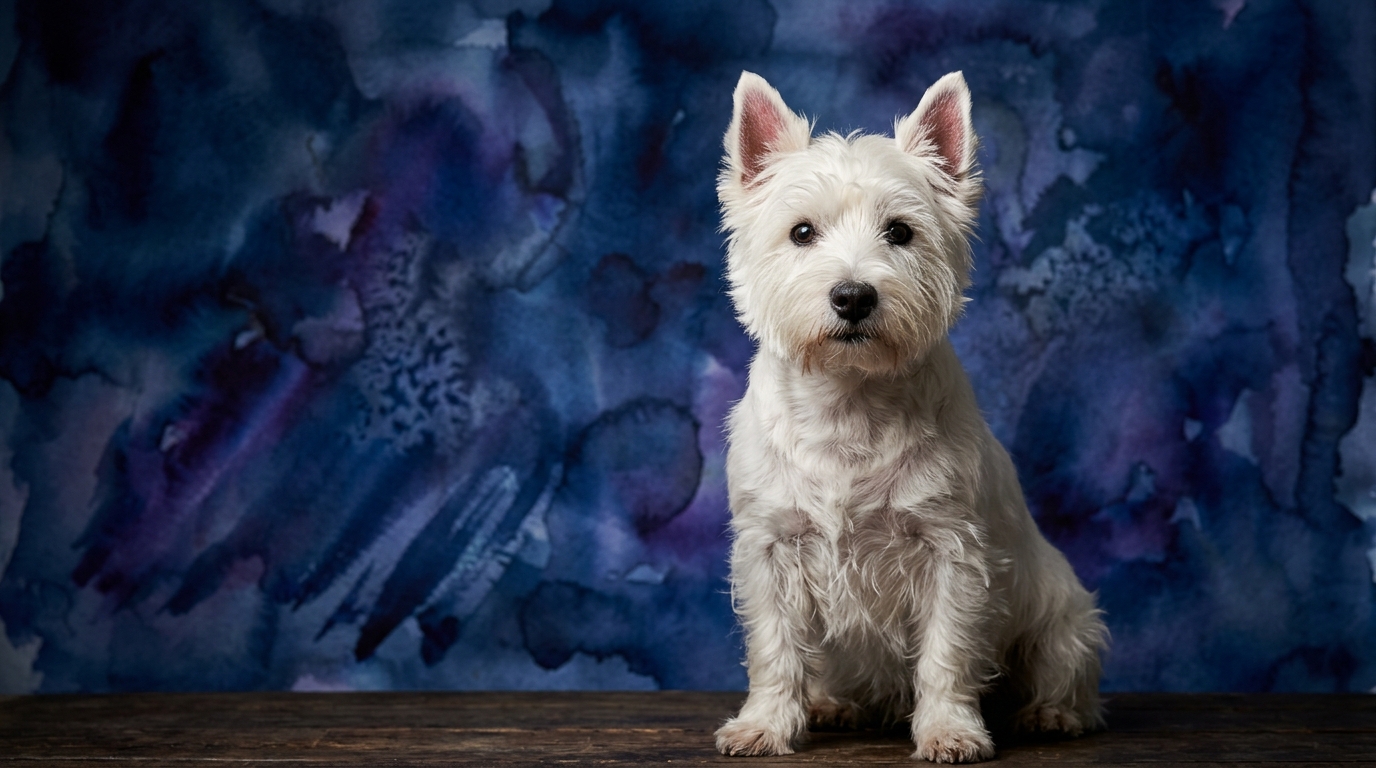
The West Highland White Terrier, a charming and tenacious member of the Terrier group, registers a Coren rank of #47, placing them in the 'above average' category for obedience and working intelligence. Our Pet IQ Lab assessment shows them with a balanced profile: Problem Solving 3/5, Training Speed 3/5, Social Intelligence 3/5, and Instinctive Drive 3/5. These scores reflect a dog that is capable of independent thought, learns at a steady pace, engages appropriately with others, and possesses a moderate but focused drive.
Crucially, the Westie stands out with a Memory score of 4/5. This indicates a superior capacity for retaining learned behaviors and sequences over time, making them quite reliable once a command or routine is firmly established. Their problem-solving at 3/5 often manifests as cleverness in navigating their environment or figuring out how to achieve a desired outcome, sometimes to their owner's playful exasperation.
Their Instinctive Drive at 3/5, while not extreme, is typically channeled into classic terrier pursuits like digging, chasing small prey, and patrolling their territory with vigilant alertness. This drive, combined with their moderate training speed, means that while they absorb information well, they require engaging and consistent methods to keep their independent minds focused on the task at hand, often responding best to positive reinforcement that makes training feel like a game.
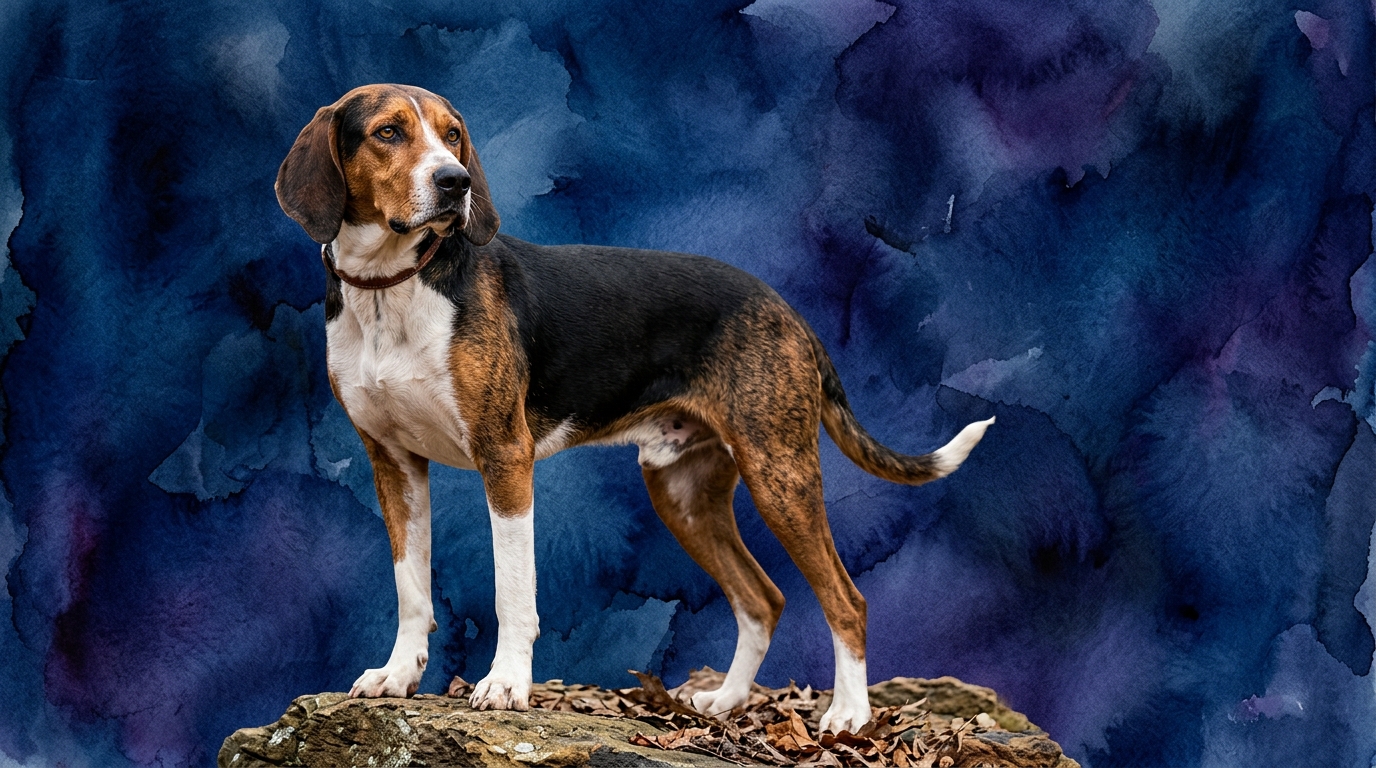
In contrast, the Treeing Walker Coonhound, a quintessential American scent hound, is not included in Coren's traditional ranking, a common occurrence for breeds whose primary intelligence lies outside standard obedience metrics. Our IQ Lab data reveals a consistent scoring across the board for the Coonhound: Problem Solving 3/5, Training Speed 3/5, Social Intelligence 3/5, Instinctive Drive 3/5, and Memory 3/5. This profile suggests a robust and functional intellect, albeit one that operates with a distinct set of priorities.
The Coonhound's 3/5 in Problem Solving is intensely practical, focusing on deciphering complex scent trails and navigating varied terrain to locate quarry. Their 3/5 Training Speed indicates they are capable learners, but may require more repetition or specific motivational techniques to solidify commands, particularly when their powerful senses are engaged. Their Social Intelligence at 3/5 suggests they are generally amenable companions, though often more focused on their environment and tasks than on constant human interaction.
The 3/5 Instinctive Drive in a Coonhound is profoundly specialized, centered on their unparalleled scenting ability and the unwavering persistence required to follow a trail. This drive is not merely moderate; it is a deep, intrinsic motivation that governs much of their cognitive processing and behavior. Their 3/5 Memory means they can learn and recall information, but their powerful instincts can sometimes override learned behaviors if a compelling scent presents itself, requiring consistent reinforcement to maintain focus.
Where the West Highland White Terrier Wins Cognitively
The West Highland White Terrier's clear cognitive advantage lies in its superior Memory, rated at 4/5 compared to the Coonhound's 3/5. This heightened capacity for retention means that once a Westie learns a command, a trick, or a routine, they are significantly more likely to recall it accurately over extended periods. This makes them highly consistent performers in established contexts, reducing the need for constant re-training on basic obedience or complex sequences.
This robust memory also contributes to their adaptability in domestic settings. A Westie is often quicker to learn household rules, recall where their toys are kept, or remember patterns in daily routines. Their ability to retain information effectively allows them to build a comprehensive mental map of their environment and social expectations, leading to a generally more predictable and responsive companion in a typical home setting. Their Coren rank of #47 further underscores their aptitude for understanding and executing commands within a human-centric framework.
Where the Treeing Walker Coonhound Wins Cognitively
While their general IQ scores are similar, the Treeing Walker Coonhound's cognitive strengths are profoundly specialized and context-dependent. Their 3/5 Instinctive Drive, when interpreted through the lens of their breed purpose, represents a victory in a very specific, complex form of intelligence: scent-based problem solving and sustained focus. Their ability to process and interpret a myriad of olfactory information, discriminating between faint trails and actively tracking for hours, demonstrates a unique cognitive prowess unmatched by most breeds.
This deep cognitive engagement with scent allows Coonhounds to construct an intricate understanding of their environment that is largely invisible to humans. They excel at tasks requiring sustained concentration on a single sensory input, demonstrating remarkable perseverance and an almost meditative focus when on a trail. This specialized intelligence, though not captured by traditional obedience metrics, is a sophisticated form of problem-solving that allows them to navigate and exploit the world through their nose with exceptional proficiency.
Which is Easier to Train and Why
When considering ease of training, the West Highland White Terrier generally presents a more straightforward path for the average owner, primarily due to their 4/5 Memory score. While their Training Speed is 3/5, meaning they aren't instant learners, their excellent retention ensures that once a concept is grasped, it tends to stick. Their 3/5 Problem Solving means they can figure things out, but their terrier independence and 3/5 Instinctive Drive (often directed at chasing or digging) necessitate creative, engaging, and consistent positive reinforcement to keep them motivated and focused on human-directed tasks.
The Treeing Walker Coonhound, with 3/5 in both Training Speed and Memory, requires more patience and repetition to solidify learned behaviors. The real challenge, however, stems from their profoundly powerful 3/5 Instinctive Drive, which is almost entirely dedicated to scent. A compelling scent can instantly override any learned command, making training in distracting environments particularly difficult. Successful training for a Coonhound often involves harnessing, rather than suppressing, this drive, integrating scent work into their activities, and employing extremely high-value rewards to compete with the allure of a captivating odor.
Which Suits Active Owners vs. Relaxed Owners
For owners seeking an active companion, both breeds require significant engagement, but in different capacities. The West Highland White Terrier thrives with owners who can provide consistent mental stimulation, daily walks, and opportunities for play and training. Their energy is often expressed in bursts, and while they enjoy activity, they are generally adaptable to indoor living once their needs are met. An active owner for a Westie means someone who can keep their clever mind busy and channel their terrier instincts constructively.
The Treeing Walker Coonhound, on the other hand, is unequivocally suited for highly active owners who embrace outdoor adventures. Their substantial physical stamina and overwhelming scent drive necessitate extensive daily exercise, including long walks, hikes, or dedicated scent work. A 'relaxed' owner who cannot provide these outlets will likely find themselves with a restless, vocal, and potentially destructive Coonhound. Their need for sustained physical and mental engagement through their nose is non-negotiable for their well-being.
Choosing between a West Highland White Terrier and a Treeing Walker Coonhound boils down to aligning with their distinct cognitive strengths and inherent drives. Both breeds offer companionship and unique intellectual challenges, but their paths to fulfillment diverge significantly.
The Verdict
Choose the West Highland White Terrier if you value a companion with strong memory for learned behaviors, a keen mind for puzzle-solving, and the potential for a wide range of obedience and trick training, and can provide consistent mental engagement within a domestic setting.
Choose the Treeing Walker Coonhound if you are an active individual or family eager to engage with a dog's profound scenting abilities, appreciate a persistent spirit, and are prepared to dedicate substantial time to outdoor activities and harnessing their natural tracking drives.
🧠 Find Your Pet's IQ Score
Our Pet IQ Lab assessment covers 25+ tests across 5 cognitive dimensions — personalized to your breed.
Take the Full IQ Test →Frequently Asked Questions
Are West Highland White Terriers truly easier to train than Treeing Walker Coonhounds?
While both require consistent effort, the Westie's superior memory (4/5) generally aids in faster retention of commands, whereas the Coonhound's strong scent drive can be a significant distraction during training, making it more challenging to maintain focus.
How does the 'Not Coren-ranked' status for the Treeing Walker Coonhound impact understanding its intelligence?
Coren's ranking primarily assesses obedience and working intelligence. The Coonhound's specialized scenting intelligence and independent hunting style often don't align with these metrics, meaning their unique cognitive strengths are not fully captured by such rankings, but they are intelligent in their own right.
Do both breeds require similar levels of exercise?
While both need activity, the Treeing Walker Coonhound typically demands significantly more physical exertion and dedicated outlets for its scenting drive, often requiring long, vigorous exercise sessions daily, far exceeding the Westie's needs.