
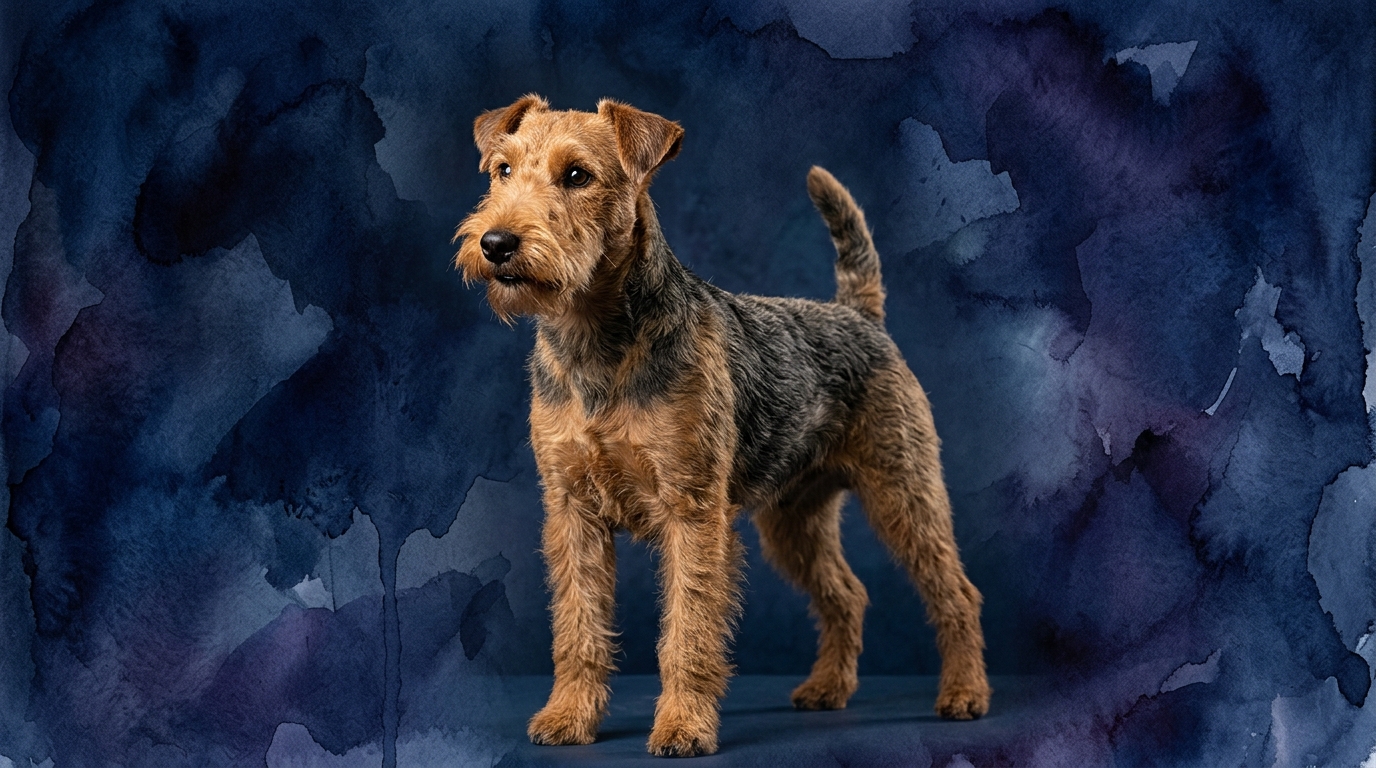
Side-by-Side Cognitive Profiles
The Cosmic Pet Pet IQ Lab provides a unique lens through which to compare the cognitive strengths of these spirited companions. For the West Highland White Terrier, ranked #47 by Coren, its Problem Solving ability stands at 3/5, indicating a capacity for independent thought and finding solutions, albeit not always the most direct ones. Its Training Speed is also 3/5, suggesting that while they learn, consistency and engaging methods are crucial to overcome their independent streak. Social Intelligence, at 3/5, means they can read human cues and interact effectively, but often on their own terms. An Instinctive Drive of 3/5 points to their inherent prey drive and working instincts, requiring appropriate outlets. Notably, the Westie's Memory is rated 4/5, a significant asset for retaining learned behaviors and routines.
The Welsh Terrier, while not appearing on Coren's rankings, presents a remarkably balanced profile within the Terrier group. Its Problem Solving ability mirrors the Westie at 3/5, showcasing that typical terrier ingenuity in navigating challenges. Training Speed is also 3/5, emphasizing the need for patience and positive reinforcement to guide their spirited nature. Social Intelligence, at 3/5, means they are observant and capable of forming strong bonds, but maintain a characteristic terrier self-reliance. Their Instinctive Drive is a solid 3/5, underscoring their historical role as working dogs with a keen interest in chasing and exploring. The Welsh Terrier's Memory is rated 3/5, indicating a competent ability to recall information, though perhaps with slightly less immediate retention than their Westie counterparts.
Where the West Highland White Terrier Excels Cognitively
The West Highland White Terrier's standout cognitive advantage lies clearly in its Memory, rated at 4/5 compared to the Welsh Terrier's 3/5. This superior recall means Westies are often quicker to solidify learned commands, house-training protocols, and routines. They tend to remember past successes and failures more vividly, which can translate into more efficient modification of behavior over time. For an owner, this translates to less repetition required to ingrain a behavior and a dog that might more consistently respond to cues even after a period of inactivity. Their capacity to retain complex sequences or recall specific situations can make them adept at learning intricate tricks or navigating familiar environments with precision.
Where the Welsh Terrier Demonstrates Unique Strengths
While the Welsh Terrier's individual cognitive scores largely align with or are slightly below the Westie's, its strength lies in the robust, well-rounded application of its abilities, particularly in contexts demanding sustained, independent focus. With a Problem Solving score of 3/5 and an Instinctive Drive of 3/5, the Welsh Terrier exhibits a tenacious ingenuity in pursuing tasks, especially those that engage its natural terrier instincts. This combination suggests a dog that is adept at figuring out how to achieve its goals in a practical, often physical, sense, even if it requires persistence. Their balanced cognitive profile makes them exceptionally resilient and adaptable in varied outdoor environments, relying on their instincts and problem-solving to navigate and explore with confident self-sufficiency.
Training Dynamics: Which is Easier and Why?
When considering ease of training, the West Highland White Terrier holds a slight edge primarily due to its 4/5 Memory score. This means Westies are generally more adept at retaining instructions and associating consequences with actions, potentially shortening the initial learning curve for new commands. While their 3/5 Training Speed still implies a need for consistent, engaging methods to counteract their independent terrier spirit, their strong recall can make reinforcement more effective.
The Welsh Terrier, with a 3/5 Memory and 3/5 Training Speed, will require a more consistent and potentially longer period of repetition to solidify commands. Their robust Instinctive Drive (3/5) means they can be more easily distracted by environmental stimuli, such as interesting scents or movement, during training sessions. Owners will need to be particularly adept at making training more rewarding than external distractions, employing high-value treats and praise, and maintaining a firm yet positive approach to harness their spirited focus.
Matching Lifestyles: Active vs. Relaxed Owners
Both Westies and Welsh Terriers, as members of the terrier group, possess a significant Instinctive Drive (3/5) and require consistent mental and physical engagement. Neither breed is genuinely suited for a truly 'relaxed' owner who prefers minimal interaction and exercise. However, there are distinctions.
The Welsh Terrier, often being slightly larger and bred for more vigorous working tasks, tends to thrive with active owners who enjoy long walks, hikes, or participate in dog sports like agility or earthdog trials. Their balanced cognitive profile and robust nature make them excellent companions for owners who can provide ample outdoor exploration and stimulating activities. The West Highland White Terrier, while still active, might be a marginally better fit for owners who can provide consistent, engaging indoor play and regular, moderate outdoor exercise. Their superior memory can make them particularly good at learning complex indoor games and puzzles, which can help satisfy some of their mental stimulation needs when outdoor adventures are less extensive.
The Verdict
Choose the West Highland White Terrier if you prioritize a dog with superior memory for training and routines, and appreciate a compact companion who thrives on consistent, engaging mental stimulation.
Opt for the Welsh Terrier if you're an active owner seeking a robust, resilient terrier with a balanced cognitive profile and a strong drive for outdoor exploration and tenacious engagement.
🧠 Find Your Pet's IQ Score
Our Pet IQ Lab assessment covers 25+ tests across 5 cognitive dimensions — personalized to your breed.
Take the Full IQ Test →Frequently Asked Questions
Are West Highland White Terriers stubborn during training?
Westies, with their 3/5 Problem Solving and Training Speed, can exhibit typical terrier independence, which some owners might perceive as stubbornness. Their strong memory helps, but they require consistent, positive reinforcement and engaging methods to make training feel like a collaborative effort, rather than a forced command.
Do Welsh Terriers have a strong prey drive?
Yes, Welsh Terriers possess a 3/5 Instinctive Drive, indicative of their heritage as working terriers bred to hunt vermin. This means they often have a strong desire to chase small animals, requiring secure leashes, fenced yards, and early training to manage this innate instinct safely.
How do their social intelligence scores impact their interaction with families?
Both breeds share a 3/5 Social Intelligence score, meaning they are capable of reading cues and forming strong bonds with their families. However, this score also suggests a degree of independence; they are not typically 'velcro' dogs and appreciate their own space, making them well-suited for families who respect their spirited, self-reliant nature.