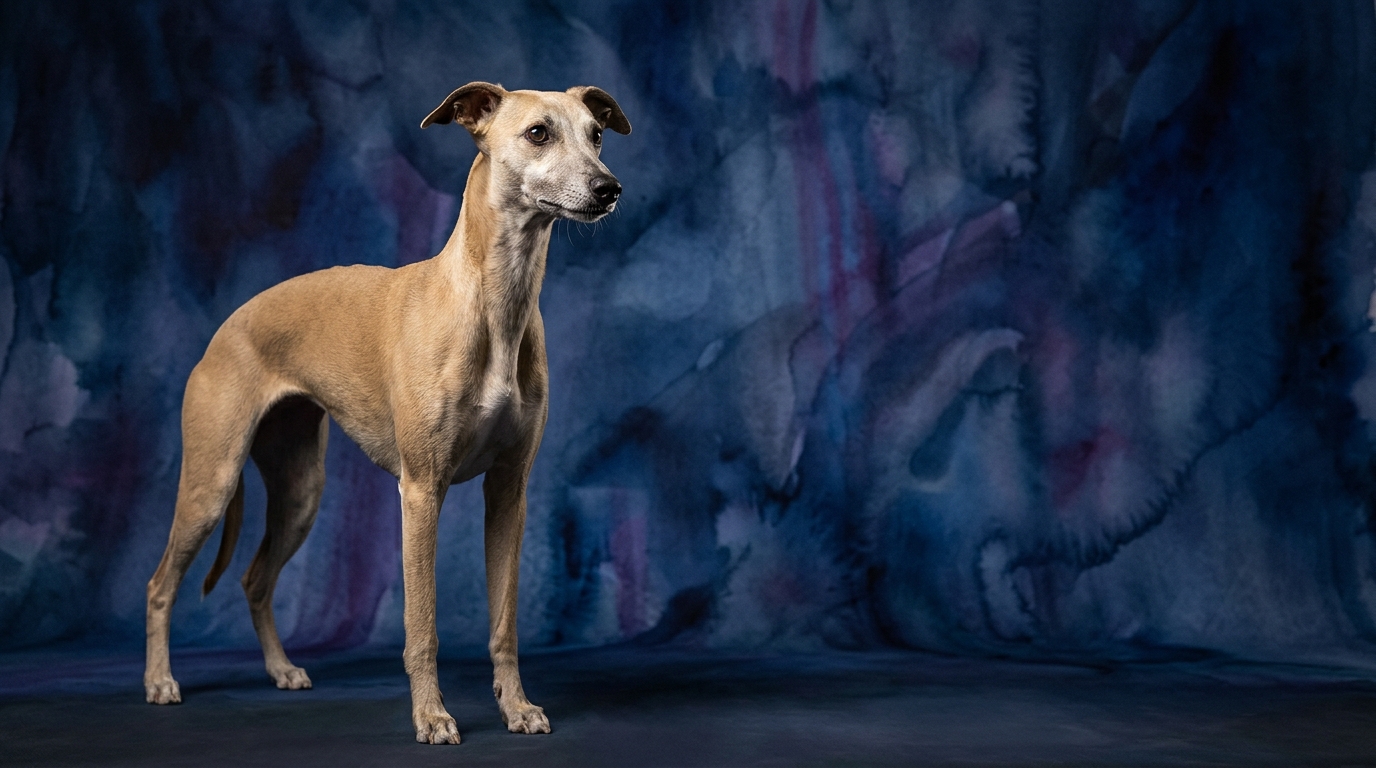
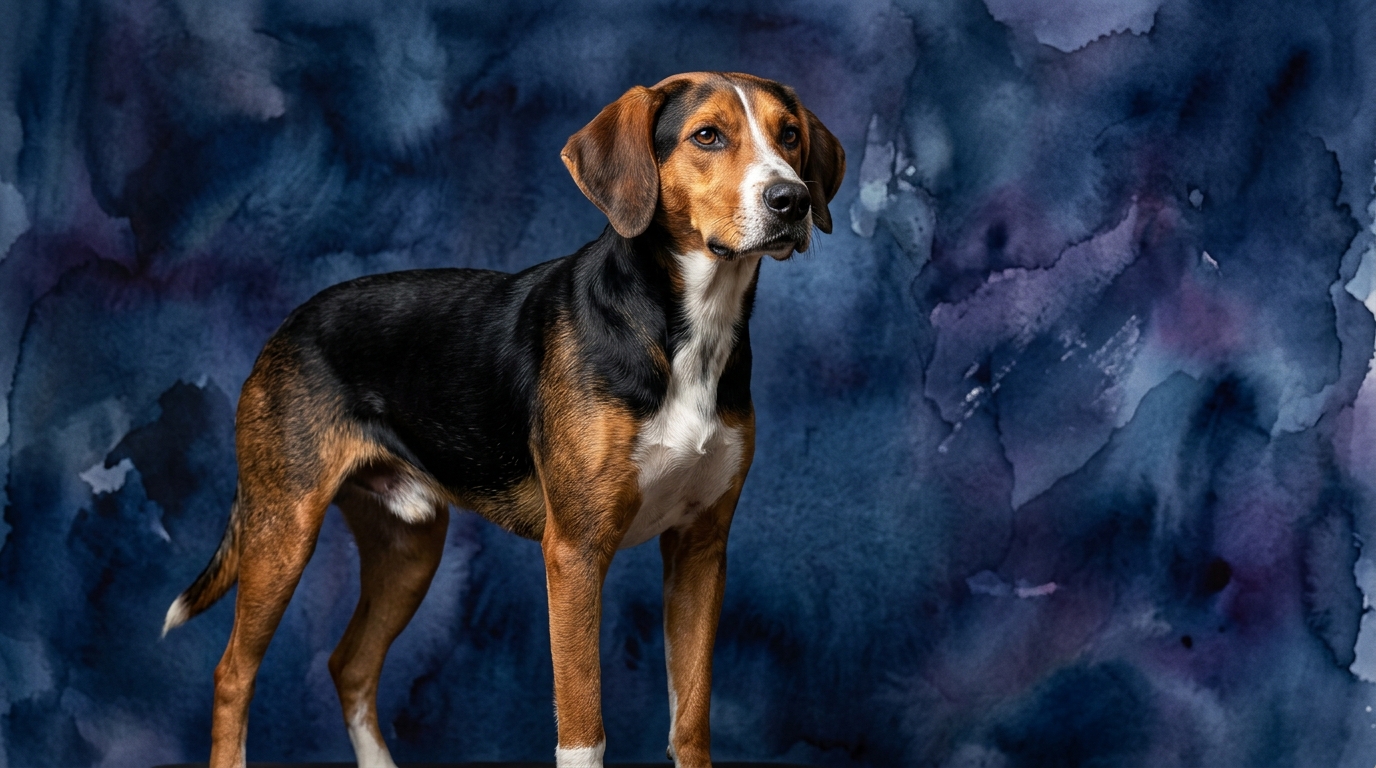
Side-by-Side Cognitive Profiles
The Cosmic Pet IQ Lab provides a detailed look into five key cognitive dimensions, offering a comparative lens for understanding the Whippet and American Foxhound. These scores illuminate their inherent aptitudes and challenges, moving beyond anecdotal observations to a structured assessment.
For the Whippet, problem-solving registers at 3/5, indicating an average capacity for navigating novel situations, often with a focus on efficiency to achieve immediate comfort or a chase. Their training speed is 2/5, suggesting that learning new commands requires consistent effort and patience due to their independent nature. Social intelligence is a strong 4/5, highlighting their sensitivity to human emotions and deep relational capacity. An undeniable 5/5 for instinctive drive underscores their powerful impulse for pursuit, a core element of their sighthound heritage. Memory stands at 3/5, reflecting a solid ability to recall routines, people, and experiences.
The American Foxhound also scores 3/5 in problem-solving, often employing persistence to overcome obstacles, especially when motivated by scent. Their training speed is 3/5, indicating a slightly more receptive attitude towards structured learning. Social intelligence is 3/5, suggesting a generally affable but perhaps less acutely empathetic interaction style compared to the Whippet. Their instinctive drive, at 3/5, centers on endurance and scent-following rather than explosive speed. Like the Whippet, their memory is rated 3/5, demonstrating a reliable recall for trails, commands, and routines, particularly within their specialized field of scent work.
Where the Whippet Excels Cognitively
The Whippet truly shines in the realm of social intelligence, scoring 4/5 compared to the American Foxhound's 3/5. This higher social acumen means Whippets are often more perceptive of human emotions and subtle non-verbal cues, fostering a profound connection with their families. They can anticipate needs and react to changes in household mood with remarkable sensitivity, making them exceptionally empathetic companions. This cognitive strength allows for a nuanced communication that enriches the human-animal bond.
Furthermore, while 'winning' might be a strong term for an instinct, the Whippet's instinctive drive is a perfect 5/5, reflecting their unparalleled focus and intensity when it comes to pursuit. This specialized cognitive trait means they possess an almost laser-like concentration on moving targets, a distinct mental agility for calculating trajectories, and an explosive physical response that is a hallmark of their sighthound lineage. While this high drive requires careful management, it represents a peak performance in a very specific cognitive domain, distinguishing them significantly from the more endurance-focused Foxhound.
Where the American Foxhound Shows Cognitive Strengths
The American Foxhound edges out the Whippet in training speed, scoring a 3/5 compared to the Whippet's 2/5. This indicates they generally process and internalize new commands and routines a bit more readily. Their history as cooperative hunting dogs, working in packs and responding to human direction over long periods, has likely shaped a cognitive architecture that is slightly more receptive to structured learning environments. While not a dramatic difference, this incremental advantage means that with consistent, positive reinforcement, a Foxhound may grasp new concepts or modify behaviors with a touch more efficiency. Their willingness to engage in repetitive tasks, a trait beneficial for endurance hunting, can also translate into greater patience and focus during training sessions, giving them a slight edge in absorbing and executing learned behaviors.
Trainability: Whippet vs. American Foxhound
Based on their respective IQ profiles, the American Foxhound is generally considered easier to train than the Whippet, primarily due to its higher training speed score (3/5 vs. 2/5). This difference is rooted in their behavioral predispositions. American Foxhounds, bred for collaborative hunting in packs, often possess a stronger desire to work alongside humans and respond to commands, making them somewhat more amenable to direction. Their instinctive drive, while potent for scent work, is typically channeled into sustained effort rather than explosive, independent bursts, which can make them more focused during training.
In contrast, the Whippet’s lower training speed is often a consequence of its powerful instinctive drive (5/5) for pursuit and its independent sighthound nature. Once a Whippet locks onto a visual stimulus, its focus on human commands can diminish significantly. Their preference for comfort and occasional 'selective deafness' means training requires exceptional patience, consistency, and highly motivating rewards to consistently capture and maintain their attention. While both breeds benefit from positive reinforcement, the Foxhound's slightly more cooperative temperament often translates into a smoother training journey for most owners.
Matching Breed to Owner Lifestyle
Understanding the activity levels suitable for each breed requires looking beyond raw energy and into their specific cognitive drives. The American Foxhound, with its enduring scent drive (3/5 instinctive drive, but focused on stamina), is better suited for active owners who relish long, consistent outdoor adventures. These dogs thrive on extensive walks, hikes, or runs, where they can engage their noses and cover significant distances. Their cognitive satisfaction comes from prolonged engagement with their environment, making them ideal for individuals who enjoy a routine of vigorous, sustained exercise and can provide ample opportunities for scent exploration.
Conversely, the Whippet, despite its explosive 5/5 instinctive drive for pursuit, can surprisingly suit owners who might be described as 'relaxed' in terms of continuous, high-intensity exercise, provided they can offer specific outlets for their breed's unique needs. Whippets are sprinters, not marathoners; they need daily opportunities for short, intense bursts of speed in a secure, fenced area, followed by ample time for lounging indoors. Their high social intelligence means they are content to be close companions within the home, requiring less constant mental stimulation through complex tasks than some other breeds, but an absolute necessity for their instinct to run. Therefore, an active owner for a Foxhound means endurance, while for a Whippet, it means providing specific, high-intensity sprint sessions.
The Verdict
Choose a Whippet if you appreciate a deeply empathetic companion who is highly attuned to your emotions and can satisfy their intense need for speed with dedicated, short bursts of secure running.
Choose an American Foxhound if you seek a resilient, cooperative partner for long, sustained outdoor adventures who will engage readily in consistent training.
🧠 Find Your Pet's IQ Score
Our Pet IQ Lab assessment covers 25+ tests across 5 cognitive dimensions — personalized to your breed.
Take the Full IQ Test →Frequently Asked Questions
Is a Whippet a good choice for a first-time dog owner?
Whippets can be good for first-time owners who are prepared for their specific training challenges and high chase drive. Their social intelligence makes them affectionate, but their independent streak and need for secure exercise require commitment.
How much exercise does an American Foxhound truly need?
American Foxhounds need substantial daily exercise, typically an hour or more of vigorous activity like long walks, runs, or hikes, often off-leash in safe, expansive areas where they can follow scents. Their endurance and drive demand consistent physical and mental engagement.
Do Whippets and American Foxhounds get along well with other pets?
Whippets, with their high social intelligence, generally coexist peacefully with other dogs and even cats if introduced properly, though their strong prey drive requires caution. American Foxhounds are typically amiable with other dogs due to their pack heritage, but their scent drive means small, fast-moving pets might trigger their chase instinct.