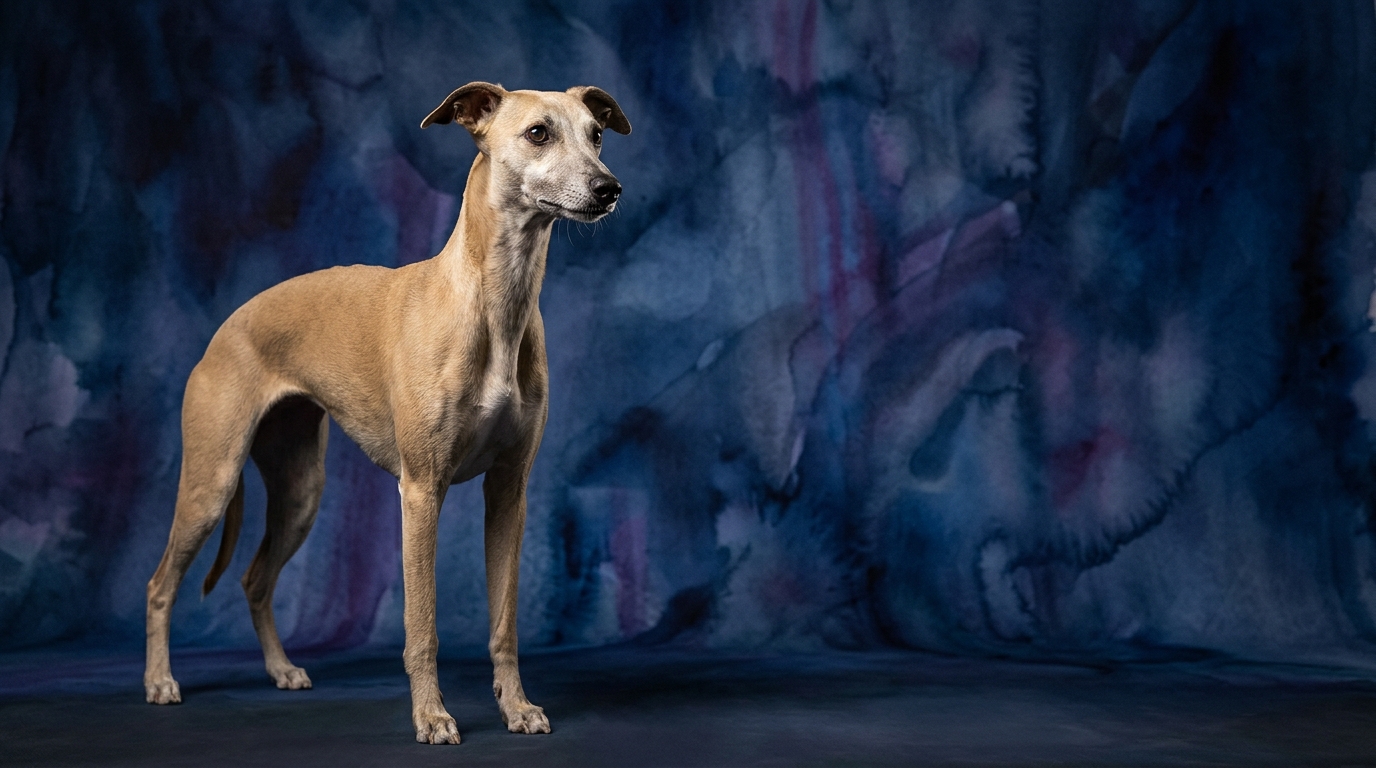
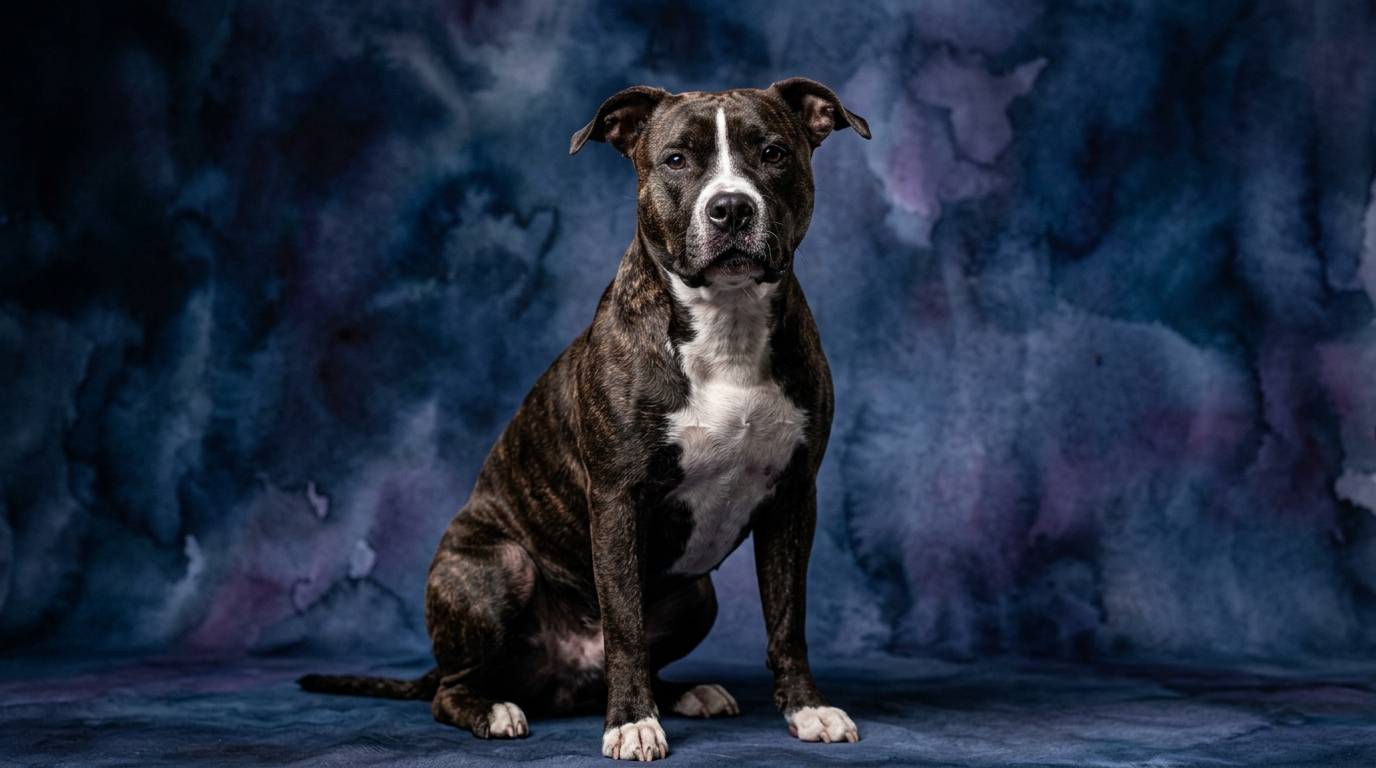
Side-by-Side IQ Profile: Whippet vs. American Staffordshire Terrier
The Cosmic Pet Pet IQ Lab employs a five-dimensional framework to assess canine cognition, providing a nuanced understanding beyond simple obedience rankings. For the Whippet, ranked #51 by Coren, and the American Staffordshire Terrier, ranked #48, these dimensions paint distinct pictures of their mental landscapes.
Whippet (Coren Rank #51): Problem Solving (3/5), Training Speed (2/5), Social Intelligence (4/5), Instinctive Drive (5/5), Memory (3/5).
American Staffordshire Terrier (Coren Rank #48): Problem Solving (3/5), Training Speed (3/5), Social Intelligence (3/5), Instinctive Drive (3/5), Memory (4/5).
Let's delve deeper into what each of these scores signifies for our two breeds.
Whippet Cognitive Breakdown:
Problem Solving (3/5): Whippets exhibit moderate problem-solving abilities, often relying on their keen senses and athleticism to navigate challenges rather than complex strategic thinking. They can figure out how to access desired objects or navigate familiar environments efficiently, but novel, multi-step puzzles might require more guidance.
Training Speed (2/5): Their independent spirit and sighthound instincts mean Whippets can take longer to grasp new commands or routines. They require patient, consistent, and reward-based training methods to maintain engagement, as repetition without motivation can lead to disinterest.
Social Intelligence (4/5): Whippets possess a strong capacity for understanding human emotions and social cues, forming deep bonds with their families. They are typically sensitive to household dynamics and can adapt well to different social situations, often seeking comfort and connection with their people.
Instinctive Drive (5/5): Their sighthound heritage manifests as an intense drive to chase and pursue fast-moving objects, a powerful instinct that is deeply ingrained. This drive is a core part of their identity, influencing their play, exercise needs, and sometimes their focus in training, requiring careful management.
Memory (3/5): Whippets have a good, functional memory for routines, familiar people, and places, but it's not their standout cognitive trait. They remember training cues with consistent reinforcement and recall positive or negative experiences effectively, aiding in their daily interactions.
American Staffordshire Terrier Cognitive Breakdown:
Problem Solving (3/5): American Staffordshire Terriers display a practical level of problem-solving, capable of navigating everyday obstacles and learning how to achieve goals like opening gates or retrieving toys. Their persistence often aids them in working through challenges, though they may not always choose the most direct path.
Training Speed (3/5): With a moderate training speed, AmStaffs are generally eager to please and respond well to clear, consistent instruction. They can pick up new commands at a reasonable pace, especially when training is engaging and reinforces their desire to work alongside their human companions.
Social Intelligence (3/5): AmStaffs possess a solid understanding of social interactions within their family unit, displaying loyalty and affection. While generally friendly, their social intelligence is more focused on their immediate circle, and they may require more structured introductions in novel social settings.
Instinctive Drive (3/5): Their terrier heritage endows them with a moderate instinctive drive, which can include a desire to dig, chew, or engage in tug-of-war. This drive is manageable and can often be channeled into appropriate activities and training, making them adaptable companions.
Memory (4/5): American Staffordshire Terriers boast a robust memory, allowing them to retain learned behaviors, commands, and experiences over long periods. This strong recall contributes to their consistency in training and their ability to remember past interactions, both positive and negative.
Where the Whippet Wins Cognitively
The Whippet's standout cognitive strength lies in its exceptional Social Intelligence (4/5), allowing for a nuanced understanding of human emotions and household dynamics. This makes them profoundly empathetic companions, often anticipating their owner's moods or needs and adapting their behavior accordingly. Their unparalleled Instinctive Drive (5/5) for pursuit, while requiring management, is a testament to a highly specialized and deeply ingrained form of operational intelligence, perfect for specific activities like lure coursing where their natural aptitude shines with focused intensity. This keen awareness of their human environment, combined with their specialized drive, creates a unique cognitive profile.
Where the American Staffordshire Terrier Wins Cognitively
The American Staffordshire Terrier truly excels with its impressive Memory (4/5), granting them a remarkable ability to recall training cues, learned behaviors, and past social interactions with clarity. This cognitive advantage means they retain lessons effectively, contributing significantly to their reliability once a skill is mastered and reducing the need for constant re-teaching. Their balanced Instinctive Drive (3/5) allows for a more adaptable cognitive approach, making them less singularly focused on one type of instinctual behavior compared to a sighthound. This versatility in their drives and their superior memory make them consistent and dependable learners.
Which is Easier to Train and Why
When considering ease of training, the American Staffordshire Terrier generally presents a more straightforward path due to its Training Speed of 3/5 and superior Memory (4/5). They tend to be more eager to please and retain commands more readily, making consistency highly rewarding for both dog and owner. Their moderate instinctive drives are also more easily redirected into constructive training exercises, allowing for focused engagement.
Whippets, with a Training Speed of 2/5 and a more independent streak, require greater patience and creativity; their strong Instinctive Drive (5/5) for chasing can also be a significant distraction in open environments, demanding more focused desensitization and recall work to overcome their inherent predispositions. While capable of learning, their motivation is often tied to their own interests, necessitating a more nuanced and engaging training approach.
Which Suits Active Owners vs. Relaxed Owners
Whippets, despite their reputation as '45 mph couch potatoes,' thrive with owners who appreciate and can channel their intense Instinctive Drive (5/5) into bursts of speed and play, followed by significant periods of relaxation. They suit active owners who enjoy structured outdoor activities like lure coursing or long, secure runs, but equally appeal to relaxed owners who value a calm, affectionate indoor companion after their exercise needs are met. Their social intelligence means they enjoy being included in family life, whether active or quiet.
American Staffordshire Terriers, with their moderate Instinctive Drive (3/5) and practical Problem Solving (3/5), are well-suited for active owners who enjoy varied activities like hiking, agility, or obedience training, as they possess the stamina and mental engagement for diverse tasks. Their robust memory also means they benefit from consistent mental stimulation, making them ideal for owners who enjoy ongoing training and enrichment. While they can relax indoors, their cognitive profile suggests a greater need for regular, engaging activities to keep them content.
The Verdict
Choose a Whippet if you seek a deeply empathetic companion who understands social nuances and you are prepared to manage or indulge their profound sighthound chase drive with safe, intense bursts of exercise.
Opt for an American Staffordshire Terrier if you value a loyal, trainable companion with excellent memory retention and a balanced drive that thrives on consistent engagement and varied activities.
🧠 Find Your Pet's IQ Score
Our Pet IQ Lab assessment covers 25+ tests across 5 cognitive dimensions — personalized to your breed.
Take the Full IQ Test →Frequently Asked Questions
Do Whippets and American Staffordshire Terriers have similar problem-solving abilities?
Both breeds score 3/5 in Problem Solving, indicating a moderate capacity. Whippets often use their athleticism and keen senses to navigate challenges, while AmStaffs employ persistence; neither is particularly adept at complex, multi-step novel puzzles without guidance, but they handle everyday issues effectively.
Which breed is more attuned to human emotions based on their social intelligence?
Whippets, with a Social Intelligence score of 4/5, tend to be more attuned to human emotions and subtle social cues, often expressing their affection in empathetic ways and forming deep bonds. AmStaffs (3/5) are loyal and affectionate within their family, but Whippets generally exhibit a broader and more nuanced social awareness.
How does the instinctive drive differ between a Whippet and an American Staffordshire Terrier impact their daily life?
A Whippet's 5/5 Instinctive Drive means an almost irresistible urge to chase, requiring secure outdoor spaces and careful management around small, fast-moving objects to prevent mishaps. An AmStaff's 3/5 Instinctive Drive is more moderate, manifesting as desires to chew, dig, or tug, which are typically easier to channel into appropriate outlets and training, making them more versatile in their daily activities.