Side-by-Side IQ Profile: Whippet vs. Anatolian Shepherd Dog
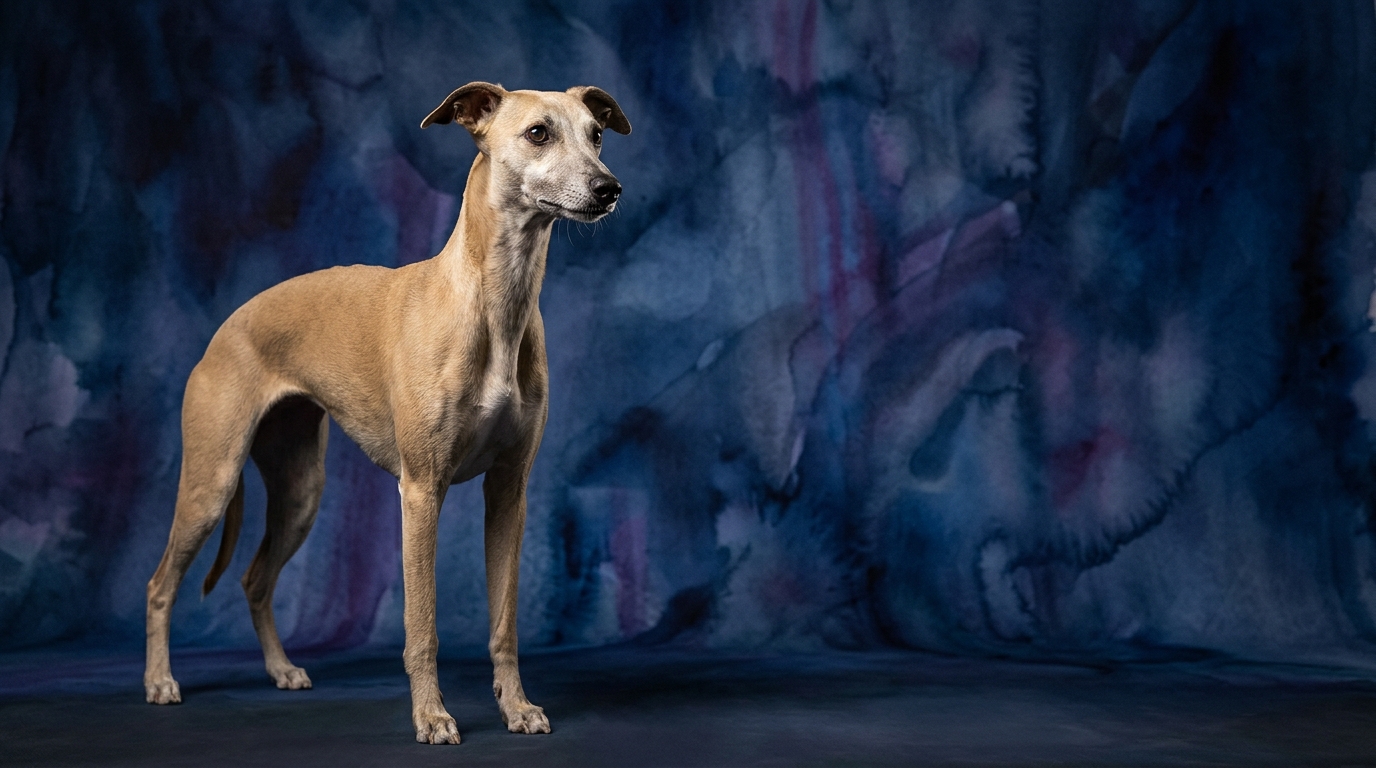
The Whippet, a sighthound developed for speed and pursuit, presents a unique cognitive blueprint according to The Cosmic Pet Pet IQ Lab. Their Problem Solving score of 3/5 indicates a moderate capacity for navigating novel challenges, suggesting they can learn to manipulate simple latches or figure out basic puzzle toys but aren't typically master strategists. Training Speed, at 2/5, implies that Whippets require consistent, engaging methods; they learn at their own pace and may not always see the immediate benefit in repetitive commands. However, their Social Intelligence shines at 4/5, reflecting a strong ability to read human cues and form deep, affectionate bonds, often seeking out companionship. A towering Instinctive Drive of 5/5 highlights their profound urge to chase and pursue, a core aspect of their being. Their Memory, rated 3/5, is average, meaning they retain learned information adequately but aren't exceptional at recalling intricate sequences.
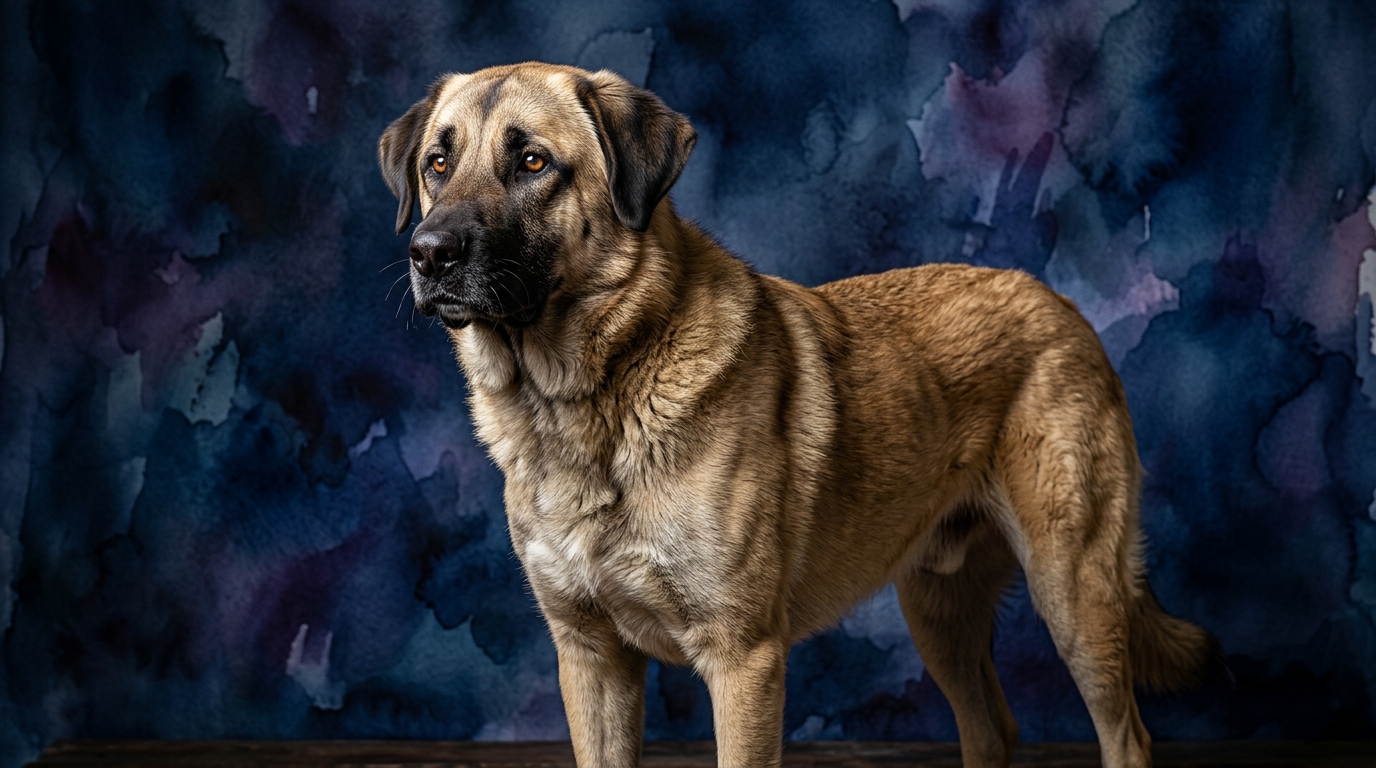
In contrast, the Anatolian Shepherd Dog, a formidable livestock guardian, displays a balanced yet distinctly independent cognitive profile. Their Problem Solving also stands at 3/5, suggesting a similar ability to the Whippet in tackling new situations, though their approach is often driven by a need for practical solutions within their territory. Their Training Speed is slightly higher at 3/5, indicating they grasp new commands and routines at a moderate pace, often when they perceive a clear purpose or benefit. Social Intelligence for the Anatolian is 3/5; they are capable of forming strong bonds but tend to be more reserved and less overtly expressive than a Whippet, valuing independence. Their Instinctive Drive is 3/5, reflecting a powerful but controlled inclination towards guarding and protection rather than pure pursuit. Like the Whippet, their Memory is 3/5, providing a reliable recall of established routines and learned boundaries.
Where the Whippet Excels Cognitively
The Whippet's cognitive strengths distinctly lean into their social aptitude and their profound instinctive drive for movement and pursuit. With a Social Intelligence score of 4/5, Whippets demonstrate a superior ability to attune to human emotions and intentions, often seeking out close physical contact and thriving on interactive companionship. This makes them remarkably responsive to subtle cues from their human counterparts, fostering a deep, almost intuitive bond that can be very rewarding for owners who appreciate a dog's emotional connection. Their capacity for social understanding means they often integrate seamlessly into family dynamics, becoming sensitive barometers of household moods.
Furthermore, the Whippet's Instinctive Drive, rated at an impressive 5/5, is a cognitive win in its specific intensity and focus. While this primarily manifests as an undeniable urge to chase anything that moves, it also reflects a highly developed sensory processing system geared towards detecting and responding to stimuli in their environment with incredible speed and precision. This cognitive specialization allows them to excel in activities that leverage their natural inclinations, such as lure coursing, where their focus and immediate response to a moving target are unparalleled. This drive, though needing management, is a testament to their finely tuned predatory sequence, a complex cognitive chain of detection, orientation, chase, and capture.
Where the Anatolian Shepherd Dog Excels Cognitively
The Anatolian Shepherd Dog's cognitive strengths lie in their independent problem-solving abilities, particularly within a guarding context, and their more balanced approach to training. While both breeds share a Problem Solving score of 3/5, the Anatolian's application of this skill often involves assessing situations and making decisions autonomously, which is a hallmark of a successful livestock guardian. Their cognitive process involves weighing environmental factors and potential threats, making judgments that require independent thought rather than constant human direction. This self-reliance in decision-making is a vital cognitive asset for their traditional role, where they must act without immediate human input.
Additionally, the Anatolian's Training Speed of 3/5, slightly higher than the Whippet's, suggests a more consistent learning curve when motivation is clear. While they are not known for eagerness to please in the same way some other breeds might be, their willingness to learn and retain commands is steady. This moderate pace, combined with their inherent independence, means they are capable of mastering complex tasks that are relevant to their purpose, such as boundary training or specific protective commands. Their cognitive strength here is their ability to internalize rules and apply them thoughtfully, rather than simply mimicking actions, which is crucial for a breed expected to make critical decisions on its own.
Which is Easier to Train and Why
When considering ease of training, the Anatolian Shepherd Dog generally presents a slightly more straightforward path, primarily due to its Training Speed score of 3/5 compared to the Whippet's 2/5. The Anatolian is more likely to grasp new commands and routines at a moderate pace, particularly if they perceive the training as logical or beneficial to their role as a guardian. Their independent nature means they won't blindly follow every command, but once they understand the 'why,' they can be quite consistent. For instance, teaching an Anatolian to stay within specific boundaries might be challenging initially due to their patrolling instincts, but once learned, their memory and purpose-driven cognition make them reliable.
The Whippet's lower Training Speed (2/5) indicates that they may require more patience, creativity, and a higher value reward system. Their strong Instinctive Drive (5/5) means that if a squirrel or rabbit appears, training commands often become secondary. Whippets are not inherently difficult; rather, they are often easily distracted by their environment and may find repetitive drills less engaging. For example, a Whippet might learn 'sit' quickly, but consistent, reliable recall in a stimulating environment requires extensive, positive reinforcement training over a longer period, as their primary instinct is to run and chase, not necessarily to return on command when something more interesting presents itself. Their training success often hinges on making the process a fun, cooperative game rather than a strict regimen, leveraging their high social intelligence and desire for companionship.
Suited Owners: Active vs. Relaxed Lifestyles
The Whippet is an ideal companion for owners who lead an active, yet potentially relaxed, lifestyle. Their intense burst of energy requires regular outlets, making them suitable for individuals who enjoy daily runs, brisk walks, or participating in dog sports like lure coursing. However, once their exercise needs are met, Whippets are famously calm and content indoors, often seeking out soft beds and human laps. Owners who appreciate a dog that can transition from high-speed outdoor activity to quiet indoor companionship will find the Whippet's cognitive profile, particularly their high social intelligence and moderate problem-solving, a delightful match. They thrive with owners who can provide consistent affection and understand their need for both exhilarating physical exertion and peaceful downtime.
Conversely, the Anatolian Shepherd Dog is best suited for experienced owners with a more structured and perhaps rural lifestyle, often requiring a property with ample space. Their instinctive drive for guarding (3/5) and independent problem-solving nature means they are constantly assessing their environment, making them less suited for purely relaxed, passive companionship. Owners must be prepared to manage a large, powerful dog with a protective instinct and a cognitive style that prioritizes vigilance and territory. These dogs thrive with owners who understand the nuances of working breeds, appreciate their independent spirit, and can provide a clear leadership structure along with a purpose, even if that purpose is simply guarding the family home and property. Their moderate social intelligence means they form strong bonds but are not typically overtly demonstrative, suiting owners who value a steady, self-assured presence.
The Verdict
Choose the Whippet if you seek an affectionate, swift companion who thrives on intense bursts of activity followed by peaceful indoor lounging, and you value a highly socially attuned dog.
Opt for the Anatolian Shepherd Dog if you need a steadfast, independent guardian with a reserved demeanor, and you are prepared to manage a powerful dog with a strong protective instinct and a more balanced, purpose-driven cognitive approach.
🧠 Find Your Pet's IQ Score
Our Pet IQ Lab assessment covers 25+ tests across 5 cognitive dimensions — personalized to your breed.
Take the Full IQ Test →Frequently Asked Questions
How does the Whippet's high instinctive drive impact daily life?
A Whippet's 5/5 instinctive drive means they possess a profound urge to chase moving objects. Owners must be vigilant about secure fencing and leashed walks to prevent them from pursuing perceived prey, ensuring their safety and managing this powerful natural inclination.
Is the Anatolian Shepherd Dog truly independent in its problem-solving?
Yes, their problem-solving, rated 3/5, is often applied with significant independence, a trait bred into them for livestock guarding. This means they are capable of assessing situations and making decisions without constant human direction, which can be both a strength and a challenge for owners.
Given their training speeds, which breed is better for a first-time dog owner?
Neither breed is typically recommended for a first-time dog owner without significant prior research and commitment. However, if forced to choose, a Whippet's higher social intelligence and desire for companionship might make them slightly more adaptable to a novice owner willing to commit to consistent, positive training to manage their chase drive, whereas an Anatolian's independence and guarding instincts require a more experienced hand.