Side-by-Side IQ Profiles: Whippet vs. Border Terrier
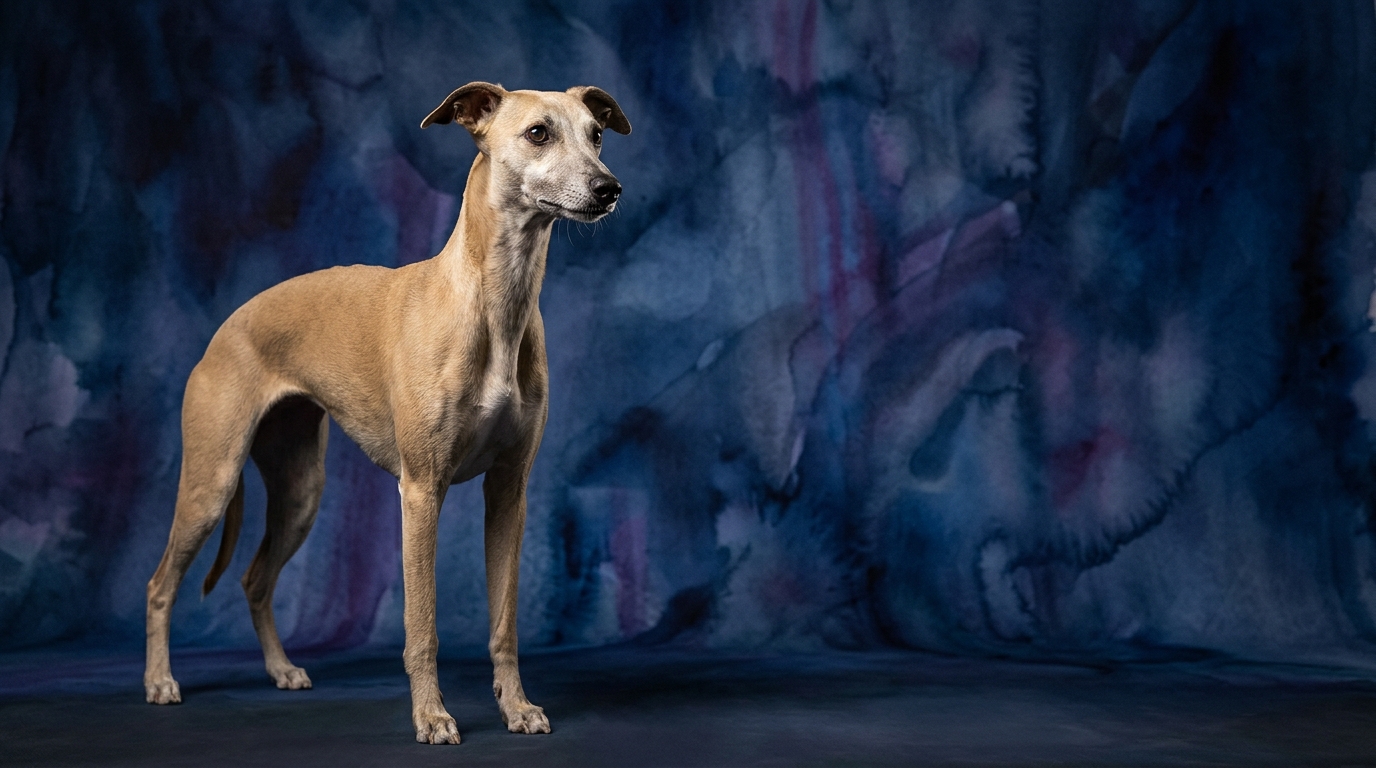
At The Cosmic Pet Pet IQ Lab, we dissect canine cognition across five key dimensions. The Whippet, a sighthound ranked #51 by Coren, presents a unique cognitive blueprint. Their Problem Solving is moderate at 3/5, often preferring human guidance over intricate independent solutions. Training Speed is 2/5, indicating they require consistent motivation and more repetitions to solidify new behaviors. However, their Social Intelligence shines at 4/5, demonstrating a deep attunement to human emotions and household dynamics. The Whippet's Instinctive Drive is a powerful 5/5, reflecting an unparalleled genetic predisposition for chase. Memory stands at 3/5, solid for routine but needing refreshers for less frequent tasks.
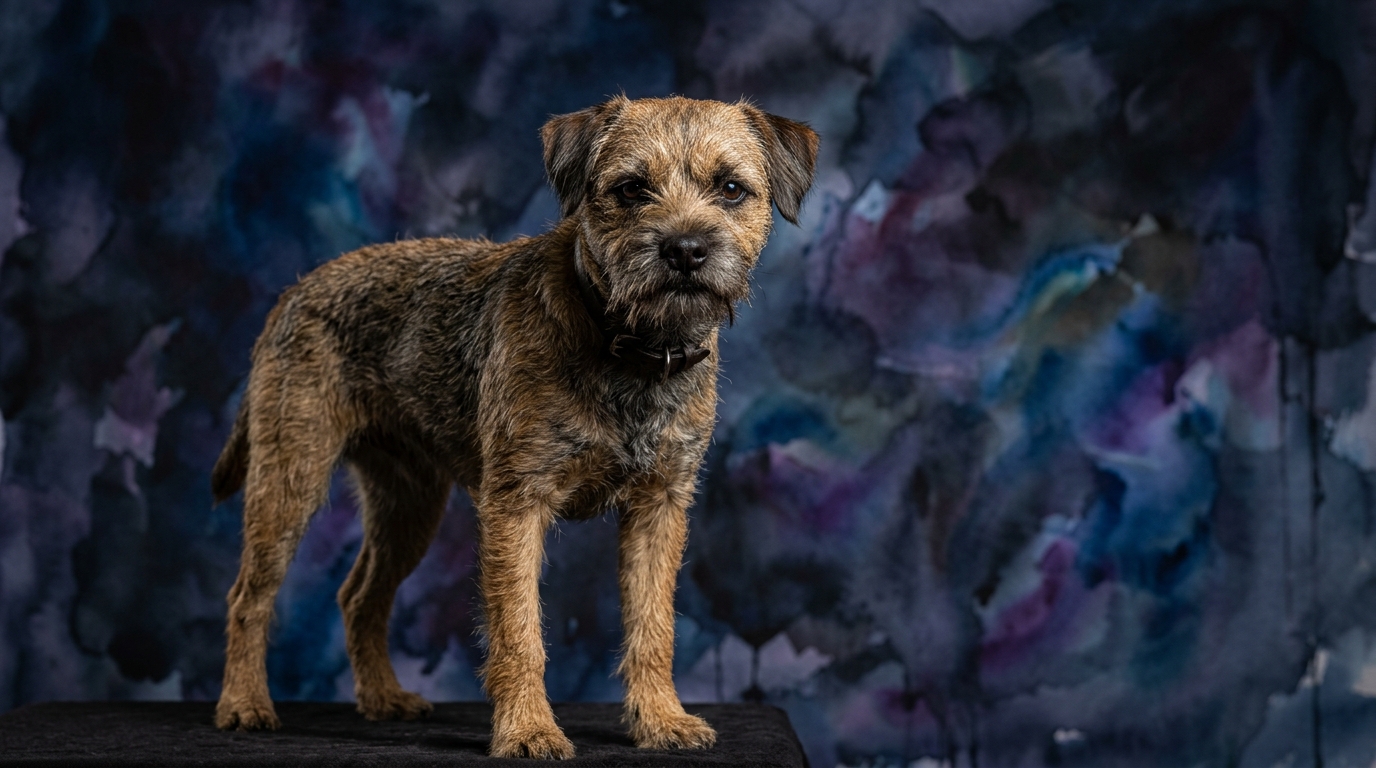
In contrast, the Border Terrier, a terrier breed ranked #30 by Coren, exhibits a different set of cognitive strengths. They boast a strong 4/5 in Problem Solving, showcasing tenacity and ingenuity when navigating obstacles. Their Training Speed is also a robust 4/5, meaning they absorb new commands and concepts with relative ease. Social Intelligence registers 3/5, indicating an attentive but individualistic approach to human interaction. The Border Terrier's Instinctive Drive is a purposeful 3/5, focused on investigative and hunting behaviors rather than pure pursuit. Finally, their Memory is impressive at 4/5, allowing for excellent retention of learned behaviors and experiences.
Where the Whippet Wins Cognitively
The Whippet's cognitive strengths lie primarily in two distinct areas: social intelligence and their specialized instinctive drive. With a 4/5 rating in social intelligence, Whippets are remarkably perceptive of human emotions and subtle social cues. They often anticipate their owner's needs or moods without explicit commands, seamlessly integrating into family life as quiet, empathetic companions. This sensitivity allows them to form deep, responsive bonds, making them highly attuned to their family's well-being and daily routines, a trait that sets them apart from breeds that might be more independently minded or task-focused.
Furthermore, the Whippet's perfect 5/5 in instinctive drive represents a peak cognitive specialization for rapid pursuit. This isn't merely about physical speed; it encompasses an entire cognitive system geared for lightning-fast visual detection of movement, immediate acceleration, and precise course correction during a chase. This acute focus on detecting and responding to moving objects showcases a remarkable, instinct-driven processing power, making them masters of the chase scenario. Their minds are wired for efficiency in this specific, high-stakes activity, demonstrating a unique form of cognitive excellence.
Where the Border Terrier Wins Cognitively
The Border Terrier demonstrates cognitive superiority in problem-solving, training speed, and memory. Their 4/5 rating in problem-solving highlights a strong aptitude for independent thought and navigating challenges, a trait honed by their working heritage. These dogs are adept at strategizing to achieve goals, whether it involves figuring out how to access a desired toy or maneuvering around complex obstacles. This cognitive strength translates into a resourceful companion who isn't easily deterred by minor setbacks, often employing trial-and-error to find solutions and exhibiting a tenacious mental approach.
Their training speed, also a 4/5, indicates a quick grasp of new commands and concepts. Border Terriers are generally eager to engage and respond well to consistent, stimulating training methods. Their mental agility allows them to form associations rapidly, making them receptive to various disciplines from basic obedience to advanced agility. This swift learning curve means owners often see progress quickly, provided the training is engaging and positive, leveraging their natural curiosity and desire to participate. A robust memory score of 4/5 further solidifies the Border Terrier's cognitive advantages, enabling excellent recall for learned behaviors, specific locations, and past experiences, contributing significantly to their overall trainability and adaptability.
Which is Easier to Train and Why
Based on their respective IQ profiles, the Border Terrier is generally easier to train than the Whippet. The Border Terrier's training speed is rated 4/5, significantly higher than the Whippet's 2/5. This means Border Terriers absorb new commands and routines more rapidly, often requiring fewer repetitions to solidify a behavior. Their problem-solving prowess (4/5) also contributes, as they are more inclined to actively engage with training challenges and figure out what is expected of them, viewing training as a collaborative puzzle.
In contrast, the Whippet's slower training speed and powerful instinctive drive (5/5) for pursuit can make training more challenging, particularly in environments with distractions. While capable of learning, their primary motivation is often their inherent desire to chase, which can override other learned behaviors, especially if a stimulating object enters their field of vision. A Whippet might understand a 'stay' command, but if a squirrel bolts, their deeply ingrained chase instinct will likely take precedence. Training a Whippet requires immense patience, creativity, and a deep understanding of their sighthound nature, often relying on positive reinforcement that makes compliance consistently more rewarding than independent action. The Border Terrier, while also having an instinctive drive (3/5), is less overwhelmingly governed by it, allowing their quicker learning and problem-solving to come to the forefront during training sessions, making them more consistently receptive to instruction.
Which Suits Active Owners vs. Relaxed Owners
The Border Terrier, with its higher problem-solving (4/5) and memory (4/5) scores, alongside a moderate instinctive drive (3/5), is exceptionally well-suited for active owners who enjoy engaging their dog in various mentally and physically stimulating activities. These dogs thrive on purposeful exercise that involves exploration, scent work, or agility, and they appreciate owners who are keen on dog sports, extensive hiking, or consistent, varied training. Their cognitive profile suggests they need tasks to occupy their sharp minds, preventing boredom-induced behaviors and channeling their natural terrier tenacity into constructive outlets.
The Whippet, while capable of astonishing bursts of speed and requiring regular opportunities for vigorous exercise, often aligns better with owners who appreciate a more relaxed daily rhythm, punctuated by intense but brief activity. Their high social intelligence (4/5) makes them excellent companions for those who value close, empathetic interaction and a calm, affectionate presence indoors. While they need a safe, enclosed space to run and express their powerful instinctive drive (5/5), their moderate problem-solving and training speed mean they don't demand constant, complex mental challenges in the same way a Border Terrier might. They are content to lounge and observe, making them suitable for owners who enjoy quiet companionship and are prepared for short, explosive outdoor adventures, followed by ample indoor snuggling.
The Verdict
Choose the Whippet if you seek an elegantly calm, deeply sensitive companion who excels in social understanding and requires focused outlets for their powerful chase instinct, thriving in a home that appreciates quiet loyalty punctuated by exhilarating sprints.
Opt for the Border Terrier if you desire a tenacious, problem-solving partner eager for consistent mental and physical engagement, ideal for active owners who relish training challenges and adventures with a spirited, quick-witted companion.
🧠 Find Your Pet's IQ Score
Our Pet IQ Lab assessment covers 25+ tests across 5 cognitive dimensions — personalized to your breed.
Take the Full IQ Test →Frequently Asked Questions
Are Whippets difficult to train?
Whippets aren't inherently difficult, but their training speed is slower (2/5), and their strong chase instinct (5/5) means they require patient, consistent, and highly motivating training, especially for recall around distractions. They respond best to positive reinforcement that makes compliance more rewarding than independent pursuit.
Do Border Terriers need a lot of mental stimulation?
Yes, Border Terriers thrive on mental stimulation due to their high problem-solving (4/5) and memory (4/5) abilities. They enjoy learning new tasks, puzzle toys, and activities like scent work or agility to keep their sharp minds engaged and prevent boredom.
Which breed is better for first-time dog owners?
For first-time owners, the Border Terrier might be a slightly easier choice due to its faster training speed (4/5) and higher problem-solving aptitude (4/5), making basic obedience more straightforward. Whippets, while affectionate, require more patience and understanding of their specific sighthound motivations during training.