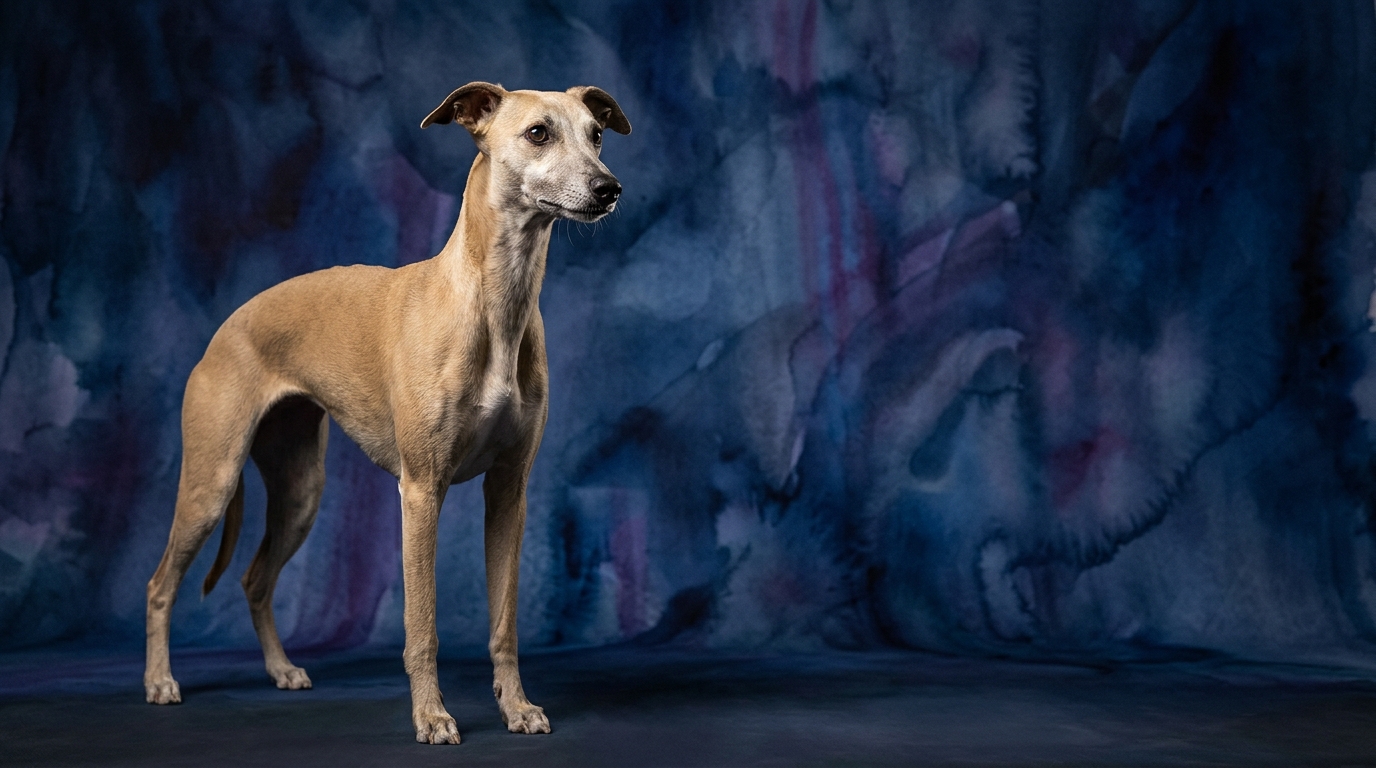
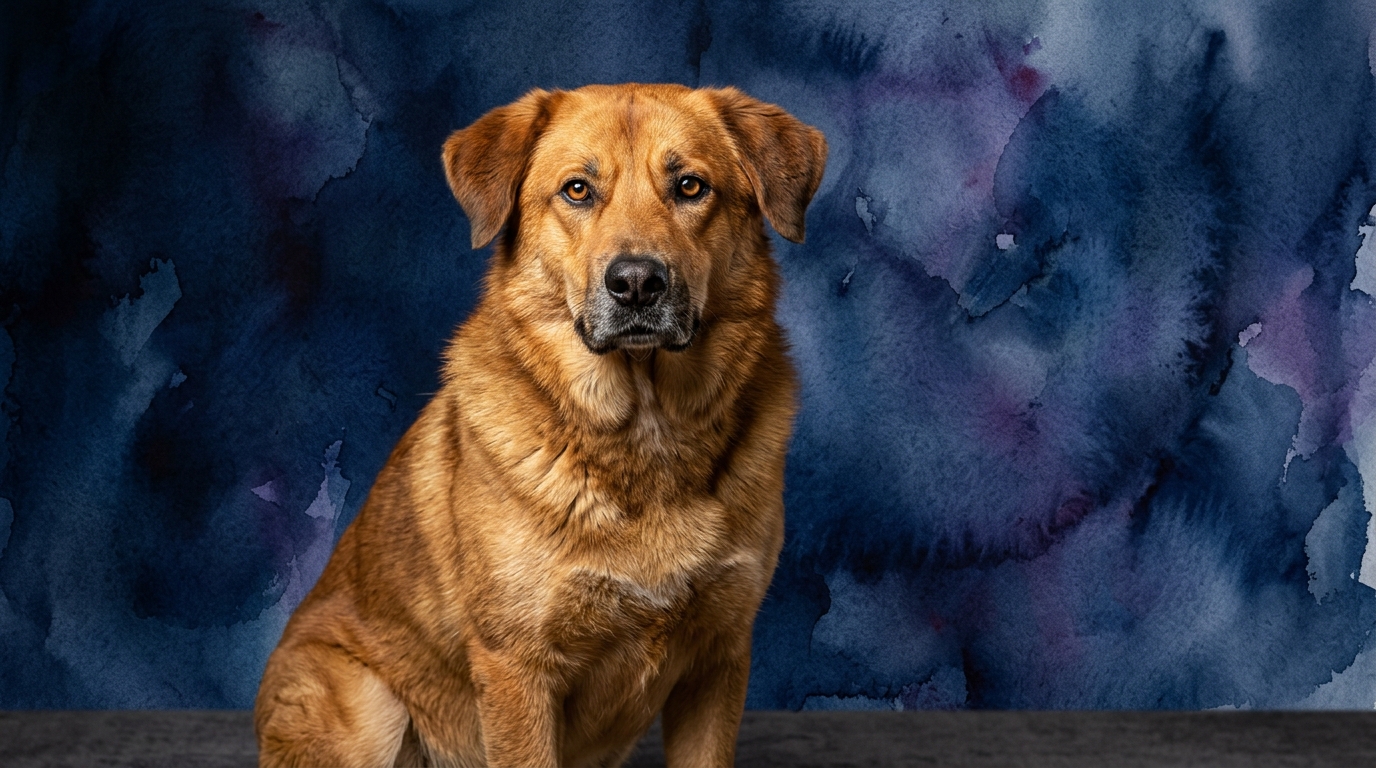
Side-by-Side IQ Profile: Whippet vs. Chinook
**The Whippet (Hound):** Ranked #51 by Coren, the Whippet sits comfortably in the 'above average' working intelligence category, indicating a solid capacity for learning and obedience, though not among the top-tier 'brilliant' breeds. Their Problem Solving is rated 3/5, demonstrating a moderate ability to navigate novel situations and figure out solutions independently, adapting but perhaps not consistently excelling at complex puzzles without guidance. Training Speed is 2/5, meaning Whippets require patience and consistent reinforcement; their independent nature, typical of sighthounds, means new commands or routines may take longer to solidify. Social Intelligence is a strong 4/5, as these dogs possess a keen aptitude for understanding and responding to human emotions and social cues, often bonding deeply and being highly attuned to their family's moods. Instictive Drive is an exceptional 5/5, their prey drive and chase instinct being profoundly powerful, influencing much of their behavior and requiring careful management. Memory is 3/5, allowing Whippets to retain learned commands and experiences, remembering routines and people reliably.
**The Chinook (Working):** As a rarer working breed, the Chinook has not been extensively studied for formal obedience rankings and thus lacks a Coren rank. Their IQ dimensions, however, paint a clear picture. Problem Solving is 3/5, indicating a moderate ability to tackle new challenges, learn from experience, and figure out practical solutions, particularly those related to their working heritage. Training Speed is 3/5, showing they generally learn at a respectable pace, demonstrating a willingness to engage in training and pick up new tasks, often eager to please. Social Intelligence is 3/5, meaning Chinooks possess a moderate capacity for social understanding, forming strong bonds with their families and interpreting social cues, though they might be less overtly expressive or sensitive than breeds with higher scores. Instictive Drive is 3/5; while possessing a working dog's drive for purpose and activity, this drive is balanced and not as singularly dominant as the Whippet's, allowing for a broader range of trainable behaviors. Memory is 3/5, enabling Chinooks to retain training and experiences over time, contributing to their reliability as working and companion dogs.
Where the Whippet Wins Cognitively
The Whippet's cognitive strengths truly shine in areas demanding acute social perception and an unyielding instinctive drive. Their social intelligence, rated at 4/5, means they are remarkably adept at reading human emotions and subtle body language. This makes them profoundly empathetic companions, often anticipating their owner's needs or moods without explicit commands. They excel in environments where a silent, intuitive bond is valued, offering comfort and companionship with a deep understanding. Furthermore, their instinctive drive, scoring an exceptional 5/5, is a testament to their sighthound heritage. This isn't merely about chasing; it's a finely tuned cognitive process involving rapid visual processing, immediate decision-making in pursuit, and an intense focus on moving objects. While challenging to manage in certain contexts, this drive showcases an extraordinary cognitive specialization for speed, agility, and target acquisition, making them unparalleled in activities like lure coursing where these inherent abilities are celebrated.
Where the Chinook Wins Cognitively
The Chinook's cognitive profile, while not marked by extreme peaks, presents a winning balance that makes them exceptionally versatile. Their training speed, at 3/5, outpaces the Whippet, indicating a more straightforward and generally quicker learning curve for new commands and tasks. This moderate yet consistent aptitude for absorbing lessons makes them highly responsive to guidance and eager to participate in structured activities. Unlike the Whippet's highly specialized instinctive drive, the Chinook's 3/5 score in this area suggests a more malleable and broadly applicable drive. This translates to a dog that can be motivated by a variety of tasks beyond pure chase, such as pulling, hiking, or problem-solving within a working context, without being overwhelmingly fixated on a single instinct. Their balanced problem-solving (3/5) and memory (3/5) further contribute to a robust, adaptable intelligence, enabling them to learn and retain a wide array of skills necessary for their diverse working roles, from sledding to therapy.
Which Is Easier to Train and Why
When considering ease of training, the Chinook generally presents a more straightforward path for most owners. Their training speed, rated 3/5, indicates they are typically more receptive to learning new commands and establishing routines than the Whippet, whose training speed is 2/5. This difference stems from the Whippet's sighthound independence and powerful instinctive drive (5/5). A Whippet's primary motivation is often the chase, making it challenging to maintain focus when distractions, particularly moving objects, are present. Training a Whippet often requires significant creativity and patience to override this potent natural inclination, whereas a Chinook's more balanced instinctive drive (3/5) allows for a wider range of motivators. Chinooks, with their working dog background, often possess a stronger intrinsic desire to please and collaborate, making them more inclined to engage with human-led training sessions. While both breeds are capable of learning, the Chinook's cognitive make-up leans towards a more amenable and less distraction-prone training experience, requiring less persistent effort to achieve reliable obedience.
Suiting Active vs. Relaxed Owners
The choice between a Whippet and a Chinook also hinges significantly on an owner's lifestyle and activity levels. A Whippet, despite its reputation for being a '45-mph couch potato,' paradoxically suits an owner who understands and can accommodate its intense bursts of activity driven by its 5/5 instinctive drive. While they enjoy lounging indoors, they absolutely require opportunities to run freely and express their innate chase behaviors safely, making them ideal for owners who enjoy lure coursing, secure off-leash areas, or long, brisk walks. Their social intelligence (4/5) means they thrive on close human connection, making them excellent companions for relaxed evenings, provided their physical needs are met. Conversely, the Chinook, with its balanced 3/5 instinctive drive and problem-solving, is better suited for truly active owners who seek a partner for consistent, purposeful engagement. These dogs excel with regular hikes, sledding, agility, or other activities that challenge both their physical endurance and moderate cognitive abilities. While they possess good social intelligence (3/5), their satisfaction often comes from shared tasks and adventures, making them less suited for purely sedentary lifestyles.
The Verdict
Opt for a Whippet if you value an intuitively empathetic companion, appreciate a dog with bursts of intense speed, and can provide safe outlets for their powerful chase instinct.
Select a Chinook if you desire a versatile, eager-to-train partner for consistent outdoor adventures and value a balanced working dog temperament.
🧠 Find Your Pet's IQ Score
Our Pet IQ Lab assessment covers 25+ tests across 5 cognitive dimensions — personalized to your breed.
Take the Full IQ Test →Frequently Asked Questions
Are Whippets difficult to train due to their low training speed score?
Whippets aren't inherently difficult, but their 2/5 training speed means they require more patience and consistent, positive reinforcement than some other breeds. Their strong prey drive also demands creative training to maintain focus amidst distractions.
How does the Chinook's lack of a Coren rank affect understanding its intelligence?
The absence of a Coren rank for Chinooks means their overall working intelligence isn't formally categorized, but their individual IQ dimensions still provide a clear picture. We rely on their balanced scores in problem-solving, training speed, and social intelligence to understand their cognitive strengths.
Can a Whippet live in an apartment given its high instinctive drive?
Yes, a Whippet can thrive in an apartment if their significant need for vigorous, safe running opportunities is consistently met. Their high social intelligence means they enjoy being close to their family indoors, but regular bursts of exercise are non-negotiable for their well-being.