Side-by-Side IQ Profile: Whippet vs. Mastiff
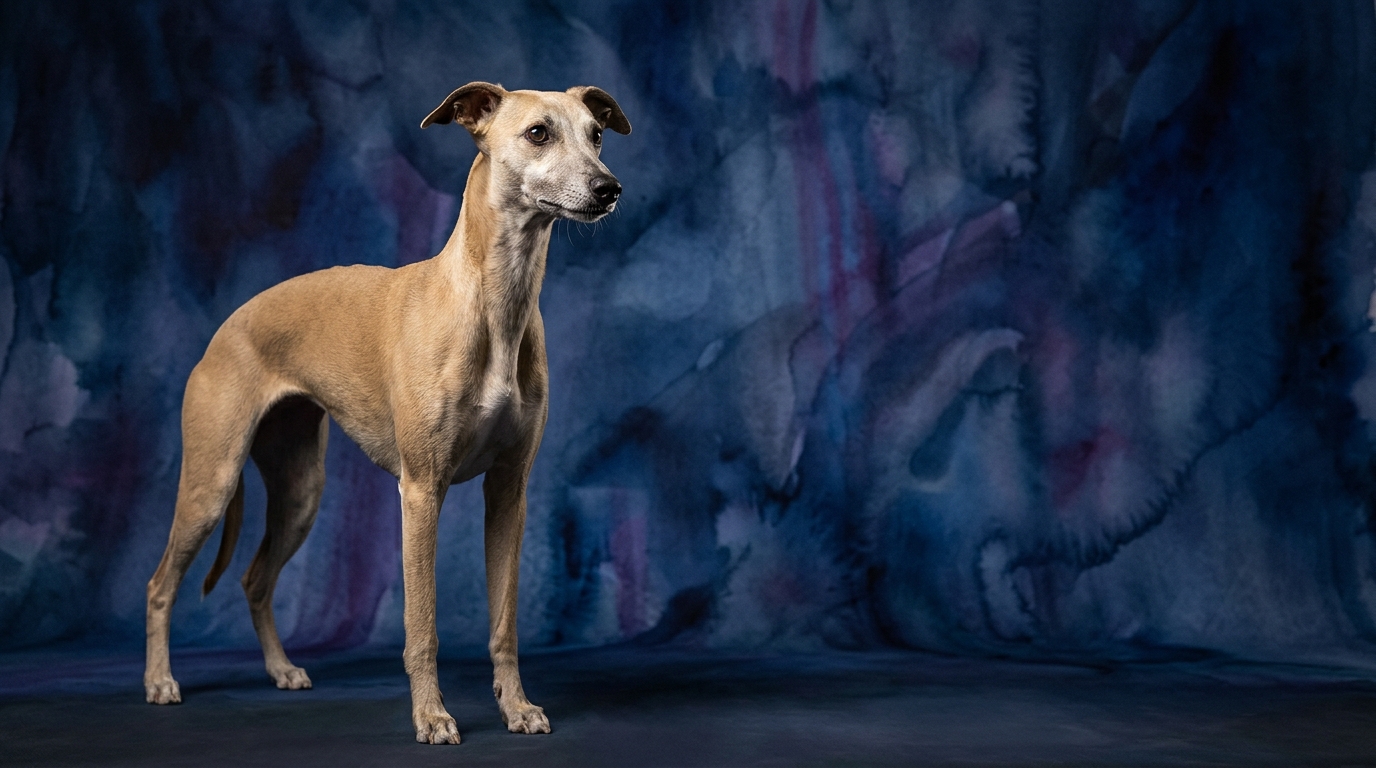
The Whippet, ranking #51 on the Coren scale, presents a fascinating cognitive blend. Its Problem Solving is rated 3/5, indicating an adeptness at navigating physical obstacles and direct challenges, often leveraging its speed. Training Speed scores 2/5; while capable, Whippets can require more engaging, patient methods due to their independent nature. Social Intelligence is a strong 4/5, reflecting their keen attunement to human emotions and social cues. An exceptional Instinctive Drive of 5/5 underscores their powerful sighthound heritage, meaning an intense focus on chase. Memory is a solid 3/5, ensuring they retain routines and commands, though their independent streak can sometimes influence recall.
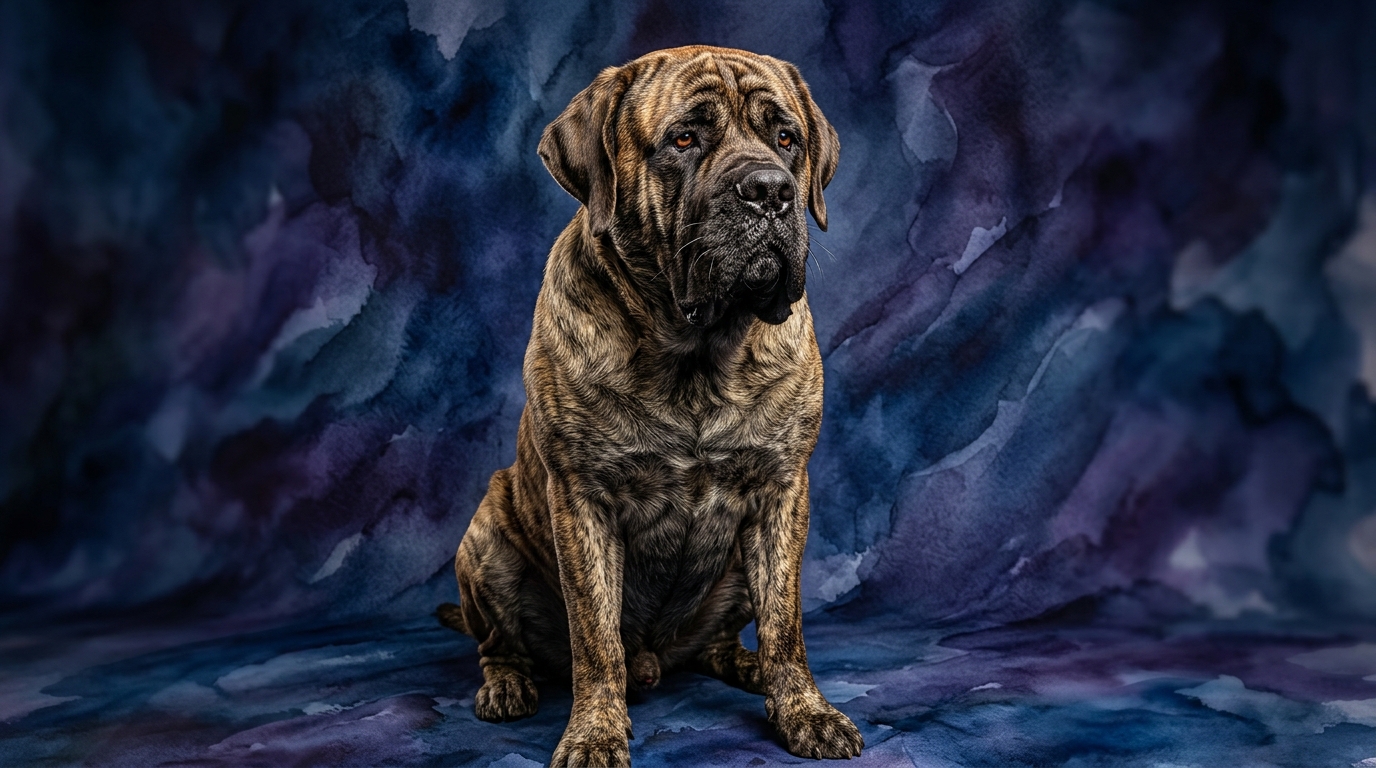
The Mastiff, positioned at #72 on the Coren scale, showcases a different, more deliberate cognitive blueprint. Its Problem Solving is 3/5, indicating a steady capacity to learn through experience rather than quick innovation in novel situations. Training Speed is 3/5, suggesting they respond well to consistent, positive reinforcement, often eager to please their family. Social Intelligence is 3/5; they form deep, loyal bonds, though their emotional expression might be more subtle. Their Instinctive Drive is 3/5, primarily focused on protection and companionship rather than intense prey pursuit. Memory is also 3/5, meaning they reliably retain learned behaviors once thoroughly ingrained through repetition.
Where the Whippet Wins Cognitively
The Whippet's cognitive profile shines brightly in areas requiring rapid assessment and reaction, particularly in social and instinctual domains. Their Social Intelligence score of 4/5, surpassing the Mastiff's 3/5, suggests a more nuanced and immediate understanding of human social dynamics. A Whippet is often quicker to pick up on subtle shifts in an owner's mood or intentions, making them incredibly empathetic companions who can anticipate needs or react to emotional cues with striking speed. This heightened social awareness allows them to navigate complex household interactions with grace, often positioning themselves precisely where they are needed for comfort or companionship.
Furthermore, the Whippet's Instinctive Drive, rated at a powerful 5/5, represents a highly specialized form of intelligence. While often framed as a challenge for training, this score reflects an unparalleled capacity for focused pursuit and visual processing. A Whippet's brain is wired for split-second decisions related to movement in their environment, enabling them to identify, track, and react to moving objects with incredible efficiency. This cognitive strength, rooted in their sighthound heritage, translates into exceptional agility in thought and action, far surpassing the more deliberate processing typical of a Mastiff when it comes to dynamic, fast-paced stimuli.
Where the Mastiff Wins Cognitively
The Mastiff's cognitive strengths lie in areas demanding steadiness, composure, and a different kind of deliberate processing. With a Training Speed of 3/5, they edge out the Whippet's 2/5, indicating a slightly more straightforward path to learning conventional obedience. This isn't about speed of learning in terms of quick uptake, but rather their willingness to engage with structured training and their capacity for sustained attention without the distraction of an overwhelming prey drive. Their desire to please their family, combined with a less reactive nature, means they can often focus on a task for longer periods, absorbing commands through consistent, calm reinforcement.
Another subtle cognitive advantage for the Mastiff stems from their Instinctive Drive of 3/5. While lower than the Whippet's intense prey drive, this score signifies a strong, stable protective instinct. This isn't just a physical trait; it requires a specific kind of situational awareness and judgment. A Mastiff's cognitive processes are geared towards observing their environment for potential threats to their family or territory, assessing situations with a calm, discerning eye before reacting. This inherent composure and capacity for sustained vigilance, demanding a different cerebral focus than rapid pursuit, gives them an edge in roles requiring quiet observation and deliberate action rather than instantaneous reaction.
Which is Easier to Train and Why
When evaluating ease of training, the Mastiff generally presents a more straightforward experience for the average owner compared to the Whippet. The Mastiff's Training Speed of 3/5, coupled with their lower Instinctive Drive (3/5), means they are typically less prone to external distractions during training sessions. They respond well to a calm, consistent approach and often possess a strong desire to please their human companions, making them receptive to positive reinforcement methods. Their deliberate nature means they may take longer to master a command, but once learned, it tends to be deeply ingrained, reflecting their reliable Memory score of 3/5.
The Whippet, with a Training Speed of 2/5 and a potent Instinctive Drive of 5/5, can be more challenging to train, particularly outdoors. Their sighthound heritage means their attention is constantly drawn to movement, making it difficult to maintain focus when a squirrel darts across the yard or a leaf blows past. This isn't a lack of cognitive ability, but rather a powerful, ingrained prioritization of their chase instinct over human commands. Successful Whippet training often requires highly engaging, game-based methods, exceptional patience, and a deep understanding of their independent, sometimes mischievous, nature. Their moderate Memory (3/5) ensures they can retain commands, but their powerful internal drives often dictate whether they choose to execute them in distracting environments.
Which Suits Active Owners vs. Relaxed Owners
For active owners seeking a canine companion to share their dynamic lifestyle, the Whippet is often the more suitable choice. Their exceptional Instinctive Drive (5/5), while requiring careful management, translates into a profound need for regular, vigorous exercise. These swift sighthounds thrive on opportunities to stretch their legs and engage in high-speed sprints, making them ideal partners for activities like lure coursing, long jogs, or exploring expansive, secure off-leash areas. Their cognitive systems are optimized for bursts of intense activity and quick reactions, meaning owners who can provide consistent outlets for this energy will find a deeply satisfied and engaging companion.
Conversely, for owners who prefer a more relaxed pace of life, the Mastiff typically aligns better with their lifestyle. Despite their imposing size, Mastiffs possess a moderate Instinctive Drive (3/5) and are generally content with moderate daily exercise, such as a steady walk or two, followed by extended periods of peaceful lounging. Their calm, deliberate temperament and lower energy requirements make them excellent companions for individuals or families who appreciate a quiet, steadfast presence. While they still require consistent mental stimulation and socialization, their cognitive preference leans towards calm observation and interaction within their immediate family circle rather than constant high-intensity physical engagement.
The Verdict
Choose a Whippet if you are an active owner who appreciates a sensitive, empathetic companion with a sharp mind for dynamic situations and can provide outlets for their powerful chase instinct.
Opt for a Mastiff if you seek a calm, steadfast, and protective companion who thrives on routine, enjoys a relaxed pace, and responds well to consistent, patient guidance.
🧠 Find Your Pet's IQ Score
Our Pet IQ Lab assessment covers 25+ tests across 5 cognitive dimensions — personalized to your breed.
Take the Full IQ Test →Frequently Asked Questions
How does Coren rank relate to these specific IQ dimensions?
Coren's ranking primarily reflects a breed's 'working and obedience intelligence,' which correlates most closely with our 'Training Speed' dimension. A lower Coren rank, like the Whippet's #51, indicates a higher capacity for understanding and executing commands quickly, while a higher rank like the Mastiff's #72 suggests they may require more repetitions. However, Coren's scale doesn't fully encompass social intelligence, problem-solving, or instinctive drives as distinct cognitive strengths.
Can a Whippet be trained for protection despite its size?
While Whippets are highly attuned to their owners and might alert to strangers, their natural instincts are geared towards chasing rather than confrontation. Their smaller size and lack of an inherent guarding drive (Instinctive Drive 5/5 for chase, not protection) make them unsuitable for protection work. Their cognitive wiring prioritizes evasion and speed over assertive defense.
Are Mastiffs truly 'slow learners'?
Mastiffs are not inherently 'slow learners,' but rather deliberate learners. Their Training Speed of 3/5 indicates they absorb commands effectively with consistency and positive reinforcement, though they may not pick up new tasks as rapidly as some breeds. Their cognitive process favors thorough understanding and retention over quick, superficial uptake, making them reliable once a behavior is established.