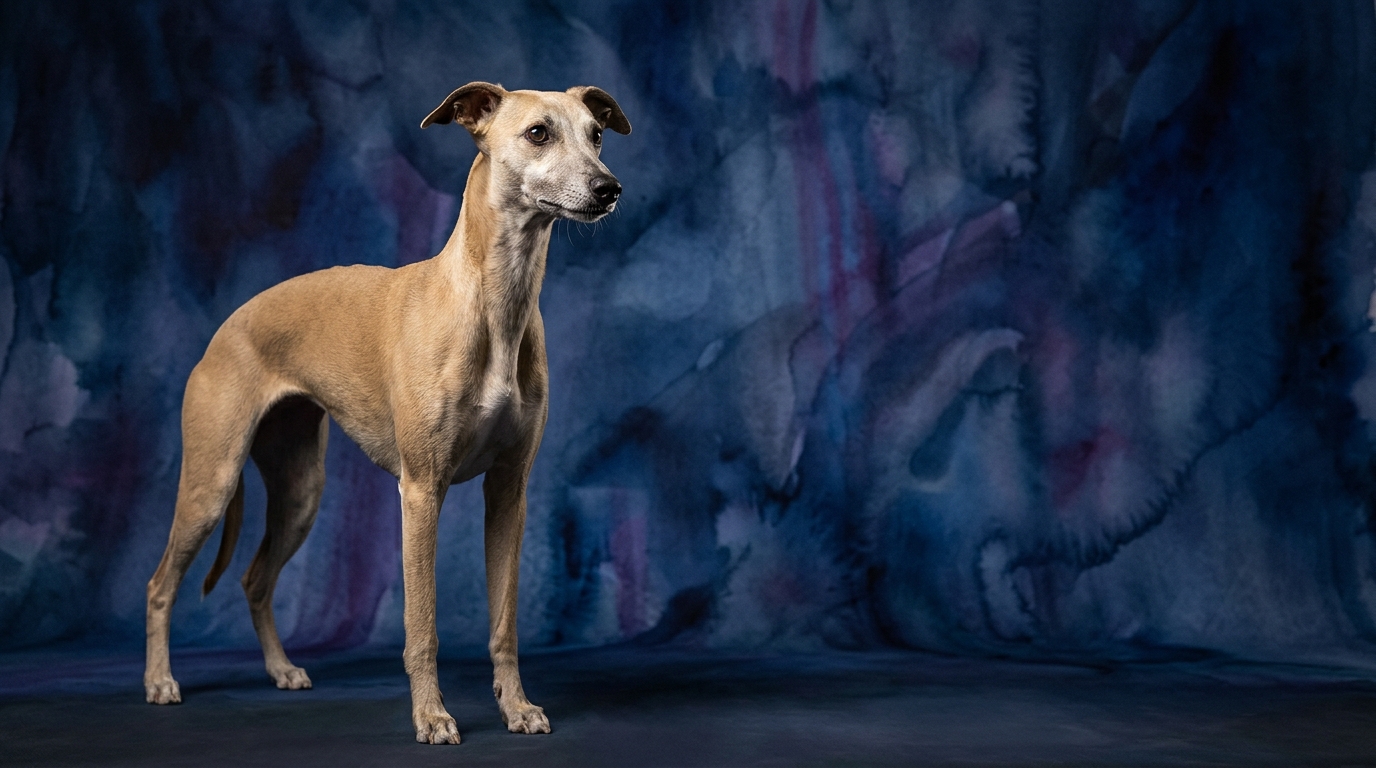
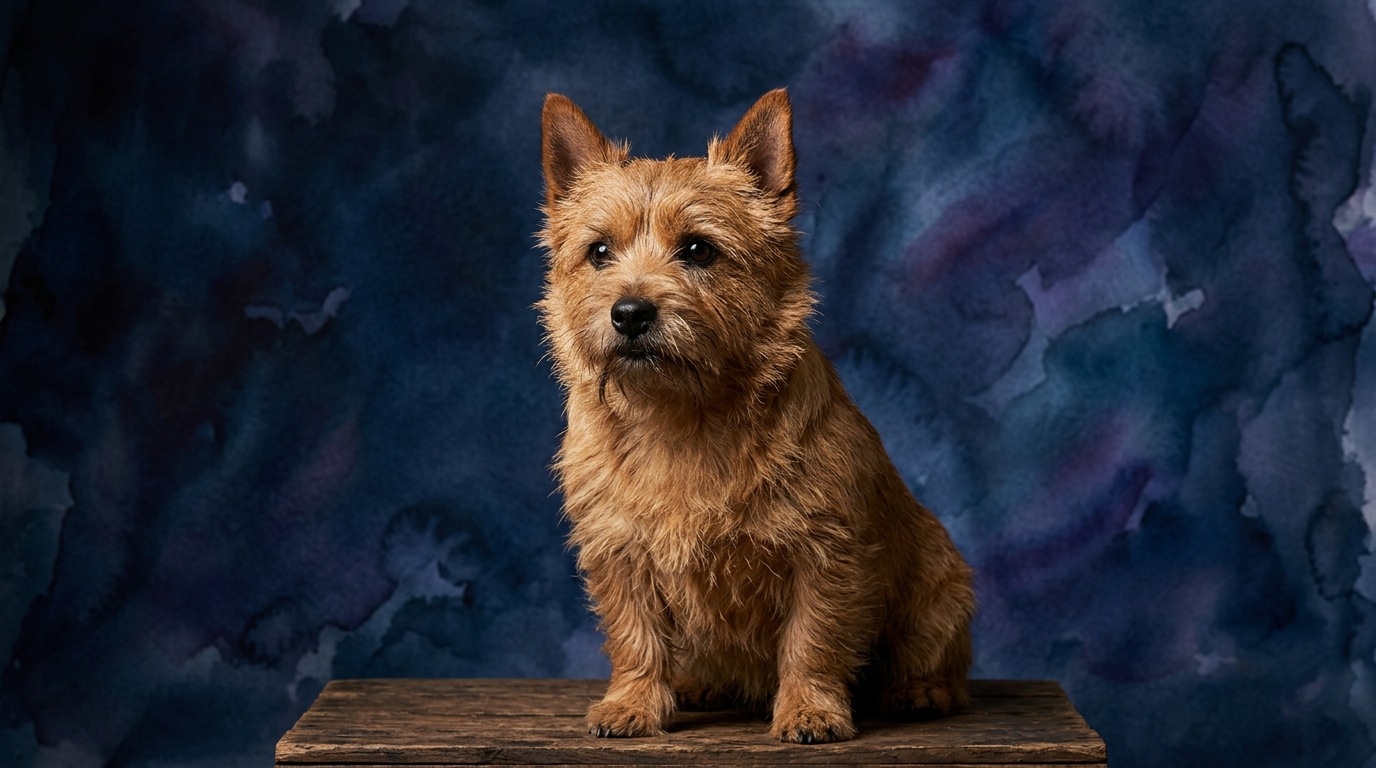
Side-by-Side IQ Profile: Whippet vs. Norwich Terrier
The Cosmic Pet Pet IQ Lab employs a multi-dimensional framework to assess canine intelligence, moving beyond simple obedience to encompass a spectrum of cognitive abilities. For the Whippet, a breed ranked #51 by Stanley Coren for working and obedience intelligence, their profile reveals a unique blend of strengths: Problem Solving 3/5, Training Speed 2/5, Social Intelligence 4/5, Instinctive Drive 5/5, and Memory 3/5. This paints a picture of a dog with profound innate capabilities, particularly in their sighthound specializations, coupled with a notable aptitude for social interaction.
In contrast, the Norwich Terrier, while not appearing on Coren's list, presents a balanced cognitive profile that speaks to their terrier heritage. Their scores are as follows: Problem Solving 3/5, Training Speed 3/5, Social Intelligence 3/5, Instinctive Drive 3/5, and Memory 3/5. This breed demonstrates consistent, moderate scores across all dimensions, suggesting a versatile and adaptable mind, perhaps less specialized in one area but generally competent across the board. Understanding these nuanced differences is key to appreciating each breed's unique intellectual landscape.
Where the Whippet Wins Cognitively
The Whippet's cognitive strengths distinctly shine in areas reflecting their sighthound lineage. Their Social Intelligence, rated at 4/5, surpasses that of the Norwich Terrier. This indicates a greater capacity for understanding and responding to human emotional states and non-verbal cues, making them highly attuned companions within a family setting. They often exhibit a subtle sensitivity to their owner's mood, adapting their behavior with a gentle, intuitive understanding. This isn't about performing tricks, but about deeply integrated social awareness, fostering strong, empathetic bonds.
Furthermore, the Whippet's Instinctive Drive, an impressive 5/5, is a profound cognitive specialization. This score reflects their innate, highly refined ability for visual tracking and pursuit. Their minds are wired for speed, acute visual perception, and the precise coordination required to chase and capture. This isn't merely a physical trait; it involves rapid decision-making, predictive analysis of a moving target's trajectory, and an unwavering focus that can filter out distractions. While this drive can present training challenges if not channeled, it represents a peak of specialized canine cognition for their historical role.
Where the Norwich Terrier Wins Cognitively
The Norwich Terrier demonstrates cognitive advantages rooted in its working terrier background. Their Training Speed, rated at 3/5, edges out the Whippet's 2/5. This suggests a more immediate eagerness and capacity to grasp new commands and routines when presented with clear, consistent instruction. While they possess an independent streak characteristic of terriers, their cognitive makeup appears more predisposed to engaging in structured learning activities, often finding satisfaction in cooperative tasks that yield a reward. This higher training speed translates to a potentially smoother initial learning curve for basic obedience and skill acquisition.
While their Problem Solving and Memory scores are equal to the Whippet's at 3/5, the Norwich Terrier's overall balanced cognitive profile means these abilities are often applied with a different flavor. Their Instinctive Drive, at 3/5, is less hyper-specialized than the Whippet's, allowing for a broader application of their problem-solving skills in varied environments. They excel at figuring out how to achieve a goal, whether it's navigating a complex scent trail or outsmarting a perceived barrier. Their tenacity, a hallmark of the terrier group, is a cognitive asset, allowing them to persist in mental challenges where other breeds might give up, demonstrating a robust, resilient intellect.
Which is Easier to Train and Why?
When considering ease of training, the Norwich Terrier generally presents a more straightforward experience for the average owner. Their Training Speed of 3/5 indicates a quicker uptake of new commands and a greater inclination to work collaboratively. Norwich Terriers often thrive on interaction and mental engagement, viewing training as a rewarding activity that strengthens their bond with their human. While they can exhibit typical terrier stubbornness, their desire for purpose and their inherent persistence mean that consistent, positive reinforcement methods are usually very effective in shaping their behavior. They enjoy learning and mastering new skills, which makes them receptive pupils.
The Whippet, with a Training Speed of 2/5 and a potent Instinctive Drive of 5/5, can be more challenging to train in traditional obedience. Their sighthound nature means their attention is profoundly drawn to movement, and once a visual cue for chasing appears, their cognitive focus shifts entirely to pursuit. This doesn't mean they are incapable of learning; rather, their learning style requires different approaches. Training must be highly engaging, positive, and acknowledge their independent spirit. Owners often find success by incorporating their natural love for running and chasing into training games, rather than trying to suppress these deep-seated instincts. Their intelligence is there, but it's geared towards different priorities, demanding patience and creativity from their trainers.
Which Suits Active Owners vs. Relaxed Owners?
The Whippet, despite their reputation for breathtaking speed, often fits surprisingly well with owners who appreciate a more relaxed indoor lifestyle, provided their specific exercise needs are met. These dogs are often described as '45 mph couch potatoes'; they require intense bursts of physical activity—a good sprint or a vigorous play session—but are typically calm, quiet, and content to lounge indoors for the rest of the day. They are not dogs that require constant, sustained activity throughout the day. Therefore, a relaxed owner who can commit to providing a secure, fenced area for daily sprints or regular trips to a dog park for off-leash running will find the Whippet to be an ideal companion, enjoying quiet companionship indoors.
The Norwich Terrier, on the other hand, is better suited for active owners seeking a more consistently engaged and energetic companion. While they don't demand the sheer sprinting power of a Whippet, their terrier spirit dictates a need for regular, varied activity and mental stimulation. They thrive on daily walks, interactive play, and opportunities to explore and 'work.' Their Problem Solving and Instinctive Drive, while moderate, mean they enjoy having tasks to do and puzzles to solve. Owners who enjoy hiking, agility, earthdog trials, or simply incorporating their dog into a bustling, active household will find the Norwich Terrier to be a tireless and enthusiastic partner, always ready for the next adventure.
The Verdict
Choose a Whippet if you value a highly socially intelligent companion who thrives on intense, short bursts of activity followed by long periods of calm companionship indoors.
Opt for a Norwich Terrier if you seek a consistently engaged, trainable dog who enjoys varied mental and physical activities and brings a tenacious, spirited presence to an active home.
🧠 Find Your Pet's IQ Score
Our Pet IQ Lab assessment covers 25+ tests across 5 cognitive dimensions — personalized to your breed.
Take the Full IQ Test →Frequently Asked Questions
Are Whippets difficult to train due to their lower training speed?
Whippets aren't inherently difficult, but their training requires understanding their sighthound nature. Their 2/5 training speed means they respond best to engaging, positive reinforcement methods that work with their prey drive, rather than against it, making consistency key.
Do Norwich Terriers have a strong prey drive like Whippets?
Norwich Terriers have an instinctive drive of 3/5, reflecting a strong terrier desire to chase small vermin, but it's less specialized and intense than the Whippet's 5/5 visual pursuit drive. Their drive is often more generalized and scent-driven.
Which breed is better for first-time dog owners?
The Norwich Terrier, with its higher training speed and balanced cognitive profile, might be a slightly more manageable choice for first-time owners willing to provide consistent engagement. Whippets, while gentle, require owners to understand their unique exercise needs and independent training approach.