Side-by-Side IQ Profile: Whippet vs Puli
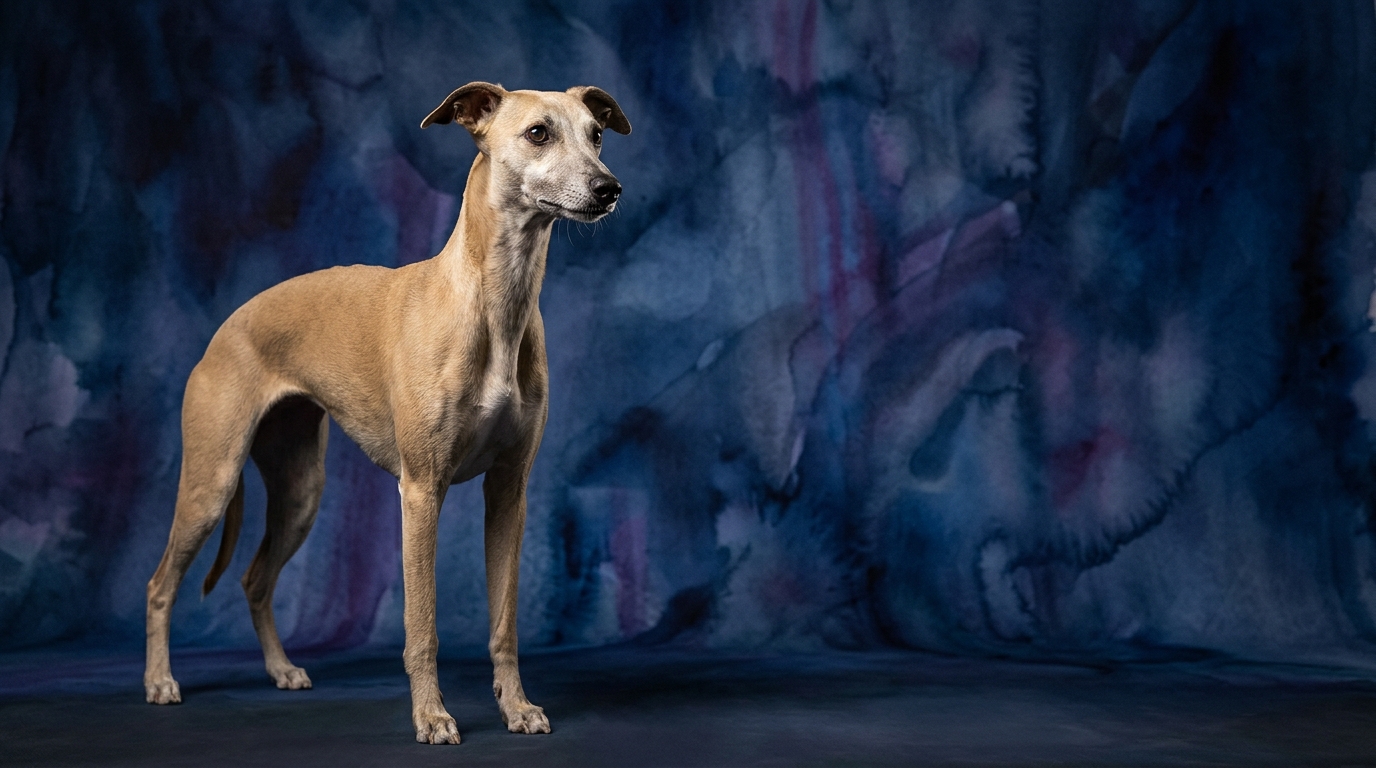
The Whippet, a sighthound developed for speed and pursuit, exhibits a Problem Solving score of 3/5. This indicates a moderate capacity for navigating novel challenges; they often excel at learning established routines but may show less spontaneous adaptation when faced with unexpected obstacles. Their Training Speed, rated at 2/5, suggests that while capable of learning, they require more repetition and patience, often influenced by their independent nature and powerful instinctive drives. This doesn't imply a lack of ability, but rather a different motivational framework.
In terms of Social Intelligence, the Whippet scores an impressive 4/5, reflecting their adaptable and generally amiable disposition towards both human companions and other dogs. They integrate well into family dynamics, forming strong, affectionate bonds. Their Instinctive Drive, a robust 5/5, is largely centered around their profound prey drive and pursuit instinct, making them highly focused on movement and speed. Lastly, their Memory stands at 3/5, indicating an average retention of commands and experiences, sufficient for daily life but perhaps requiring consistent reinforcement for complex sequences.
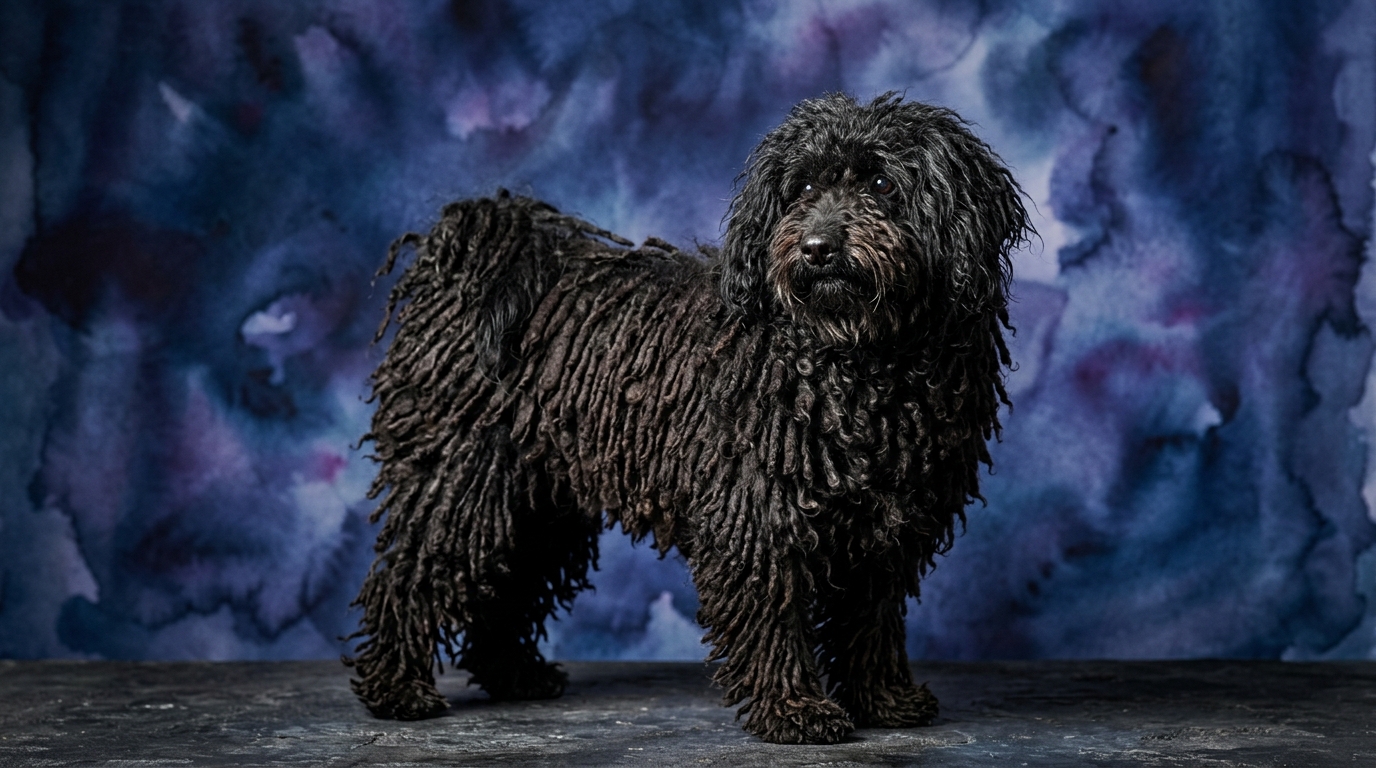
The Puli, a Hungarian herding dog, presents a distinctive cognitive profile, starting with a Problem Solving score of 4/5. This higher rating signifies a greater aptitude for independent thought and strategic planning, crucial for managing livestock. Their Training Speed, an excellent 4/5, suggests a quick grasp of new commands and a strong desire to engage in learning activities, often eager to please their handler. They tend to pick up new tasks with fewer repetitions than many breeds, showcasing an efficient learning curve.
Social Intelligence for the Puli is rated 3/5; while deeply loyal to their family, they can be reserved or wary around strangers, a trait stemming from their protective herding instincts. Their Instinctive Drive, at 3/5, reflects a strong, yet manageable, herding impulse, directing their energy towards control and organization rather than raw pursuit. Finally, the Puli’s Memory scores 4/5, indicating a superior ability to recall complex sequences, routines, and past experiences, which is invaluable for intricate herding tasks and advanced obedience.
Where the Whippet Wins Cognitively
Where the Whippet truly shines cognitively is in its unparalleled focus on movement and its capacity for independent, rapid decision-making in pursuit. Their 5/5 Instinctive Drive isn't merely a physical attribute; it's a cognitive superpower that allows them to process visual stimuli at incredible speeds and execute precise, agile maneuvers without direct command. This translates to an almost instinctual understanding of physics in motion, making them masters of the chase, whether it's a lure or a squirrel.
Furthermore, their 4/5 Social Intelligence gives them an edge in seamless integration into diverse living situations. Whippets adapt quickly to new people, pets, and environments with a charming, low-drama demeanor. While they may not be solving complex puzzles, their ability to read social cues and maintain a harmonious presence within a household, often with a quiet, affectionate disposition, showcases a valuable form of cognitive flexibility and emotional intelligence.
Where the Puli Wins Cognitively
The Puli's cognitive strengths are rooted in their heritage as strategic herders, particularly evident in their 4/5 Problem Solving and 4/5 Memory scores. These dogs exhibit a remarkable ability to analyze situations, devise plans to move livestock, and remember intricate patterns of behavior over time. This isn't just about following commands; it's about anticipating, adjusting, and executing complex sequences independently, demonstrating a sophisticated level of practical intelligence.
Their superior Training Speed, also 4/5, underscores their eagerness and capacity for learning, making them highly receptive to advanced obedience, agility, and even specialized working roles. A Puli thrives on mental engagement, quickly grasping abstract concepts and retaining them, which allows for a deeper, more collaborative partnership with their human. This translates into a dog that can master complex multi-step tasks and adapt learned behaviors to new contexts with impressive efficiency.
Which is Easier to Train and Why?
Without a doubt, the Puli generally presents as the easier breed to train for conventional obedience and complex tasks, a direct result of their higher scores in Training Speed (4/5) and Problem Solving (4/5). Their herding background instilled a desire to work cooperatively with a handler and an innate drive to organize and control, which translates into a more biddable and focused student. Pulis are motivated by engagement and mental stimulation, quickly picking up new commands and retaining them through their strong memory.
The Whippet, with its 2/5 Training Speed and 3/5 Problem Solving, requires a different approach. Their sighthound heritage means they prioritize independent thought and the thrill of the chase, making them less inherently inclined to comply with repetitive commands when a more enticing distraction (like a moving object) is present. Training a Whippet often demands immense patience, positive reinforcement, and a deep understanding of their prey drive, often requiring creative methods to keep them engaged and focused on tasks that aren't inherently self-rewarding in a sighthound context.
Which Suits Active Owners vs. Relaxed Owners?
For owners seeking a dog that thrives on consistent mental engagement, intricate training, and a partner in structured activities, the Puli is an ideal match. Their strong problem-solving skills and desire to learn mean they flourish with active participation in dog sports like agility, obedience, or even urban herding. While they certainly need physical activity, their cognitive needs are paramount, making them suitable for owners who enjoy providing a 'job' and can channel their intense focus into productive outlets.
Conversely, the Whippet, while possessing bursts of incredible speed, is often described as a '45 mph couch potato,' making them surprisingly suitable for more relaxed owners who appreciate their calm indoor demeanor. Their physical exercise needs are met with short, intense sprints rather than prolonged endurance, and their cognitive engagement often revolves around observing their environment and enjoying quiet companionship. Owners who understand and manage a strong prey drive, and appreciate an independent, affectionate companion without the need for constant mental 'work,' will find a Whippet a delightful fit.
The Verdict
Choose a Whippet if you appreciate a calm, independent companion who thrives on affection and short bursts of intense activity, and you’re prepared to manage a strong prey drive with patient training.
Opt for a Puli if you desire a highly trainable, problem-solving partner eager for mental challenges and structured activities, and you're ready to engage with their protective, strategic nature.
🧠 Find Your Pet's IQ Score
Our Pet IQ Lab assessment covers 25+ tests across 5 cognitive dimensions — personalized to your breed.
Take the Full IQ Test →Frequently Asked Questions
Are Whippets difficult to train due to their lower training speed score?
Whippets aren't necessarily difficult, but they do require more patience and understanding of their sighthound nature. Their independent spirit and strong prey drive mean training needs to be highly rewarding and engaging, often focusing on short, fun sessions rather than repetitive drills. Consistency and positive reinforcement are key to success.
How does a Puli's social intelligence impact their family life?
A Puli's 3/5 social intelligence means they form very strong, loyal bonds with their immediate family but can be reserved or protective around strangers. Early socialization is crucial to help them develop confidence and appropriate responses in new social situations, ensuring they are well-adjusted while retaining their watchful nature.
Can a Whippet participate in dog sports despite its training speed?
Absolutely! Whippets excel in sports that leverage their natural speed and agility, such as lure coursing, racing, and even some forms of agility. While traditional obedience might take more effort, their athletic prowess and focus on movement make them stars in activities that align with their instinctive drives, often with a highly motivated handler.