Side-by-Side Cognitive Profiles: Whippet vs. Silky Terrier
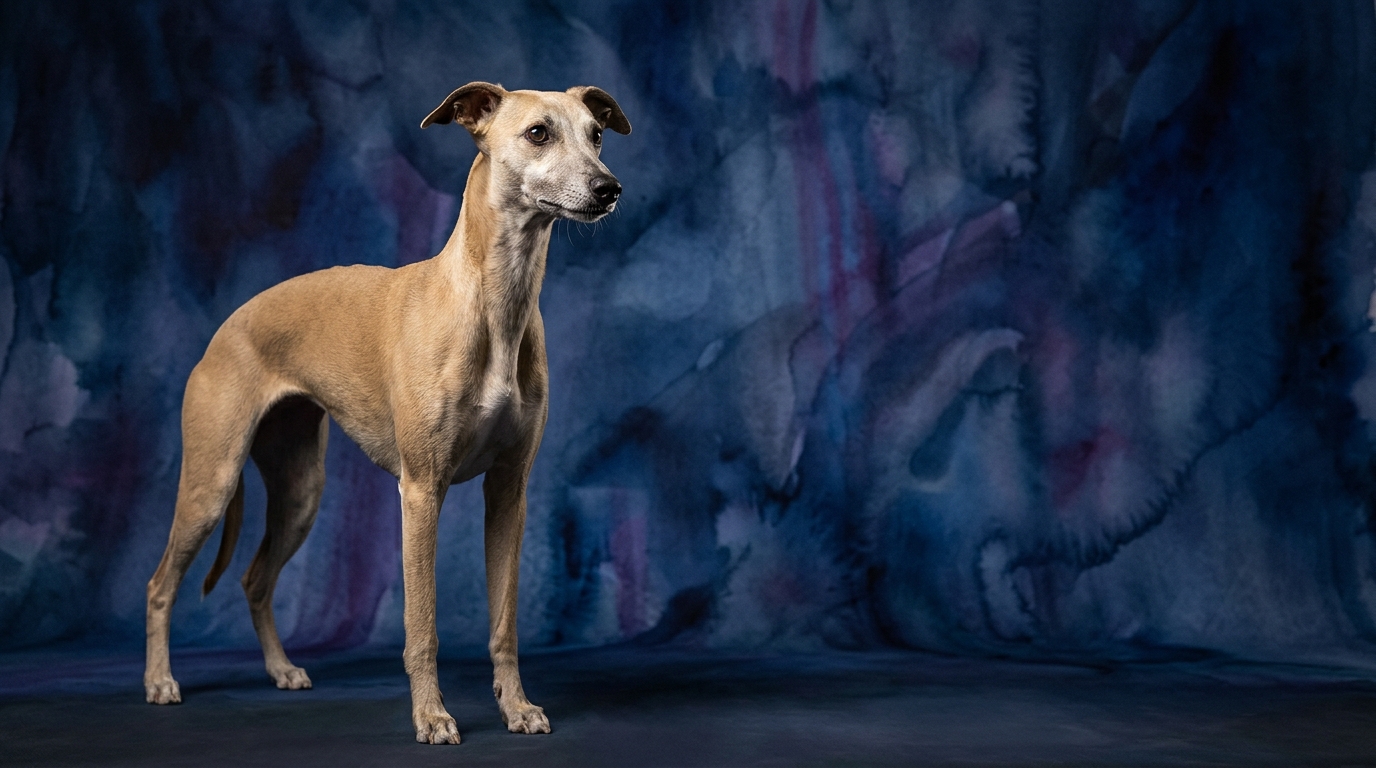
The Whippet, ranked #51 by Stanley Coren for working and obedience intelligence, presents a nuanced cognitive blueprint. Their Problem Solving is rated 3/5, indicating a moderate ability to figure out novel situations, often with a practical, efficient approach rather than elaborate strategizing. Training Speed for Whippets stands at 2/5, suggesting they may require more patience and repetition to solidify new commands, influenced by their independent sighthound nature. Where Whippets shine is in Social Intelligence, scoring an impressive 4/5, making them highly perceptive to human emotions and social cues. Their Instinctive Drive is a powerful 5/5, reflecting their profound ancestral urge to chase and hunt by sight, a core aspect of their being. Memory for the Whippet is 3/5, signifying an average capacity for retaining information and experiences.
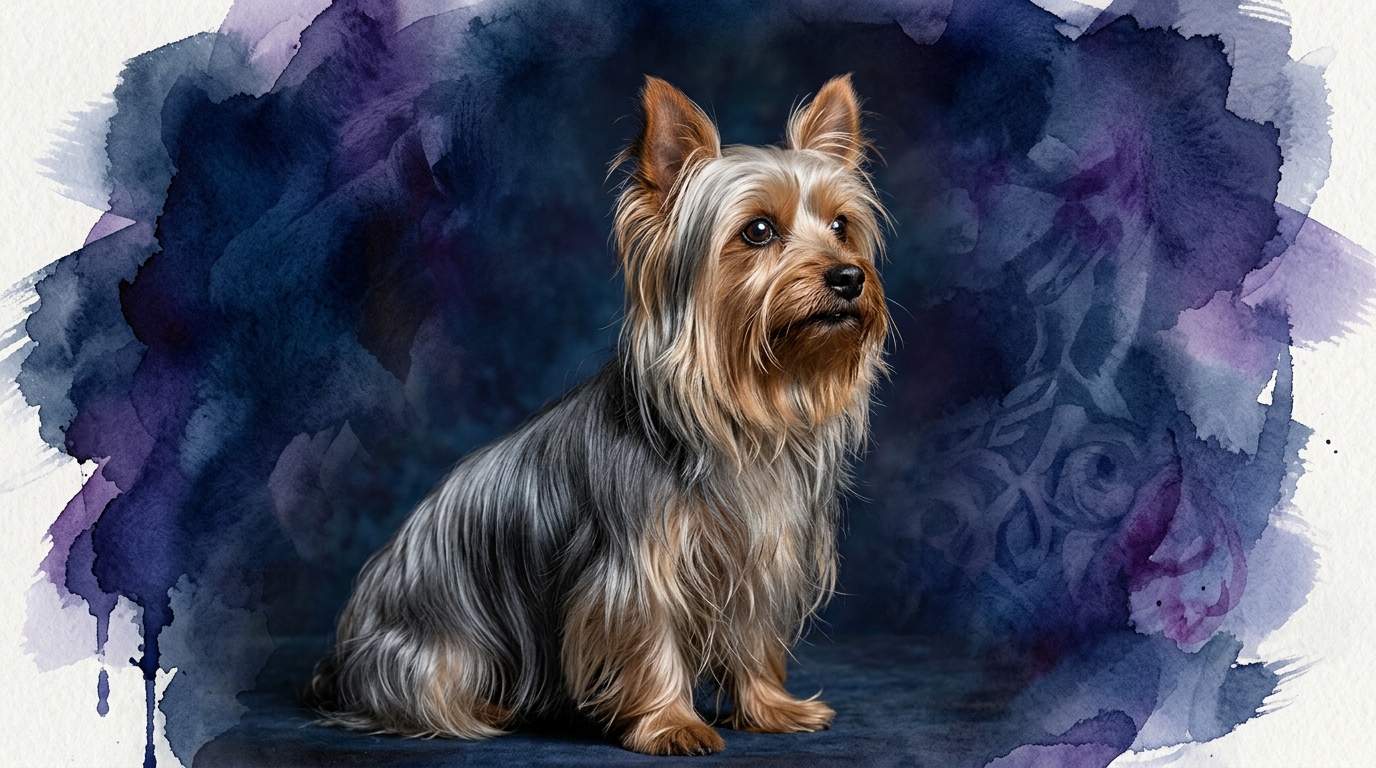
In contrast, the Silky Terrier, not Coren-ranked, possesses a different set of cognitive attributes. Their Problem Solving also registers at 3/5, indicating a comparable capacity for navigating challenges, often applying a characteristic terrier cleverness to overcome obstacles. The Silky Terrier's Training Speed is 3/5, suggesting they learn new commands at an average pace, generally being receptive to consistent guidance. Their Social Intelligence is 3/5, meaning they are adequately attuned to their human companions and family dynamics, forming strong, if sometimes opinionated, bonds. Instinctive Drive for the Silky Terrier is 3/5, reflecting a moderate terrier drive for hunting small prey and exploring, present but less overwhelming than a sighthound's. Their Memory also comes in at 3/5, indicating an average ability to recall past events and learned behaviors.
Where the Whippet Excels Cognitively
The Whippet's most prominent cognitive advantage lies in its Social Intelligence, scoring 4/5 compared to the Silky Terrier's 3/5. This higher score indicates an exceptional capacity for reading and responding to human emotional states and subtle social cues. Whippets often demonstrate a remarkable empathy, sensing their owner's mood and adjusting their behavior accordingly, making them incredibly sensitive and intuitive companions. This perceptive nature allows for a deeper, more nuanced bond, where unspoken communication plays a significant role.
Furthermore, the Whippet's Instinctive Drive, rated a perfect 5/5, while presenting training challenges, is a cognitive strength in its own right. This score reflects an unparalleled focus and dedication to their primary ancestral purpose: sight-hunting. When their chase drive is engaged, Whippets exhibit extraordinary concentration and physical coordination, demonstrating a highly specialized form of cognitive processing dedicated to pursuit. This intense drive is not merely physical; it's a profound mental engagement with their environment, highlighting a specific form of cognitive excellence.
Where the Silky Terrier Shines Cognitively
The Silky Terrier's cognitive edge is most apparent in its Training Speed, scoring 3/5 against the Whippet's 2/5. This means Silky Terriers generally pick up new commands and routines more quickly. Their willingness to engage with training and their ability to process and retain instructions at a faster rate can make the initial stages of obedience training feel more rewarding and progress more steadily. This adaptability to learning new behaviors is a distinct advantage for owners seeking a responsive learner.
While both breeds share a 3/5 for Problem Solving, the Silky Terrier often applies this capacity with a characteristic terrier tenacity and cleverness. Their moderate instinctive drive, combined with their problem-solving ability, often translates into a spirited approach to navigating their environment. They might exhibit a resourceful ingenuity in figuring out how to access forbidden areas or manipulate situations to their advantage, showcasing a practical, persistent application of their cognitive skills that can be quite endearing, or occasionally mischievous.
Training Dynamics: Which is Easier and Why?
Based on their Pet IQ Lab scores, the Silky Terrier is generally considered easier to train than the Whippet. The Silky's Training Speed of 3/5 indicates a more receptive learner who tends to grasp concepts and commands at an average pace. Their moderate instinctive drive means they are less likely to be completely distracted by environmental stimuli during training sessions, allowing for more focused engagement. While they possess a typical terrier assertiveness, consistent, positive reinforcement methods usually yield steady progress, making them a satisfying companion for those who enjoy structured learning.
The Whippet's Training Speed of 2/5, coupled with their formidable 5/5 Instinctive Drive, presents a different training landscape. Their independent sighthound nature means they are often more driven by their own motivations than by an immediate desire to please, especially if a compelling visual stimulus (like a squirrel or a blowing leaf) captures their attention. Training a Whippet requires significant patience, creativity, and a deep understanding of their prey drive. Owners must work to make training more rewarding than the allure of the chase, often utilizing high-value treats and engaging games to maintain focus and build reliable recall in less distracting environments.
Matching Lifestyles: Active vs. Relaxed Owners
For active owners who appreciate intense bursts of activity, the Whippet can be an excellent fit. While often perceived as calm indoors, Whippets require regular opportunities to express their powerful 5/5 Instinctive Drive through vigorous running in secure, fenced areas. These periods of intense physical and mental exertion are crucial for their well-being, allowing them to engage their specialized cognitive functions related to speed and pursuit. Owners who enjoy long, brisk walks or have access to safe off-leash spaces will find a rewarding partnership, understanding that their Whippet needs to 'hunt' with their eyes and legs, even if it's just for a toy.
Relaxed owners seeking a companion that adapts well to various activity levels might find the Silky Terrier more suitable. While they possess a 3/5 Instinctive Drive and enjoy walks and playtime, their exercise needs are generally more manageable than a Whippet's need for high-speed sprints. Silky Terriers thrive on consistent engagement and mental stimulation through games and training, but they don't demand the same explosive physical output. They are content with moderate daily walks and indoor play, making them adaptable to apartment living or owners with less intense exercise routines, provided they receive ample companionship and interaction.
The Verdict
Choose a Whippet if you value a highly socially perceptive and empathetic companion who requires dedicated outlets for their intense instinctive drive and enjoys periodic, exhilarating bursts of speed.
Opt for a Silky Terrier if you seek a spirited, adaptable companion who learns readily at an average pace and thrives on consistent engagement and moderate physical activity.
🧠 Find Your Pet's IQ Score
Our Pet IQ Lab assessment covers 25+ tests across 5 cognitive dimensions — personalized to your breed.
Take the Full IQ Test →Frequently Asked Questions
Are Whippets difficult to train due to their lower training speed score?
Whippets, with a training speed of 2/5, are not necessarily difficult, but they require a different approach. Their independent sighthound nature and high instinctive drive mean training demands patience, high-value rewards, and a focus on making learning more engaging than environmental distractions.
Do Silky Terriers need a lot of mental stimulation despite their moderate instinctive drive?
Yes, Silky Terriers benefit significantly from mental stimulation. Their 3/5 problem-solving and instinctive drive, combined with their terrier heritage, means they enjoy learning new tricks, puzzle toys, and engaging in interactive play to keep their minds sharp and prevent boredom.
Which breed is more adaptable to different living situations based on their cognitive traits?
The Silky Terrier is generally more adaptable to various living situations. Their moderate exercise needs and average social intelligence allow them to thrive in apartments or houses, provided they receive consistent attention and mental engagement, whereas a Whippet's strong instinctive drive necessitates regular access to safe, open spaces for running.