Side-by-Side IQ Profile: Digging Deeper into the Threes
At first glance, the IQ profiles for both the Wire Fox Terrier and the Irish Wolfhound present a uniform '3/5' across all five dimensions: Problem Solving, Training Speed, Social Intelligence, Instinctive Drive, and Memory. This shared score invites a deeper look, as 'average' for a feisty terrier means something quite different than 'average' for a stately sighthound. Let's unpack what a 3/5 truly signifies for each distinct breed.
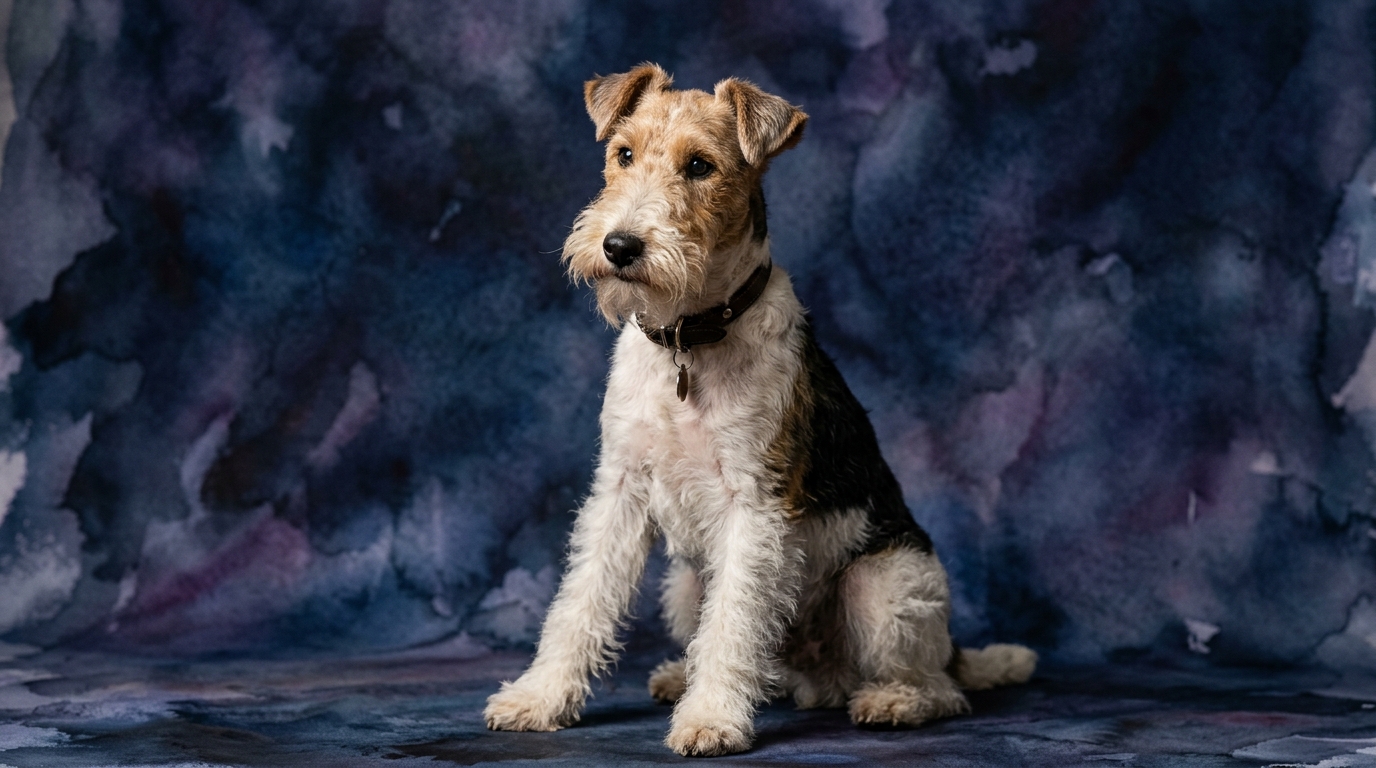
For the **Wire Fox Terrier**, a 3/5 in **Problem Solving** manifests as a determined, often mischievous ingenuity. They excel at figuring out how to access enticing smells or hidden toys, frequently employing a persistent, trial-and-error strategy. Their terrier grit ensures they rarely give up easily on a puzzle, especially if it involves digging or maneuvering into tight spaces to achieve a goal. Their **Training Speed** at 3/5 indicates they grasp new commands reasonably well but their independent spirit and distractibility, particularly by movement or scents, can make consistent compliance a lively challenge. They learn quickly but often choose whether to apply that learning based on immediate motivation. Their **Social Intelligence** rating of 3/5 suggests they are adept at reading cues from their trusted human companions, forming strong bonds within their family unit. However, this social acumen might not extend broadly to unfamiliar faces or other animals, where their inherent self-assuredness often takes precedence. The **Instinctive Drive** for a Wire Fox Terrier, also at 3/5, speaks to their strong, deeply ingrained urge to hunt, chase, and dig. While not overwhelming to the point of being untrainable, these drives are significant and require consistent management and outlets. Finally, their **Memory** at 3/5 means they retain learned commands, routines, and experiences effectively, remembering both positive reinforcements and any past 'successful' acts of mischief with remarkable clarity.
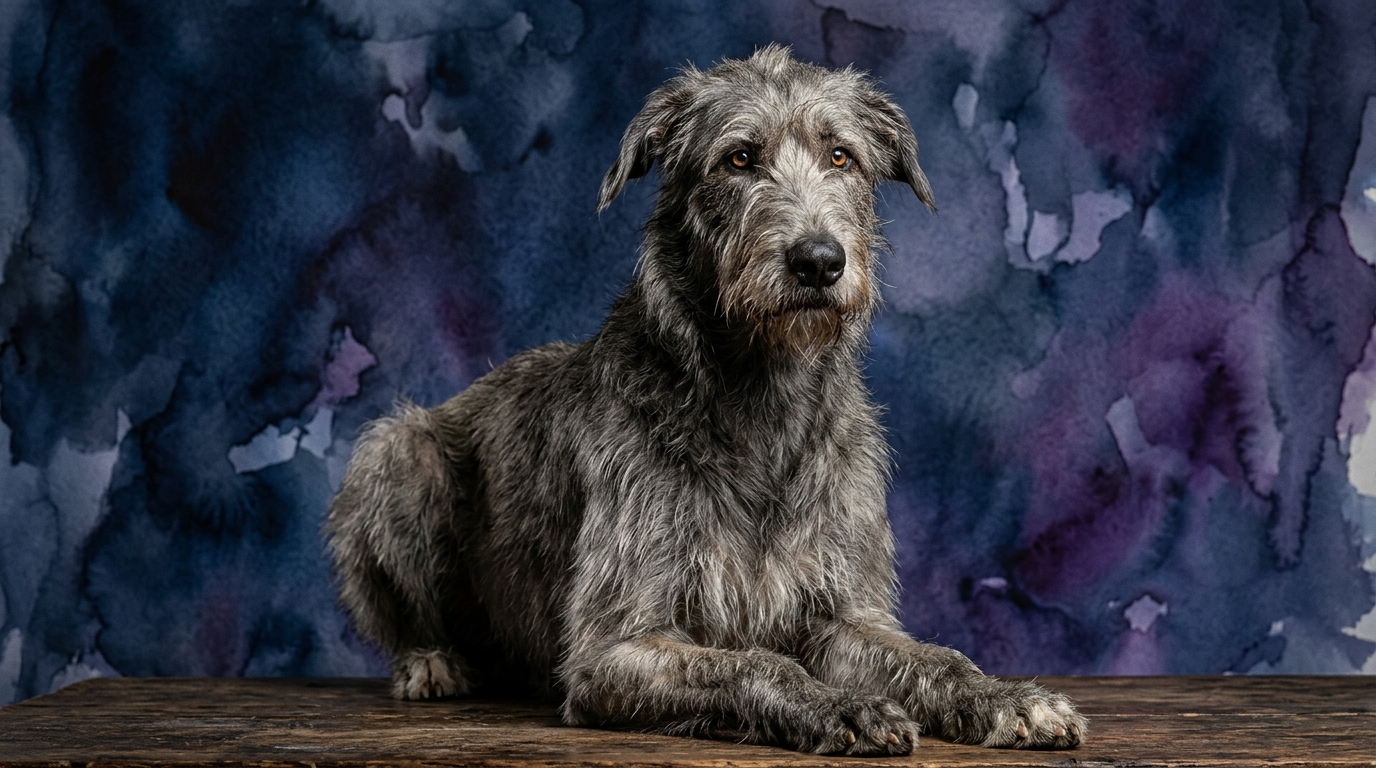
The **Irish Wolfhound's** 3/5 in **Problem Solving** tends to be more deliberate and observational. While not prone to the same frenetic experimentation as a terrier, they can assess situations calmly, using their considerable size and strength strategically. This might involve patiently figuring out how to navigate obstacles or gently nudging open a gate with their nose, rather than resorting to frenzied attempts. Their **Training Speed** at 3/5 suggests they are capable learners, but their sighthound nature often means they are less eager to please and more independent in their motivations. They respond best to patient, positive reinforcement, and clear, consistent communication, rather than repetitive drills. For **Social Intelligence**, a 3/5 indicates they are generally gentle and observant in social settings, forming deep, quiet bonds with their families. They are typically reserved with strangers, evaluating new interactions with a calm dignity rather than boisterous engagement. The **Instinctive Drive** for an Irish Wolfhound, also at 3/5, is largely tied to their historical role as a large game hunter. This drive manifests as an instinct to chase large, fast-moving objects, combined with a natural guarding instinct due to their imposing presence. It's a focused drive, less about constant vigilance for small vermin and more about specific, powerful pursuit. Their **Memory** at 3/5 ensures they remember routines, people, and specific learned behaviors, especially those associated with comfort, security, and companionship. They tend to remember kindness and gentle handling, which is crucial for building trust with such a large, sensitive breed.
Where the Wire Fox Terrier Excels Cognitively
While both breeds share a 3/5 baseline, the Wire Fox Terrier's cognitive strengths shine in scenarios demanding quick, agile thinking and persistent investigation. Their problem-solving, even at a 3/5, is geared towards immediate, hands-on engagement with their environment. They demonstrate a superior ability to adapt rapidly to changing, small-scale challenges, quickly devising new strategies to outmaneuver a puzzle toy or uncover a hidden treat. This breed's tenacity means they will often try multiple approaches to a problem, showcasing a resilient mental flexibility that is highly effective for tasks requiring a 'never give up' attitude, particularly in constrained or complex spaces. Their smaller stature and quicker reflexes often translate to a more immediate, physical engagement with cognitive tasks.
Where the Irish Wolfhound Shows Cognitive Advantage
The Irish Wolfhound's cognitive strengths, though also rated 3/5, are expressed differently, favoring a more considered and patient approach. They excel in situations requiring calm observation and the processing of larger environmental cues. Their problem-solving is less about frenetic action and more about strategic assessment, often using their impressive size and serene demeanor to their advantage. They can maintain focus over longer periods without the same level of frenetic energy as a terrier, making them adept at tasks requiring sustained attention and a steady, thoughtful response. Their social intelligence, while reserved, allows them to navigate complex family dynamics with a quiet understanding, often displaying a perceptive awareness of human moods and needs that is both subtle and profound.
Training Dynamics: Independence vs. Steadfastness
Both breeds register a 3/5 in training speed, yet their training experiences diverge significantly due to their inherent temperaments. The Wire Fox Terrier, with its independent and spirited nature, learns commands quickly but often requires consistent, highly engaging motivation to comply reliably. Their strong instinctive drives for chasing and digging mean distractions are plentiful, demanding an owner who can make training feel like a stimulating game. This breed's feisty nature can translate into stubbornness if not managed with positive reinforcement and firm, consistent boundaries from an early age, making them quick to learn but sometimes slow to obey if not properly incentivized. Their smaller size means a lapse in training is often more manageable, but their boundless energy requires frequent mental engagement.
Conversely, the Irish Wolfhound, while also capable of learning quickly, often requires a different training approach. Their independence stems less from defiance and more from a dignified, self-contained nature, combined with the sighthound's characteristic preference for following their own agenda. They respond best to gentle, patient, and consistent methods, valuing companionship and calm praise over high-energy rewards. Given their immense size, early and thorough socialization and obedience training are absolutely crucial; a poorly trained Irish Wolfhound can inadvertently become a physical challenge. Their sensitive nature means harsh corrections are counterproductive, instead fostering a trusting relationship through positive reinforcement ensures their compliance, leveraging their steady temperament rather than battling their will.
Active vs. Relaxed Owners: Matching Lifestyles
The Wire Fox Terrier is an ideal companion for active owners who relish consistent engagement and outdoor adventures. Their substantial energy levels and investigative nature demand regular, vigorous exercise, including walks, playtime, and mental stimulation through puzzle toys or training sessions. This breed thrives with owners who enjoy outdoor activities like hiking or agility, and who are prepared to channel their terrier's keen instincts into constructive outlets. A relaxed owner might find themselves overwhelmed by the Wire Fox Terrier's persistent need for activity and mental challenges, which if unmet, can lead to destructive behaviors.
The Irish Wolfhound, while possessing surprising bursts of speed and a need for daily exercise, often suits owners who appreciate a more relaxed indoor presence combined with structured outdoor activity. They require significant space to stretch out and run, making a securely fenced yard essential for safe, vigorous exercise sessions. However, indoors, they are typically calm, gentle giants who enjoy lounging with their family. An owner who can provide consistent, moderate-to-long walks or supervised free-running opportunities, coupled with a calm home environment, would be well-suited. They are not a breed for a sedentary owner, but their energy is expressed in more measured, less frenetic bursts than a terrier's, making them suitable for owners who value quiet companionship indoors balanced with substantial outdoor time.
The Verdict
Choose the Wire Fox Terrier if you are an active, engaged owner seeking a tenacious, clever companion for adventures and consistent mental stimulation.
Opt for the Irish Wolfhound if you appreciate a calm, dignified giant indoors, provided you can offer ample space and structured outdoor exercise to fulfill their sighthound heritage.
🧠 Find Your Pet's IQ Score
Our Pet IQ Lab assessment covers 25+ tests across 5 cognitive dimensions — personalized to your breed.
Take the Full IQ Test →Frequently Asked Questions
Are Wire Fox Terriers difficult to live with due to their high energy?
While Wire Fox Terriers possess considerable energy and a strong drive, they are not inherently difficult if their needs are met. Consistent exercise, mental challenges, and early training are essential to channel their spirited nature constructively, preventing boredom-induced behaviors.
Do Irish Wolfhounds require a lot of space?
Yes, Irish Wolfhounds, being giant dogs, require ample space to move comfortably, both indoors and out. A securely fenced yard for exercise is crucial, and their large size means they need a home environment that can accommodate their physical presence without feeling cramped.
How do their social tendencies differ with children or other pets?
Wire Fox Terriers can be good with children and other pets if raised with them, but their strong prey drive and independent nature mean careful supervision and socialization are necessary, especially with smaller animals. Irish Wolfhounds are generally known for their gentle and patient demeanor with children and can coexist peacefully with other pets, though their sheer size always necessitates supervision to prevent accidental bumps.