Side-by-Side IQ Profile: Unpacking Their Similar Scores
Both the Wire Fox Terrier and the Miniature Pinscher register a consistent 3 out of 5 across all five measured cognitive dimensions in The Cosmic Pet Pet IQ Lab. This uniformity suggests their intelligence, while not exceptional in any single area, manifests through distinct behavioral lenses shaped by heritage.
For **Problem Solving (3/5)**, both breeds demonstrate a moderate capacity to navigate puzzles or overcome obstacles to achieve a goal, like retrieving a hidden toy. Their approaches, however, differ: the Wire Fox Terrier often employs persistent physical manipulation, while the Miniature Pinscher might rely more on observation and strategic vocalization for human assistance.
In **Training Speed (3/5)**, neither breed is a quick study, requiring consistent, patient, and engaging methods to internalize new commands. They are capable of learning a wide range of behaviors, but handlers should anticipate a commitment to regular, positive reinforcement, acknowledging their independent streaks that can prolong the learning curve.
Their **Social Intelligence (3/5)** indicates a reasonable ability to interpret human cues and interact appropriately with other dogs. Both breeds form strong bonds with primary caregivers, yet their expressions of social understanding vary. The Wire Fox Terrier might show its social acumen through direct, sometimes boisterous, engagement, whereas the Miniature Pinscher often exhibits a more vigilant, discerning awareness of its social environment.
**Instinctive Drive (3/5)** reflects their moderate predisposition to behaviors rooted in original breed functions. For the Wire Fox Terrier, this translates to a tangible drive for chasing, digging, and exploring. The Miniature Pinscher's drive manifests as pronounced alertness, territorial awareness, and a confident, often assertive, demeanor reminiscent of a miniature guard dog. These drives are present but manageable with appropriate outlets.
Finally, **Memory (3/5)** suggests both breeds possess a solid ability to recall learned commands, routines, and past experiences. They will remember their training and the people they've encountered, but perhaps without the near-perfect recall of breeds bred for complex, multi-stage tasks or extensive scent work.
Where the Wire Fox Terrier Excels Cognitively
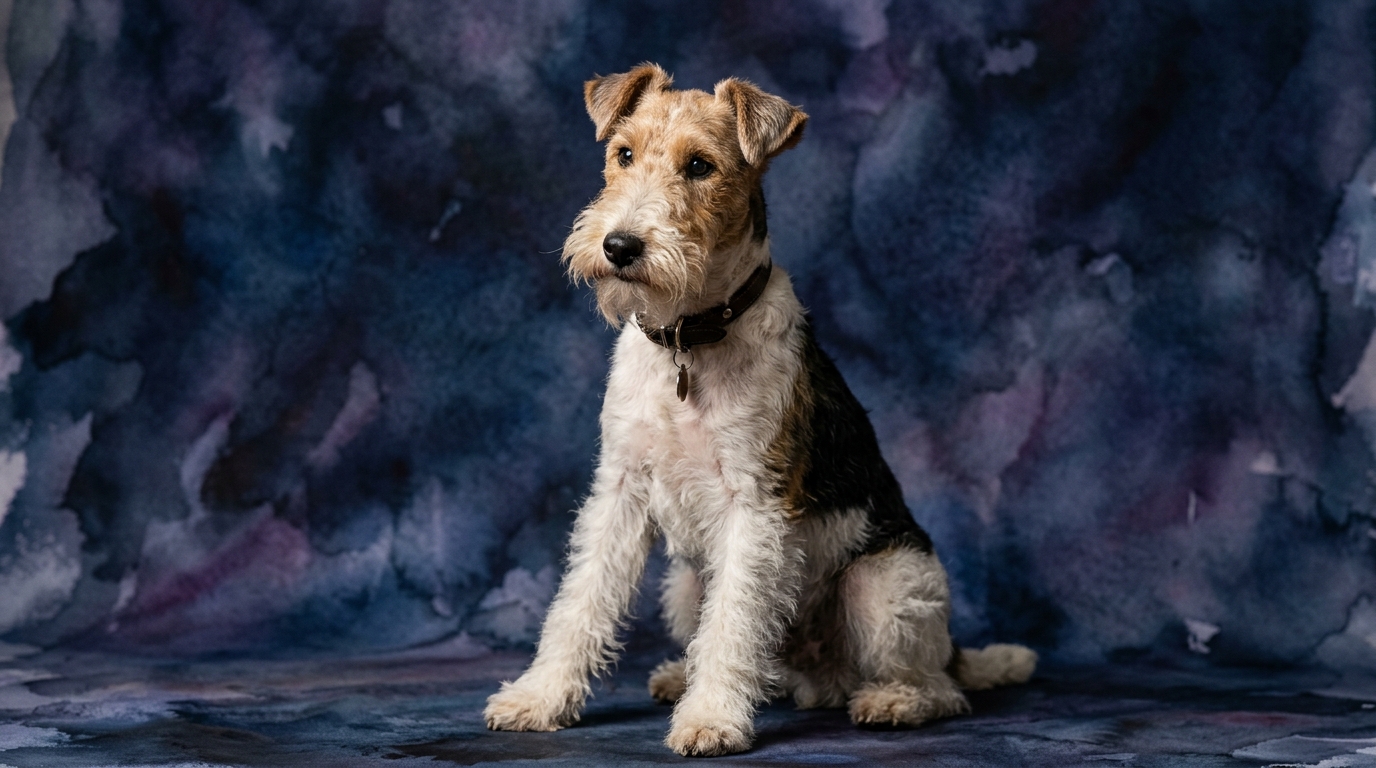
Despite identical scores, the Wire Fox Terrier's cognitive strengths are deeply rooted in its terrier lineage, often manifesting as exceptional tenacity and physical problem-solving. Their 3/5 problem-solving score, within the context of a terrier, translates to an unyielding determination for physical challenges, like meticulously working to unearth a perceived burrowing creature or retrieving a toy stuck under furniture, showcasing a practical, hands-on intelligence.
Their instinctive drive, also rated 3/5, is particularly robust in scenarios requiring sustained effort and independence. This breed shows a marked ability to focus intensely on a 'task' of their own devising, such as tracking a scent or navigating complex outdoor terrain, often without needing constant human direction. This focused persistence, while sometimes challenging for owners, is a distinct cognitive advantage when applied to appropriate outlets like Earthdog trials or agility courses, where their physical and mental agility combine effectively.
Where the Miniature Pinscher Excels Cognitively
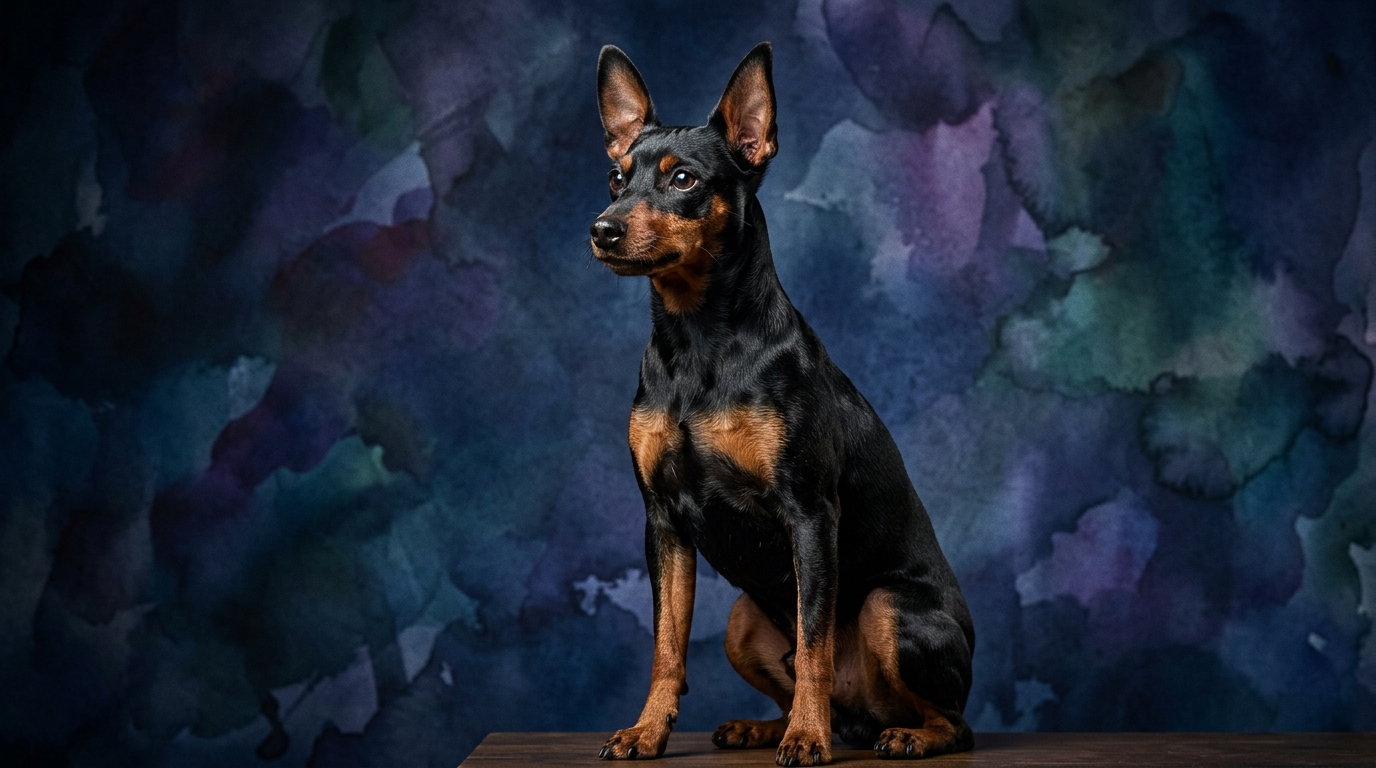
The Miniature Pinscher, while sharing the 3/5 cognitive profile, often demonstrates refined situational awareness and a nuanced understanding of their immediate environment. Their social intelligence (3/5) is often expressed through a keen ability to read human household dynamics and routines, allowing them to anticipate events like mealtimes, walks, or even a change in their owner's mood. They are adept at using subtle cues to solicit attention or express desires, often with a sophisticated understanding of which behaviors yield the desired human response.
Their instinctive drive (3/5) is channeled into a vigilant, almost 'managerial' role within the home. This translates to acute auditory memory and pattern recognition, enabling them to quickly differentiate familiar from unfamiliar sounds, making them effective, though sometimes excessively vocal, alarm systems. This cognitive strength lies in their ability to process and react to environmental stimuli with precision, ensuring they are always aware of their surroundings and the safety of their 'pack.'
Which is Easier to Train and Why?
Given both breeds score 3/5 for training speed, neither is inherently 'easier' in the traditional sense of rapid command acquisition. However, the *nature* of their trainability differs significantly due to their underlying behavioral motivations. The Wire Fox Terrier's strong independent streak and potent prey drive mean training involves redirecting innate instincts. Their persistence, while a strength, can also manifest as stubbornness if they perceive a task as less engaging than their own interests. Training a Wire Fox Terrier requires creative engagement, high-value rewards, and a handler who can consistently outwit their clever, often mischievous, mind.
The Miniature Pinscher, while also possessing an independent and sometimes assertive nature, often responds well to training that is framed as a shared activity and offers clear, immediate rewards. Their social intelligence (3/5) allows them to understand and respond to their owner's expectations once a strong bond and mutual respect are established. They can be highly food-motivated and thrive on consistency and positive reinforcement, often eager to please if they understand the 'why' behind the command and if the training feels like an interactive game. Their potential for vocalization, however, can be a training challenge requiring specific focus.
Suited for Active vs. Relaxed Owners
The **Wire Fox Terrier** is an ideal companion for active owners who relish outdoor adventures and can provide consistent mental and physical challenges. Their 3/5 instinctive drive, combined with their robust energy levels, means they thrive with vigorous exercise like long hikes, structured games of fetch, or participation in dog sports such as agility, flyball, or Earthdog trials. Owners who appreciate a dog with a determined spirit and can channel its natural curiosity and drive into productive activities will find a rewarding partnership. They are not content to be couch potatoes and require regular engagement to prevent boredom-induced behaviors.
The **Miniature Pinscher**, while possessing a confident and energetic demeanor, is generally better suited for owners who prefer a more engaged, but perhaps less physically demanding, lifestyle. Their smaller size means exercise needs are often met with regular walks, indoor play, and puzzle toys. They suit individuals or families home frequently, enjoying consistent interaction, training games, and cuddles. While they possess vigilance and can be vocal, their social intelligence (3/5) means they thrive on being central to family life and prefer cerebral engagement within the home over constant, high-intensity outdoor exertion. They are not 'relaxed' in the sense of being hands-off, but rather prefer an environment where their cognitive and social needs are met through close companionship and interactive play.
The Verdict
Choose the Wire Fox Terrier if you seek a resilient, adventurous partner for an active lifestyle, ready to tackle challenges with grit and an independent spirit.
Opt for the Miniature Pinscher if you desire an alert, intelligent companion who excels at home vigilance and thrives on close companionship and consistent, engaging interaction.
🧠 Find Your Pet's IQ Score
Our Pet IQ Lab assessment covers 25+ tests across 5 cognitive dimensions — personalized to your breed.
Take the Full IQ Test →Frequently Asked Questions
Do Wire Fox Terriers and Miniature Pinschers learn tricks easily?
Both breeds score 3/5 in training speed, indicating they learn at a moderate pace. They are capable of learning tricks with consistent, positive reinforcement and engaging methods, but neither will pick up complex routines instantly. Patience and repetition are key for both.
Which breed is better for a first-time dog owner?
Neither breed is typically recommended for novice owners due to their independent natures and specific needs. Both require consistent training, socialization, and a clear understanding of their breed-specific drives to thrive, making them more suitable for experienced dog guardians.
How do their social intelligence scores of 3/5 manifest differently?
The Wire Fox Terrier's social intelligence often appears as direct, sometimes boisterous, engagement and clear communication within their established pack. The Miniature Pinscher's 3/5 social intelligence is more about nuanced observation of household dynamics and a discerning, often vigilant, interaction with both familiar and unfamiliar individuals.