
Side-by-Side Cognitive Profiles
The Wire Fox Terrier presents a balanced cognitive profile, scoring 3/5 across all five dimensions. Their Problem Solving (3/5) indicates a capable, persistent approach to challenges, often relying on quick wit and observation rather than methodical analysis. Training Speed (3/5) suggests they learn new commands at a moderate pace, thriving with engaging, consistent methods. Social Intelligence (3/5) means they are generally adept at understanding human cues and forming bonds, though their independence is notable. Their Instinctive Drive (3/5) reflects a moderate prey drive and natural inclination for digging and exploration, typical of their terrier heritage. Finally, a Memory score of 3/5 points to a solid capacity for recalling learned behaviors and past experiences.
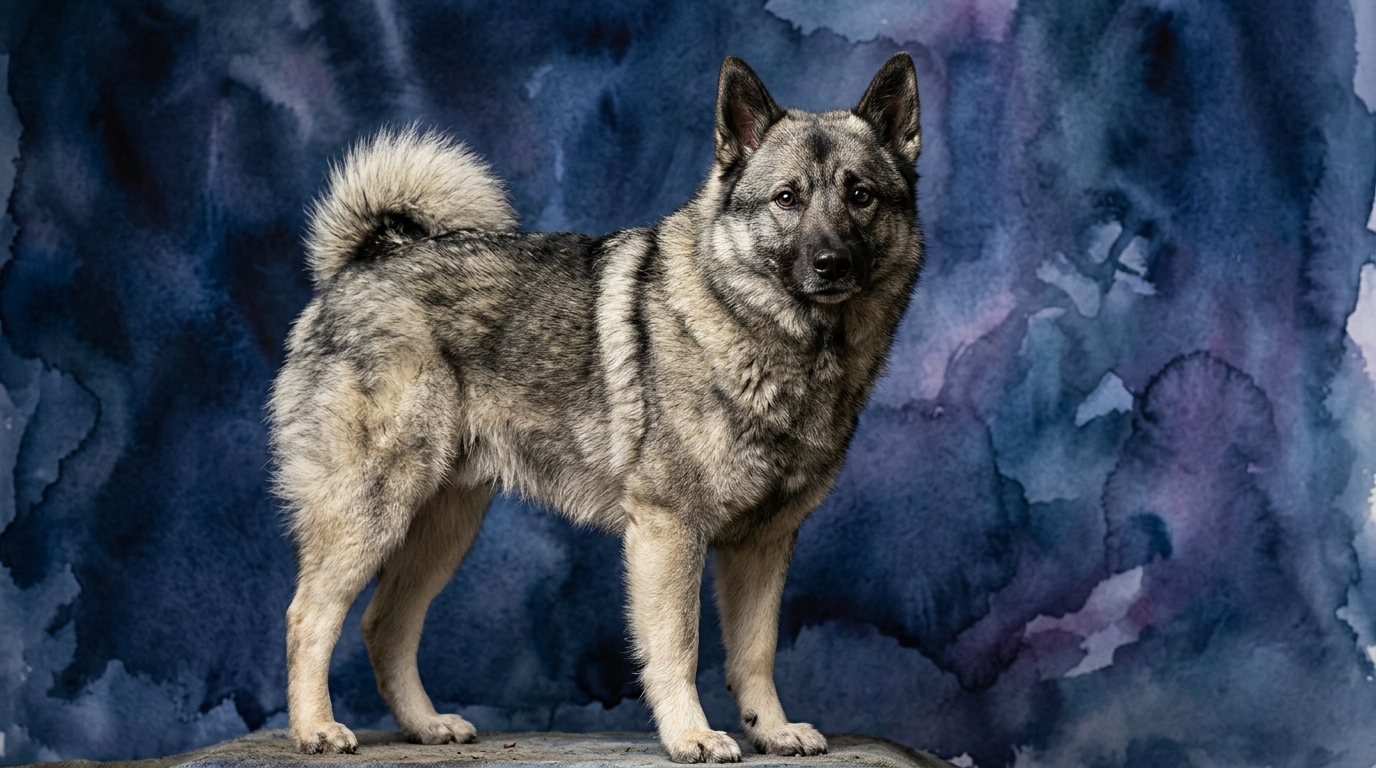
The Norwegian Elkhound exhibits a robust cognitive aptitude, particularly in areas crucial for its traditional role. Their Problem Solving (4/5) highlights an impressive capacity for independent thought and effective strategizing, especially in complex environments or tracking. A Training Speed of 4/5 indicates they are generally quick learners, eager to absorb new information and respond to commands with relatively few repetitions. Social Intelligence (3/5) suggests they are well-attuned to human emotions and social structures, forming strong bonds while retaining independent judgment. Their Instinctive Drive (3/5) is primarily expressed as powerful scenting ability and enduring stamina for tracking. A Memory score of 4/5 signifies an excellent ability to retain information, from complex scent trails to intricate training sequences.
Where the Wire Fox Terrier Excels Cognitively
While the Norwegian Elkhound often outscores the Wire Fox Terrier in direct cognitive metrics, the Wire Fox Terrier's consistent 3/5 scores translate into a distinct cognitive advantage in specific scenarios requiring sheer independent initiative. Their Problem Solving, though rated 3/5, is characterized by a tenacious, often mischievous resourcefulness that excels in overcoming obstacles through willpower, creative evasion, or clever manipulation rather than systematic logic. A Wire Fox Terrier will persistently try every angle, often with surprising ingenuity, to achieve its goal, whether retrieving a hidden treat or outsmarting a playmate. This terrier grit, combined with their moderate instinctive drive for exploration, makes them adept at self-directed tasks where a dog needs to figure things out independently without constant human prompting. Their social intelligence, while not top-tier, is perfectly suited for engaging in playful 'battles of wit' with their owners, often testing boundaries with charming boldness.
Where the Norwegian Elkhound Excels Cognitively
The Norwegian Elkhound's cognitive strengths clearly shine in areas requiring sustained focus, strategic thinking, and impressive recall, primarily reflected in its 4/5 scores for Problem Solving, Training Speed, and Memory. Their superior Problem Solving allows them to quickly assess new situations, understand complex environmental cues, and adapt their behavior efficiently, whether navigating varied terrains or grasping agility course nuances. This capacity for efficient and rapid learning, indicated by their 4/5 Training Speed, means they grasp new commands and routines with remarkable ease, often requiring fewer repetitions and responding with greater consistency. Furthermore, their exceptional Memory (4/5) is a significant asset, enabling them to remember intricate scent patterns over vast distances, recall complex geographical layouts, and retain a wide repertoire of commands and learned behaviors over long periods. This combination makes them highly reliable in tasks demanding precision, consistency, and a deep, sustained understanding of their environment, such as advanced obedience, competitive tracking, or search and rescue work.
Training Responsiveness: Which Breed is Easier?
Based on their Pet IQ Lab profiles, the Norwegian Elkhound is generally easier to train compared to the Wire Fox Terrier. The Elkhound's Training Speed of 4/5 signifies a higher eagerness to learn and a quicker grasp of new commands, often responding well to positive reinforcement and consistent methods. Their higher Problem Solving (4/5) also means they are more likely to understand the 'why' behind a command and apply it effectively. In contrast, the Wire Fox Terrier's Training Speed of 3/5, while not low, suggests they require more patience, creativity, and consistency from their handler. Their independent nature often means they might question commands or seek their own solutions rather than simply complying. Training a Wire Fox Terrier frequently involves making it feel like their idea or engaging their prey drive constructively, whereas an Elkhound is typically a willing and responsive partner in structured training sessions.
Matching Breeds to Owner Lifestyles
Neither the Wire Fox Terrier nor the Norwegian Elkhound are suited for genuinely 'relaxed' owners, as both possess significant energy and require mental engagement. The Wire Fox Terrier, with its balanced 3/5 instinctive drive and problem-solving, thrives with active owners who enjoy engaging in games that stimulate their terrier instincts, such as earthdog trials or agility. Owners who appreciate an independent streak and mischievous intelligence will find the Wire Fox Terrier rewarding, provided they can channel its energy and curiosity. The Norwegian Elkhound, with its 3/5 instinctive drive focused on tracking and endurance, combined with superior problem-solving and memory, is an ideal match for highly active, outdoors-oriented owners. They excel in activities like hiking, running, or scent work, where their stamina and cognitive abilities for navigation and recall are fully utilized. An Elkhound owner should be prepared for long walks and consistent mental challenges.
The Verdict
Choose the Wire Fox Terrier if you seek a spirited, independent companion who will challenge your wits with their tenacious problem-solving and playful antics, thriving on engaging, varied activities.
Opt for the Norwegian Elkhound if you desire a responsive, intelligent partner for extensive outdoor adventures and structured training, valuing their quick learning, impressive memory, and steadfast nature.
🧠 Find Your Pet's IQ Score
Our Pet IQ Lab assessment covers 25+ tests across 5 cognitive dimensions — personalized to your breed.
Take the Full IQ Test →Frequently Asked Questions
Do Wire Fox Terriers and Norwegian Elkhounds get along with other pets?
Wire Fox Terriers, with their moderate social intelligence and instinctive drive, can coexist with other pets, but their strong prey drive means careful introductions and supervision are crucial, especially with smaller animals. Norwegian Elkhounds, also with moderate social intelligence, are generally amiable but their strong pack drive can lead to challenging dynamics with other dominant dogs if not properly socialized.
How much exercise do these breeds need daily?
Both breeds require significant daily exercise. Wire Fox Terriers need at least 60-90 minutes of vigorous activity, including playtime and walks, to satisfy their energy and mental stimulation needs. Norwegian Elkhounds, built for endurance, benefit from even more, typically 90 minutes to two hours of sustained activity like long hikes, running, or active play.
Are these breeds good for first-time dog owners?
Neither breed is typically recommended for first-time dog owners without a strong commitment to training and exercise. Wire Fox Terriers require an owner prepared for their independent, sometimes stubborn nature, and consistent training. Norwegian Elkhounds, while more trainable, need an owner capable of managing their energy levels and providing consistent mental stimulation.