The Cosmic Pet IQ Lab: A Side-by-Side Cognitive Profile
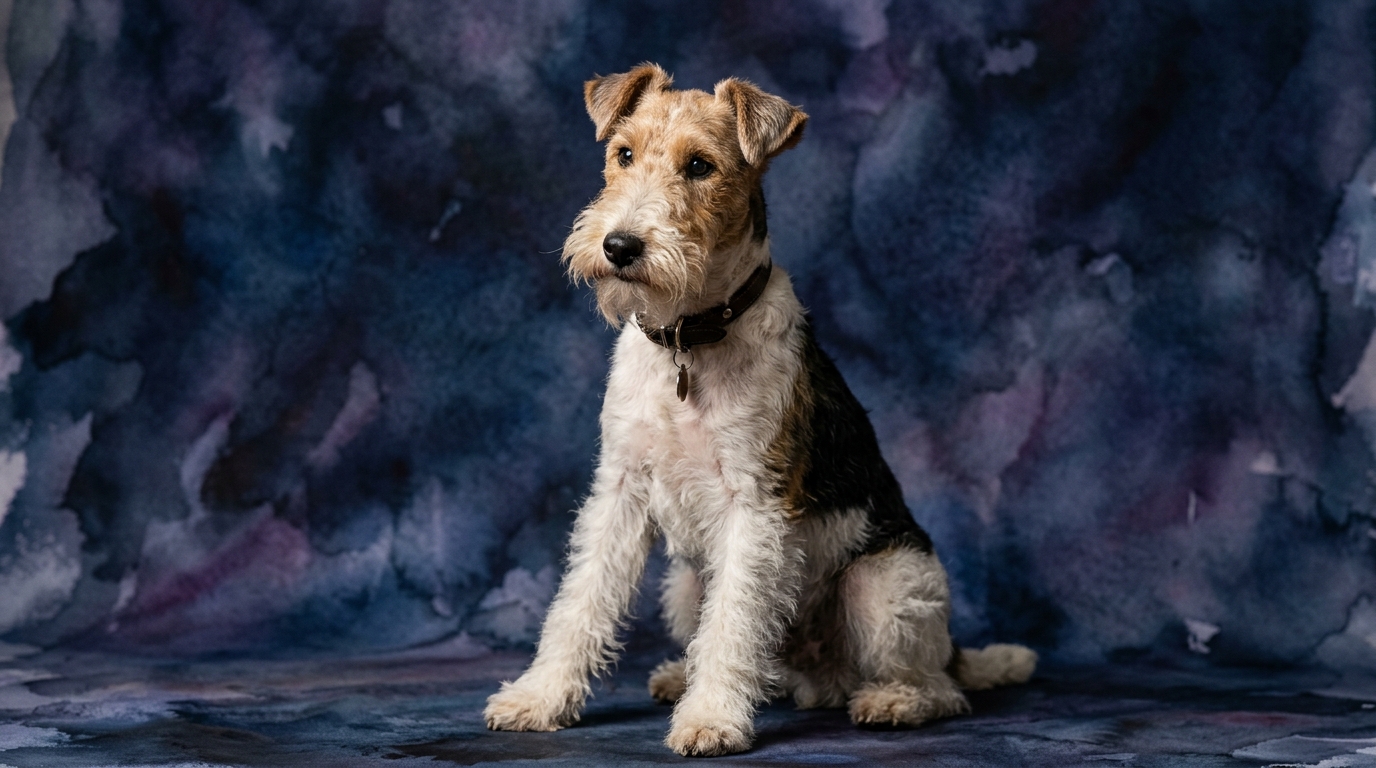
In our assessment, both the Wire Fox Terrier and the Norwegian Lundehund achieve a consistent 3/5 across Problem Solving, Training Speed, Social Intelligence, Instinctive Drive, and Memory. For the Wire Fox Terrier, a member of the Terrier group, this 3/5 in Problem Solving often translates into an independent, tenacious approach to overcoming obstacles, particularly those related to hunting and exploration. Their 3/5 Training Speed indicates they can grasp new commands with reasonable repetition, though their independent spirit might require engaging methods. Social Intelligence at 3/5 suggests they form strong bonds with their human companions but retain a self-assured nature. An Instinctive Drive of 3/5 reflects their inherent terrier prey drive and desire to investigate, while their 3/5 Memory allows them to recall routines and learned tasks effectively.
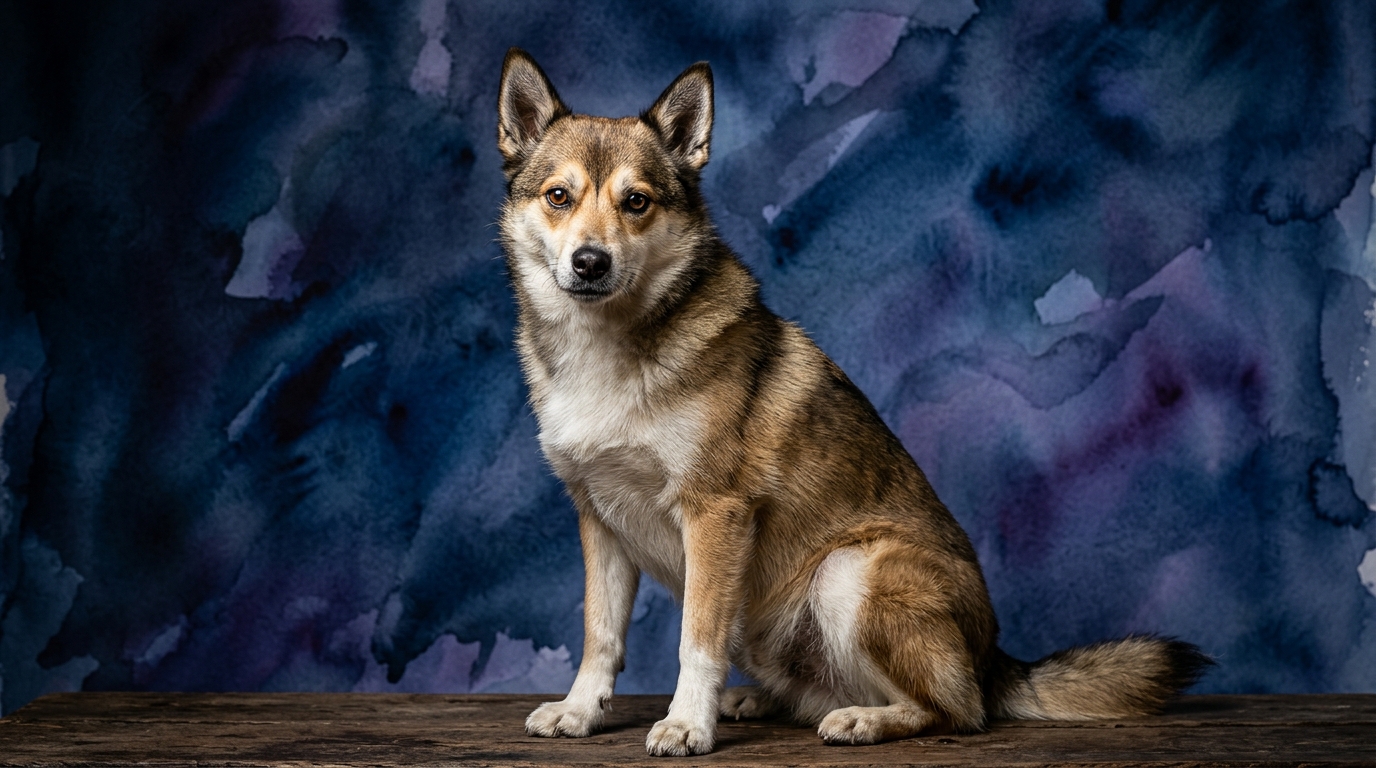
The Norwegian Lundehund, a unique breed from the Non-Sporting group, expresses its identical 3/5 scores through a different lens. Their Problem Solving at 3/5 is distinctly tied to their historical role as puffin hunters, requiring incredible agility and spatial reasoning to navigate treacherous cliffs and tight crevices. This translates to an exploratory, physically-oriented approach to challenges. A 3/5 Training Speed means they can learn, but their ancient instincts and independent nature often demand patience and positive reinforcement, especially for tasks not inherently 'Lundehund.' Their 3/5 Social Intelligence points to a deep, often reserved, connection with their family, and an Instinctive Drive of 3/5 is seen in their remarkable physical capabilities – the ability to turn their heads nearly 180 degrees and fold their ears – driven by their unique hunting heritage. Their 3/5 Memory helps them recall complex routes and learned physical maneuvers.
Where the Wire Fox Terrier's Cognition Shines
Despite identical numerical scores, the Wire Fox Terrier often demonstrates a particular brand of cognitive strength rooted in its terrier lineage. Its 3/5 Problem Solving manifests as a quick, decisive ability to assess and act in dynamic, often unpredictable environments, such as tracking a scent or navigating a complex backyard. This isn't just about figuring things out; it's about a persistent, almost relentless drive to achieve a goal once fixated, often employing trial-and-error with a spirited determination. Their 3/5 Instinctive Drive fuels this with an unwavering focus on perceived 'prey,' whether it's a squirrel or a squeaky toy, making them incredibly engaged in activities that tap into this drive.
The Wire Fox Terrier's 3/5 Training Speed, when combined with its focused attention on a task it deems worthwhile, can lead to rapid acquisition of specific commands that align with its independent nature. They thrive on challenges that require them to think on their feet and make quick decisions, rather than purely repetitive drills. Their 3/5 Social Intelligence allows them to adapt well to various human social settings, often charming their way into the center of attention, while their 3/5 Memory serves them well in remembering commands and boundaries, though they might occasionally 'forget' if a more interesting distraction arises.
Unpacking the Norwegian Lundehund's Unique Cognitive Strengths
The Norwegian Lundehund's 3/5 cognitive scores are uniquely tailored to its ancestral purpose. Its Problem Solving at 3/5 is less about brute force and more about spatial awareness, flexibility, and intricate navigation. These dogs are adept at assessing physical environments, identifying narrow passages, and utilizing their extraordinary physical anatomy – such as their flexible shoulder joints and extra toes – to reach otherwise inaccessible areas. This makes them exceptional at tasks requiring intricate physical maneuvers and exploring complex, varied terrains, demonstrating a nuanced understanding of their physical capabilities within a given space.
The Lundehund's 3/5 Instinctive Drive is not just about prey; it's about the innate compulsion to climb, explore, and utilize their unique physical attributes, turning any novel environment into a puzzle. Their 3/5 Memory is particularly strong for recalling complex routes and sequences of physical actions, which was vital for returning to their human companions after navigating treacherous puffin colonies. While their 3/5 Training Speed might not be for rote obedience, they can quickly learn complex physical tasks or multi-step activities that engage their body and mind, particularly if it involves exploration or 'hunting' for treats in unusual places.
Training Dynamics: A Look at Ease and Approach
Training a Wire Fox Terrier, despite its 3/5 Training Speed, often requires a dedicated, engaging approach. Their independent terrier spirit means they respond best to positive reinforcement, short, varied sessions, and tasks that feel like a challenge or a game. While they can learn quickly, their strong 3/5 Instinctive Drive, particularly for chasing, can make off-leash reliability a long-term project. They may 'test' boundaries, requiring consistent and firm, yet fair, guidance. Their 3/5 Social Intelligence means they generally enjoy interaction, but their focus might be elsewhere if the training isn't stimulating enough.
The Norwegian Lundehund, with its identical 3/5 Training Speed, presents a different set of considerations. Their independence stems from a history of working alone, often out of sight, which means they aren't inherently driven to please in the same way some other breeds might be. Training them effectively leverages their 3/5 Problem Solving and Instinctive Drive, focusing on agility, puzzle toys, and exploration-based activities rather than strict obedience. Their unique physical structure means they excel at tasks involving balance and climbing, and incorporating these elements can make training more successful. Patience is paramount, and understanding their unique motivations is key to unlocking their learning potential.
Matching Cognitive Profiles to Lifestyles
For owners seeking an active and mentally stimulating companion, the Wire Fox Terrier is an excellent fit. Their 3/5 Problem Solving and Instinctive Drive demand consistent outlets, thriving in environments where they can investigate, 'hunt' for toys, and engage in vigorous play. They are not content with a purely sedentary existence, requiring daily exercise that goes beyond a simple walk, benefiting from activities like Earthdog trials, agility, or engaging puzzle games. Their 3/5 Social Intelligence also means they enjoy being an active participant in family life, but their independent streak means they need clear expectations and boundaries.
The Norwegian Lundehund appeals to owners who appreciate a unique and exploratory companion. Their 3/5 Problem Solving and Instinctive Drive are best suited for varied environments and activities that engage their physical capabilities, such as hiking on uneven terrain, exploring natural landscapes, or participating in canine parkour. They are not dogs that thrive on strict routine or confinement; their ancient heritage calls for a life of exploration and physical challenge. While they are affectionate with their families (3/5 Social Intelligence), their independence means they are often content to observe or engage in self-directed exploration, making them suitable for active owners who understand and respect their distinct needs.
The Verdict
Choose the Wire Fox Terrier if you seek an enthusiastic, tenacious companion who thrives on independent problem-solving and vigorous, goal-oriented activities, and you're prepared to channel their strong terrier drive.
Opt for the Norwegian Lundehund if you desire a unique, physically agile explorer who excels at spatial problem-solving and navigating complex environments, and you can provide ample opportunities for their distinct brand of physical and mental stimulation.
🧠 Find Your Pet's IQ Score
Our Pet IQ Lab assessment covers 25+ tests across 5 cognitive dimensions — personalized to your breed.
Take the Full IQ Test →Frequently Asked Questions
Do Wire Fox Terriers and Norwegian Lundehunds have similar temperaments?
While both breeds exhibit independence, their temperaments differ. Wire Fox Terriers tend to be more boisterous and outgoing, driven by a strong prey instinct, whereas Norwegian Lundehunds are often more reserved, wary of strangers, and possess a unique, physically-oriented curiosity.
Are these breeds suitable for first-time dog owners?
Both breeds, with their independent streaks and specific cognitive needs, can be challenging for first-time owners. They require consistent training, early socialization, and an understanding of their unique motivations to truly thrive, making them better suited for experienced individuals.
What kind of mental stimulation do these breeds need?
Wire Fox Terriers benefit from puzzle toys that simulate hunting, agility, and obedience training that challenges their problem-solving skills. Norwegian Lundehunds thrive on activities involving climbing, navigating complex physical spaces, and exploring varied terrains that engage their unique physical and cognitive adaptations.