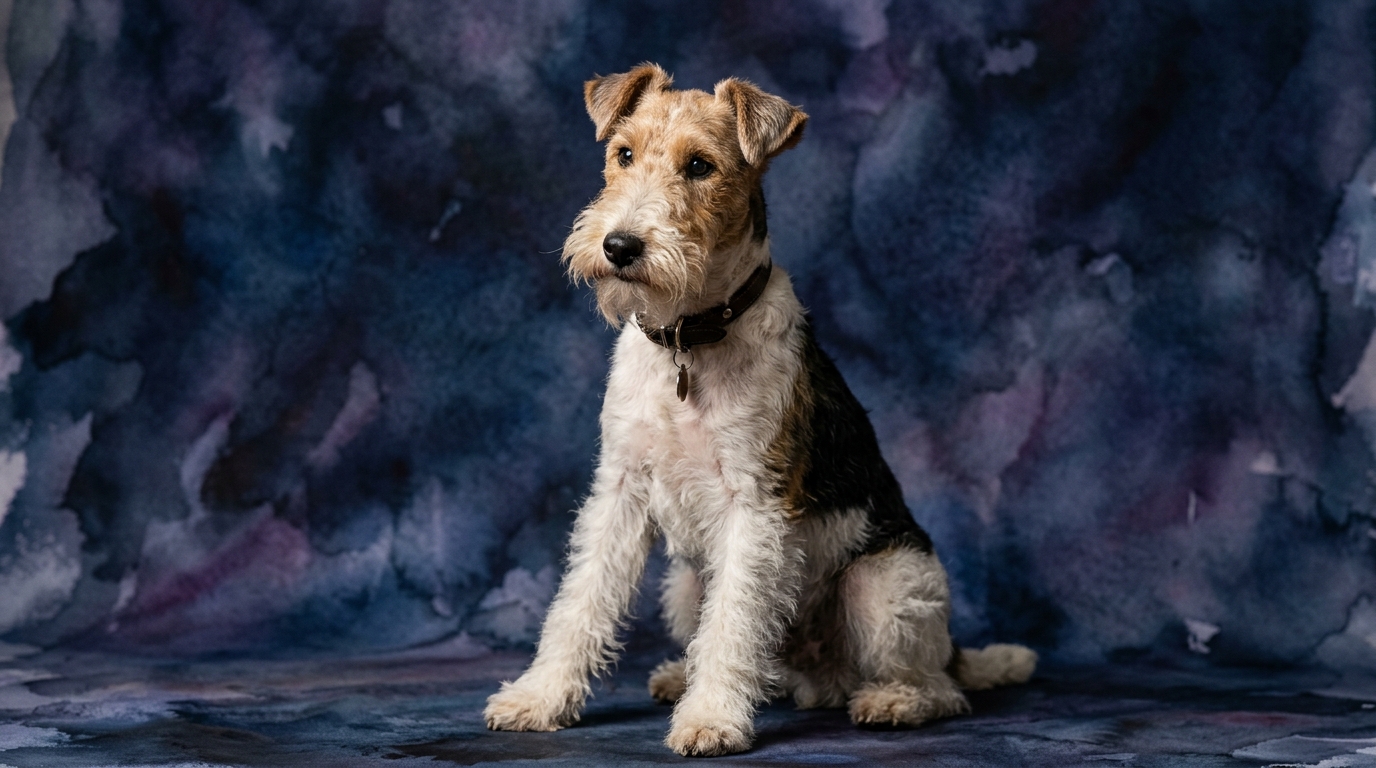
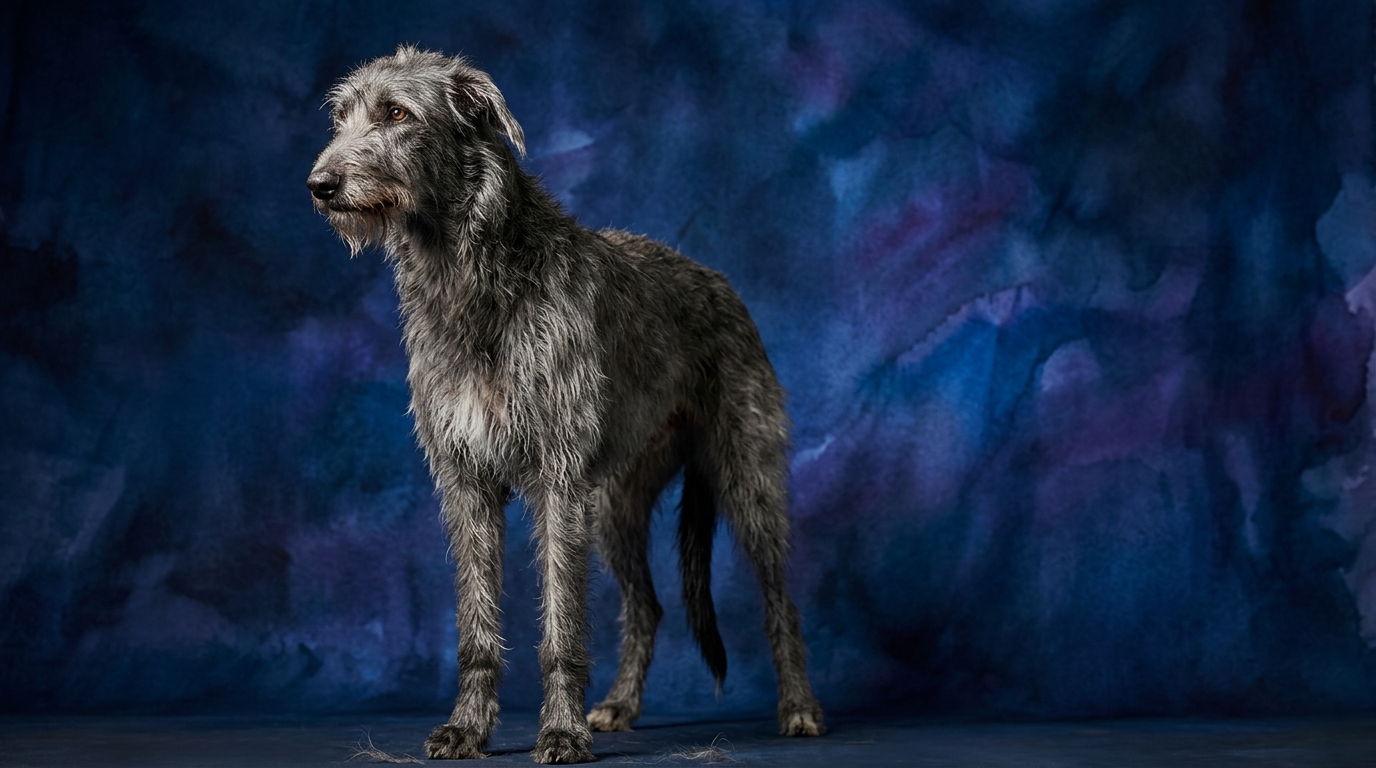
Side-by-Side Cognitive Profiles: Decoding the 3/5 Scores
At The Cosmic Pet Pet IQ Lab, both the Wire Fox Terrier and the Scottish Deerhound receive a consistent 3/5 rating across all five cognitive dimensions: Problem Solving, Training Speed, Social Intelligence, Instinctive Drive, and Memory. While these numerical scores are identical, their manifestation within each breed is profoundly different, sculpted by centuries of selective breeding for specific roles. Understanding these nuances is crucial for appreciating their unique mental landscapes.
For the Wire Fox Terrier, a 3/5 in Problem Solving reflects a sharp, often independent, wit applied to tasks like locating hidden objects or navigating complex environments. Their terrier heritage means they excel at figuring out how to get to something they want, whether it's a toy under the sofa or a perceived 'prey' scent. Training Speed at 3/5 means they grasp new commands and routines at a moderate pace, but their inherent terrier tenacity can sometimes be mistaken for stubbornness; they learn quickly when motivated but require engaging methods. Social Intelligence, also 3/5, indicates they are perceptive to human moods and social cues within their immediate family, though they can be discerning and sometimes aloof with strangers. Their Instinctive Drive, a robust 3/5, is dominated by a strong prey drive, a persistent urge to dig, and an assertive nature. Finally, their Memory at 3/5 suggests a good retention of commands, routines, and experiences, particularly those that have a strong emotional or reward-based association.
The Scottish Deerhound's 3/5 in Problem Solving manifests differently, often involving strategic thinking in open spaces, such as calculating the best pursuit path or navigating varied terrain during a chase. Their problem-solving is less about confined cunning and more about spatial awareness and efficient movement. Their Training Speed, also 3/5, means they learn steadily but are often more sensitive and less driven by repetition than other breeds; they respond best to gentle, consistent methods and can be easily distracted by visual stimuli. Social Intelligence at 3/5 reflects a gentle, sensitive nature, making them highly attuned to their family's emotions, often displaying a quiet empathy, though they are typically reserved and dignified with unfamiliar people. Their Instinctive Drive, a powerful 3/5, is almost entirely focused on their sighthound heritage: an intense, visual chase drive that compels them to pursue anything that moves quickly. Their Memory at 3/5 is strong for routes, locations, and the patterns of their daily lives, remembering past experiences with a calm, observant precision.
Where the Wire Fox Terrier's Mind Shines
The Wire Fox Terrier truly excels in scenarios demanding quick, independent decision-making within confined or challenging spaces. Their 3/5 Problem Solving isn't just about general intelligence; it's about a specific kind of terrier ingenuity. They are adept at 'thinking on their feet' when faced with an immediate obstacle, such as finding the quickest route through an agility course or discovering how to manipulate a puzzle toy to retrieve a treat. This resourcefulness, coupled with their tenacious spirit, means they rarely give up on a mental challenge they've set their sights on, making them formidable partners for complex interactive games or urban exploration.
Their cognitive strength also lies in their ability to adapt and react swiftly. A Wire Fox Terrier's 3/5 Instinctive Drive, particularly their prey drive, fuels a rapid assessment of their environment for potential 'targets,' leading to immediate, decisive action. This isn't just a physical response; it's a cognitive process of identification, evaluation, and execution. Owners often observe their acute awareness of small movements or sounds, followed by a burst of focused attention and a determined effort to investigate, showcasing a proactive and alert cognitive style that is always engaged with their surroundings.
Where the Scottish Deerhound's Intellect Prevails
The Scottish Deerhound's cognitive strengths are found in their calm, expansive processing of the world, particularly in open environments. Their 3/5 Problem Solving excels in tasks that require long-distance observation and strategic planning over vast areas. When engaged in their ancestral pursuit, they demonstrate remarkable spatial awareness, calculating trajectories and anticipating movements with a quiet intensity. This isn't about frantic problem-solving, but rather a graceful, efficient mental mapping that allows them to navigate and operate effectively in large, outdoor settings.
Furthermore, their 3/5 Social Intelligence, though subtle, allows them to perceive and respond to the nuanced emotional states of their human companions with a gentle empathy. They might not be overtly demonstrative, but their quiet attentiveness and sensitive responses indicate a deep understanding of their owner's mood. Their 3/5 Memory, combined with their observational nature, means they remember specific routes and the layout of familiar territories with precision, making them excellent companions for consistent walking paths and appreciating routine, often anticipating the next turn or destination with serene confidence.
Training Aptitude: Navigating Different Learning Styles
Both breeds register a 3/5 for Training Speed, yet their approach to learning and the effectiveness of various training methods diverge significantly. The Wire Fox Terrier learns quickly, but their independent streak and strong instinctive drives mean that training requires creativity, consistency, and a firm but fair hand. They thrive on variety and engaging, reward-based methods that keep their sharp minds occupied. Repetitive drills can lead to boredom and a display of their terrier 'will,' making them seem less compliant. Owners must understand that their independent problem-solving can extend to finding ways around commands if not properly motivated.
The Scottish Deerhound, while also scoring 3/5, learns best through gentle, patient reinforcement and a clear understanding of expectations. Their sensitivity means harsh corrections are counterproductive, leading to withdrawal rather than compliance. While they may not pick up new commands with the same lightning speed as some breeds, they are generally eager to please their beloved family members and respond well to a calm, consistent approach. Distractions, especially visual ones, can momentarily derail their focus, so training in quiet environments initially and gradually introducing distractions is key. Their independence is more about a quiet self-possession than outright defiance, meaning they often need to understand the 'why' behind a command or find the reward truly compelling.
Lifestyle Match: Active Adventurer vs. Serene Companion
When considering which breed aligns with an owner's lifestyle, their cognitive and behavioral tendencies paint distinct pictures. The Wire Fox Terrier is undeniably suited for active owners who relish engaging in dynamic activities and mental challenges. Their energetic 3/5 Instinctive Drive and 3/5 Problem Solving demand consistent outlets for their physical vigor and sharp minds. Owners who enjoy dog sports like agility, earthdog trials, or long, exploratory walks where their terrier can 'hunt' (safely, of course) will find a rewarding partnership. A truly relaxed owner might find the Wire Fox Terrier's constant curiosity and need for stimulation overwhelming, as an unchanneled terrier can become a master of mischief.
The Scottish Deerhound, conversely, offers a unique blend for owners who appreciate serene companionship balanced with specific bursts of intense activity. While their 3/5 Instinctive Drive for chasing requires ample opportunity for secure, off-leash running in a spacious area, they are remarkably calm and dignified indoors. This makes them suitable for owners who enjoy providing dedicated exercise sessions but also value a quiet, gentle presence for the majority of the day. They are not suited for apartment living without significant outdoor access, but for owners with a large, fenced yard or access to safe, open fields, their gentle nature makes them wonderful, relaxed housemates after their exercise needs are met.
The Verdict
Choose the Wire Fox Terrier if you seek a spirited, tenacious companion for dynamic activities, enjoy engaging in intricate problem-solving games, and are prepared to channel a lively, independent intelligence with consistent training and ample mental stimulation.
Opt for the Scottish Deerhound if you desire a gentle, dignified companion who offers serene presence indoors, appreciates calm routines, and whose exercise needs are met through dedicated, secure opportunities for powerful, expansive running.
🧠 Find Your Pet's IQ Score
Our Pet IQ Lab assessment covers 25+ tests across 5 cognitive dimensions — personalized to your breed.
Take the Full IQ Test →Frequently Asked Questions
Are Wire Fox Terriers difficult to train given their 3/5 training speed?
Wire Fox Terriers are quick to learn but their independent spirit and strong instincts, particularly their prey drive, require consistent, engaging, and positive reinforcement training. Their capacity to problem-solve can sometimes lead them to find alternative solutions if not properly motivated, so variety in training methods is beneficial.
What kind of exercise does a Scottish Deerhound need, despite their calm demeanor?
Scottish Deerhounds, with their 3/5 instinctive drive for chasing, require regular opportunities for secure, off-leash running in a large, fenced area to satisfy their sighthound instincts. While calm indoors, these intense bursts of exercise are crucial for their physical and mental well-being, complementing their otherwise relaxed nature.
How do their 3/5 social intelligence scores manifest differently in interactions?
While both score 3/5, Wire Fox Terriers tend to be more outwardly communicative and can be selective in their social circles, showing clear preferences. Scottish Deerhounds, on the other hand, display a more subtle, sensitive understanding of their human companions' emotions and are generally more reserved and dignified with strangers, preferring quiet observation.