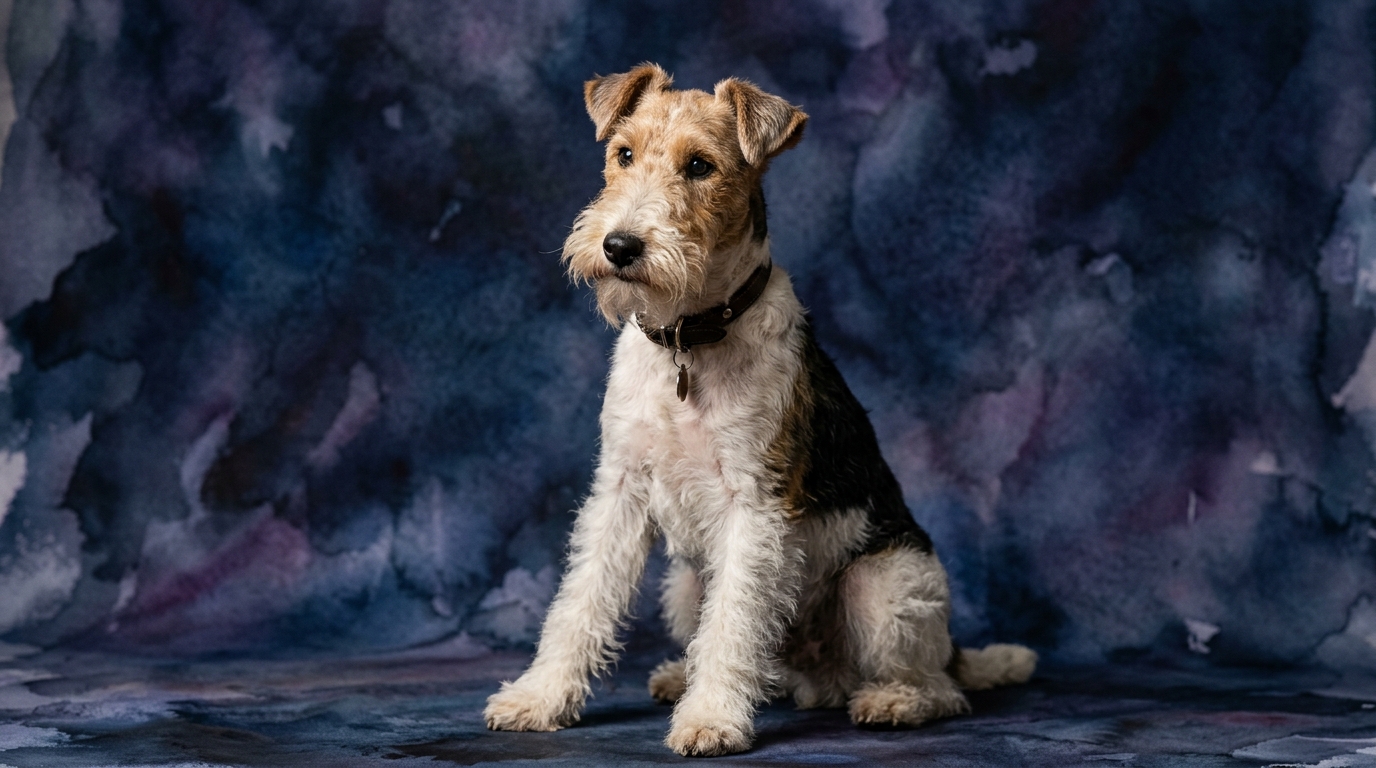

Side-by-Side IQ Profile: Unpacking the Nuances of '3/5'
**Problem Solving (3/5):** The Wire Fox Terrier's problem-solving acumen is often rooted in tenacity and an instinctual drive to overcome obstacles, especially those related to pursuit or accessing hidden items. A 3/5 for them translates to a cleverness in figuring out how to get into a cupboard, dig under a fence, or manipulate a puzzle toy for a treat, often employing physical solutions with spirited determination. Their solutions are typically direct and driven by their innate terrier grit. In contrast, the Tibetan Spaniel, with its history as a companion and watchdog, exhibits a more observational and socially oriented approach to problem-solving. Their 3/5 score reflects an ability to learn complex household routines, understand human gestures, and subtly influence their environment for comfort or attention. They might "solve" the problem of a closed door by sitting patiently and making eye contact, rather than attempting to pry it open, demonstrating a more nuanced, less physically forceful problem-solving style.
**Training Speed (3/5):** For the Wire Fox Terrier, a 3/5 in training speed signifies a quick grasp of new commands and concepts, but this is often coupled with an independent streak that can make consistent execution a challenge. They learn rapidly when motivated by high-value rewards or engaging play, but their attention can be easily diverted by environmental stimuli, leading to selective hearing. Their speed in learning is high, but their willingness to perform on cue requires a dedicated and imaginative trainer. The Tibetan Spaniel's 3/5 in training speed indicates a reasonable pace of learning, often driven by a desire to please and maintain harmony within their human family. While they absorb commands steadily, their self-assured nature means they might not always see the immediate value in performing a trick repeatedly or a command they deem unnecessary. Their learning is efficient, but their independent spirit means consistency is built through patience and positive reinforcement, rather than sheer repetition.
**Social Intelligence (3/5):** The Wire Fox Terrier's social intelligence, at 3/5, is largely focused on understanding their immediate family unit and asserting their place within it. They are adept at reading the moods and intentions of their chosen humans, often anticipating play or walk times. However, their social acumen can be more guarded towards strangers or other animals, where they might exhibit a discerning wariness rather than universal friendliness. Their social understanding is sharp within their established pack, allowing them to communicate needs and desires effectively. The Tibetan Spaniel, also scoring 3/5, showcases a highly perceptive social intelligence, finely tuned to the dynamics of their household. Bred to be companions and watchdogs, they excel at observing human emotions, subtle body language, and changes in routine. They often anticipate their owner's needs or mood, offering comfort or seeking interaction at appropriate times. Their social awareness extends to being excellent alarm systems, keenly aware of who belongs and who doesn't, though they are generally less confrontational than a terrier.
**Instinctive Drive (3/5):** The Wire Fox Terrier's 3/5 for instinctive drive is profoundly influenced by their heritage as vermin hunters. This translates to a strong prey drive, an urge to dig, and a propensity for barking at perceived intruders or moving objects. Their instincts are geared towards vigilance, pursuit, and investigation, requiring owners to provide ample outlets for these natural behaviors through structured play, scent work, or earthdog activities. For the Tibetan Spaniel, a 3/5 in instinctive drive manifests as a pronounced watchdog tendency. They possess a keen awareness of their surroundings, often preferring high vantage points to observe, and will alert their family to anything unusual with a distinct bark. Their companion instincts are also strong, driving them to seek closeness and participate in family activities, reflecting their historical role as temple dogs and beloved household members. Their drives are less about physical exertion and more about observation and vocal communication.
**Memory (3/5):** Both breeds share a 3/5 in memory, but its application differs. The Wire Fox Terrier demonstrates a robust memory for learned commands, routines, and particularly for the locations of hidden objects or preferred digging spots. They recall past experiences vividly, which can be both a blessing (remembering training cues) and a challenge (remembering a negative experience). Their memory aids their problem-solving and allows them to navigate familiar environments with confidence. The Tibetan Spaniel's 3/5 memory score is evident in their excellent recall of people, both familiar and unfamiliar, and their precise understanding of household routines and social boundaries. They remember past interactions, positive or negative, and can hold grudges or form strong attachments based on these memories. Their memory supports their social intelligence and their ability to integrate seamlessly into a family's daily life, remembering who is a friend and who is a stranger.
Where the Wire Fox Terrier Wins Cognitively
The Wire Fox Terrier shines in cognitive domains requiring independent initiative and physical engagement. Their problem-solving, while rated similarly overall, is superior in scenarios demanding resourcefulness to overcome physical barriers or to locate hidden items through scent and manipulation. A Wire Fox Terrier might more readily devise a novel way to open a tricky latch or outsmart a complex puzzle feeder using paws and nose, driven by their intrinsic terrier persistence. Their quick reaction time and ability to make swift decisions in dynamic environments, like during a chase sequence in play, also highlight a specific cognitive edge in rapidly processing and responding to physical stimuli. This breed thrives on challenges that leverage their innate drive to investigate and conquer.
Where the Tibetan Spaniel Wins Cognitively
The Tibetan Spaniel exhibits a distinct cognitive advantage in areas demanding astute social observation and nuanced understanding of human behavior. While both breeds score 3/5 in social intelligence, the Tibetan Spaniel's strength lies in its exceptional ability to read subtle human cues, anticipate needs, and adapt to the emotional climate of a home. They are particularly adept at noticing changes in routine or mood, often reacting with a comforting presence or a gentle nudge. Their memory for people and social interactions is exceptionally strong, allowing them to form deep, perceptive bonds and to act as highly effective, if vocal, household sentinels. This breed excels at navigating complex social dynamics within a family, often choosing the perfect moment to solicit attention or offer quiet companionship.
Which Is Easier to Train and Why
When considering ease of training, the Tibetan Spaniel often presents a slightly smoother path for the average owner, primarily due to their less overtly challenging temperament. While both breeds score 3/5 in training speed, the Wire Fox Terrier's formidable independence and strong prey drive mean that while they grasp commands quickly, consistent execution requires a highly engaging approach and a trainer who can channel their spirited nature. They might learn a command in two repetitions but then decide a squirrel is more interesting than performing it on cue. Their training demands creativity, firm consistency, and high-value rewards to maintain their focus against competing instincts. The Tibetan Spaniel, conversely, often learns with a quieter determination. Their desire to be a harmonious part of the family, combined with their perceptive social intelligence, means they are often more attuned to their owner's wishes, even if they possess their own independent streak. While they might not execute every command with terrier-like enthusiasm, they are generally less inclined to directly defy or be distracted by a strong urge to hunt. Positive reinforcement, patience, and clear communication tend to yield more consistent results with a Tibetan Spaniel, making them marginally more amenable to a less experienced trainer who prioritizes companionship over competitive obedience.
Which Suits Active Owners vs. Relaxed Owners
The choice between these two breeds heavily depends on an owner's lifestyle. The Wire Fox Terrier is undeniably suited for active owners who relish adventure and can provide ample outlets for their dog's boundless energy and keen intellect. These are dogs that thrive on daily vigorous exercise, structured play, and mentally stimulating activities like agility, earthdog trials, or advanced obedience. Owners who enjoy long hikes, active games of fetch, or incorporating their dog into a bustling, outdoor-oriented lifestyle will find a Wire Fox Terrier a spirited and engaging companion. They need a job to do, even if that job is just playing fetch for an hour or conquering a new puzzle toy.
Conversely, the Tibetan Spaniel is an excellent match for owners who appreciate a more balanced and relaxed pace of life, while still enjoying regular, moderate activity. While they certainly enjoy walks and play sessions, they are equally content to curl up on the sofa, observing their surroundings from a comfortable perch. Their adaptability means they can thrive in various home environments, from apartments to houses with yards, as long as they receive consistent companionship and mental engagement through quiet games or simply being involved in family life. Owners who value a perceptive, devoted, and less demanding companion for daily walks, cozy evenings, and social interaction will find the Tibetan Spaniel a perfect fit.
The Verdict: When to Choose Each
The Verdict
Choose the Wire Fox Terrier if you are an active, experienced owner seeking a spirited, physically adept, and independently clever companion for dynamic adventures and engaging problem-solving challenges.
Opt for the Tibetan Spaniel if you desire a perceptive, socially intelligent, and adaptable companion who thrives on close family bonds and a balanced lifestyle of moderate activity and quiet companionship.
🧠 Find Your Pet's IQ Score
Our Pet IQ Lab assessment covers 25+ tests across 5 cognitive dimensions — personalized to your breed.
Take the Full IQ Test →Frequently Asked Questions
Are Wire Fox Terriers difficult to train due to their independence?
Wire Fox Terriers are quick learners but their strong independent streak and prey drive can make consistent training a challenge. They require engaging methods, high-value rewards, and a patient, consistent owner to channel their spirited nature effectively.
Do Tibetan Spaniels bark excessively due to their watchdog instincts?
Tibetan Spaniels do possess strong watchdog instincts and will alert their family to perceived intruders or unusual occurrences with barking. While not typically excessive, their vocalizations are a key part of their role and can be managed with consistent training and socialization.
Which breed is better with children?
Both breeds can be good with children when properly socialized and raised together, but their temperaments differ. Wire Fox Terriers, with their energetic and spirited nature, might be better suited for older, more respectful children. Tibetan Spaniels, being observant and companion-oriented, can be gentle with considerate children, often preferring a quieter interaction, making supervision key for both.