Side-by-Side IQ Profile: A Deeper Look at 3/5
The Cosmic Pet Pet IQ Lab assesses canine intelligence across five critical dimensions: Problem Solving, Training Speed, Social Intelligence, Instinctive Drive, and Memory. While both the Xoloitzcuintli and the Polish Lowland Sheepdog (PON) register a balanced 3/5 across all categories, understanding their breed-specific context is crucial to interpreting these scores. A 3/5 indicates a competent, adaptable mind, capable of learning and navigating the world effectively, but not typically driven by the extreme cognitive demands seen in some highly specialized working breeds or those bred for complex competitive obedience.
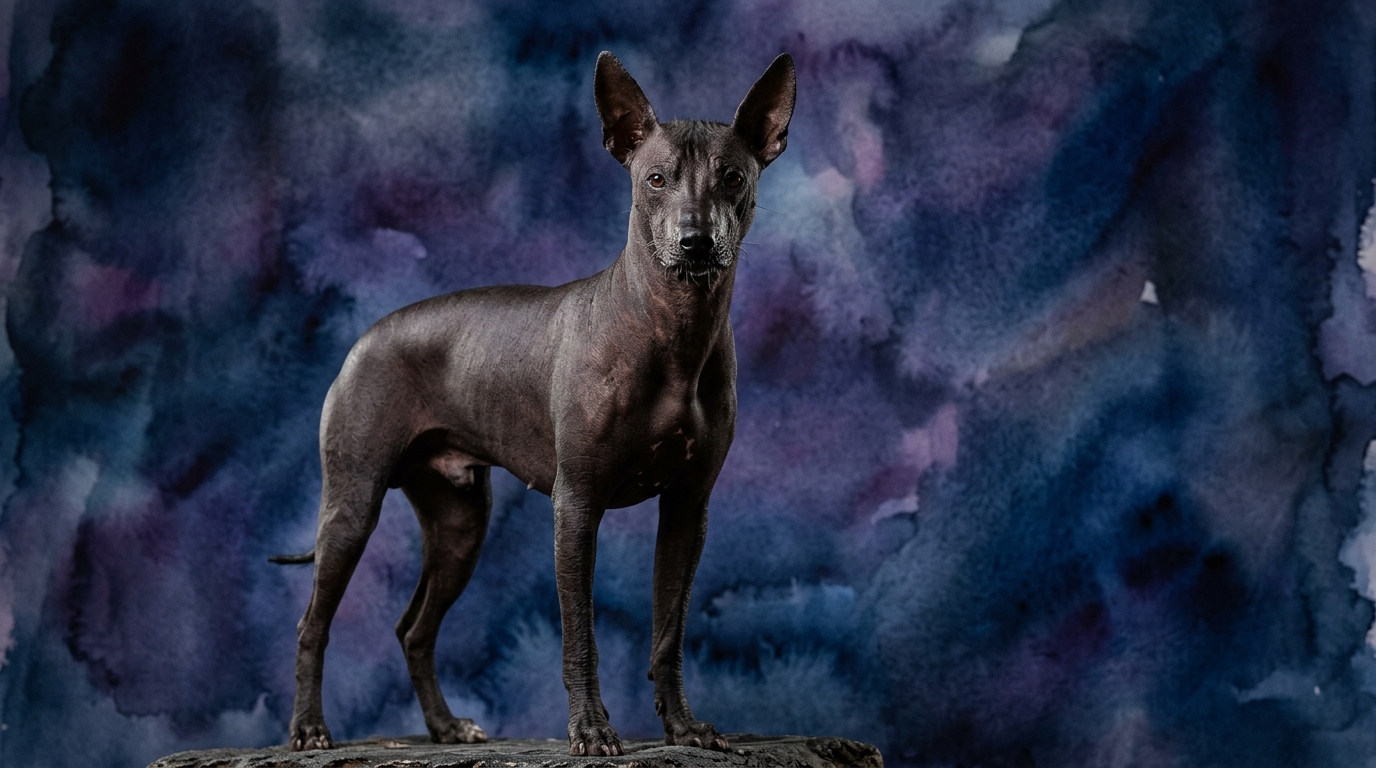
For the Xoloitzcuintli, an ancient non-sporting breed revered as a companion and guardian, a 3/5 in Problem Solving often translates to practical solutions within their immediate domestic environment. They might adeptly figure out how to gain access to a favorite sunbeam, manipulate a toy to extract a treat, or subtly communicate their needs to their preferred human. Their training Speed, also at 3/5, suggests they learn new commands at a steady pace, particularly when motivated by positive reinforcement and a strong bond with their trainer. They are not necessarily quick to generalize lessons across various contexts but can become quite proficient with consistent effort within their family unit. Their Social Intelligence at 3/5 means they are generally perceptive to human emotions and household dynamics, often forming deep, almost intuitive bonds with their primary caregivers, though they can be reserved with strangers. An Instinctive Drive of 3/5 manifests more as a moderate prey drive or a natural inclination to guard their home and family, rather than a strong urge to perform complex tasks. Their Memory, also 3/5, allows them to retain routines, learned behaviors, and social cues effectively over time, recalling past experiences and the appropriate responses to them.
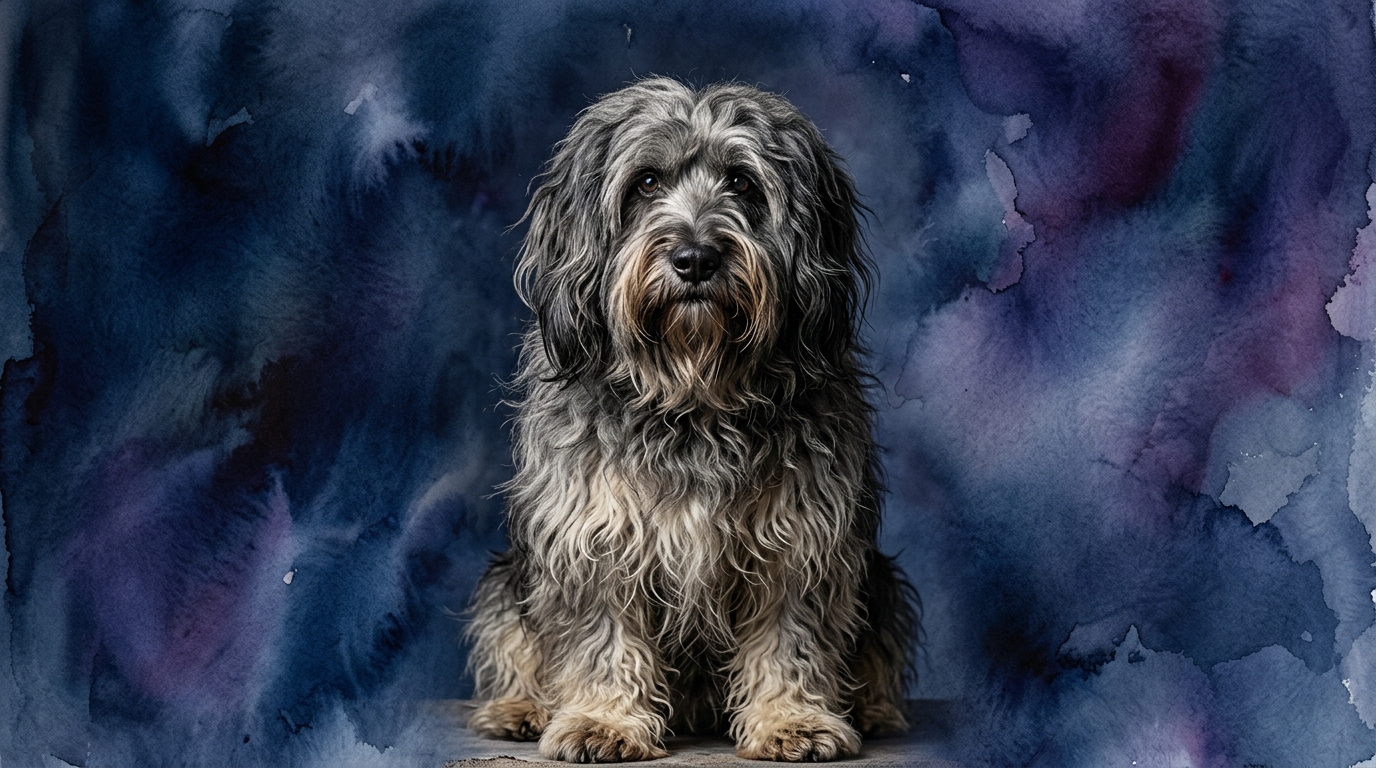
The Polish Lowland Sheepdog, a herding breed, interprets its 3/5 scores through a different lens. Their Problem Solving at 3/5 often involves navigating complex outdoor environments, perhaps figuring out how to outsmart a gate latch or creatively manage livestock, even if they aren't actively herding. This score reflects an ability to think on their feet and adapt to changing situations in a practical, often independent manner. Their Training Speed of 3/5 means they are capable learners, but their herding independence can sometimes lead them to question commands or try to find a 'better' way, requiring a patient and engaging trainer who can make learning feel like a collaborative effort. Social Intelligence at 3/5 for a PON often involves a keen awareness of their 'flock' (their human family) and a desire to keep them together, sometimes manifesting as gentle nudging or watchful oversight. They are responsive to their family's moods but maintain a degree of self-possession. Their Instinctive Drive, also 3/5, is clearly rooted in their herding heritage, presenting as a natural inclination to gather, patrol, and manage, even if those impulses are directed towards family members or other pets. Their Memory at 3/5 is robust enough to recall complex sequences of commands, the layout of their territory, and the habits of their human companions, aiding their persistent and watchful nature.
Where the Xoloitzcuintli Excels Cognitively
While both breeds score identically, the Xoloitzcuintli's cognitive strengths often lie in the realm of subtle social nuance and environmental adaptation within a domestic setting. Their 3/5 Social Intelligence, combined with their ancient role as human companions, allows them to develop an almost uncanny ability to read their primary owner's emotional states and anticipate needs. They might preemptively offer comfort or retreat when sensing tension, demonstrating a finely tuned emotional radar that goes beyond simple command recognition. Their Problem Solving, also 3/5, is often applied to optimizing their comfort and security within the home, such as locating the warmest spot for a nap or devising a quiet method to gain attention, reflecting a practical intelligence geared towards personal well-being and domestic harmony. This isn't about complex puzzles, but rather elegant solutions for daily living.
Where the Polish Lowland Sheepdog Excels Cognitively
The Polish Lowland Sheepdog's cognitive advantages, even with identical scores, are typically found in their practical application of intelligence to their environment and tasks. Their 3/5 Problem Solving shines in situations requiring spatial awareness and independent decision-making, such as navigating a complex terrain or figuring out how to 'herd' children away from perceived danger. This independence, a hallmark of many herding breeds, means they often don't wait for explicit instructions if they perceive a task needs doing. Their Instinctive Drive, at 3/5, is a powerful cognitive tool that channels their intelligence towards monitoring and managing their surroundings, making them particularly adept at noticing changes, potential threats, or disruptions to their 'flock.' This vigilance is a cognitive strength, enabling them to process environmental information continuously and react appropriately, often without direct human prompting.
Training Dynamics: Xoloitzcuintli vs. Polish Lowland Sheepdog
Despite both breeds having a 3/5 Training Speed, their approaches to learning and their ease of training differ significantly due to their inherent temperaments and historical roles. The Xoloitzcuintli, with its deep bond focus and sensitive nature, tends to be more responsive to positive reinforcement methods and thrives on consistency from a trusted individual. They can become reserved or shut down if training is harsh or inconsistent, making patience and a strong, positive relationship paramount. Their learning is often tied to pleasing their chosen person and maintaining harmony, making them generally willing participants once they understand what is being asked and trust their trainer. Their potential aloofness with strangers means early socialization is key to ensuring they are comfortable learning in new environments or with different people.
The Polish Lowland Sheepdog, conversely, approaches training with a more independent and sometimes questioning mindset. Their 3/5 Training Speed means they are capable of learning a wide array of commands and tasks, but their herding instincts can lead to a 'what's in it for me?' attitude or an attempt to 'problem-solve' the command in their own way. They require a trainer who is confident, consistent, and creative, making learning engaging and demonstrating the value of following instructions. While they are loyal to their family, their historical role demanded a degree of self-reliance, meaning they are less inclined to blindly obey and more likely to think for themselves. This can make them more challenging for first-time owners or those seeking a dog that is always eager to please without question.
Lifestyle Suitability: Active vs. Relaxed Owners
Considering their cognitive profiles and energy levels, the Xoloitzcuintli generally suits a more relaxed owner, while the Polish Lowland Sheepdog is better suited for an active lifestyle. The Xolo, with its moderate instinctive drive and focus on companionship, thrives in a home where they can be an integral part of daily life, enjoying quiet walks, snuggle time, and interactive play within the family circle. While they appreciate regular exercise, their needs are not typically extreme, making them suitable for owners who enjoy a balanced pace of life. Their social intelligence is best appreciated by owners who value a deep, intuitive bond and can provide a stable, loving environment without constant high-octane activities.
The Polish Lowland Sheepdog, however, is a breed that demands more from its owners. Their herding background means their 3/5 instinctive drive translates into a significant need for both physical activity and mental engagement. They are not content to merely lie around; they thrive on structured walks, training sessions, dog sports, or even a 'job' around the house or yard. Owners who are active, enjoy outdoor pursuits, and are willing to provide consistent mental stimulation will find a PON a rewarding companion. Their problem-solving abilities and independent nature mean they can become bored and potentially destructive if their cognitive and physical needs are not met, making them a better fit for experienced, energetic owners who can channel their inherent working drive constructively.
The Verdict
Choose the Xoloitzcuintli if you seek a deeply bonded, sensitive companion who thrives on domestic harmony and offers subtle social intelligence, fitting well into a moderately active, stable home environment. They are best for owners who appreciate a dog's quiet presence and intuitive connection.
Opt for the Polish Lowland Sheepdog if you're an active, experienced owner ready to engage a dog with an independent, practical mind and a strong working drive, providing ample physical exercise and consistent mental challenges. They excel with owners who can channel their herding instincts into constructive activities.
🧠 Find Your Pet's IQ Score
Our Pet IQ Lab assessment covers 25+ tests across 5 cognitive dimensions — personalized to your breed.
Take the Full IQ Test →Frequently Asked Questions
Do Xoloitzcuintli dogs need a lot of mental stimulation?
Xoloitzcuintli dogs benefit from moderate mental stimulation, such as interactive toys, scent work, and consistent positive reinforcement training. While they don't require the intense mental 'work' of some breeds, regular engagement prevents boredom and strengthens their bond with their family.
Are Polish Lowland Sheepdogs good for first-time dog owners?
Polish Lowland Sheepdogs can be challenging for first-time owners due to their independent nature and strong herding instincts. They thrive with experienced owners who understand working breeds and can provide consistent training, ample exercise, and mental enrichment to prevent unwanted behaviors.
How do these breeds' social intelligence scores impact their interactions with strangers?
Both breeds have a 3/5 social intelligence, but this manifests differently. Xoloitzcuintli are often reserved or aloof with strangers, forming strong bonds primarily with their family. Polish Lowland Sheepdogs are typically watchful and can be wary of strangers, often taking time to assess new people before accepting them, reflecting their protective herding nature.