Side-by-Side IQ Profile: Yorkie vs. Basset
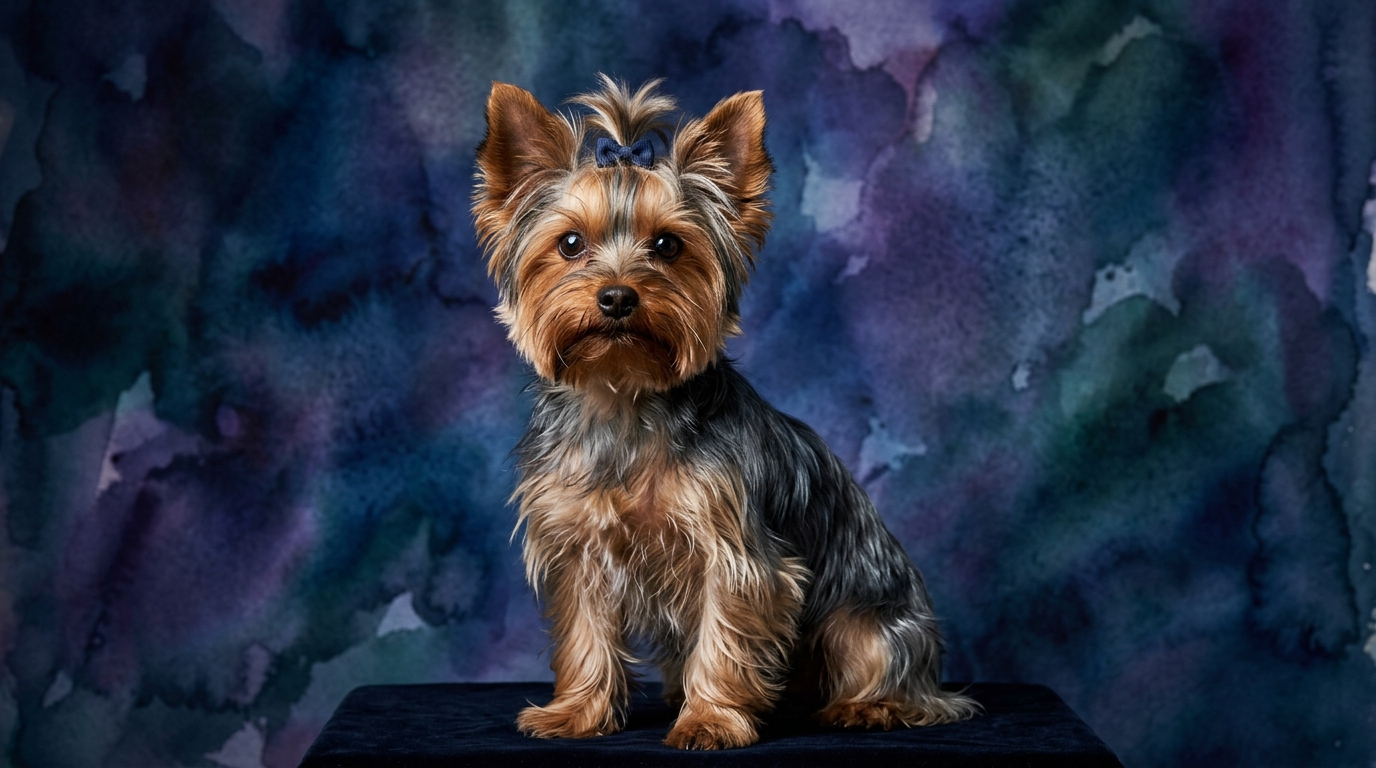
The Cosmic Pet Pet IQ Lab employs a five-dimensional framework to assess canine intelligence, providing a nuanced understanding beyond simple obedience. For the Yorkshire Terrier, ranked #27 by Coren, its profile showcases a well-rounded cognitive toolkit. Their Problem Solving rates at 3/5, indicating a moderate ability to navigate novel situations. Training Speed is a commendable 4/5, reflecting their eagerness and quick comprehension. Social Intelligence also scores 4/5, highlighting their strong capacity to interpret human cues and bond. Their Instinctive Drive, a robust 4/5, points to a strong terrier inclination for engaging with their environment and tasks. Finally, their Memory is solid at 4/5, ensuring learned behaviors stick.
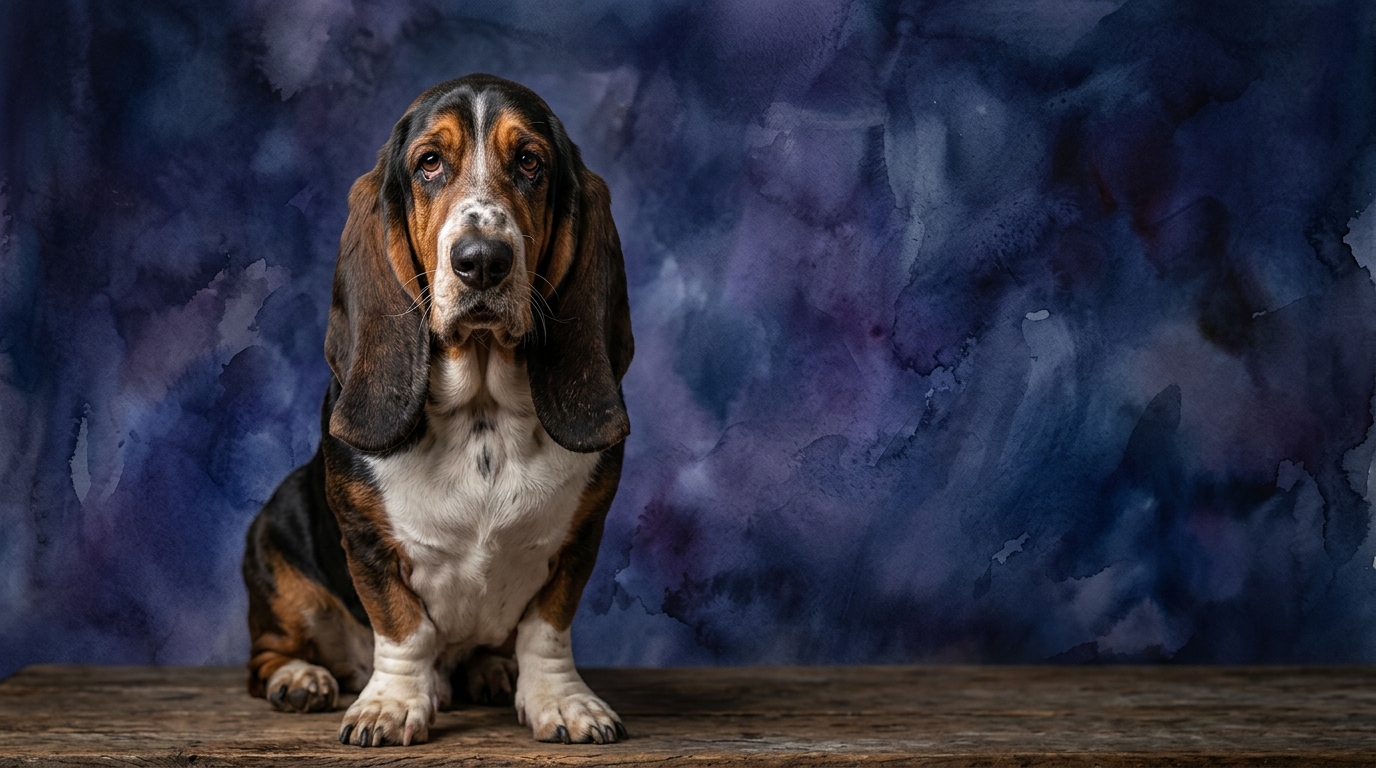
In contrast, the Basset Hound, holding a Coren rank of #71, presents a cognitive profile more specialized and deliberate. Their Problem Solving ability is rated 3/5, suggesting they approach challenges with methodical, often scent-driven, deliberation rather than impulsive action. Training Speed is 3/5, indicating a steady, though not rapid, learning pace that benefits from patience. Social Intelligence also stands at 3/5, depicting a generally amiable but sometimes self-focused nature. Their Instinctive Drive, a distinct 3/5, is profoundly centered on their unparalleled olfactory capabilities. Their Memory, rated 3/5, is particularly effective for retaining scent information and familiar routines, though perhaps less so for abstract commands.
Where the Yorkshire Terrier Wins Cognitively
The Yorkshire Terrier demonstrates clear cognitive advantages across several key dimensions, primarily due to their higher scores in responsiveness and adaptability. Their 4/5 Training Speed means they typically grasp new commands and routines with greater rapidity than a Basset Hound. This isn't just about 'being smart'; it reflects a keen focus and a strong desire to engage with and please their human companions, making training sessions more efficient and rewarding.
Furthermore, the Yorkie's 4/5 Social Intelligence allows them to be more attuned to subtle human emotional shifts and intentions. This heightened awareness fosters a deeper, more responsive bond, as they are often quicker to pick up on cues for play, comfort, or compliance. Their 4/5 Instinctive Drive, while rooted in their terrier heritage, translates into a versatile enthusiasm for interactive games and mental challenges that can be easily directed by an owner. Coupled with their 4/5 Memory, which ensures consistent recall of learned behaviors and experiences, the Yorkshire Terrier's cognitive profile makes them highly adaptable and a consistently engaged partner in various activities.
Where the Basset Hound's Cognition Shines
While the Yorkshire Terrier excels in general responsiveness, the Basset Hound's cognitive strengths lie in a profoundly specialized domain: olfactory intelligence and unwavering persistence. Their 3/5 Instinctive Drive, though numerically lower than the Yorkie's, represents an unparalleled dedication to scent work. A Basset's ability to follow and interpret complex scent trails over vast distances, often ignoring other distractions, is a feat of sustained focus and highly specific memory that few breeds can match.
Their Problem Solving, also rated 3/5, is often channeled into deciphering these intricate scent puzzles, requiring a unique blend of methodical deduction and sensory interpretation. This isn't a generalist's problem-solving; it's a highly refined, specialized form of cognitive processing that allows them to excel in their traditional role as scent hounds. Their Memory, while scoring 3/5, is particularly robust when it comes to recalling specific scent signatures and the routes associated with them, demonstrating a distinct kind of cognitive recall that is deeply tied to their primary sensory input.
Training Dynamics: Eagerness vs. Olfactory Focus
When it comes to trainability, the differences between these two breeds are pronounced and directly reflect their IQ profiles. The Yorkshire Terrier, with its 4/5 Training Speed and 4/5 Social Intelligence, generally proves to be a more straightforward student. They are eager to please, quick to understand commands, and highly responsive to positive reinforcement. Their smaller size also makes them physically easier to manage during early training phases, contributing to a perception of faster learning and compliance. Consistency and engaging, varied training methods work exceptionally well with their mentally agile nature.
The Basset Hound, by contrast, requires a different approach. Their 3/5 Training Speed and 3/5 Social Intelligence, combined with their potent 3/5 Instinctive Drive for scent, mean that training can be a test of an owner's patience and understanding. They are not 'stubborn' in a malicious sense; rather, their world is often dominated by their nose, and a compelling scent trail can easily override a human command. Effective Basset training involves understanding this olfactory preoccupation, using high-value, food-based rewards, and making training sessions engaging enough to compete with environmental smells. Patience, repetition, and a sense of humor are essential when working with a Basset Hound's unique cognitive priorities.
Matching Breeds to Lifestyles: Active vs. Relaxed Owners
The cognitive profiles of the Yorkshire Terrier and Basset Hound suggest distinct fits for different owner lifestyles. For active owners seeking a dynamic companion, the Yorkshire Terrier is an excellent match. Their 4/5 Instinctive Drive and energetic terrier spirit mean they thrive on regular mental and physical stimulation. They enjoy engaging in various activities, from brisk walks and agility training to learning new tricks and interactive play. Their 4/5 Social Intelligence ensures they want to be an integral part of family activities, making them ideal for owners who enjoy a highly involved canine partner.
Conversely, the Basset Hound often suits owners who prefer a more relaxed pace, yet still appreciate engaging their dog's unique abilities. Their generally calm demeanor and 3/5 scores in Training Speed and Problem Solving suggest they are content with a less frenetic daily routine. However, it's crucial to understand that their potent 3/5 Instinctive Drive, focused on scent, still requires outlets. Relaxed owners can fulfill this need through leisurely 'sniff walks' where the Basset can explore scent trails at their own pace, or through scent-work games that provide mental enrichment without high physical demands. They are not simply 'couch potatoes' but rather companions who find deep satisfaction in their specialized sensory world.
The Verdict: When to Choose Each Companion
Choosing between a Yorkshire Terrier and a Basset Hound ultimately depends on your lifestyle, training philosophy, and what you value most in a canine companion. The Cosmic Pet Pet IQ Lab data clearly illustrates their differing cognitive strengths and needs.
If you seek a responsive, mentally agile companion eager to learn and engage in varied activities, and you appreciate a strong bond built on mutual understanding and quick feedback, the Yorkshire Terrier is likely your ideal match. Their higher scores in training speed, social intelligence, and memory make them excellent partners for consistent interaction and learning. However, if you value a calm, independent companion with an extraordinary sense of smell, and you're prepared to embrace a training journey focused on patience, understanding their scent-driven world, and celebrating specialized cognitive talents, then the Basset Hound will bring profound joy and a unique perspective to your home.
The Verdict
Choose the Yorkshire Terrier if you desire a highly responsive, mentally agile companion who thrives on interactive learning and forms a deeply engaged, communicative bond.
Opt for the Basset Hound if you appreciate a calm, independent companion with an unparalleled sense of smell, and you are ready for a patient training journey that celebrates their specialized, scent-driven intellect.
🧠 Find Your Pet's IQ Score
Our Pet IQ Lab assessment covers 25+ tests across 5 cognitive dimensions — personalized to your breed.
Take the Full IQ Test →Frequently Asked Questions
Are Basset Hounds difficult to train?
Basset Hounds aren't inherently difficult, but their strong scent drive and independent nature mean they require more patience and specific training methods. They respond best to positive reinforcement and consistency, especially when their nose isn't leading them astray from commands.
Do Yorkshire Terriers need a lot of mental stimulation?
Absolutely. With a 4/5 in instinctive drive and social intelligence, Yorkshire Terriers thrive on mental challenges, interactive toys, and learning new tricks. They can become bored or exhibit undesirable behaviors without adequate engagement and varied activities.
How do the problem-solving abilities compare between the two breeds?
Both breeds score 3/5 in problem-solving. While a Yorkshire Terrier might apply this to figuring out how to retrieve a toy or navigate an obstacle, a Basset Hound's problem-solving often manifests in intricate scent-tracking, deciphering complex odor trails with remarkable persistence.